bathroom sink taps
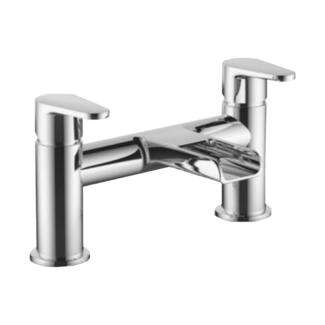
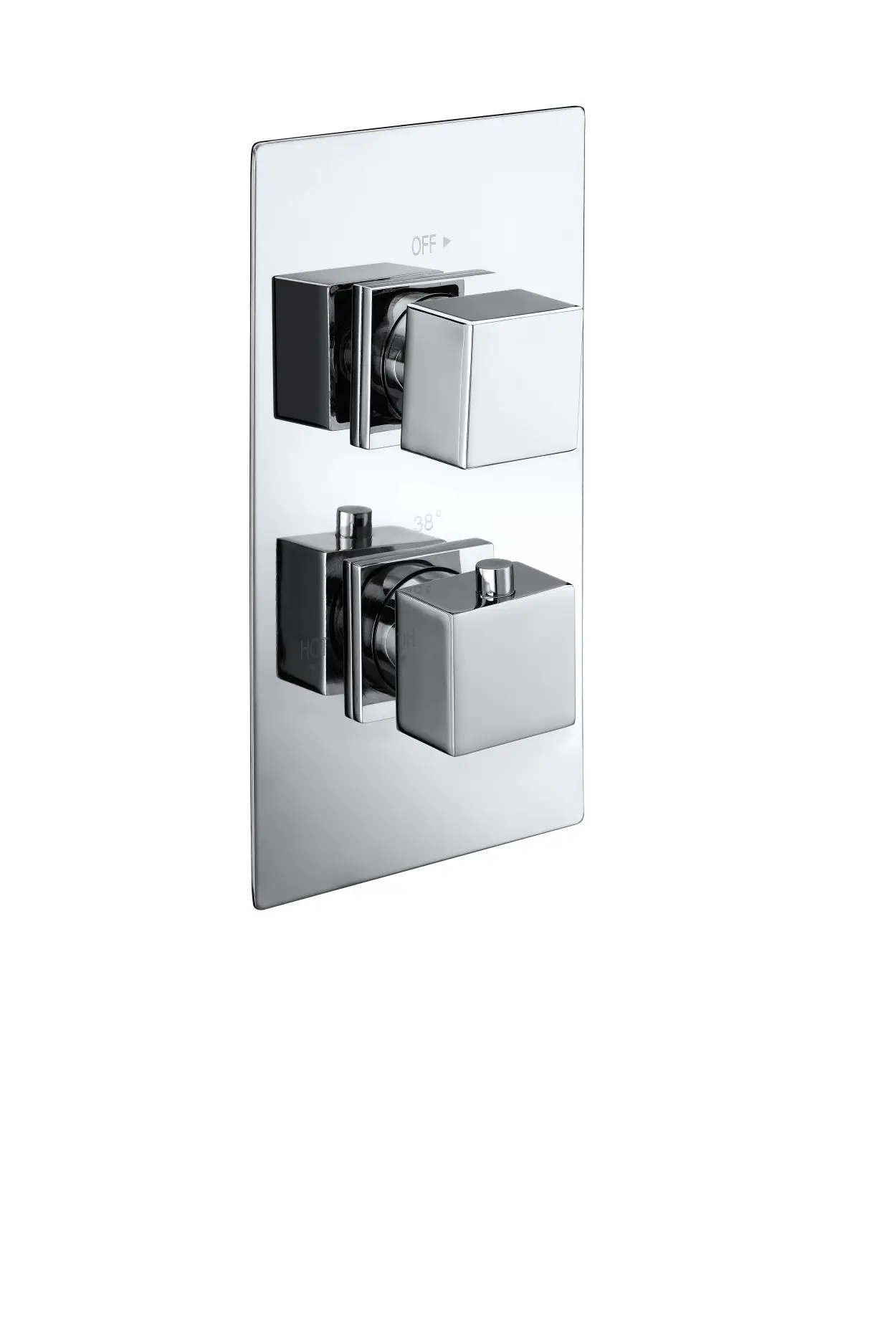
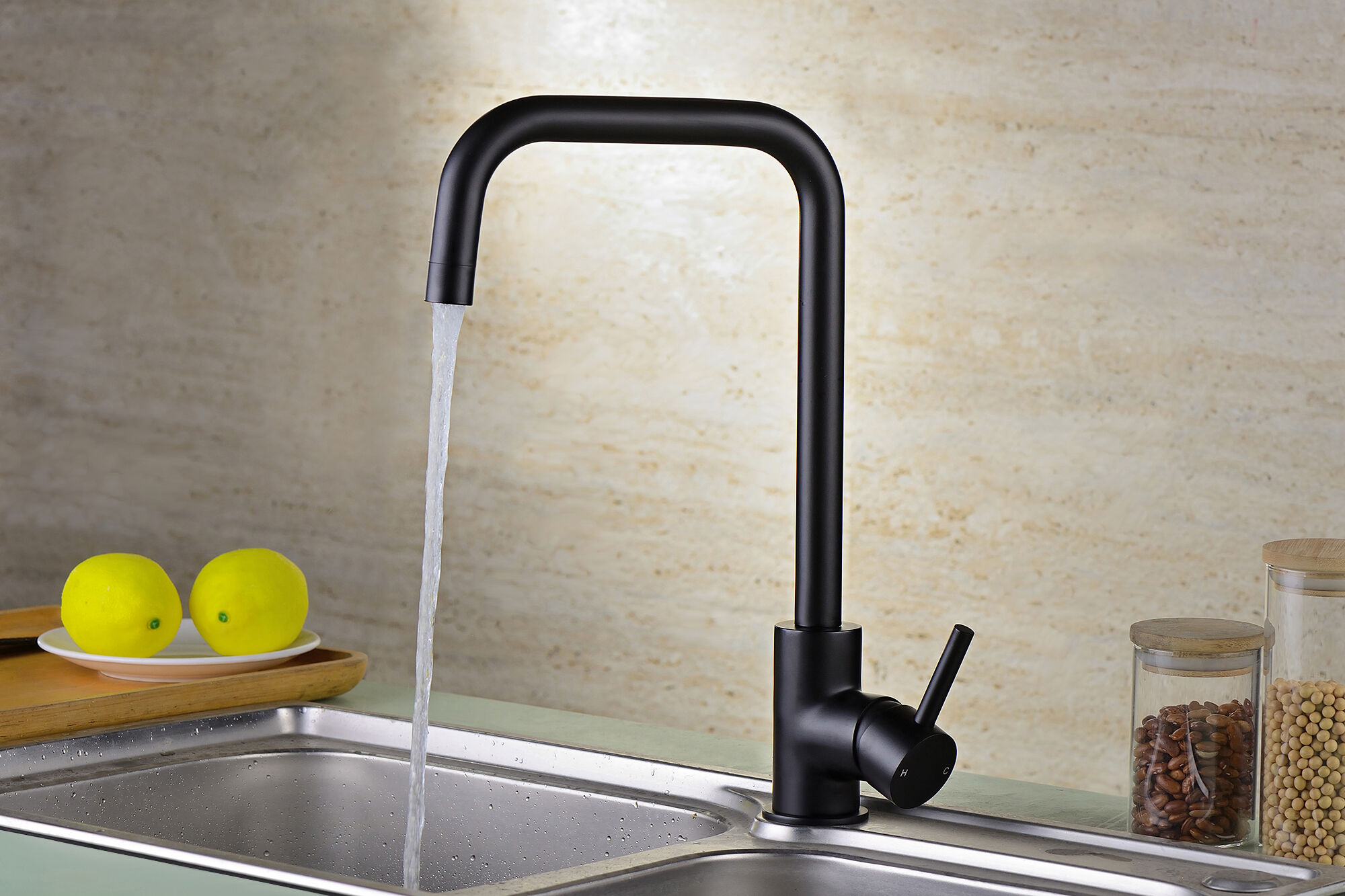
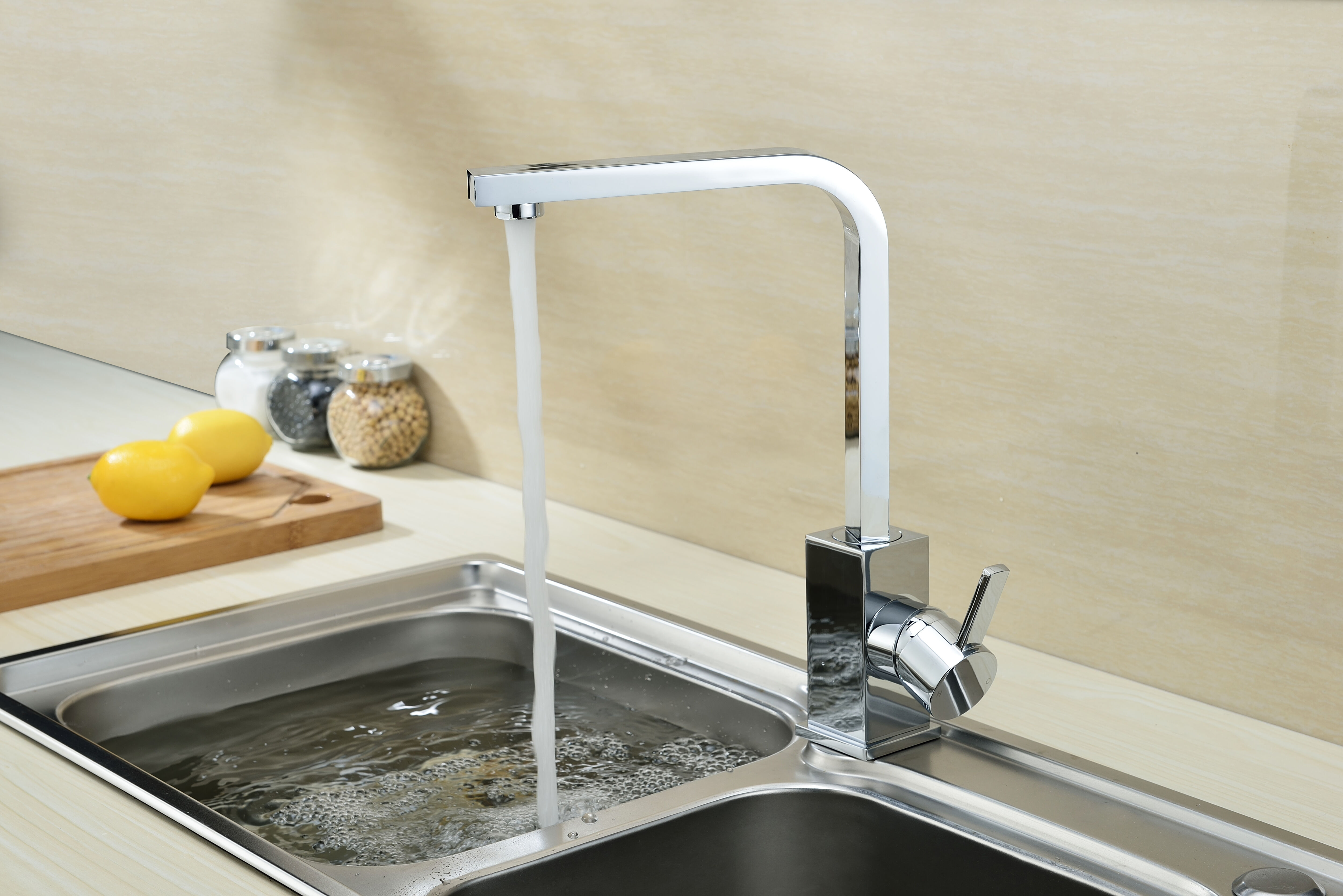
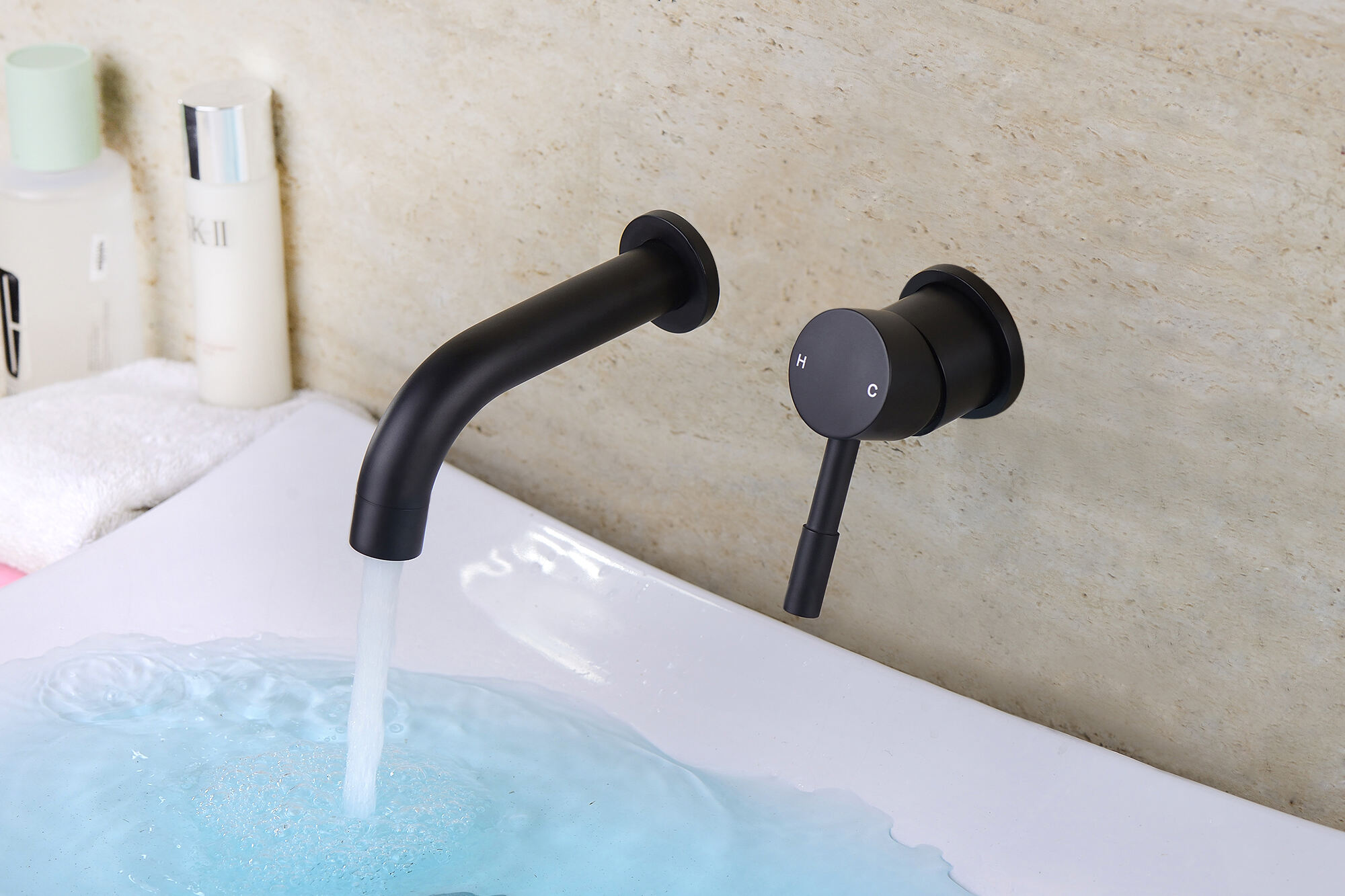
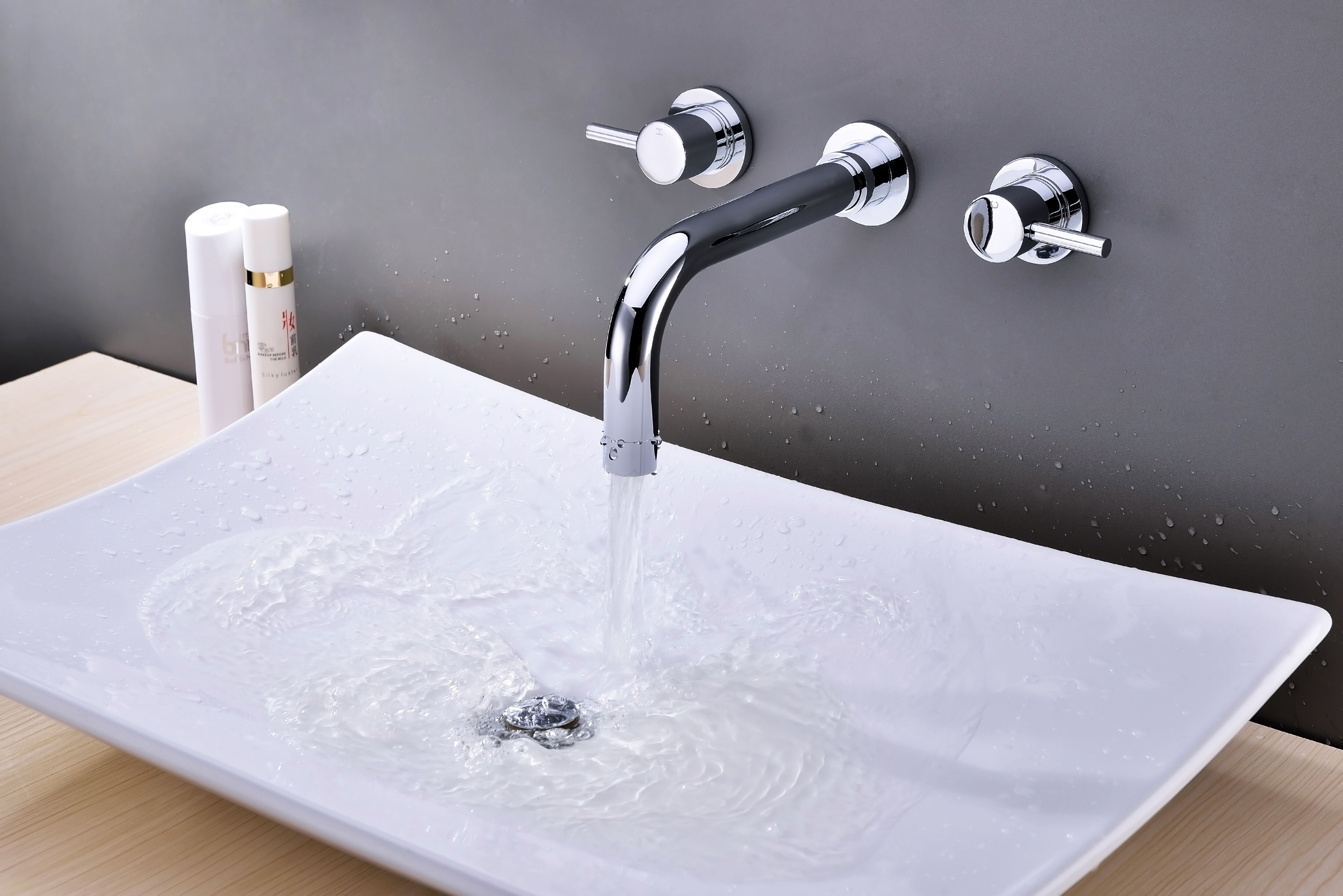
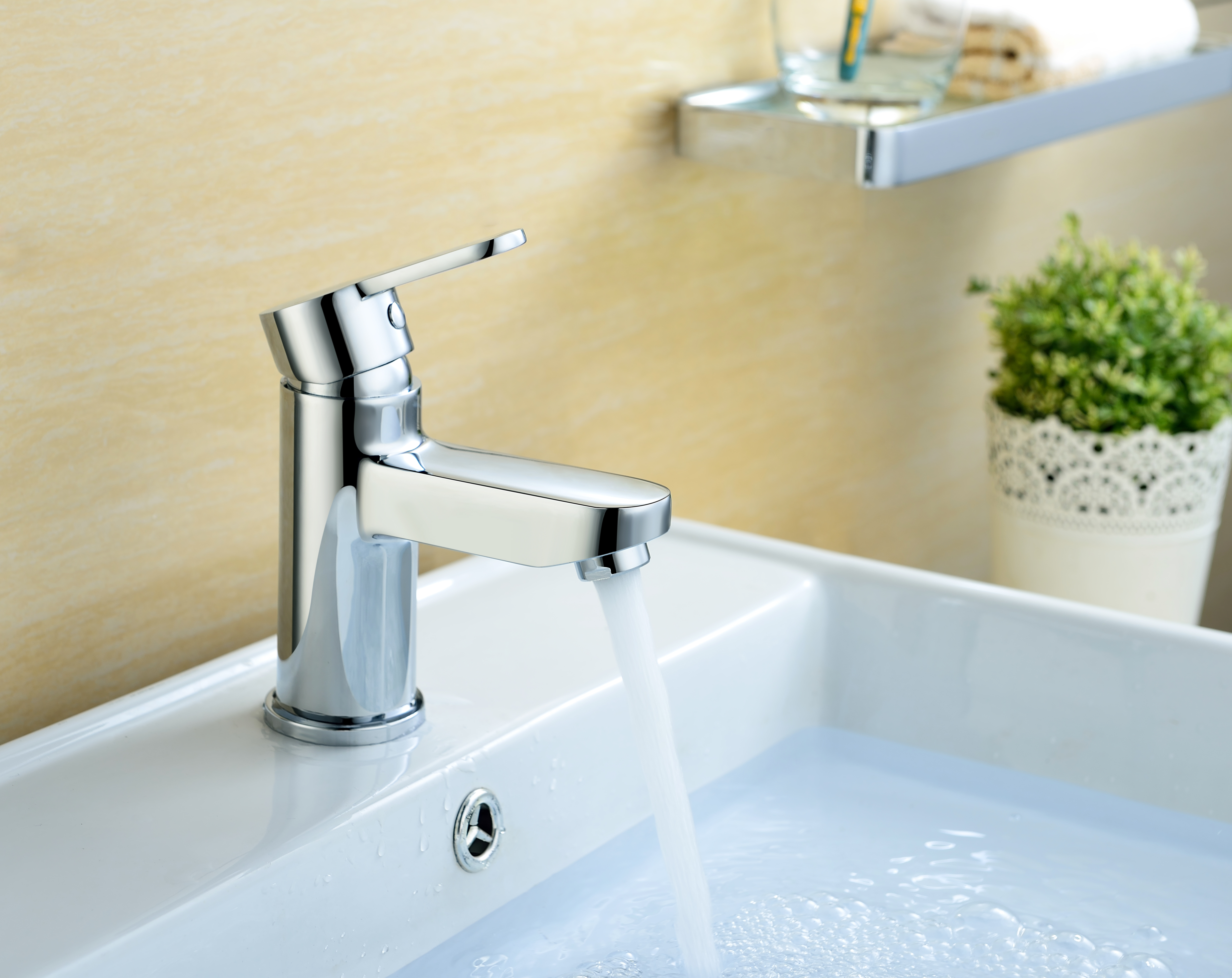
Bathroom sink taps represent essential fixtures that combine functionality with aesthetic appeal in modern homes and commercial spaces. These vital plumbing components serve as the primary interface between users and water supply systems, controlling both water flow and temperature with precision and ease. Contemporary bathroom sink taps incorporate advanced engineering principles and cutting-edge materials to deliver reliable performance while enhancing the overall bathroom experience. The main functions of bathroom sink taps extend beyond simple water delivery, encompassing temperature regulation, flow control, and water conservation features that meet today's environmental standards. Modern designs integrate sophisticated cartridge systems that ensure smooth operation and longevity, while ceramic disc technology provides drip-free performance for years of dependable service. Technological features in today's bathroom sink taps include pressure-balancing mechanisms that maintain consistent water temperature, aerators that reduce water consumption without compromising performance, and quick-connect installation systems that simplify maintenance procedures. Many contemporary models feature single-handle operation for convenient one-handed control, while others offer separate hot and cold handles for precise temperature adjustment. Advanced finishes resist corrosion, tarnishing, and water spots, maintaining their lustrous appearance with minimal maintenance requirements. Applications for bathroom sink taps span residential bathrooms, commercial restrooms, hospitality facilities, healthcare institutions, and educational buildings. These versatile fixtures adapt to various sink configurations, including vessel sinks, undermount installations, and traditional drop-in basins. Design versatility allows bathroom sink taps to complement diverse architectural styles, from traditional to contemporary, industrial to minimalist aesthetics. Installation flexibility accommodates different plumbing configurations, while standardized connections ensure compatibility with existing supply lines and drainage systems.
 EN
EN