Superior Corrosion Resistance and Water Quality Protection
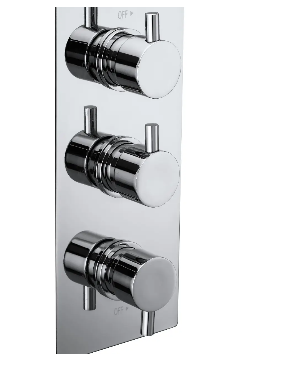
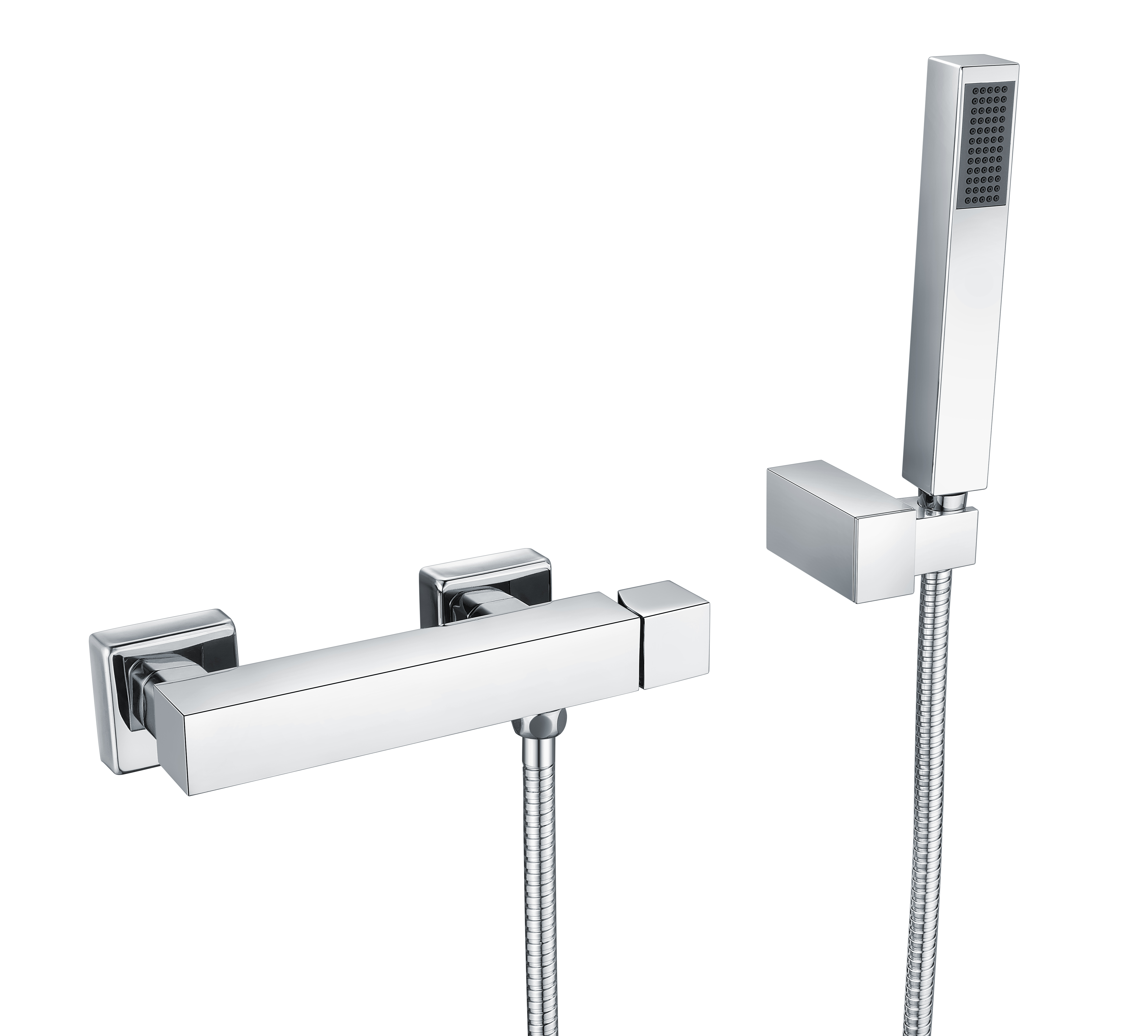
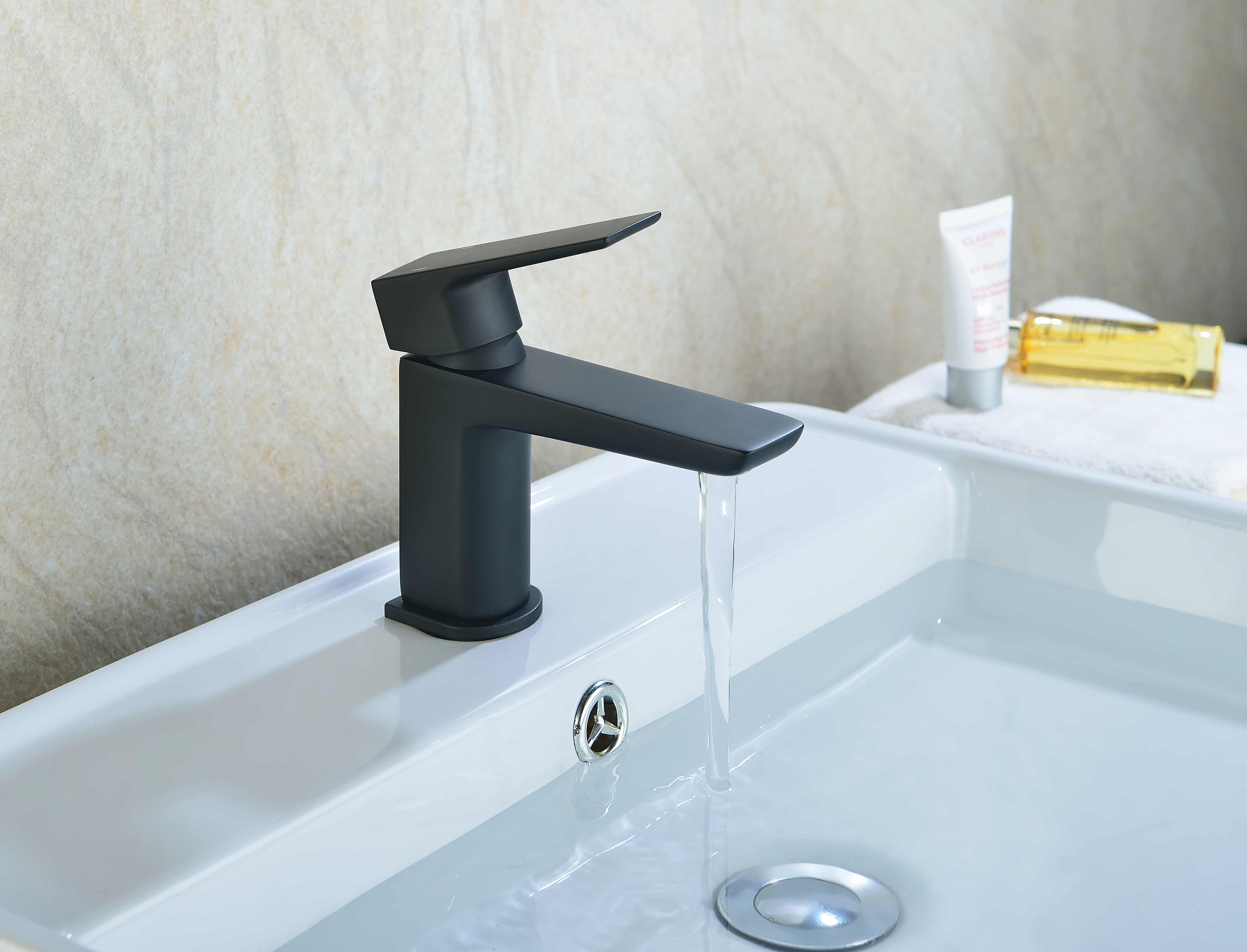
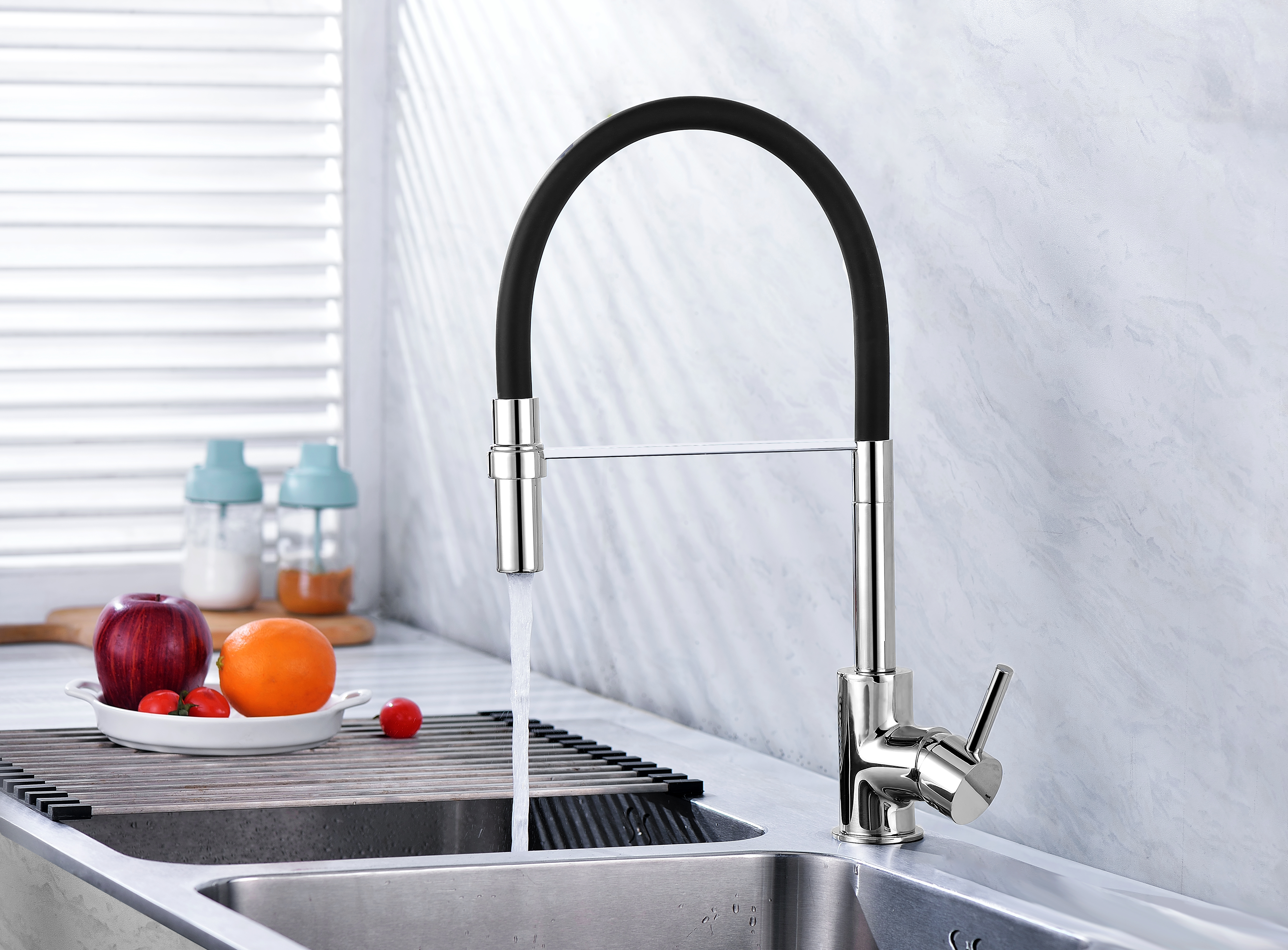
The solid brass tap material composition provides exceptional resistance to corrosion that ensures both fixture longevity and water quality protection for end users. Brass naturally contains copper and zinc in proportions that create inherent antimicrobial properties, actively inhibiting bacterial growth and biofilm formation within the fixture interior. This biological resistance maintains cleaner water delivery compared to plastic or steel alternatives that can harbor harmful microorganisms over time. The corrosion resistance of solid brass tap construction prevents the formation of rust particles, scale buildup, and mineral deposits that commonly affect iron-based fixtures and compromise water flow efficiency. Unlike galvanized steel or iron pipes that gradually deteriorate and contaminate water supplies with metallic particles, brass maintains its structural integrity while preserving water purity throughout its extended service life. The smooth interior surfaces of brass construction resist mineral adhesion that causes flow restriction in other materials, maintaining consistent pressure and volume delivery over decades of use. Environmental factors such as humidity, temperature fluctuations, and chemical exposure from cleaning products have minimal impact on solid brass tap performance compared to coated or composite alternatives. The molecular stability of brass prevents leaching of harmful substances into the water supply, meeting strict health and safety standards for potable water systems. Professional water quality testing consistently shows superior results from brass plumbing systems compared to alternatives, particularly in areas with aggressive water chemistry or high mineral content. The solid brass tap construction eliminates the galvanic corrosion problems that occur when dissimilar metals contact each other in plumbing systems, preventing premature failure and maintaining system integrity. Marine and coastal applications particularly benefit from brass's salt water resistance, where other materials quickly succumb to aggressive corrosive conditions. The patina layer that develops on brass surfaces provides additional protection without compromising water quality or fixture appearance.
 EN
EN