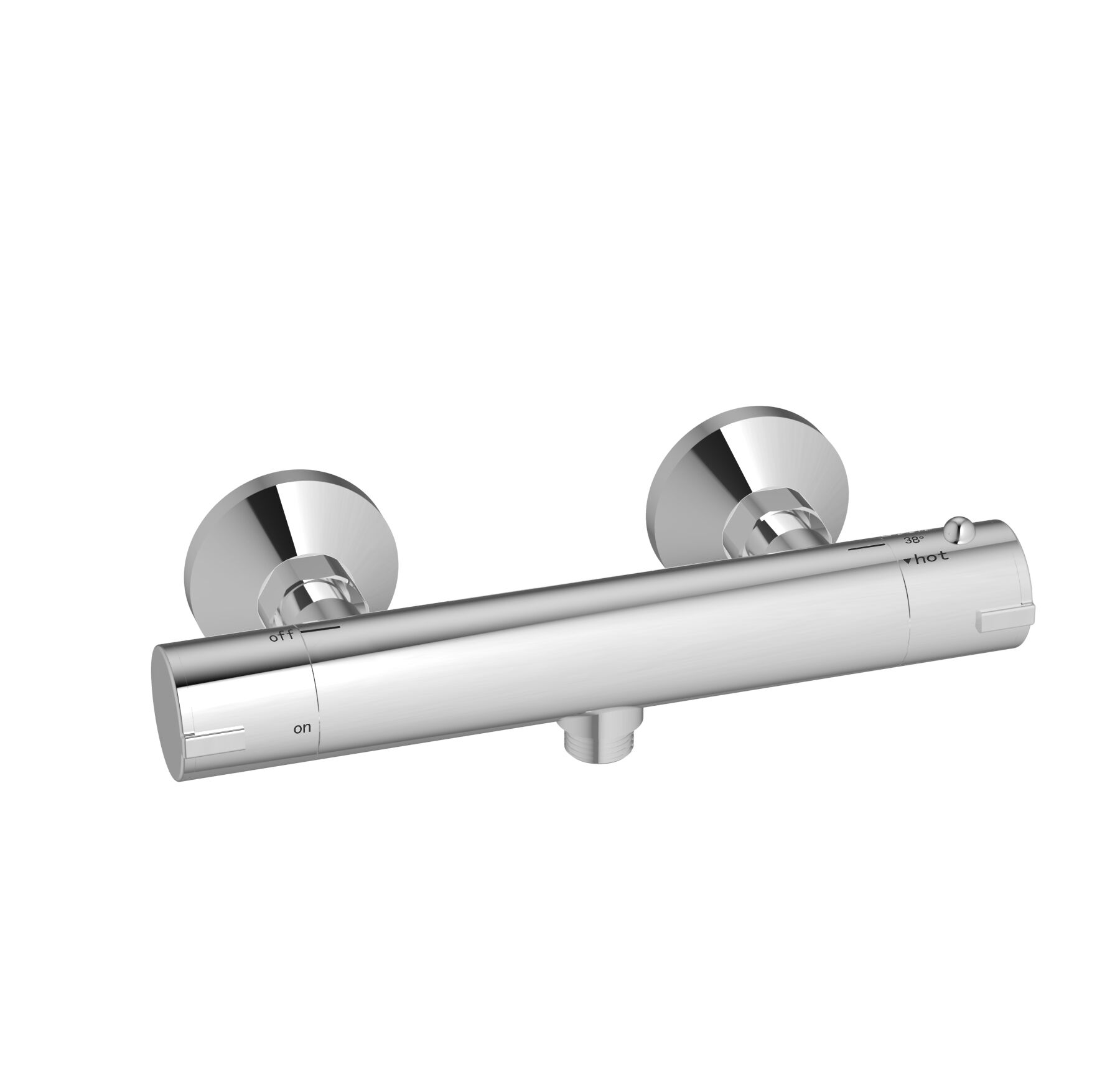
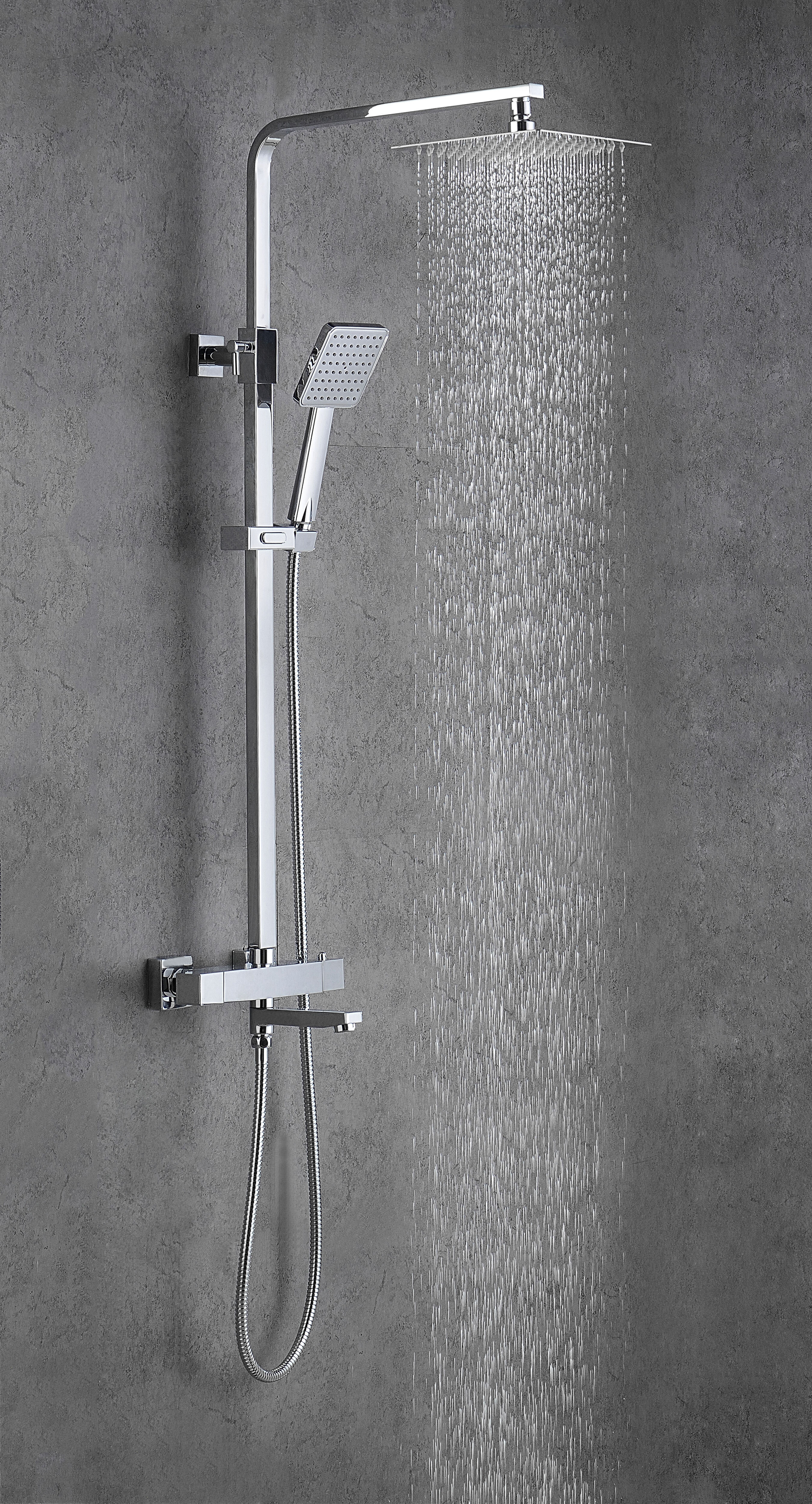
Advanced Thermostatic Systems: Smart Temperature Control Solutions for Energy-Efficient Climate Management

Get a Quote

Our representative will contact you soon.
Email
Name
Company Name
Message
0/1000

thermostatic

A thermostatic system represents a sophisticated temperature control mechanism designed to maintain precise environmental conditions across various residential, commercial, and industrial applications. This advanced device operates through intelligent sensor technology that continuously monitors ambient temperature levels and automatically adjusts heating or cooling systems to achieve desired comfort settings. The thermostatic unit functions as the central command center for climate control, featuring programmable settings that allow users to establish customized temperature schedules throughout different periods of the day. Modern thermostatic devices incorporate cutting-edge digital displays, wireless connectivity options, and smart home integration capabilities that enable remote monitoring and control through smartphone applications. The core functionality revolves around a feedback loop system where temperature sensors detect environmental changes and trigger appropriate responses from connected HVAC equipment. These devices utilize advanced algorithms to optimize energy consumption while maintaining consistent comfort levels, making them essential components in contemporary building management systems. The thermostatic technology encompasses various operational modes including heating, cooling, and automatic switching between seasons, ensuring year-round climate optimization. Professional-grade thermostatic units often feature multi-zone control capabilities, allowing different areas within a building to maintain independent temperature settings based on specific usage requirements. The installation process typically involves connecting the thermostatic controller to existing heating and cooling infrastructure, with many models offering compatibility with conventional and high-efficiency systems. Advanced thermostatic models include learning capabilities that analyze occupancy patterns and automatically adjust settings to maximize comfort while minimizing energy waste, representing the evolution toward intelligent building automation solutions.

New Product Releases

The thermostatic system delivers exceptional energy savings that directly translate to reduced utility costs for homeowners and businesses alike. Users typically experience energy consumption reductions of twenty to thirty percent when upgrading to programmable thermostatic controls, as these devices eliminate unnecessary heating and cooling during unoccupied periods. The precision control offered by modern thermostatic units ensures optimal comfort levels throughout all seasons, maintaining consistent temperatures within one degree of the desired setting. This accuracy eliminates the uncomfortable temperature fluctuations common with manual control systems, creating more pleasant living and working environments. Smart thermostatic models provide unparalleled convenience through remote access capabilities, allowing users to adjust temperature settings from anywhere using mobile devices or web interfaces. This remote functionality proves invaluable for busy professionals who can pre-condition their homes before arrival or make adjustments while traveling. The programmable scheduling features enable users to create customized temperature profiles that align with daily routines, automatically lowering temperatures during sleeping hours or when buildings are unoccupied. These intelligent scheduling capabilities eliminate the need for manual adjustments while ensuring comfort during occupied periods. Installation of thermostatic systems typically requires minimal modifications to existing HVAC infrastructure, making upgrades cost-effective and straightforward. Most units feature user-friendly interfaces with intuitive controls that require no technical expertise to operate effectively. The diagnostic capabilities built into advanced thermostatic models help identify potential system issues before they become costly repairs, providing early warning alerts for maintenance needs. Many thermostatic units include air quality monitoring features that track humidity levels and indoor air conditions, contributing to healthier indoor environments. The longevity of quality thermostatic systems ensures years of reliable operation with minimal maintenance requirements, making them excellent long-term investments. Integration with renewable energy sources like solar panels enhances the environmental benefits while further reducing operating costs through optimized energy management strategies.

Practical Tips

The Art of Selecting the Perfect Kitchen Tap

26

Nov

The Art of Selecting the Perfect Kitchen Tap

Your kitchen tap does more than just deliver water. It’s a centerpiece that combines practicality with style. The right choice can make daily tasks easier while elevating the look of your kitchen. Whether you’re rinsing vegetables or fill...
View More
How Do Premium Shower Heads Improve Guest Retention in Hospitality Projects

04

Dec

How Do Premium Shower Heads Improve Guest Retention in Hospitality Projects

In today's competitive hospitality landscape, property owners and managers constantly seek innovative ways to differentiate their establishments and enhance guest satisfaction. While location and amenities often dominate discussions about guest reten...
View More
Project Management Benefits of Complete Shower Kits for Contractors and Developers

04

Dec

Project Management Benefits of Complete Shower Kits for Contractors and Developers

Modern construction projects demand efficient solutions that streamline installation processes while maintaining high quality standards. Complete shower kits have emerged as game-changing components for contractors and developers seeking to optimize ...
View More
Why prioritize a high-flow shower valve for large-scale hotel projects?

02

Mar

Why prioritize a high-flow shower valve for large-scale hotel projects?

Large-scale hotel projects demand exceptional attention to guest comfort and operational efficiency, making the selection of plumbing fixtures a critical decision that impacts both guest satisfaction and long-term maintenance costs. When it comes to ...
View More

Get a Quote

Our representative will contact you soon.
Email
Name
Company Name
Message
0/1000

thermostatic

Advanced Smart Learning Technology

Advanced Smart Learning Technology

The revolutionary learning technology integrated into modern thermostatic systems represents a paradigm shift in intelligent climate control, offering unprecedented automation that adapts to user behavior patterns and preferences over time. This sophisticated artificial intelligence analyzes occupancy schedules, temperature preferences, and seasonal variations to create personalized comfort profiles that operate seamlessly without constant manual intervention. The thermostatic learning algorithm continuously processes data from multiple sensors throughout the building, identifying patterns in daily routines and automatically adjusting temperature settings to anticipate occupant needs. This predictive capability means the system begins warming or cooling spaces before occupants arrive, ensuring optimal comfort upon entry while avoiding energy waste during vacant periods. The machine learning component becomes increasingly accurate over time, refining its understanding of individual preferences and environmental factors that influence comfort levels. Advanced thermostatic models incorporate geofencing technology that detects when residents leave or approach their homes, triggering automatic adjustments that optimize energy consumption without sacrificing comfort. The learning system also adapts to seasonal changes, gradually shifting temperature preferences and operational patterns to align with changing weather conditions and daylight hours. This intelligent adaptation eliminates the need for manual seasonal adjustments while ensuring consistent comfort throughout the year. The thermostatic learning technology extends beyond basic temperature control to include humidity management, air circulation optimization, and integration with other smart home systems like lighting and security. Users benefit from reduced energy costs, enhanced comfort consistency, and simplified system operation as the thermostatic device becomes increasingly attuned to their specific lifestyle requirements and preferences.
Multi-Zone Climate Control Precision

Multi-Zone Climate Control Precision

Multi-zone climate control capability represents one of the most valuable features of advanced thermostatic systems, enabling precise temperature management across different areas within residential and commercial buildings. This sophisticated functionality allows users to create independent climate zones throughout their properties, addressing the unique heating and cooling requirements of various rooms and spaces. The thermostatic system coordinates multiple sensors and control points to maintain distinct temperature settings in different zones simultaneously, ensuring optimal comfort for diverse usage patterns and occupancy schedules. Living areas can maintain comfortable temperatures during active hours while bedrooms operate at cooler settings for better sleep quality, and unused spaces can be set to energy-saving temperatures without affecting occupied areas. The multi-zone thermostatic control proves particularly beneficial in larger homes and commercial buildings where different areas experience varying heat loads from sunlight exposure, occupancy levels, and equipment operation. Professional installations can divide buildings into numerous zones based on architectural layout, usage patterns, and comfort requirements, with each zone featuring dedicated thermostatic controls and sensors. This granular control capability eliminates hot and cold spots that commonly occur with single-zone systems, ensuring consistent comfort throughout the entire building envelope. The thermostatic multi-zone functionality also enables significant energy savings by focusing climate control efforts only on occupied or actively used spaces, rather than conditioning entire buildings uniformly. Advanced scheduling capabilities allow different zones to operate on independent timetables, accommodating varying occupancy patterns and usage schedules across different areas. The system intelligence automatically balances heating and cooling loads across zones to optimize overall system efficiency while maintaining individual zone comfort requirements through sophisticated thermostatic algorithms.
Energy Efficiency and Cost Optimization

Energy Efficiency and Cost Optimization

The energy efficiency capabilities of modern thermostatic systems deliver substantial cost savings while contributing to environmental sustainability through intelligent resource management and optimized system operation. These advanced devices employ sophisticated algorithms that continuously analyze energy consumption patterns, weather conditions, and occupancy schedules to minimize utility costs without compromising comfort levels. The thermostatic system achieves remarkable efficiency gains through precise temperature control that eliminates energy waste associated with overshooting target temperatures or maintaining unnecessary heating and cooling during unoccupied periods. Programmable scheduling features enable users to establish energy-saving temperature setbacks that automatically activate during sleeping hours, work periods, and vacation times, resulting in significant reductions in monthly utility bills. The thermostatic technology integrates seamlessly with high-efficiency HVAC equipment, optimizing system performance through coordinated operation that maximizes equipment lifespan while minimizing energy consumption. Smart thermostatic models provide detailed energy usage reports that help users identify opportunities for additional savings and track the effectiveness of their conservation efforts over time. The adaptive learning capabilities analyze utility rate structures and peak demand periods, automatically shifting energy-intensive operations to lower-cost time periods when possible. Integration with renewable energy sources like solar panels and battery storage systems allows thermostatic controllers to prioritize clean energy usage and optimize battery charging schedules based on weather forecasts and energy demand predictions. The demand response capabilities built into advanced thermostatic systems enable participation in utility incentive programs that provide additional cost savings during peak energy demand periods. Real-time monitoring and diagnostic features help identify system inefficiencies and maintenance needs before they result in increased energy consumption or costly repairs. The long-term reliability and durability of quality thermostatic systems ensure sustained energy savings over many years of operation, making them excellent investments for both residential and commercial applications seeking to reduce operating costs and environmental impact.

Get a Quote

Our representative will contact you soon.
Email
Name
Company Name
Message
0/1000