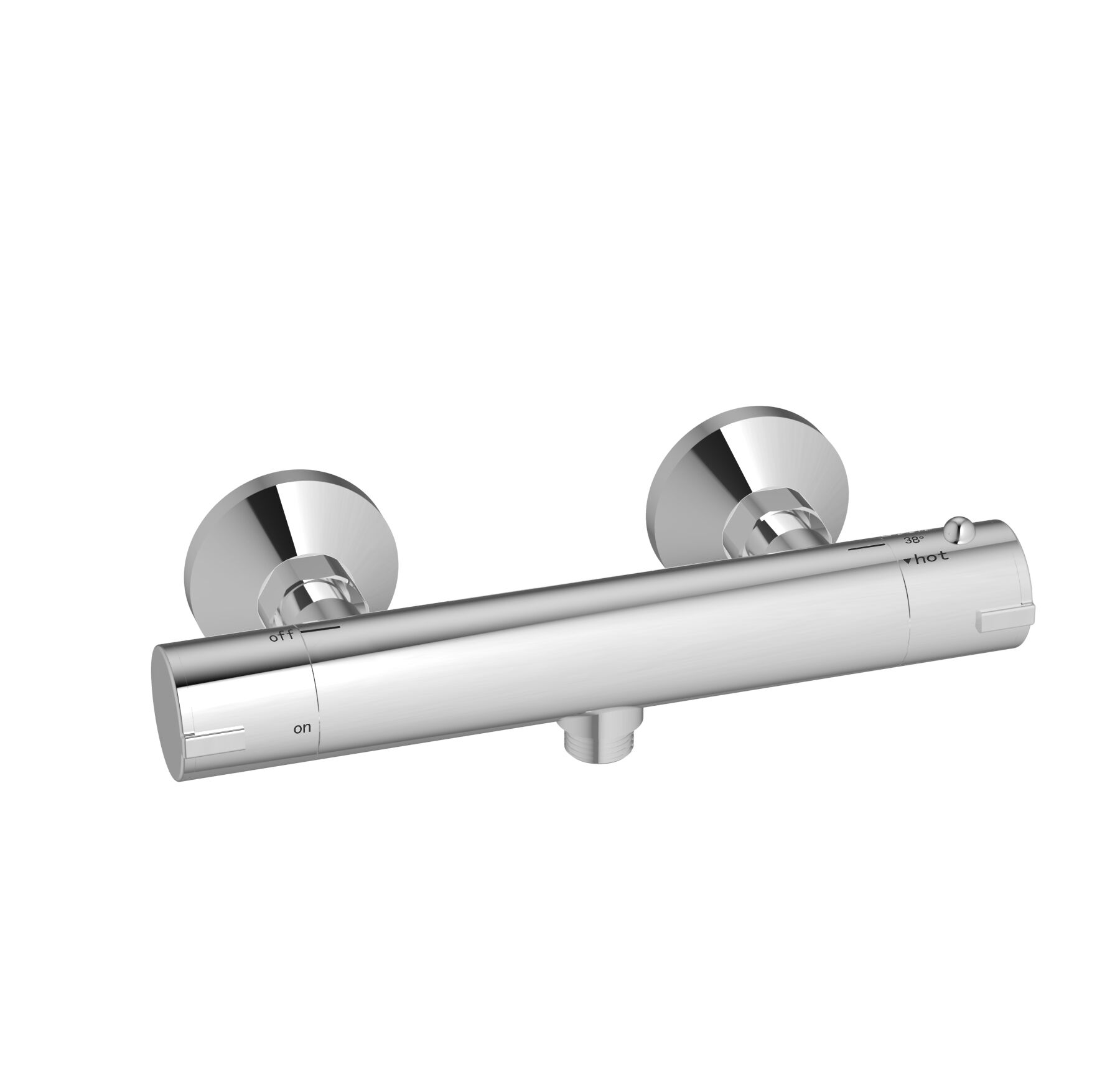
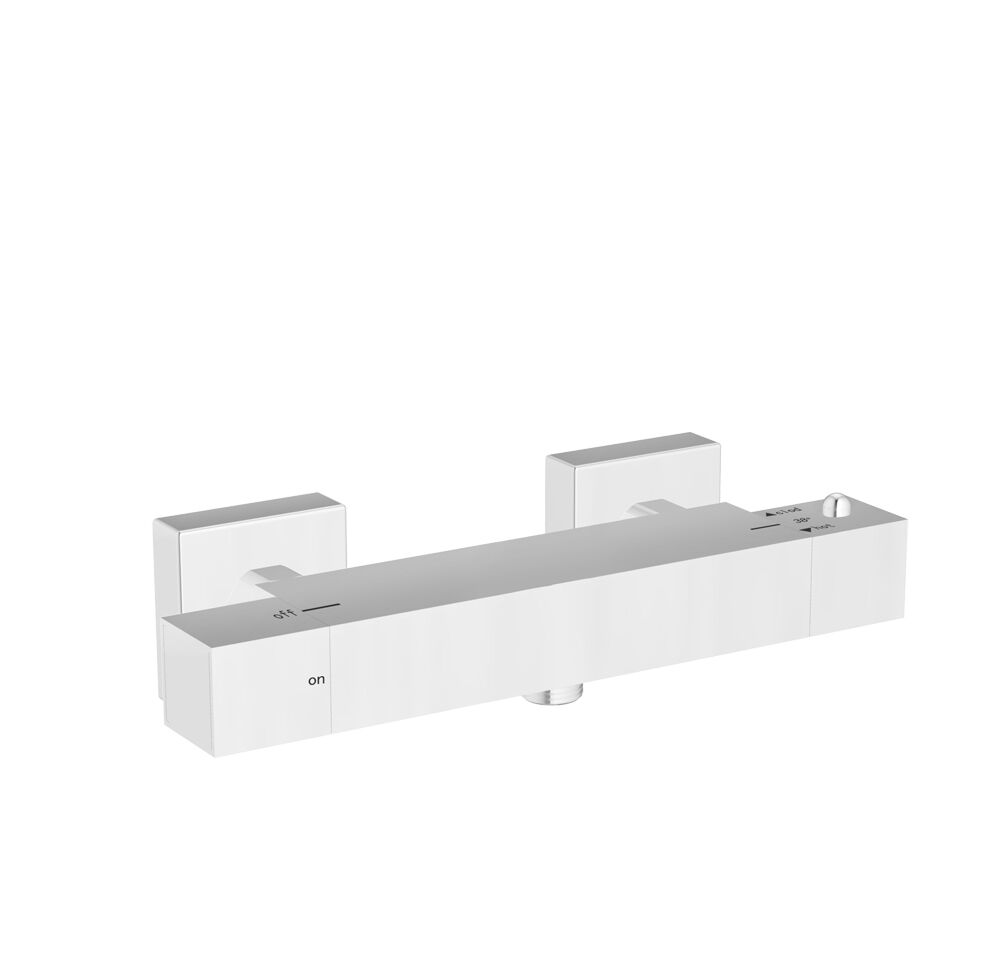
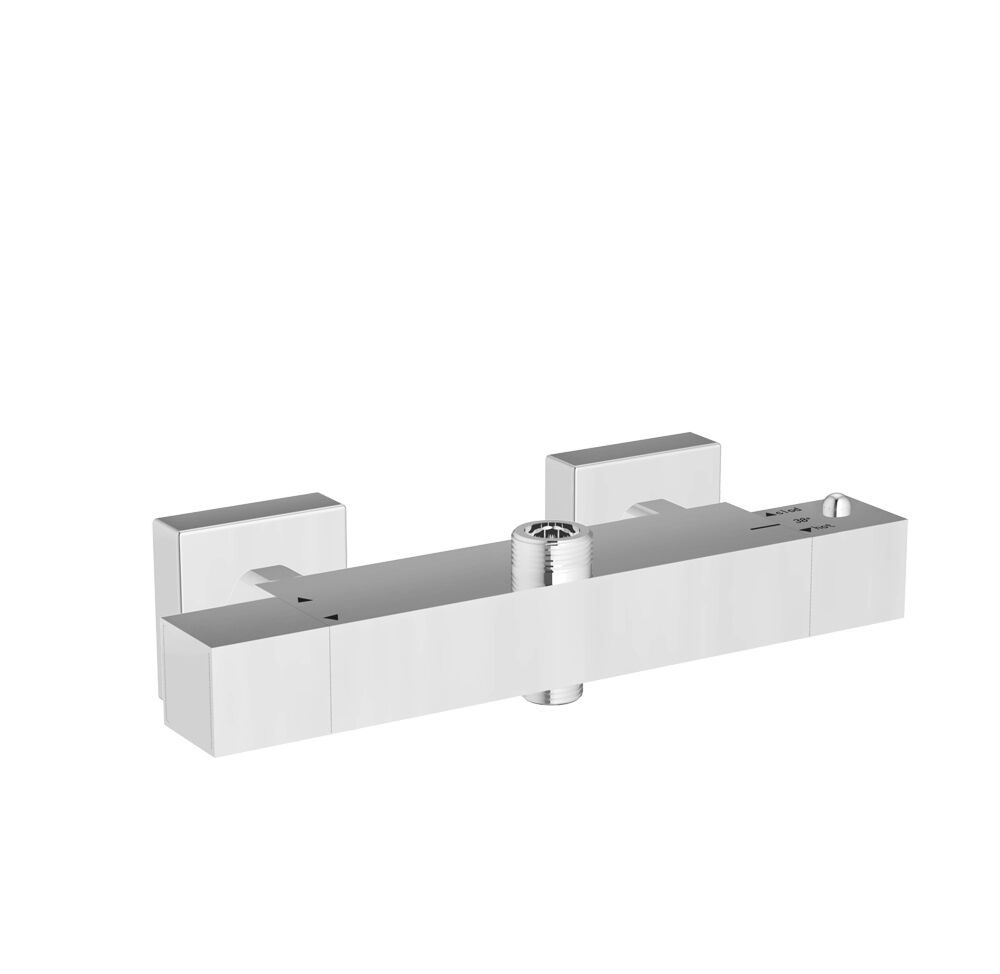
Advanced Thermostatic Control Systems - Energy Efficient Temperature Regulation Solutions

Get a Quote

Our representative will contact you soon.
Email
Name
Company Name
Message
0/1000

thermostatic control

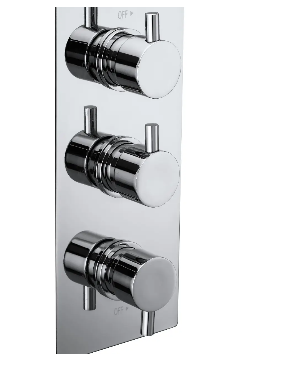
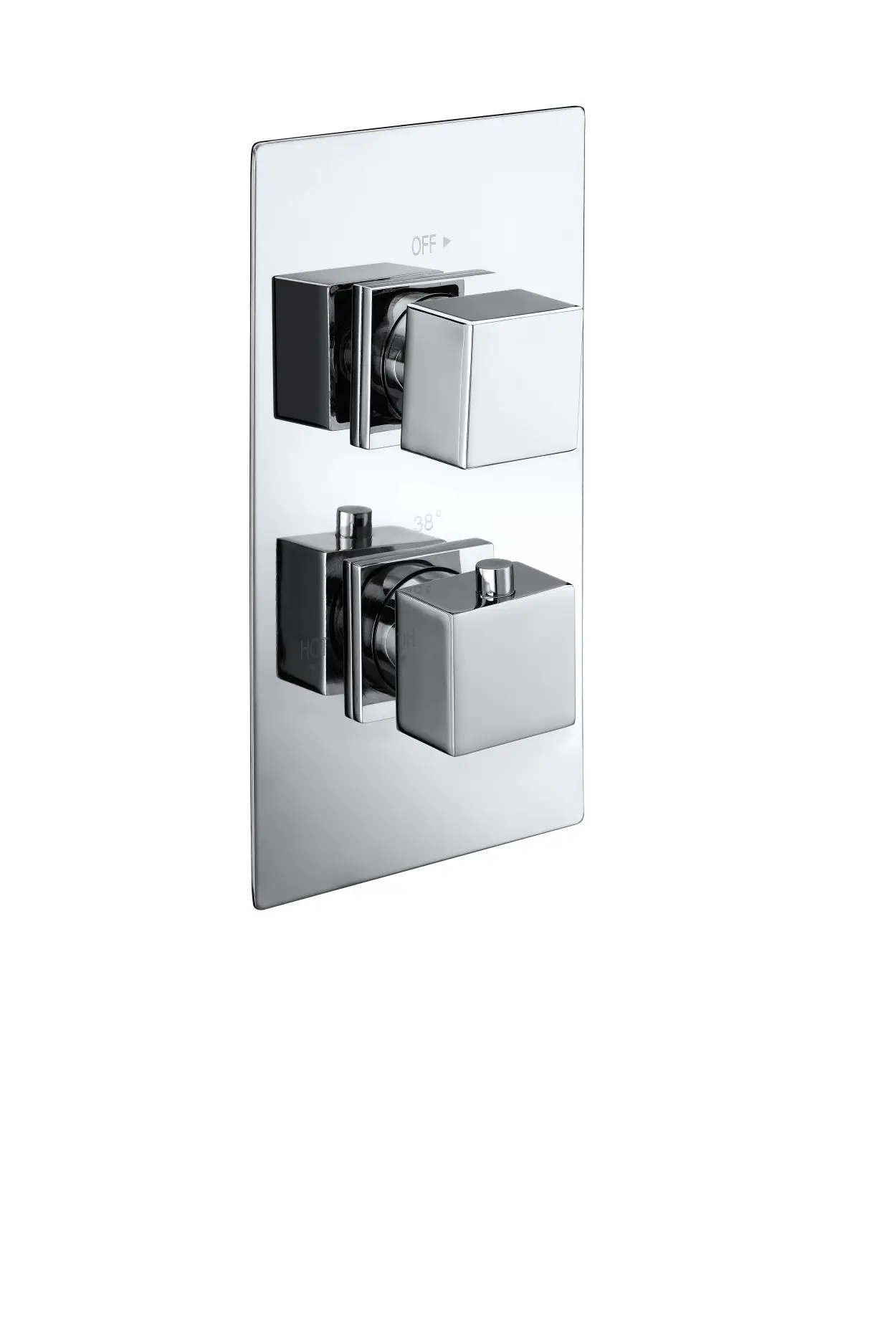
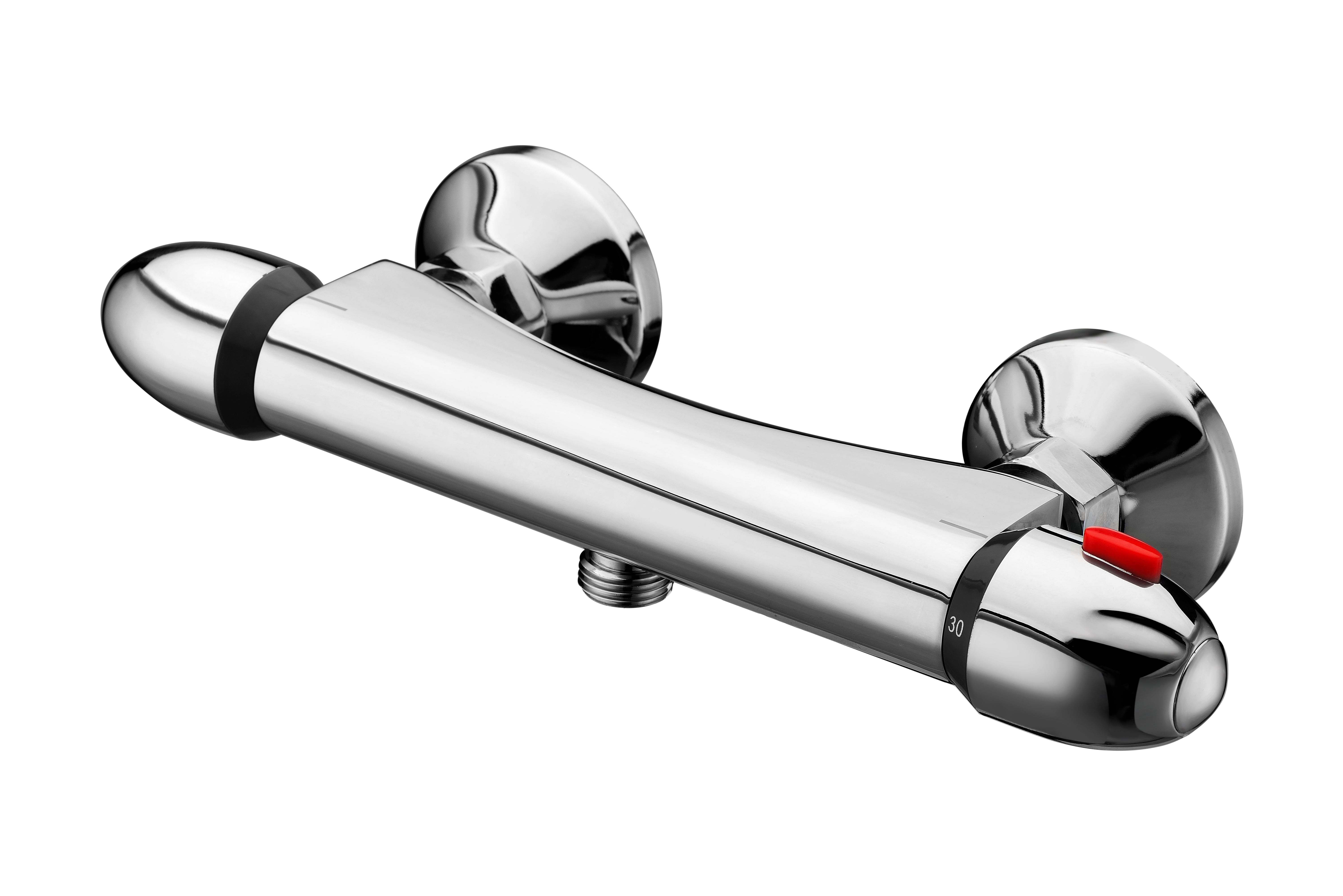
Thermostatic control represents a fundamental technology in modern temperature regulation systems, serving as the cornerstone of efficient climate management across residential, commercial, and industrial applications. This sophisticated control mechanism operates by continuously monitoring ambient temperature conditions and automatically adjusting heating or cooling systems to maintain predetermined temperature settings with exceptional precision. The thermostatic control system integrates advanced sensor technology with intelligent processing units to deliver seamless temperature management that responds instantly to environmental changes. At its core, the thermostatic control utilizes highly sensitive temperature sensors that detect even minute fluctuations in ambient conditions, transmitting this data to a central processing unit that evaluates current conditions against programmed parameters. The system's main functions encompass automatic temperature detection, real-time adjustment of HVAC equipment, energy consumption optimization, and user-friendly interface management. Technological features include digital display screens, programmable scheduling capabilities, wireless connectivity options, and smart home integration compatibility. The thermostatic control employs sophisticated algorithms that learn usage patterns and environmental factors to optimize performance while minimizing energy waste. Applications span across diverse sectors including residential homes, office buildings, manufacturing facilities, hospitals, schools, and retail establishments where precise temperature control is essential for comfort, productivity, and operational efficiency. Modern thermostatic control systems incorporate advanced features such as zone-based temperature management, remote monitoring capabilities, and predictive maintenance alerts that enhance overall system reliability. The integration of IoT technology allows thermostatic control units to communicate with other building management systems, creating comprehensive climate control networks that adapt to occupancy patterns and external weather conditions for optimal performance.

New Products

The thermostatic control delivers remarkable energy efficiency benefits that directly translate to substantial cost savings for property owners and facility managers. By precisely regulating temperature settings and eliminating unnecessary heating or cooling cycles, these systems can reduce energy consumption by up to thirty percent compared to manual temperature management methods. The automatic adjustment feature ensures that energy is never wasted on excessive heating or cooling, as the thermostatic control continuously monitors conditions and makes micro-adjustments to maintain optimal comfort levels. Users experience enhanced comfort through consistent temperature maintenance that eliminates hot and cold spots throughout their spaces. The intelligent programming capabilities allow customization of temperature schedules that align with occupancy patterns, ensuring comfortable environments when spaces are occupied while conserving energy during vacant periods. Installation and operation of thermostatic control systems require minimal technical expertise, making them accessible to users of all technical backgrounds. The intuitive interface design enables quick programming and adjustment of settings without complicated procedures or extensive training requirements. Maintenance requirements are minimal due to robust construction and self-diagnostic features that alert users to potential issues before they become costly problems. The thermostatic control provides reliable performance over extended periods, reducing the need for frequent service calls and system replacements. Advanced models offer remote monitoring and control capabilities through smartphone applications, allowing users to adjust settings from anywhere and monitor system performance in real-time. The integration potential with existing HVAC infrastructure makes thermostatic control systems highly adaptable to various building configurations and equipment types. Safety features include temperature limit settings that prevent dangerous conditions and automatic shutoff functions that protect equipment from damage. The return on investment for thermostatic control installation is typically realized within the first year through reduced energy bills and improved system efficiency. Environmental benefits include reduced carbon footprint through optimized energy usage and extended equipment lifespan that minimizes waste generation. The scalability of thermostatic control systems allows for expansion and modification as building requirements change over time.

Latest News

Understanding Thermostatic Shower Valves: A Comprehensive Guide

26

Nov

Understanding Thermostatic Shower Valves: A Comprehensive Guide

Thermostatic shower valves bring precision and safety to your daily shower experience. These innovative devices mix hot and cold water to maintain a steady temperature, even when other fixtures in your home are in use. You no longer need to worry abo...
View More
The Tap Truth: What You Need to Know About Kitchen Taps

26

Nov

The Tap Truth: What You Need to Know About Kitchen Taps

The Tap Truth: What You Need to Know About Kitchen Taps Kitchen taps play a critical role in modern kitchens, providing both functionality and style. They are one of the most frequently used fixtures, handling everything from washing dishes to fillin...
View More
Thermostatic Shower Valves: A Luxury Upgrade for Your Bathroom

26

Nov

Thermostatic Shower Valves: A Luxury Upgrade for Your Bathroom

Thermostatic shower valves elevate your bathroom experience by maintaining a steady water temperature. You no longer need to worry about sudden temperature changes. These valves also enhance safety by preventing scalding. Their sleek designs add a mo...
View More
Can a customized shower valve improve water pressure in luxury apartments?

02

Mar

Can a customized shower valve improve water pressure in luxury apartments?

Water pressure issues in luxury apartments can significantly impact the showering experience, leaving residents frustrated despite paying premium prices for high-end accommodations. A customized shower valve offers a sophisticated solution that addre...
View More

Get a Quote

Our representative will contact you soon.
Email
Name
Company Name
Message
0/1000

thermostatic control

Advanced Energy Optimization Technology

Advanced Energy Optimization Technology

The thermostatic control incorporates cutting-edge energy optimization technology that revolutionizes how buildings manage their heating and cooling requirements, delivering unprecedented efficiency gains that benefit both environmental sustainability and operational budgets. This sophisticated system employs intelligent algorithms that continuously analyze temperature patterns, occupancy data, and external weather conditions to create dynamic adjustment strategies that minimize energy waste while maximizing comfort levels. The advanced sensor array within the thermostatic control detects temperature variations as small as one-tenth of a degree, enabling micro-adjustments that prevent energy-consuming temperature swings and maintain stable climate conditions. The system's learning capabilities allow it to recognize usage patterns over time, automatically adjusting schedules and temperature settings to anticipate occupancy changes and seasonal variations. This predictive approach ensures that spaces are pre-conditioned to optimal temperatures before occupancy periods begin, eliminating the energy waste associated with rapid temperature changes during peak demand times. The thermostatic control's energy optimization extends beyond basic temperature regulation to include intelligent load balancing that coordinates with utility grid demand patterns, potentially qualifying users for energy rebate programs and time-of-use rate savings. The system monitors equipment performance continuously, identifying efficiency degradation before it becomes noticeable to occupants and alerting maintenance personnel to potential issues that could increase energy consumption. Advanced models incorporate weather forecasting data to pre-adjust settings based on anticipated outdoor temperature changes, reducing the workload on HVAC systems during extreme weather conditions. The energy optimization technology also includes adaptive control strategies that modify operational parameters based on building thermal characteristics, ensuring that each installation delivers maximum efficiency regardless of construction type or age. Integration with renewable energy sources allows the thermostatic control to prioritize clean energy usage when available, further reducing environmental impact and operational costs while maintaining consistent comfort levels.
Intelligent User-Centric Design

Intelligent User-Centric Design

The thermostatic control features an intelligent user-centric design philosophy that prioritizes ease of use, accessibility, and customization to meet diverse user needs and preferences across all demographic groups and technical skill levels. The intuitive interface design incorporates large, clear displays with high-contrast text and symbols that remain easily readable in various lighting conditions, ensuring that users can quickly access and modify settings without confusion or frustration. The menu structure follows logical hierarchies that guide users through programming processes step-by-step, with helpful prompts and confirmation messages that prevent accidental changes and provide confidence in system operation. Voice control integration allows hands-free operation for users with mobility limitations or those who prefer voice commands for convenience, while touch-sensitive controls respond accurately to light contact for effortless navigation. The thermostatic control includes multiple language options and customizable display preferences that accommodate diverse user populations and accessibility requirements. Programming flexibility allows users to create multiple daily schedules, weekly patterns, and seasonal adjustments that align with their specific lifestyle or business operational requirements. The system remembers user preferences and automatically applies them across similar time periods, reducing the need for repetitive programming while maintaining personalized comfort settings. Advanced learning algorithms observe user adjustment patterns and suggest optimization strategies that balance comfort preferences with energy efficiency goals, providing recommendations rather than automatic changes that respect user autonomy. The mobile application connectivity enables remote monitoring and control from smartphones or tablets, allowing users to adjust settings while away from the property and receive notifications about system status or required maintenance. Guest access features provide temporary control capabilities for visitors or tenants without compromising security or permanent settings. The thermostatic control includes comprehensive help resources, including on-screen tutorials, troubleshooting guides, and customer support contact information that ensure users can resolve issues quickly and maintain optimal system performance throughout the equipment lifecycle.
Superior Reliability and Durability Engineering

Superior Reliability and Durability Engineering

The thermostatic control demonstrates superior reliability and durability through advanced engineering practices that ensure consistent performance under diverse environmental conditions and extended operational periods, providing users with dependable temperature control that minimizes maintenance requirements and maximizes return on investment. The robust construction utilizes high-grade materials selected for their resistance to temperature extremes, humidity variations, and electrical interference that could compromise system accuracy or longevity. The electronic components undergo rigorous testing protocols that simulate years of operational stress, ensuring that critical functions remain stable and accurate throughout the expected service life. The thermostatic control incorporates redundant safety systems that prevent single-point failures from compromising overall operation, including backup power management, emergency override capabilities, and automatic fault recovery procedures that restore normal operation without user intervention. The advanced diagnostic capabilities continuously monitor system health, tracking performance metrics and component status to identify potential issues before they affect operation or user comfort. Predictive maintenance alerts notify users of upcoming service requirements based on actual usage patterns and component wear rates, allowing proactive maintenance scheduling that prevents unexpected failures and extends equipment life. The thermostatic control design includes protection against power surges, electromagnetic interference, and environmental contaminants that could damage sensitive electronics or affect measurement accuracy. The calibration stability ensures that temperature readings remain accurate over extended periods without requiring frequent recalibration, maintaining precise control and user confidence in system performance. Quality assurance processes include factory testing of every unit before shipment, comprehensive quality control inspections, and long-term reliability monitoring that provides continuous feedback for product improvement initiatives. The warranty coverage reflects manufacturer confidence in product reliability, providing comprehensive protection against defects and performance issues that gives users peace of mind regarding their investment. The modular design approach allows for individual component replacement without complete system replacement, reducing maintenance costs and minimizing downtime during service procedures. Environmental sustainability considerations include recyclable materials, energy-efficient operation, and design for disassembly that supports responsible end-of-life disposal and component recovery practices.

Get a Quote

Our representative will contact you soon.
Email
Name
Company Name
Message
0/1000