 EN
EN

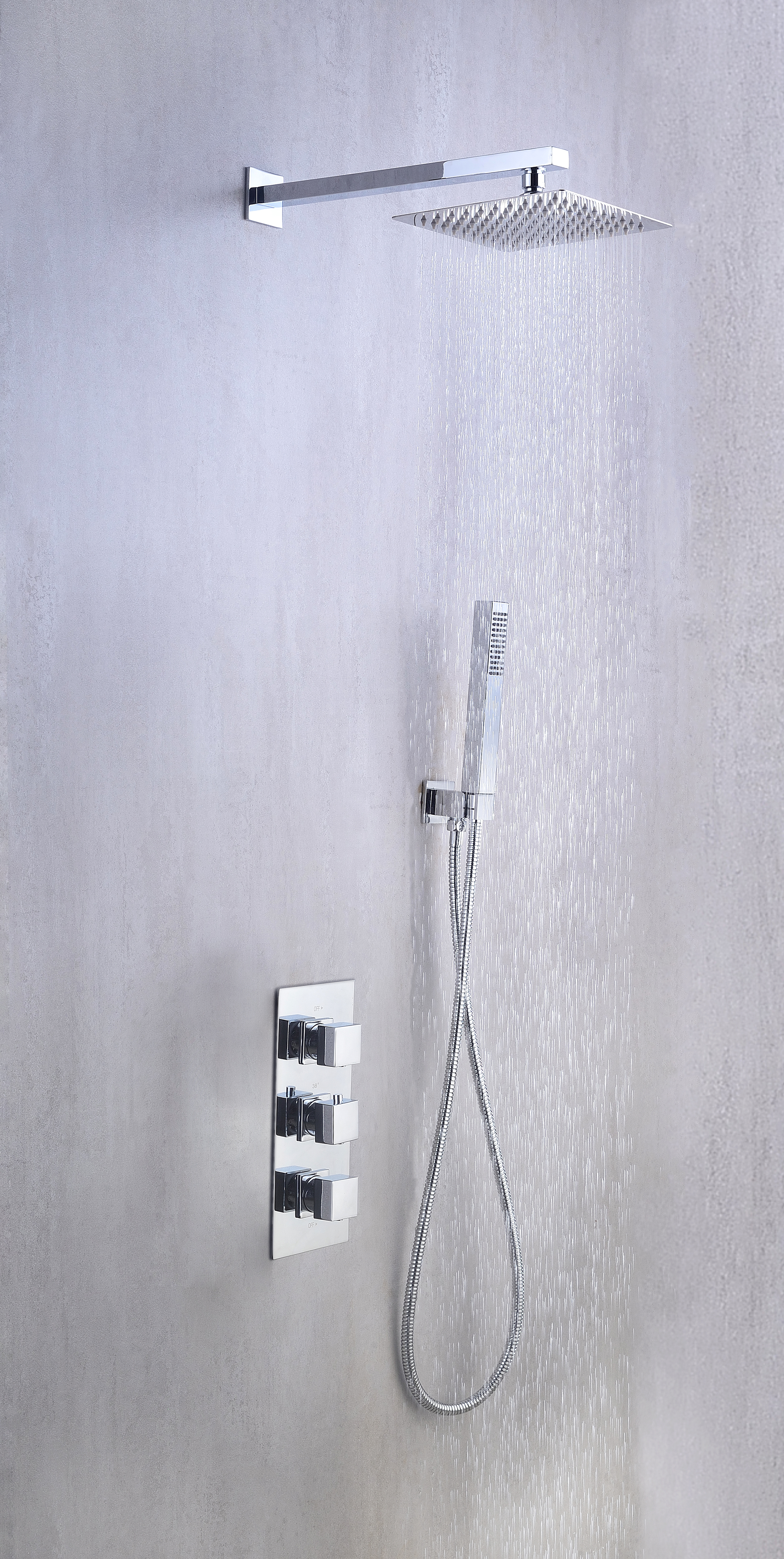
Многofункционални душови комплекта представляват значително инвестиране в удобството на банята и ежедневното благополучие. Тези изтънчени арматури комбинират множество типове струи, контрол на температурата и напреднали системи за подаване на вода в един интегриран блок. За да гарантирате, че вашите многofункционални душови комплекта осигуряват надеждна работа година след година, правилното поддържане е от съществено значение. Разбирането как да поддържате многofункционални душови комплекта предотвратява скъпи ремонти, удължава живота на оборудването и запазва люксозния опит, който тези системи предлагат. Независимо дали притежавате жилищна баня или управлявате търговски обекти, научаването как да поддържате многofункционални душови комплекта гарантира постоянен воден натиск, стабилност на температурата и функционалност на типовете струи. 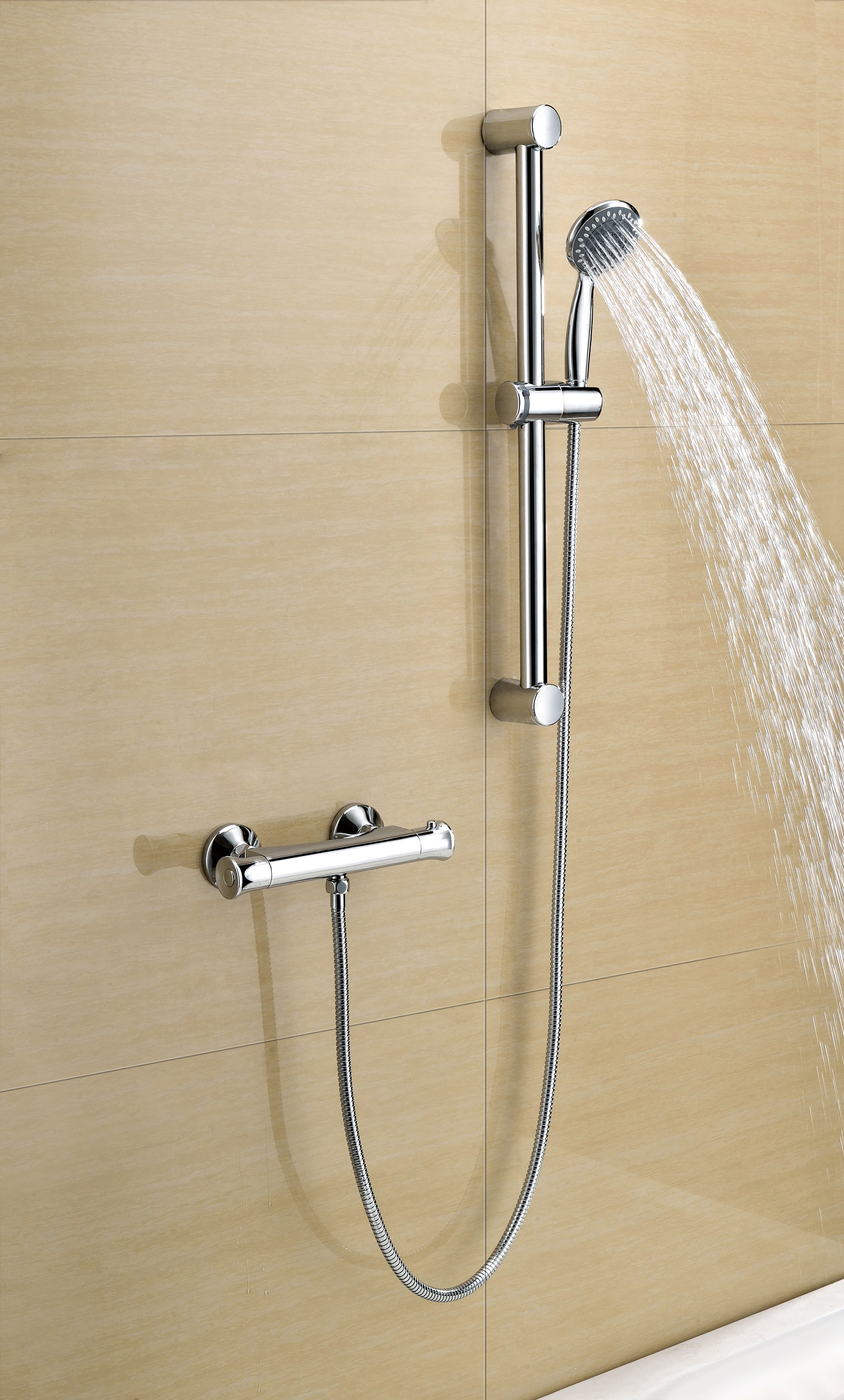
Сложността на душовите комплекти с множество функции изисква системен подход към поддръжката им. Тези устройства включват смесителни клапани, разклонители, душови глави с множество отвори и често термостатични регулатори, които автоматично регулират температурата на водата. Редовната поддръжка предотвратява натрупването на минерали, корозията, деградацията на уплътненията и механичното износване. Когато поддържате правилно душовите комплекти с множество функции, намалявате броя на аварийните сервизни обаждания, избягвате загуба на вода поради течове и запазвате първоначалните експлоатационни характеристики. Това изчерпателно ръководство представя практически стратегии за поддръжка, които собствениците на жилища и мениджърите на сгради могат да приложат незабавно, за да осигурят висока ефективност на своите душови комплекти с множество функции.
Разбиране на компонентите на вашия душов комплект с множество функции
Основни механични елементи
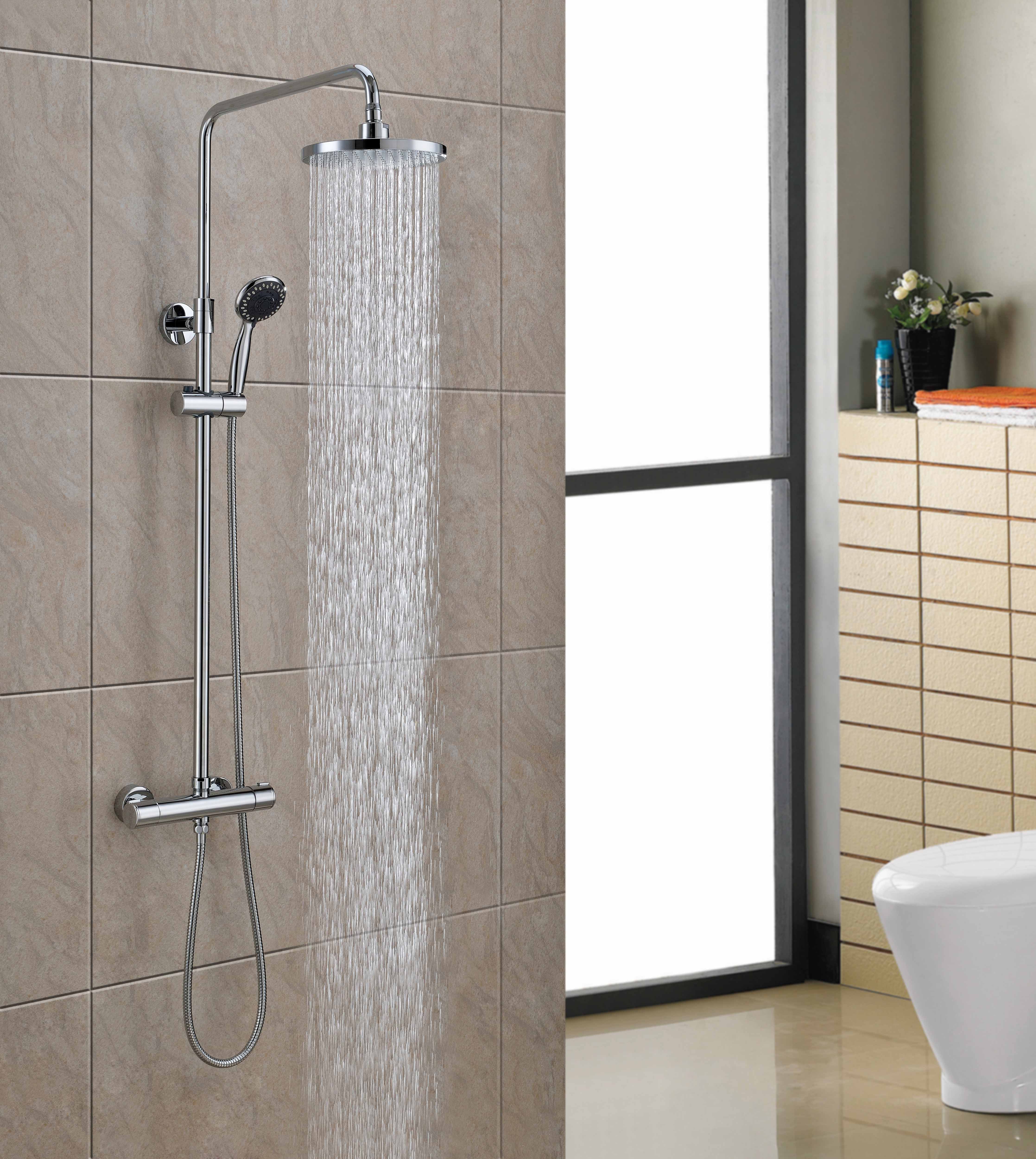
Мултифункционалните душ-комплекти съдържат няколко взаимосвързани механични системи, които работят заедно безупречно. Термостатичният картридж поддържа точна температура на водата и предпазва потребителите от внезапни термични шокове. Диверторната кран-бутонка насочва водата между основния душ-глава и телесните струи и изисква гладко функциониране за надеждна работа. Механизмите за балансиране на налягането осигуряват постоянен поток, когато други домакински арматури използват вода едновременно. За да поддържате ефективно мултифункционалните душ-комплекти, трябва да разбирате как тези компоненти взаимодействат помежду си. Когато който и да е един елемент излезе от строя или се натрупа с минерали, производителността на цялата система намалява. Редовният инспекционен преглед на тези основни елементи е основата на профилактичното поддържане.
Влияние на качеството на водата върху производителността
Твърдата вода и водата, богата на минерали, представляват най-голямата заплаха за продължителността на живота на многопрофилните душови комплекта. Отлаганията от калций и магнезий се натрупват в изпускателните отвори, ограничителите и клапанните канали с течение на времето. Това натрупване намалява водния поток, причинява неравномерни струи и принуждава системата да работи по-интензивно, отколкото е проектирана. Разбирането на качеството на водата ви помага да поддържате многопрофилните душови комплекта предварително. В районите с високо съдържание на минерали е необходимо по-често почистване. Инсталирането на локални водомекачители или цялостни домакински системи значително намалява честотата на поддръжката. Специфичните характеристики на водата във вашата местност директно определят изискванията към вашия график за поддръжка.
Основни процедури за поддръжка на многопрофилните душови комплекта
Редовно почистване и премахване на натрупвания
Чистенето е най-критичният елемент, когато поддържате многofункционални душови комплекта . Месечно почистване на душовите глави премахва минералните отлагания, преди те да причинят повреди. Отвийте сменяемите разпръсквателни глави и ги потопете в разтвор от равни части бял оцет и вода за период от две до четири часа. Използвайте мека четка, за да извадите внимателно упоритите отлагания от отворите за разпръскване, без да повредите вътрешните компоненти. За интегрирани глави, които не могат да се отстраняват, създайте камера за навлажняване, като използвате торбичка или съд, пълен с оцетен разтвор. Дезкалцирането трябва да се извършва всяка три месеца в райони с твърда вода и всяка шест месеца в райони с по-мека вода. Никога не използвайте агресивни химически препарати за дезкалциране, тъй като те могат да корозират медни фитинги или да деградират гумените уплътнения при поддръжката на многофункционални душови комплекти.
Инспекция на уплътнения и прокладки
Гумени уплътнения и прокладки осигуряват водонепроницаеми връзки из цялата система. За поддържане на многопрофилните душови комплекти инспектирайте тези компоненти на всеки три месеца за видими пукнатини, овтвърдяване или изменение на цвета. Проверете връзките на разпределителния клапан за бавни течове, които показват неизправни уплътнения. Изследвайте корпуса на термостатичния картридж за каквито и да е следи от изтичаща вода около основния корпус. Когато уплътненията се износват, водата прониква в стените, причинявайки структурни повреди и образуване на плесен. Силиконовите смазки могат временно да възстановят еластичността на уплътненията, но за постоянни решения са необходими нови картриджи или комплект уплътнения. Разбирането на местоположението и функцията на всяко уплътнение ви помага да поддържате многопрофилните душови комплекти, преди малките течове да се превърнат в сериозни проблеми.
Мониторинг на температурата и налягането
Промените в последователността на температурата на водата или в налягането на потока сочат необходимост от поддръжка. При поддръжката на многофункционални душ-комплекти следете колко време е необходимо на системата, за да достигне желаната температура. Увеличаването на времето за задействане сочи натрупване на минерали в термостатичните патрони. Изведнъж настъпилото намаляване на налягането може да означава запушване на входния филтър или заклиниване на разпределителния клапан. Тествайте налягането при различните настройки за струя всяка седмица, за да установите базови показатели. Документирайте незабавно всички отклонения от нормалната работа. Ранното откриване на тези проблеми ви позволява да поддържате многофункционалните душ-комплекти преди да настъпят катастрофални повреди. Повечето нередности в температурата и налягането могат да бъдат отстранени чрез почистване, а не чрез замяна на компоненти.
Превантивни стратегии за поддръжка за дългосрочна издръжливост
Обработка на водата и защита на системата
Инсталирането на оборудване за пречистване на вода е, вероятно, най-ефективният начин за дългосрочно поддържане на многопрофилните душови комплекти. Мястото за мека вода за цялата къща елиминира минералното съдържание, което предизвиква повечето проблеми с поддръжката. Въгленовите филтри отстраняват хлора и други химически агенти, които разрушават гумените компоненти. Филтрите за утайка предпазват вътрешните канали от натрупване на фини частици. Когато поддържате многопрофилните душови комплекти с пречистена вода, честотата на почистване намалява значително. Първоначалните инвестиции в системи за пречистване на вода се възмездяват чрез намалени разходи за поддръжка и удължен живот на компонентите. Много производители препоръчват мека вода за райони с твърдост над 80 части на милион. Правилното пречистване на водата превръща поддръжката от реактивно решаване на проблеми в проста рутинна поддръжка.
Оперативни най-добри практики
Начинът, по който използвате душовата си система, директно влияе върху изискванията за поддръжка. Избягвайте оставянето на вода в душовите глави, тъй като застоялата вода насърчава растежа на бактерии и концентрацията на минерали. Изключвайте водата от входните клапани по време на продължителни периоди без употреба, за да предотвратите постоянното налягане върху уплътненията. Редовно използвайте всички функции за разпределяне на водата, за да поддържате вътрешните канали чисти и механизмите смазани. Екстремните температурни настройки ненужно изпитват термостатичните картриджи, затова поддържайте умерени режими на употреба. Когато поддържате многофункционалните душови комплекта чрез внимателна експлоатация, намалявате натоварването върху механичните компоненти. Тези прости навици не струват нищо, но осигуряват значителни предимства за продължителността на експлоатацията през годините.
Профессионални интервали за поддръжка
Професионалната инспекция на всеки две години гарантира, че вашите многofункционални душови комплекти остават в оптимално състояние. Сертифицирани техници могат да идентифицират възникващи проблеми, които са невидими при рутинно наблюдение. Те разполагат със специализирани инструменти за почистване на вътрешните канали без увреждане при демонтаж. Професионалното обслужване включва замяна на картриджите, подновяване на уплътненията и пълно измиване на системата. Годишното професионално поддръжка става задължителна в райони с изключително твърда вода или в търговски обекти с интензивно използване. За ефективно поддържане на многofункционалните душови комплекти професионалната поддръжка допълва вашите лични усилия за поддръжка. Създаването на връзка с квалифицирани доставчици на услуги осигурява бърз отговор при възникване на сериозни проблеми.
Често задавани въпроси
Колко често трябва да почиствам многofункционалния си душов комплект?
Месечно почистване на разпръсквателните глави поддържа отлаганията на минимум и предотвратява намаляване на потока. В райони с твърда вода с над 100 части на милион минерални вещества увеличете честотата на почистване на всеки две седмици. Декалцирането на вътрешните компоненти трябва да се извършва на всеки три до шест месеца, в зависимост от качеството на водата. Ако забележите намаляно налягане или неравномерни разпръсквателни модели преди планираната дата за поддръжка, почистете веднага. Ранното намесване предотвратява влошаването на проблемите до по-сериозни стадии. Повечето потребители установяват, че месечното потапяне на разпръсквателните глави е достатъчно, когато се комбинира с тримесечно изплакване на картриджите.
Какво трябва да използвам за безопасно почистване на минералните отлагания?
Белият оцет е най-безопасният и най-ефективен препарат за почистване при минерални отлагания многofункционални душови комплекта - Не, не, не. Смесвайте равни части оцет и вода, за да се накисне безопасно, без да се повредят уплътненията или довършването. За твърдите отлагания, позволете по-дълго време на накисване, вместо да използвате по-силни химикали. Избягвайте абразивни пречистватели, които драскат покритията и излагат подложените метали на корозия. Продажбите на продукти за обезчистване на люспите, предназначени за кухненски арматури, могат да повредят компонентите на душ. Природните методи за почистване запазват целостта на компонентите, като същевременно ефективно премахват натрупването на минерали. След обработката с оцет винаги добре изплакнете с чиста вода, за да премахнете киселинните остатъци.
Кога трябва да заменя вътрешните картриджи в моя душов комплект?
Заменете термостатичните патрони, когато възникнат температурни колебания, въпреки опитите за почистване, или когато се образуват видими минерални отлагания в корпуса. Повечето качествени патрони функционират надеждно в продължение на седем до десет години при правилно поддържане. По-ранна замяна е необходима при екстремни водни условия или в търговски среди с непрекъснато използване. Ако забележите капене на вода от душ-главата, когато тя е изключена, това означава повреда на вътрешните уплътнения и изисква замяна. Профилактичната замяна на патрона всеки осем години предотвратява неочаквани повреди по време на употреба. Професионална инспекция помага да се установи дали конкретният ви патрон изисква замяна, въз основа на състоянието му и историята на производителността.