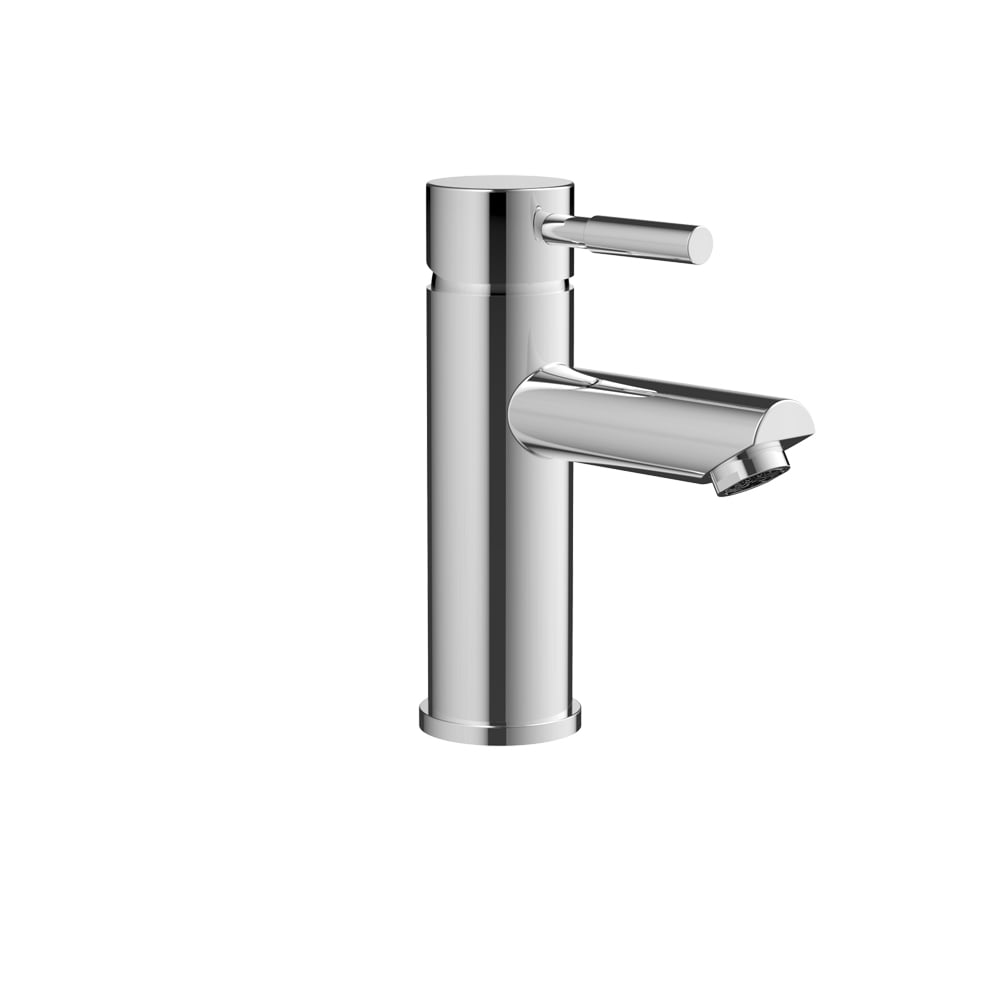
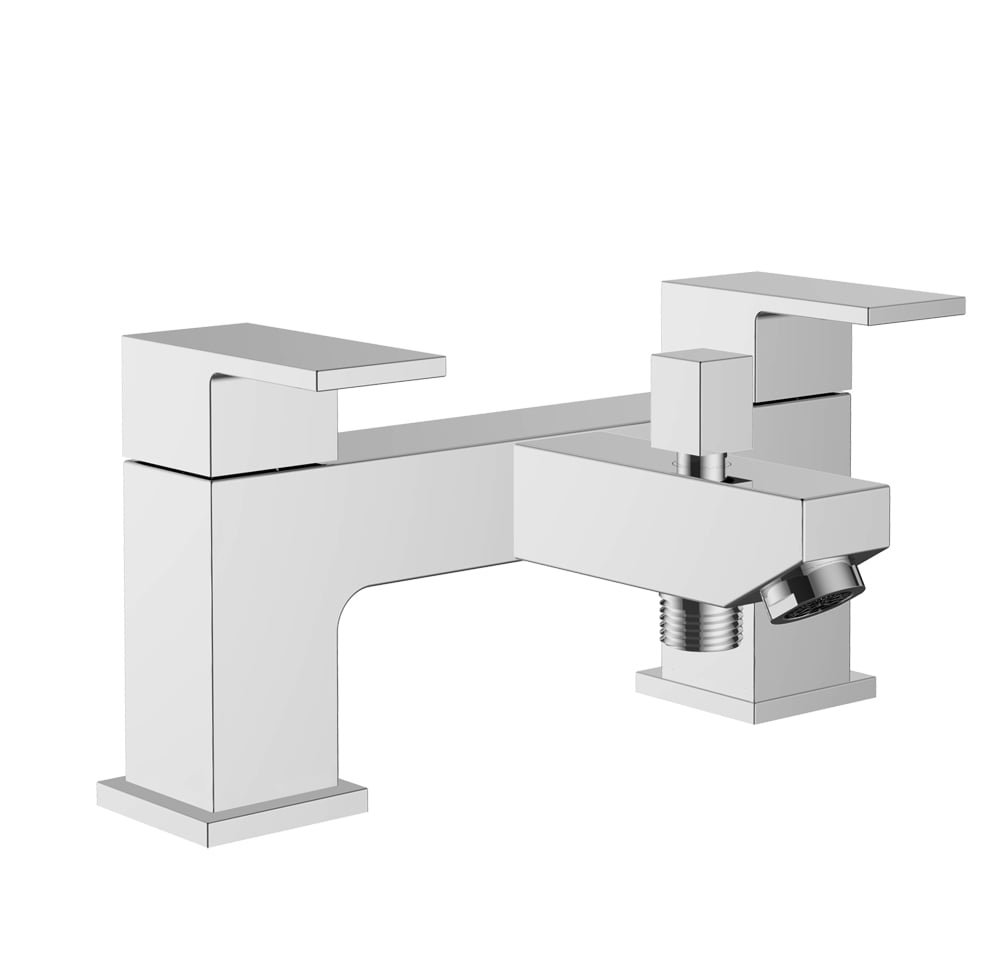
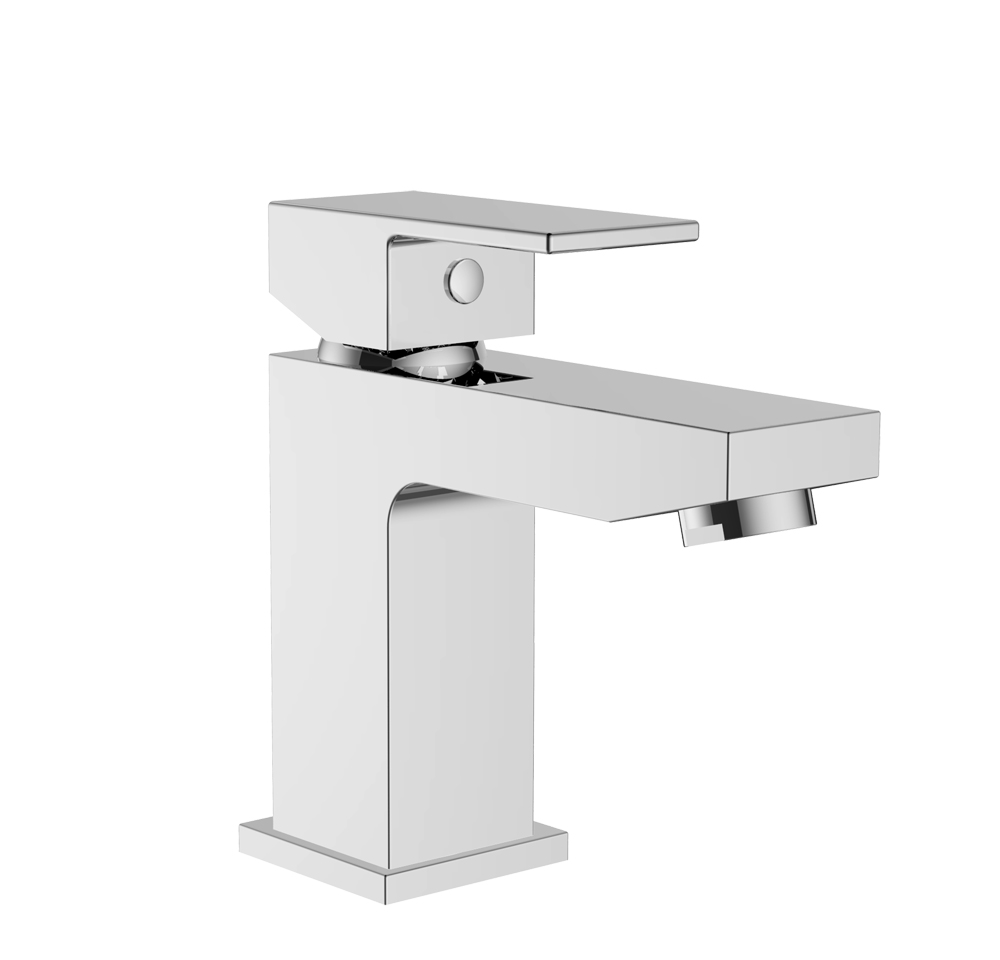
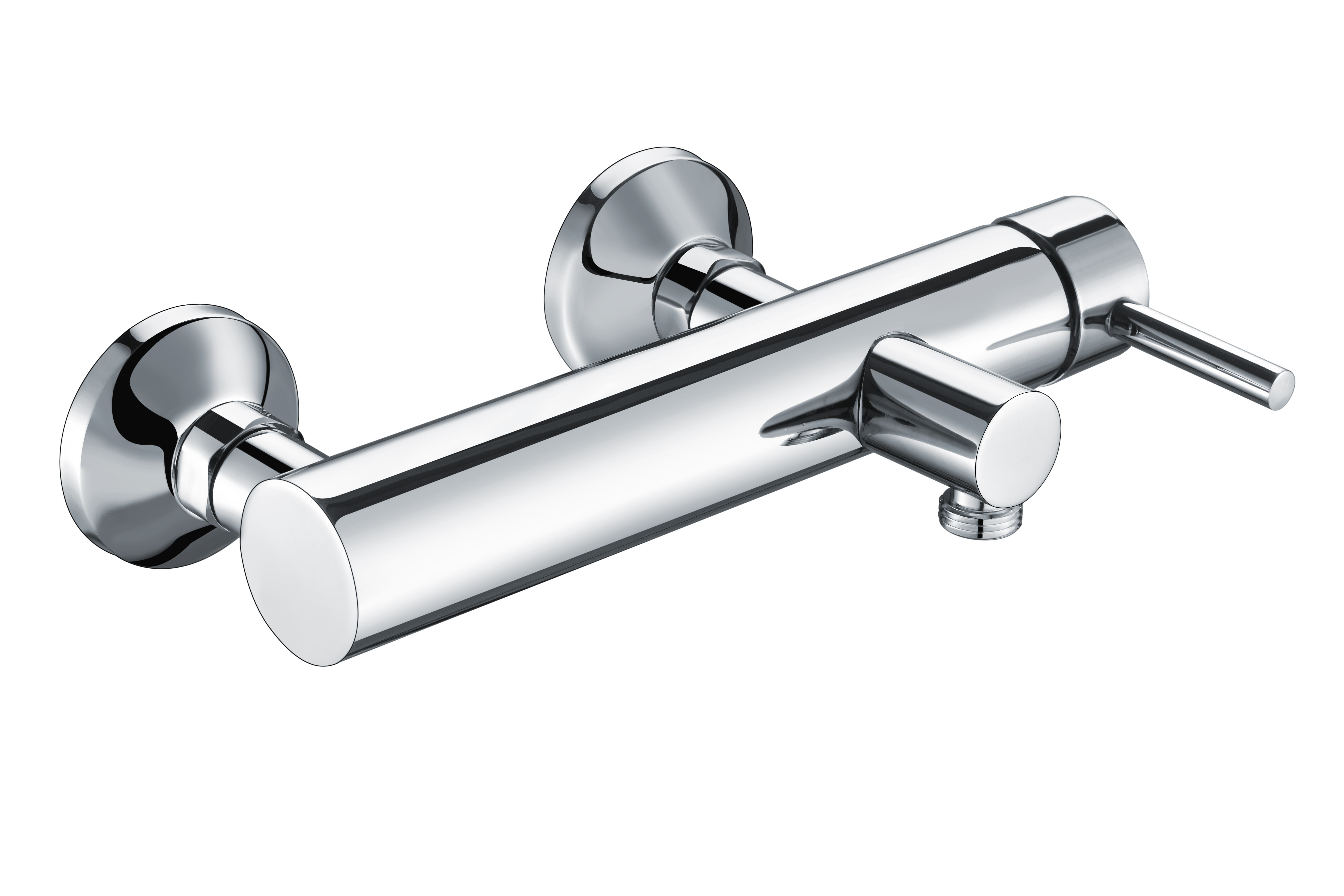
Basins that look immaculate on handover have a habit of draining sluggishly a year later. When a buyer sends us a complaint video, the tap is nearly always working perfectly. The waste is the problem — or, more precisely, the mismatch between the waste, the basin's overflow and the way the two were installed together.
A basin mixer and a basin waste are usually bought as separate line items, specified by different people, and fitted by someone who never saw the basin's drilling drawing. That gap produces standing water, gurgling, overflow staining and the slow drainage that lands on a distributor's warranty desk. Here is how the three waste families we supply alongside our brass basin mixers — T749002, T713002, T8802, T7502 and T7102 — should be matched, and how to diagnose a slow drain without dismantling the trap first.
The mechanics differ more than the marketing suggests, and each one carries its own failure mode.
Waste type |
Operation |
Best matched to |
Typical failure |
Pop-up, rod-operated |
Lever behind the spout lifts the plug through a horizontal rod and ball joint |
Basins with an overflow; classic two- and three-hole decks |
Rod knocked out of alignment, plug hangs open |
Click-clack (push) |
Press to close, press again to open; spring cartridge in the tail |
Most OEM ranges, with or without overflow |
Cartridge scaled up, plug will not latch |
Free-flow |
Permanently open slotted or grid strainer |
Basins with no overflow; cloakroom, commercial, hospitality |
Hair and soap capture, no way to hold water |
Free-flow is not a cheap pop-up. It is a different product with a different purpose: it cannot be closed, so it suits basins where nobody will ever want a filled bowl. Specifying it on a hotel vanity for fast drainage, then fielding complaints that guests cannot shave, is a familiar mistake.
An overflow is a channel cast into the basin body that lets water escape below the rim. It only works if the waste has a corresponding inlet. Fit a slotted waste into a basin with no overflow channel and water migrates behind the glaze line; fit a solid waste into a basin that has an overflow and the bowl will never drain below the overflow inlet, because the trapped air has nowhere to go.
Before quoting, confirm three things on the basin drawing: whether an overflow exists, its inlet height, and the waste hole diameter. A 45 mm hole is standard for a 1¼" waste in most European basins, but we still see 40 mm and 50 mm variants in project specifications, and a reducer ring is not a substitute for getting it right at the ceramic stage. EN 274, the European standard for waste outlets, is the reference most EU buyers cite for dimensions and flow performance, and quoting it by name carries more weight in a technical submittal than "standard waste".
Rod-operated pop-ups feel more engineered and are preferred in the UK and much of Western Europe, where the lever behind the spout is a familiar gesture. They demand space: the rod passes diagonally from the mixer body to the waste tail, so a deep basin or a thick countertop can push the linkage out of reach. On our T730022 wall-mounted basin mixer the waste is operated independently, which removes the linkage problem entirely and is one reason wall-mounted configurations are popular in compact bathrooms.
Click-clack wastes are simpler to install and easier to replace, which matters in hospitality where maintenance staff turnover is high. The trade-off is the cartridge: in hard water it scales, the spring loses travel, and the plug stops latching. Silicone grease on assembly and a note in the maintenance schedule solves most of it.
If the mixer ships as an OEM set with a pull rod, treat rod length and lever hole position as part of the drawing, not an afterthought. A rod 15 mm short will not reach the ball joint, and no site adjustment fixes it.
The waste seals at two points — under the basin (a cone or flat washer against the ceramic) and inside the tail (a plug seat). Overtightening the back nut distorts a flat washer and creates a slow seep that reads as condensation. A conical silicone washer seated dry, hand-tight plus a quarter turn, outperforms a heavily compressed rubber one every time. On the plug side, a seat that is not concentric with the tail bore narrows the waterway; the drain is then slow from day one and no chemical cleaner will help.
Work through this in order. Most cases resolve at step three.
Note that a basin mixer's flow rate is governed separately, under EN 817 for mechanical mixing valves and EN 246 for the aerator or flow regulator. A 5 l/min aerator on a 32 mm trap is not the reason a bowl empties slowly, so resist the urge to swap the mixer before the waste has been checked.
For the UK, WRAS approval is the practical benchmark distributors ask for, and it covers the wetted materials of both mixer and waste. For the US and Canada, brass in contact with drinking water falls under NSF/ANSI 61 and the lead-content requirements of NSF/ANSI 372, so a lead-free grade is specified at the alloy stage, not plated on afterwards. For the EU, EN 274 for wastes and EN 817 for mixers gives a clean, citable pair for technical files.
Get the waste right at the sample stage and the installation complaints largely disappear. Get it wrong and no amount of polishing on the mixer will save the project.
---
About the website
Zhejiang Xindong Sanitary Ware Co., Ltd. is an OEM/ODM manufacturer of brass basin mixers, wall-mounted mixers and kitchen mixer taps, based in Yuhuan, Zhejiang, China. Product enquiries: [email protected] | +86-0576-87499008.
 Hot News
2026-11-02
2026-10-29
2026-10-28
2026-10-27
2026-10-26
2026-10-25

The company, founded in 1999 and located in Yuhuan,specializes in taps, thermostatic shower valves and shower kits. With over 30,000 sqm of space and 380+ employees, we hold numerous certifications and 65+ patents.
 EN