 EN
EN

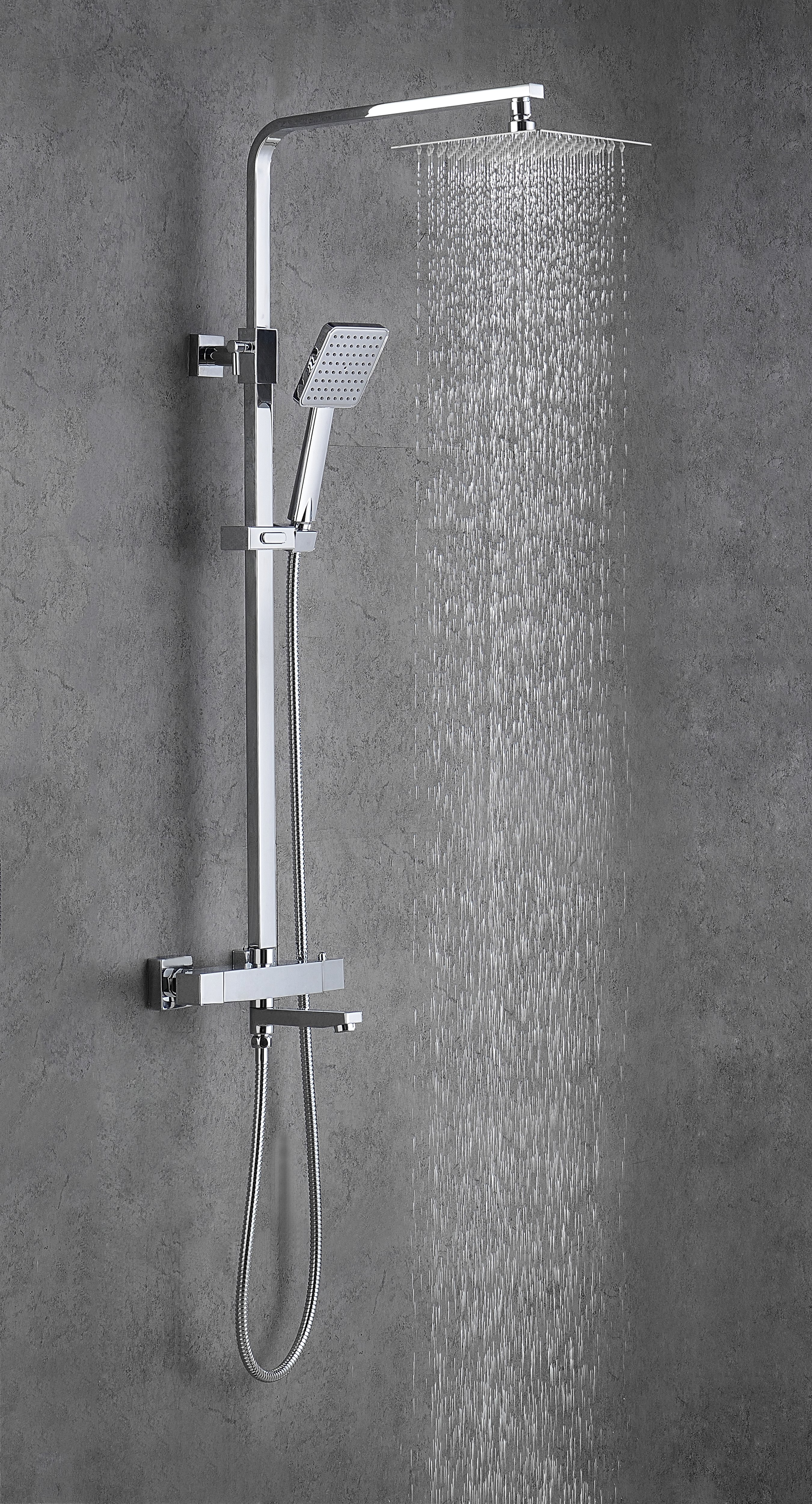
Selecting the right brass tap for your bathroom or kitchen requires understanding the critical components that determine durability and performance. A thermostatic valve integrated with a ceramic disc cartridge represents one of the most reliable configurations available today. When you invest in a tap equipped with these advanced features, you are prioritizing longevity, water efficiency, and user safety. The thermostatic valve ensures consistent water temperature while the ceramic disc cartridge provides smooth operation and minimal maintenance demands. This combination transforms an ordinary fixture into a precision instrument that serves your needs reliably for years.
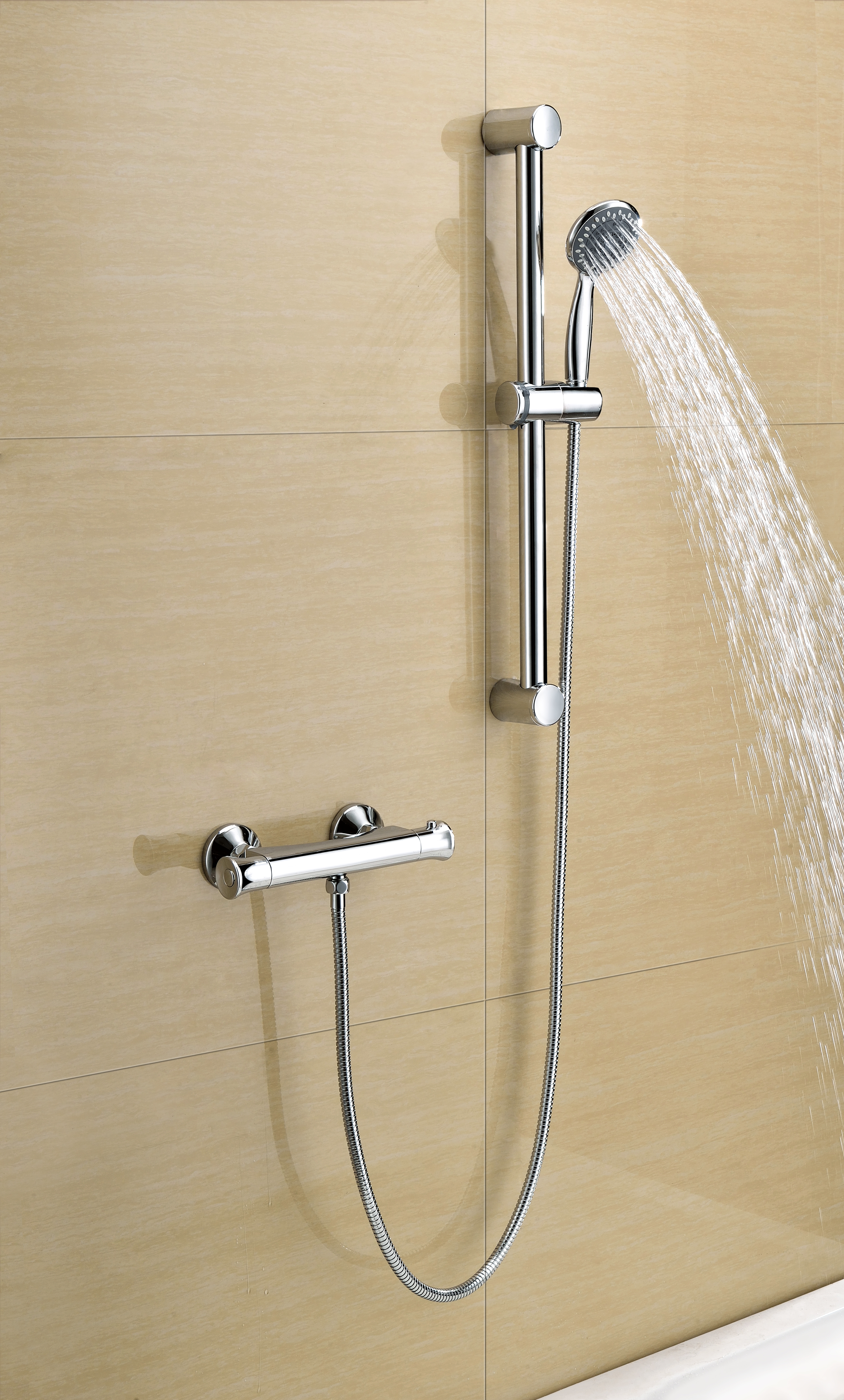
The decision to choose a brass tap with a ceramic disc cartridge goes beyond aesthetic appeal; it reflects an understanding of what makes a thermostatic valve superior to conventional alternatives. Brass construction provides corrosion resistance and structural integrity, while ceramic components eliminate many common failure points found in traditional rubber or plastic seals. A thermostatic valve with ceramic disc technology offers superior temperature stability, reducing the risk of scalding and improving water conservation. This article guides you through the essential selection criteria, helping you identify quality features that justify your investment and ensure optimal performance in residential or commercial applications.
Understanding Thermostatic Valve Technology and Ceramic Disc Cartridges
How Thermostatic Valves Maintain Temperature Stability
A thermostatic valve works by responding to water temperature changes automatically, adjusting the balance between hot and cold water to maintain your desired temperature. This sophisticated mechanism protects users from sudden temperature fluctuations that can occur when someone adjusts another tap in the house or when water supply pressure varies. The thermostatic valve's internal wax element expands or contracts as temperatures change, triggering mechanical adjustments that keep outlet temperature consistent. For families with young children or elderly members, this feature becomes invaluable because it prevents accidental scalding injuries. The thermostatic valve also reduces energy waste by preventing unnecessary hot water from flowing when temperature stability is already achieved.
Why Ceramic Disc Cartridges Outperform Traditional Seals
Ceramic disc cartridges represent a significant advancement in tap technology compared to rubber washers or plastic components. These precision-engineered discs are manufactured from extremely hard, non-porous ceramic material that resists wear and mineral buildup far more effectively than traditional materials. The thermostatic valve equipped with ceramic discs maintains consistent performance even in areas with hard water where mineral deposits accumulate rapidly. Ceramic surfaces prevent bacterial growth, ensuring your water remains hygienic, while the smooth operation reduces wear on the internal mechanisms of your thermostatic valve. When you select a brass tap incorporating this cartridge type, you are choosing technology that typically lasts two to three times longer than conventional alternatives.
Key Selection Criteria for Quality Brass Taps with Thermostatic Valves
Certifications and Performance Standards
Quality brass taps with ceramic disc cartridges should carry recognized international certifications that verify their performance and safety standards. Look for certifications such as ISO 6432, which specifically tests thermostatic valve performance under various water temperature and pressure conditions. A thermostatic valve certified to ISO standards has undergone rigorous testing to ensure it maintains temperature within a narrow range and responds appropriately to emergency conditions. The presence of certifications like CE marking or WaterMark demonstrates that the manufacturer has invested in quality assurance and complies with regulatory requirements. When examining a thermostatic valve's specifications, certification documents provide objective evidence of the tap's reliability and durability compared to unverified alternatives.
Pressure and Flow Rate Specifications
Every thermostatic valve has specific operating ranges for water pressure and flow rates that directly affect performance in your installation. A quality brass tap should function reliably between 1 and 5 bars of pressure, covering the vast majority of residential and commercial water supply systems. The thermostatic valve's performance depends on receiving adequate water flow; insufficient pressure may prevent the valve from maintaining temperature stability effectively. Ceramic disc cartridges in high-quality taps typically allow flow rates between 6 and 15 liters per minute, balancing water conservation with adequate delivery pressure. Understanding these specifications ensures your thermostatic valve will perform as intended in your specific installation environment rather than underperforming or failing prematurely.
Installation and Maintenance Considerations
Proper Installation Requirements for Thermostatic Valves
Installing a brass tap with a ceramic disc cartridge and thermostatic valve requires attention to several critical details that affect long-term performance. The thermostatic valve must be installed in the correct orientation, typically with specific inlet and outlet markings clearly labeled on the valve body. Isolation valves should be installed on both hot and cold supply lines upstream of your thermostatic valve, allowing for maintenance without draining the entire system. The thermostatic valve benefits from proper pipe insulation, especially on hot water lines, which prevents temperature losses that could affect valve responsiveness. Professional installation typically ensures these requirements are met correctly, though following manufacturer guidelines carefully is essential if you undertake installation yourself.
Maintaining Ceramic Disc Cartridges for Extended Performance
Ceramic disc cartridges require minimal maintenance compared to traditional seals, but basic care extends their working life significantly. The thermostatic valve's ceramic components benefit from occasional flushing to remove mineral deposits that may accumulate in water supply lines. Installing a strainer upstream of your thermostatic valve prevents sediment and debris from reaching the ceramic disc cartridge, protecting the precision surfaces from damage. Annual inspection of the thermostatic valve for drips or performance changes allows you to address problems early before they develop into major failures. Many ceramic disc cartridges can be cleaned without replacing them entirely, making maintenance both straightforward and economical over the tap's service life.
Performance Advantages and Long-Term Value
Temperature Consistency and Safety Benefits
A thermostatic valve in your brass tap provides safety features that standard mixers cannot match, particularly in family environments. The thermostatic valve prevents scalding by limiting maximum outlet temperature, protecting children and elderly users from accidental burns. Temperature consistency also improves user experience by eliminating the need for frequent manual adjustments when water pressure fluctuates or other taps are used elsewhere in the building. The thermostatic valve's rapid response to temperature changes means shower users experience comfort without dramatic temperature swings. These safety and comfort benefits represent genuine value that extends beyond the initial purchase cost, contributing to household wellbeing and reducing injury risk.
Water and Energy Efficiency
Selecting a brass tap with a ceramic disc cartridge and thermostatic valve contributes to both water and energy conservation goals. The thermostatic valve minimizes hot water waste by reaching the desired temperature quickly and maintaining it without cycling between hot and cold extremes. Reduced hot water consumption directly lowers energy bills, as heating water typically represents a significant portion of household utility costs. The ceramic disc cartridge's smooth operation maintains consistent performance without the gradual deterioration that leads to increased water waste over time. By choosing a thermostatic valve with ceramic technology, you make an environmentally responsible decision that also delivers financial benefits through reduced utility expenses over the tap's operational lifetime.
FAQ
What makes a thermostatic valve different from a standard mixing valve?
A thermostatic valve automatically adjusts hot and cold water proportions to maintain consistent outlet temperature, while a standard mixing valve relies on manual adjustment and cannot respond to pressure changes. The thermostatic valve includes internal temperature-sensing elements that trigger mechanical adjustments, making it far superior for safety and comfort. This active temperature control means your thermostatic valve protects users from scalding even when household water pressure fluctuates unpredictably.
How long do ceramic disc cartridges typically last in a brass tap?
Quality ceramic disc cartridges in brass taps typically function reliably for 10 to 15 years or longer, depending on water quality and usage intensity. The thermostatic valve's ceramic components resist wear far better than rubber or plastic seals, which may deteriorate within 5 to 8 years. When properly maintained and installed with appropriate upstream strainers, a thermostatic valve with ceramic discs often outperforms customer expectations regarding longevity and reliability.
Can a thermostatic valve be retrofitted into an existing installation?
Yes, a thermostatic valve can replace existing taps in most installations, though compatibility with supply line connections and pressure requirements must be verified beforehand. The thermostatic valve requires both hot and cold water supplies, so your installation must include separate hot and cold lines to function properly. Professional plumbers can assess your existing setup and determine whether a thermostatic valve with ceramic disc cartridge can be installed without significant modifications to your plumbing.