 EN
EN

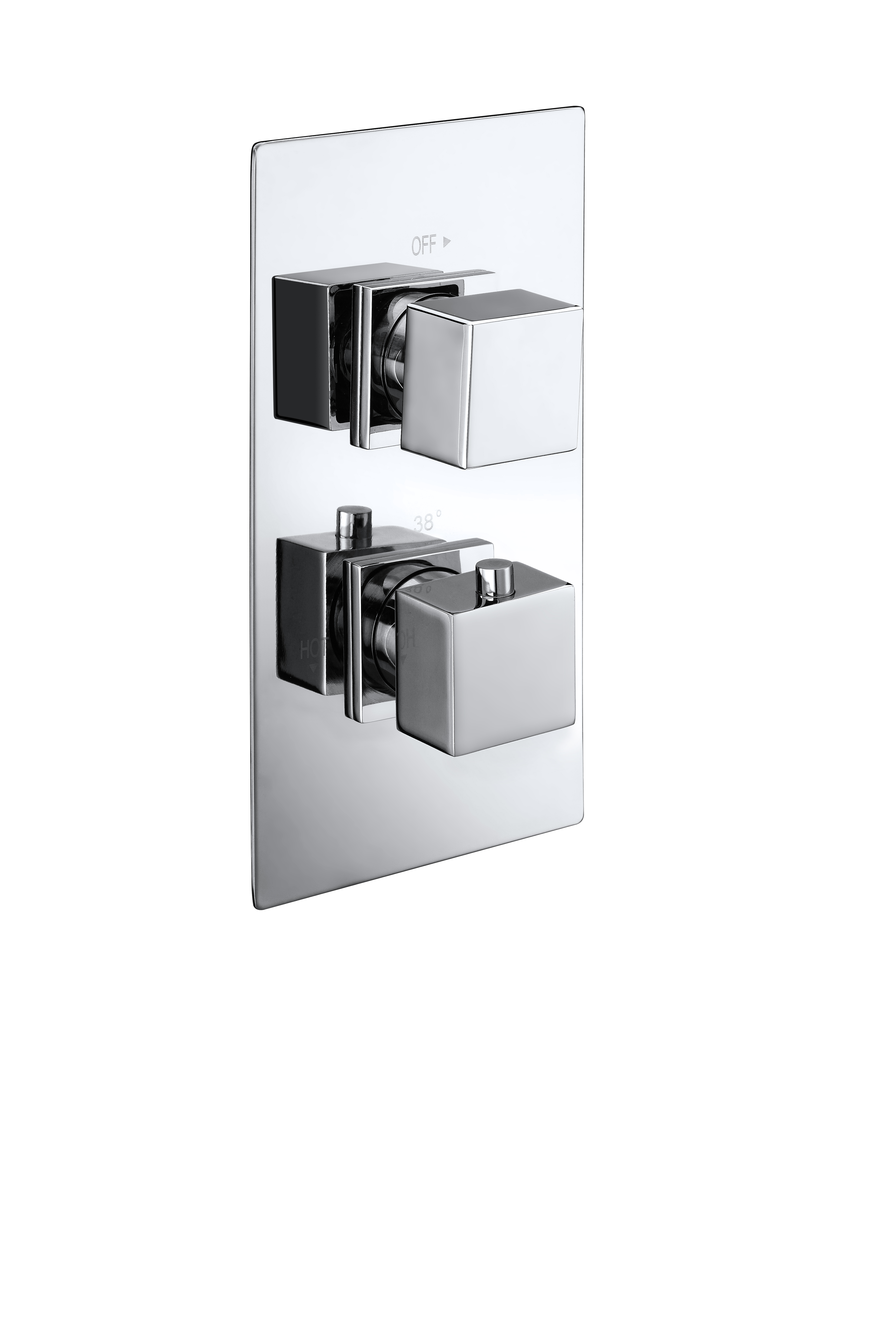
Selecting the right thermostatic valve is one of the most consequential decisions in any plumbing or shower installation project. A thermostatic valve controls water temperature with precision, preventing scalding and ensuring user comfort, but not every thermostatic valve on the market is built to the same standard. When your project demands compliance with international safety regulations, understanding exactly which criteria to evaluate becomes critical before making a purchase.
A thermostatic valve that meets international safety standards delivers consistent temperature regulation, protects against sudden pressure fluctuations, and operates reliably across a wide range of water supply conditions. Whether you are specifying a thermostatic valve for a residential bathroom, a commercial hotel, or a healthcare facility, the safety certification of that thermostatic valve directly impacts the wellbeing of every user. This guide walks you through the key factors to evaluate when choosing a thermostatic valve that satisfies recognized global safety requirements.
Understanding International Safety Standards for a Thermostatic Valve
What Certification Bodies and Standards Apply
Several international and regional certification frameworks govern how a thermostatic valve must perform. The most widely referenced include EN 1111 and EN 1287 in Europe, ASSE 1016 in North America, and AS 4032 in Australia. Each standard specifies the temperature control range, the maximum allowable temperature deviation, and the fail-safe response of the thermostatic valve when hot or cold water supply is interrupted. A thermostatic valve certified under one or more of these frameworks has been independently tested to confirm it operates safely under defined conditions.
When evaluating a thermostatic valve, always request the certification documentation from the supplier. A genuine certification mark on the thermostatic valve body or packaging indicates third-party laboratory testing, not simply a manufacturer claim. A thermostatic valve that carries verifiable certification gives procurement teams, installers, and end users the confidence that the product performs as specified under real-world pressure and temperature variations.
Temperature Limiting and Fail-Safe Mechanisms
A compliant thermostatic valve must include a temperature-limiting device, typically a factory-set stop that prevents the thermostatic valve from delivering water above a specified maximum, commonly 38°C to 46°C depending on the application. This built-in protection is mandatory under most international standards. In addition, a safety-grade thermostatic valve must incorporate an automatic cold-water shut-off feature, which closes the thermostatic valve immediately if the cold water supply fails, preventing scalding from an unrestricted hot flow. These mechanisms are not optional features; they are fundamental performance criteria that distinguish a certified thermostatic valve from a basic mixing valve.
Key Technical Criteria When Choosing a Thermostatic Valve
Material Composition and Durability
The internal components of a thermostatic valve play a direct role in long-term safety. A thermostatic valve built with a high-quality thermostatic element, typically a wax capsule or bimetallic actuator, responds accurately to temperature changes and maintains stable output even as inlet conditions vary. The cartridge of the thermostatic valve must be manufactured from materials resistant to scale buildup, corrosion, and chemical degradation. Brass bodies with chrome or nickel plating are standard in premium thermostatic valve construction, offering both durability and hygiene compliance in potable water systems.
When comparing options, examine whether the thermostatic valve has been tested for lead-free compliance, particularly if the installation serves drinking water applications or falls under regulations such as the US Safe Drinking Water Act or European RoHS directives. A thermostatic valve that uses lead-free alloys and non-toxic seals aligns with both safety standards and long-term public health requirements. Selecting a thermostatic valve with high-grade internal materials reduces maintenance frequency and lowers the risk of performance degradation over time.
Flow Rate, Pressure Range, and Installation Compatibility
A thermostatic valve must be matched to the specific hydraulic conditions of the installation. Each thermostatic valve has a rated flow range and a recommended operating pressure differential. Installing a thermostatic valve outside its rated pressure range can compromise temperature stability and even damage the internal thermostatic element. Always verify that the thermostatic valve specification matches the available water pressure at the installation point, typically between 0.1 and 1.0 MPa for most residential and commercial thermostatic valve models.
Installation compatibility also covers the inlet and outlet connections of the thermostatic valve. A thermostatic valve should be available in standard thread sizes and configurations that align with the existing pipework, whether that is a concealed thermostatic valve for a built-in installation or an exposed thermostatic valve for surface-mounted applications. Choosing a thermostatic valve with flexible connection options reduces installation complexity and ensures a watertight fit that supports long-term safety performance.
Evaluating Suppliers and Ensuring Ongoing Compliance
Supplier Qualification and Product Traceability
Beyond the thermostatic valve itself, the reliability of the supplier matters significantly. A reputable thermostatic valve supplier maintains traceable manufacturing records, provides consistent batch quality, and supports installers with technical documentation including installation instructions, pressure and temperature ratings, and maintenance schedules. When sourcing a thermostatic valve for large-scale projects, request sample testing reports and confirm that the thermostatic valve production process complies with quality management systems such as ISO 9001. A supplier who cannot provide clear documentation for their thermostatic valve products presents a compliance risk that should not be overlooked.
Maintenance Requirements and Long-Term Safety
A thermostatic valve is a mechanical device subject to wear, mineral deposition, and eventual cartridge fatigue. A thermostatic valve designed for long service life will feature a replaceable cartridge that can be serviced without replacing the entire thermostatic valve body. Regular maintenance of the thermostatic valve, including descaling and temperature calibration checks, is essential to ensure the thermostatic valve continues to meet its certified performance parameters. Specifying a thermostatic valve from a supplier who offers genuine replacement parts and after-sales technical support protects the long-term investment and maintains safety compliance throughout the product lifecycle.
FAQ
What is the most important safety feature to look for in a thermostatic valve?
The most critical safety feature in any thermostatic valve is the automatic cold-water shut-off mechanism. This ensures that the thermostatic valve closes immediately when cold water supply fails, preventing scalding from uncontrolled hot water flow. A temperature limiter that caps output at a safe maximum is equally important and is required under most international thermostatic valve standards.
How do I verify that a thermostatic valve is genuinely certified?
To verify certification, request the test report from an accredited third-party laboratory and check that the thermostatic valve carries the appropriate certification mark, such as CE, WRAS, or ASSE. Cross-reference the thermostatic valve model number against the certifying body's published product database if available. Relying solely on a manufacturer's printed claim without independent documentation is not sufficient for compliance-sensitive thermostatic valve procurement.
Can one thermostatic valve model meet multiple international standards simultaneously?
Yes, many high-quality thermostatic valve products are designed and tested to satisfy more than one international standard at the same time. For example, a thermostatic valve may carry both CE marking under EN 1111 and WRAS approval for the UK market. Choosing a thermostatic valve with multi-standard certification simplifies international project specification and provides broader assurance that the thermostatic valve will be accepted across different regulatory environments.