 EN
EN

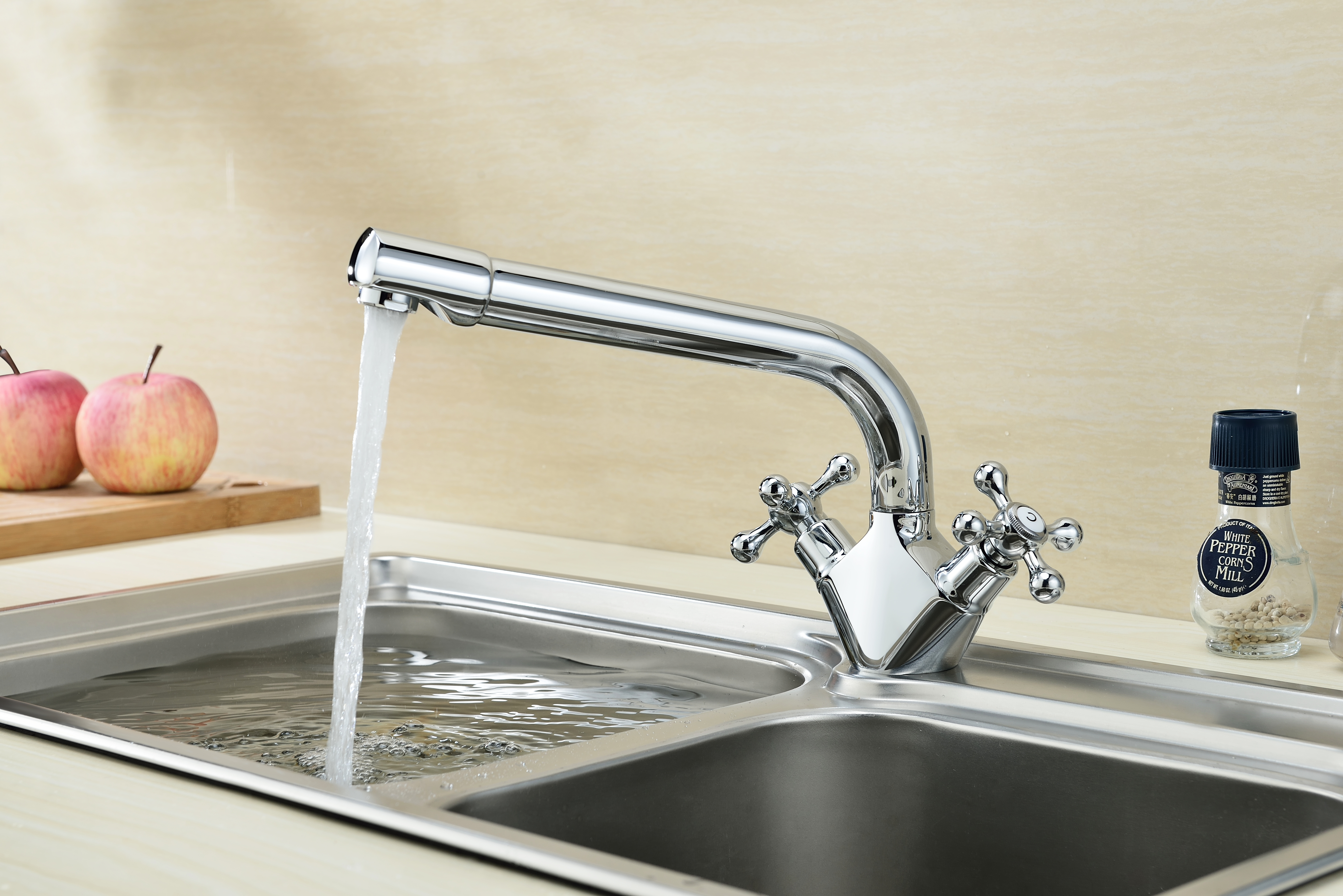
Identifying a high-quality black tap with superior electroplating requires understanding the intricate process of surface treatment and the specific characteristics that distinguish premium fixtures from standard alternatives. The electroplating process for a black tap involves multiple layers of metallic coating that not only provide the distinctive aesthetic appeal but also ensure long-term durability and resistance to corrosion. Superior electroplating creates a finish that maintains its rich black appearance while withstanding daily use, moisture exposure, and cleaning chemicals commonly found in bathroom and kitchen environments.
The quality of electroplating directly impacts the performance and longevity of any black tap installation. When evaluating electroplating quality, professionals examine factors including coating thickness uniformity, adhesion strength, and the specific alloy composition used in the plating process. Premium manufacturers employ advanced electroplating techniques that create multiple protective layers, typically starting with nickel or copper base coats followed by specialized black chrome or PVD coating systems that deliver both visual appeal and functional protection against wear and environmental factors.
Understanding Electroplating Quality Indicators
Visual Inspection Techniques
The surface appearance of a high-quality black tap reveals significant information about the electroplating process quality. Superior electroplating produces a uniform, deep black finish without visible streaks, patches, or color variations across the entire fixture surface. When examining a black tap under different lighting conditions, the finish should maintain consistent color depth and reflectivity without revealing underlying metal layers or discoloration patterns that indicate poor adhesion or insufficient coating thickness.
Professional evaluation involves checking for microscopic imperfections such as pinholes, bubbles, or texture irregularities that compromise both aesthetics and protective function. A premium black tap displays smooth, even surface texture with proper light reflection characteristics that enhance the fixture's visual appeal while indicating robust electroplating quality. The coating should feel smooth to the touch without rough spots or raised areas that suggest contamination during the plating process.
Coating Thickness Measurement
Measuring electroplating thickness provides objective data about coating quality and expected durability performance. Industry standards specify minimum thickness requirements for different coating layers, with premium black tap manufacturers typically exceeding these specifications to ensure superior longevity. Professional thickness gauges can measure coating depth at multiple points across the fixture surface to verify uniform application and identify any areas with insufficient coverage.
The relationship between coating thickness and durability becomes particularly important for high-use applications where a black tap experiences frequent contact and cleaning. Thicker electroplating layers provide enhanced protection against wear, corrosion, and chemical exposure while maintaining the distinctive black appearance over extended periods. Quality manufacturers document their coating specifications and provide certification of compliance with relevant industry standards for electroplating thickness and uniformity.
Material Composition and Base Metal Quality
Substrate Preparation Standards
The foundation quality of a black tap directly influences electroplating adhesion and long-term performance characteristics. Premium fixtures begin with high-grade brass or stainless steel substrates that undergo thorough surface preparation including cleaning, polishing, and chemical treatment to ensure optimal coating adhesion. Proper substrate preparation removes manufacturing oils, oxidation, and surface contaminants that could compromise the electroplating bond strength and create failure points over time.
Surface preparation standards for quality black tap manufacturing include multiple cleaning stages using specialized solvents and abrasive techniques that create the ideal surface profile for electroplating adhesion. The substrate surface must achieve specific roughness parameters that promote mechanical bonding while maintaining smoothness necessary for uniform coating application. Professional manufacturers employ quality control measures to verify substrate preparation before proceeding with the electroplating process.
Alloy Selection and Compatibility
The choice of base metal alloy significantly impacts both the electroplating process and the finished performance of a black tap installation. High-quality fixtures utilize brass alloys with specific copper and zinc ratios that provide optimal strength, corrosion resistance, and electroplating compatibility. The alloy composition affects coating adhesion, thermal expansion characteristics, and long-term stability under varying environmental conditions typical in plumbing applications.
Premium manufacturers select alloy compositions that complement their specific electroplating systems and provide enhanced durability for the intended application environment. The interaction between base metal and coating materials determines factors such as galvanic compatibility, stress distribution, and thermal cycling performance that directly influence the service life of a black tap fixture. Understanding these material relationships helps identify superior quality products that deliver reliable long-term performance.
Testing Methods for Electroplating Durability
Adhesion Testing Protocols
Professional testing methods evaluate the bond strength between electroplating layers and the base metal substrate of a black tap through standardized adhesion tests. These tests simulate real-world stresses including thermal cycling, mechanical impact, and chemical exposure to verify coating stability under normal and accelerated aging conditions. Quality manufacturers conduct adhesion testing during product development and production quality control to ensure consistent electroplating performance across their product range.
Tape pull tests, cross-hatch adhesion evaluation, and bend testing provide quantitative data about coating adhesion strength and identify potential failure modes before products reach the market. A high-quality black tap demonstrates superior adhesion performance with minimal coating delamination or cracking under standardized test conditions. These testing protocols help distinguish premium electroplating quality from standard industrial coating applications that may not meet demanding plumbing fixture requirements.
Corrosion Resistance Evaluation
Salt spray testing and chemical resistance evaluation provide critical data about the long-term durability of electroplating on a black tap under accelerated corrosion conditions. These tests expose fixtures to controlled environments that simulate years of normal use within shortened timeframes, revealing potential coating failures and identifying superior electroplating systems that maintain protection and appearance over extended periods. Quality manufacturers publish test results and certifications that document corrosion resistance performance.
Environmental testing includes exposure to cleaning chemicals, temperature variations, and humidity cycles that replicate typical installation conditions for black tap applications. Premium electroplating systems demonstrate minimal color change, surface degradation, or protective capability loss after extended testing periods. Understanding these test standards helps consumers identify fixtures with proven durability and long-term performance characteristics that justify premium pricing and provide superior value over the fixture lifespan.
Manufacturing Process Quality Indicators
Production Environment Controls
The manufacturing environment for electroplating significantly impacts the quality and consistency of the finished black tap product. Premium manufacturers maintain controlled production facilities with regulated temperature, humidity, and contamination levels that ensure optimal plating conditions throughout the process. Environmental controls prevent contamination that could compromise coating quality and ensure repeatable results across production batches.
Quality control measures include continuous monitoring of electroplating bath chemistry, current density distribution, and timing parameters that directly influence coating uniformity and adhesion. Professional manufacturers employ automated systems that maintain precise control over critical process variables and document production parameters for traceability and quality assurance. These manufacturing standards distinguish premium black tap products from those produced under less controlled conditions that may exhibit quality variations.
Quality Assurance Documentation
Comprehensive quality documentation provides verification of electroplating quality and manufacturing compliance with industry standards for black tap production. Premium manufacturers maintain detailed records of material certifications, process parameters, testing results, and inspection data that demonstrate consistent quality control throughout production. This documentation supports warranty claims and provides confidence in long-term product performance.
Certification programs from recognized testing organizations validate electroplating quality and manufacturing processes according to established industry standards. Quality manufacturers participate in third-party certification programs that provide independent verification of their production capabilities and product performance characteristics. Understanding these certifications helps consumers identify black tap products with verified quality credentials and reliable performance expectations.
Performance Evaluation in Real-World Conditions
Installation Environment Considerations
The performance of electroplating on a black tap varies significantly based on installation environment factors including water quality, usage patterns, and maintenance practices. Hard water conditions with high mineral content can accelerate coating wear and require more frequent cleaning that may affect long-term appearance retention. Understanding these environmental factors helps predict electroplating performance and select appropriate quality levels for specific applications.
Chemical compatibility between cleaning products and electroplating materials affects maintenance requirements and appearance preservation for black tap installations. Premium electroplating systems demonstrate superior resistance to common household cleaners while maintaining their protective and aesthetic properties over time. Proper maintenance practices combined with quality electroplating ensure optimal performance and appearance retention throughout the fixture service life.
Long-Term Maintenance Requirements
Maintenance practices significantly influence the longevity and appearance retention of electroplating on any black tap installation. Quality electroplating reduces maintenance requirements by providing enhanced resistance to water spots, mineral deposits, and cleaning chemical exposure. Understanding proper maintenance techniques helps preserve the investment in premium electroplating and ensures continued performance and aesthetic appeal.
Regular maintenance protocols for black tap fixtures include gentle cleaning methods that preserve electroplating integrity while removing deposits and contaminants that could compromise appearance or function. Premium electroplating systems tolerate routine maintenance better than standard coatings and maintain their protective capabilities with minimal degradation over time. Proper maintenance combined with superior electroplating quality delivers optimal return on investment for premium fixture installations.
FAQ
What specific visual signs indicate superior electroplating quality on a black tap?
Superior electroplating displays uniform color depth without streaks, patches, or visible texture variations across the entire fixture surface. The finish should maintain consistent reflectivity under different lighting conditions and feel smooth without rough spots, pinholes, or raised areas. High-quality electroplating also shows no signs of underlying metal layers or discoloration patterns that indicate poor adhesion or insufficient coating thickness.
How can I verify the coating thickness meets industry standards for durability?
Professional thickness measurement requires specialized gauges that measure coating depth at multiple surface points to verify uniform application. Quality manufacturers provide documentation showing their coating specifications exceed minimum industry standards and offer certification of compliance with relevant electroplating thickness requirements. Premium black tap products typically feature thicker coatings than standard fixtures for enhanced durability and longevity.
What testing methods prove electroplating adhesion strength and long-term reliability?
Standard testing includes tape pull tests, cross-hatch adhesion evaluation, and salt spray corrosion testing that simulate real-world stress conditions. Quality manufacturers conduct thermal cycling, chemical resistance, and mechanical impact testing to verify coating stability under accelerated aging conditions. These standardized tests provide quantitative data about adhesion strength and identify potential failure modes before products reach consumers.
Which manufacturing certifications indicate premium electroplating quality for black tap products?
Recognized certifications include ISO quality management standards, industry-specific plating certifications, and third-party testing organization approvals that validate manufacturing processes and product performance. Premium manufacturers maintain comprehensive quality documentation including material certifications, process parameter records, and testing results that demonstrate consistent quality control throughout production. These certifications provide independent verification of electroplating quality and manufacturing capabilities.
Table of Contents
- Understanding Electroplating Quality Indicators
- Material Composition and Base Metal Quality
- Testing Methods for Electroplating Durability
- Manufacturing Process Quality Indicators
- Performance Evaluation in Real-World Conditions
-
FAQ
- What specific visual signs indicate superior electroplating quality on a black tap?
- How can I verify the coating thickness meets industry standards for durability?
- What testing methods prove electroplating adhesion strength and long-term reliability?
- Which manufacturing certifications indicate premium electroplating quality for black tap products?