 EN
EN

Resort facilities face unique challenges when it comes to maintaining plumbing fixtures due to high usage volumes, diverse water conditions, and the critical need for uninterrupted guest experiences. A properly maintained shower valve serves as the cornerstone of reliable bathroom functionality, directly impacting guest satisfaction and operational efficiency. When shower valve systems fail or perform poorly, resorts face immediate guest complaints, emergency repair costs, and potential room closures that can significantly impact revenue streams.
Understanding how to maintain a shower valve effectively in resort environments requires a comprehensive approach that addresses the specific demands of hospitality operations. Resort maintenance teams must implement systematic procedures that prevent common issues while ensuring consistent performance across hundreds or thousands of guest rooms. The maintenance strategy must balance preventive care with rapid response capabilities, considering factors such as water quality variations, guest usage patterns, and the need for minimal service disruption during peak occupancy periods.
Understanding Shower Valve Components and Resort-Specific Requirements
Essential Components of Resort Shower Valve Systems
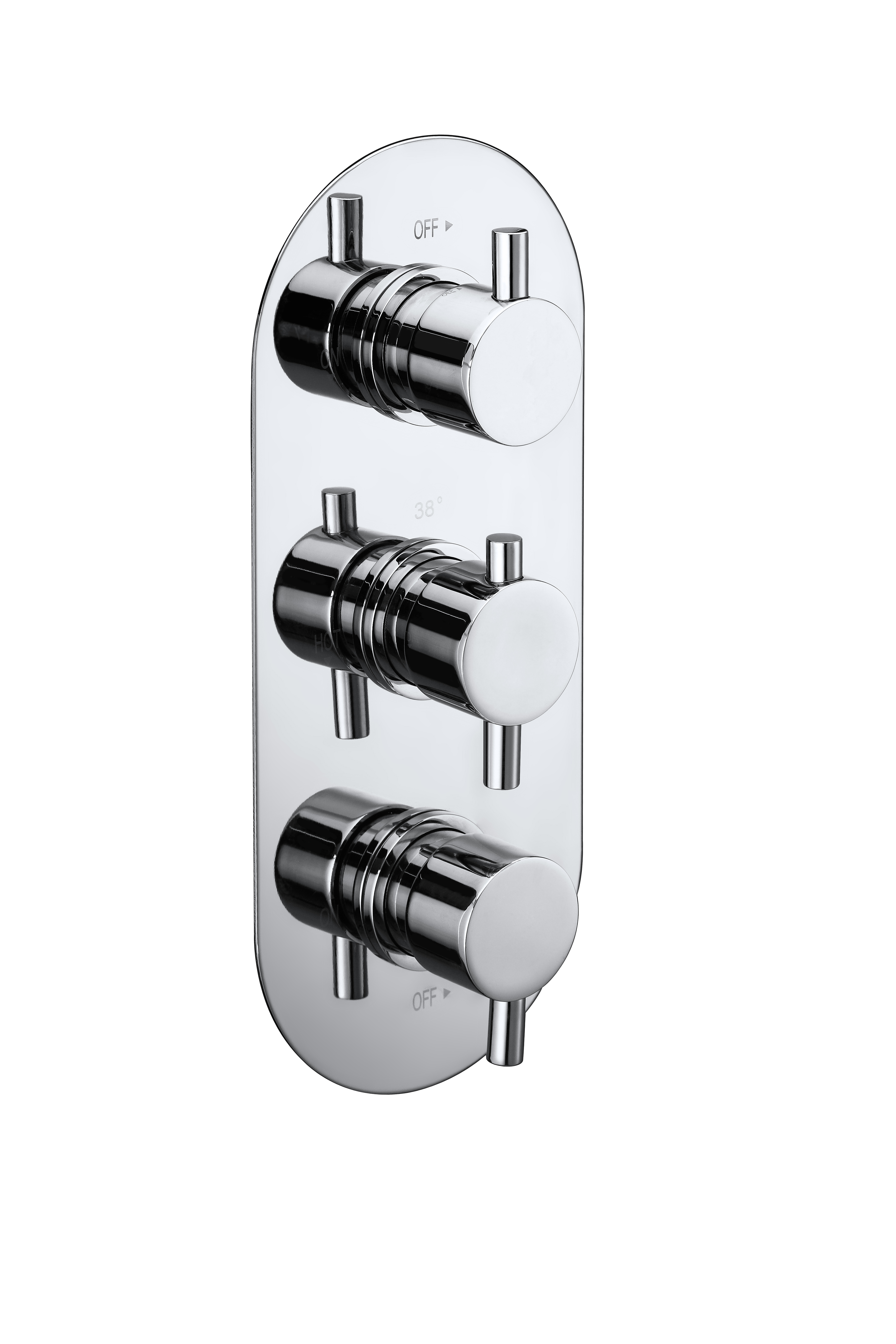
A resort-grade shower valve consists of several critical components that work together to provide reliable temperature control and water flow management. The cartridge assembly serves as the heart of the system, containing the mixing mechanism that blends hot and cold water to achieve desired temperatures. This component experiences the most wear in high-usage environments typical of resort operations, making it a primary focus for maintenance activities.
The valve body housing contains the internal mechanisms and provides mounting points for the entire assembly. In resort applications, these housings must withstand constant thermal cycling as guests adjust temperatures throughout the day. The trim components, including handles and decorative plates, not only provide the user interface but also protect internal mechanisms from environmental factors such as humidity and cleaning chemicals commonly used in resort housekeeping operations.
Resort shower valve installations typically include additional components such as pressure-balancing mechanisms or thermostatic controls that maintain consistent performance despite fluctuations in building water pressure. These advanced features require specific maintenance attention to ensure they continue functioning properly under the demanding conditions of commercial hospitality use.
Unique Operating Conditions in Resort Environments
Resort shower valve systems operate under significantly different conditions compared to residential installations, requiring adapted maintenance approaches. High-frequency usage patterns mean that a single shower valve might be operated dozens of times daily, creating accelerated wear on moving components and sealing mechanisms. This intensive use pattern demands more frequent inspection and maintenance intervals than typically recommended for residential applications.
Water quality variations present another challenge for resort maintenance teams, as facilities often deal with hard water, mineral deposits, or chemical treatment residues that can affect valve performance. These water conditions can cause rapid buildup of scale or corrosion within the shower valve assembly, potentially leading to reduced flow rates, temperature control issues, or complete failure if not addressed proactively through proper maintenance procedures.
Guest expectations in resort settings also create unique maintenance requirements, as any performance issues or temperature inconsistencies can immediately impact the guest experience. Unlike residential settings where occupants might tolerate minor inconveniences, resort guests expect flawless operation and immediate hot water availability, making preventive maintenance and rapid response protocols essential for maintaining service standards.
Preventive Maintenance Procedures for Resort Shower Valves
Daily and Weekly Inspection Protocols
Effective preventive maintenance begins with systematic daily inspections that can identify potential issues before they impact guest experiences. Housekeeping staff should be trained to recognize early warning signs during routine room cleaning, including unusual sounds from the valve assembly, inconsistent water flow patterns, or visible leaks around the trim components. These daily touchpoints provide the first line of defense against shower valve problems.
Weekly maintenance inspections should focus on more detailed assessments of valve performance, including temperature response testing and flow rate verification. Maintenance technicians should operate each shower valve through its full range of motion, checking for smooth handle operation, consistent temperature mixing, and proper pressure balancing. Any irregularities detected during these inspections should trigger immediate corrective action to prevent guest complaints or service disruptions.
Documentation protocols during these inspections create valuable data for tracking valve performance trends and identifying patterns that might indicate broader system issues. Resort maintenance teams should maintain detailed logs of inspection findings, noting any variations in performance that could signal developing problems with specific valve units or entire building zones.
Monthly Deep Cleaning and Component Inspection
Monthly maintenance procedures should include comprehensive cleaning of shower valve components to remove mineral deposits, soap residue, and other accumulations that can affect performance. This process typically involves removing trim components and cleaning cartridge assemblies with appropriate descaling solutions designed for commercial plumbing applications. The cleaning process must be thorough enough to remove all buildup while avoiding damage to sensitive sealing components.
During monthly inspections, maintenance technicians should examine cartridge assemblies for signs of wear, including scoring on valve stems, deterioration of O-rings and gaskets, and proper alignment of mixing chambers. These detailed inspections often reveal developing issues that can be addressed through component replacement before they lead to complete valve failure or guest complaints about temperature control problems.
Water pressure and flow testing should be conducted monthly to ensure consistent performance across all guest rooms and identify any degradation in system capacity. This testing helps maintenance teams detect partially blocked cartridges or developing restrictions that might not be immediately apparent during normal operation but could worsen over time without intervention.
Troubleshooting Common Resort Shower Valve Issues
Temperature Control Problems and Solutions
Temperature control issues represent the most frequent shower valve problems in resort environments, often stemming from cartridge wear, mineral buildup, or system pressure imbalances. When guests report inconsistent water temperatures or inability to achieve desired heat levels, maintenance teams must quickly diagnose whether the problem lies within the individual valve assembly or broader building systems affecting multiple rooms.
Cartridge-related temperature problems typically manifest as difficulty achieving hot water, sudden temperature fluctuations, or complete loss of temperature control capability. These issues usually require cartridge replacement, but maintenance teams should also inspect the valve body for mineral deposits or debris that might interfere with proper cartridge seating and operation. Proper cartridge installation requires attention to alignment and seating depth to ensure optimal performance.
System-wide temperature control problems often indicate issues with building water heating or circulation systems rather than individual valve failures. Resort maintenance teams must understand the interaction between shower valve performance and broader plumbing infrastructure to effectively diagnose and resolve temperature-related guest complaints while minimizing service disruptions.
Flow Rate and Pressure Issues
Reduced flow rates from resort shower valve installations can result from various causes, including cartridge restrictions, supply line problems, or pressure-balancing mechanism malfunctions. Maintenance technicians must systematically evaluate each potential cause to identify the root issue and implement appropriate corrective measures that restore proper performance without creating new problems.
Partial cartridge blockages often cause gradual flow reduction that guests might initially tolerate but will eventually find unsatisfactory. These blockages typically result from mineral deposits or debris accumulation within the mixing chambers and require cartridge removal and cleaning or replacement depending on the severity of buildup and condition of internal components.
Pressure balancing problems can create both flow rate issues and safety concerns if hot water delivery becomes unpredictable. Resort shower valve systems with integrated pressure balancing require specific attention to these mechanisms during maintenance procedures, ensuring they continue providing stable performance despite variations in building water pressure that commonly occur in large hospitality facilities.
Component Replacement and Upgrade Strategies
Cartridge Replacement Scheduling and Procedures
Successful resort maintenance programs establish proactive cartridge replacement schedules based on usage patterns, water quality conditions, and manufacturer recommendations adapted for commercial hospitality applications. High-usage guest room shower valve units typically require cartridge replacement every 12-18 months, while lower-usage areas might extend replacement intervals to 24-36 months depending on local water conditions and performance monitoring results.
Replacement procedures must be standardized and documented to ensure consistent results across maintenance team members and minimize guest service disruptions. These procedures should include proper cartridge orientation, sealing component inspection and replacement, and performance verification testing before rooms are returned to service. Maintenance teams should maintain adequate cartridge inventory to support immediate replacement needs without delays that could impact guest satisfaction.
Quality control measures during cartridge replacement should include flow rate testing, temperature response verification, and leak inspection to ensure proper installation and performance. These verification steps help prevent callbacks and guest complaints while building confidence in maintenance team capabilities and procedures.
Upgrading to Enhanced Performance Components
Resort facilities should periodically evaluate opportunities to upgrade shower valve components with enhanced performance features that can reduce maintenance requirements and improve guest experiences. Modern cartridge designs often incorporate improved sealing technologies, self-cleaning features, or enhanced mineral resistance that can extend service life in demanding commercial applications.
Thermostatic shower valve upgrades can provide superior temperature control and safety features compared to standard pressure-balancing designs, particularly in facilities with significant water pressure variations or complex plumbing systems. These upgrades typically require more substantial installation modifications but can provide long-term benefits through reduced maintenance needs and improved guest satisfaction scores.
When considering component upgrades, resort maintenance teams should evaluate the total cost of ownership including initial installation costs, ongoing maintenance requirements, and potential guest experience improvements. Upgrading shower valve components during planned renovation periods often provides the most cost-effective approach while minimizing operational disruptions.
FAQ
How often should resort shower valves be inspected for maintenance needs?
Resort shower valves should undergo daily visual inspections by housekeeping staff, weekly performance testing by maintenance technicians, and comprehensive monthly deep inspections including component cleaning and detailed performance evaluation. High-usage areas may require more frequent attention based on guest occupancy patterns and water quality conditions.
What are the most common signs that a shower valve needs immediate attention in a resort setting?
Key warning signs include inconsistent water temperatures, reduced flow rates, unusual noises during operation, visible leaks around trim components, difficulty turning handles, or guest complaints about shower performance. Any of these symptoms should trigger immediate investigation to prevent service disruptions and maintain guest satisfaction.
Can resort maintenance teams perform shower valve cartridge replacement without specialized plumbing contractors?
Most cartridge replacement procedures can be performed by trained resort maintenance technicians using proper tools and following manufacturer guidelines. However, complex installations or system-wide issues may require professional plumbing contractors with commercial hospitality experience to ensure proper diagnosis and resolution of underlying problems.
How do water quality issues in resort locations affect shower valve maintenance requirements?
Poor water quality, particularly hard water with high mineral content, accelerates cartridge wear and increases maintenance frequency requirements. Resort facilities in areas with challenging water conditions should implement more aggressive preventive maintenance schedules, consider water treatment systems, and maintain larger cartridge inventories to address accelerated replacement needs.
Table of Contents
- Understanding Shower Valve Components and Resort-Specific Requirements
- Preventive Maintenance Procedures for Resort Shower Valves
- Troubleshooting Common Resort Shower Valve Issues
- Component Replacement and Upgrade Strategies
-
FAQ
- How often should resort shower valves be inspected for maintenance needs?
- What are the most common signs that a shower valve needs immediate attention in a resort setting?
- Can resort maintenance teams perform shower valve cartridge replacement without specialized plumbing contractors?
- How do water quality issues in resort locations affect shower valve maintenance requirements?