 EN
EN

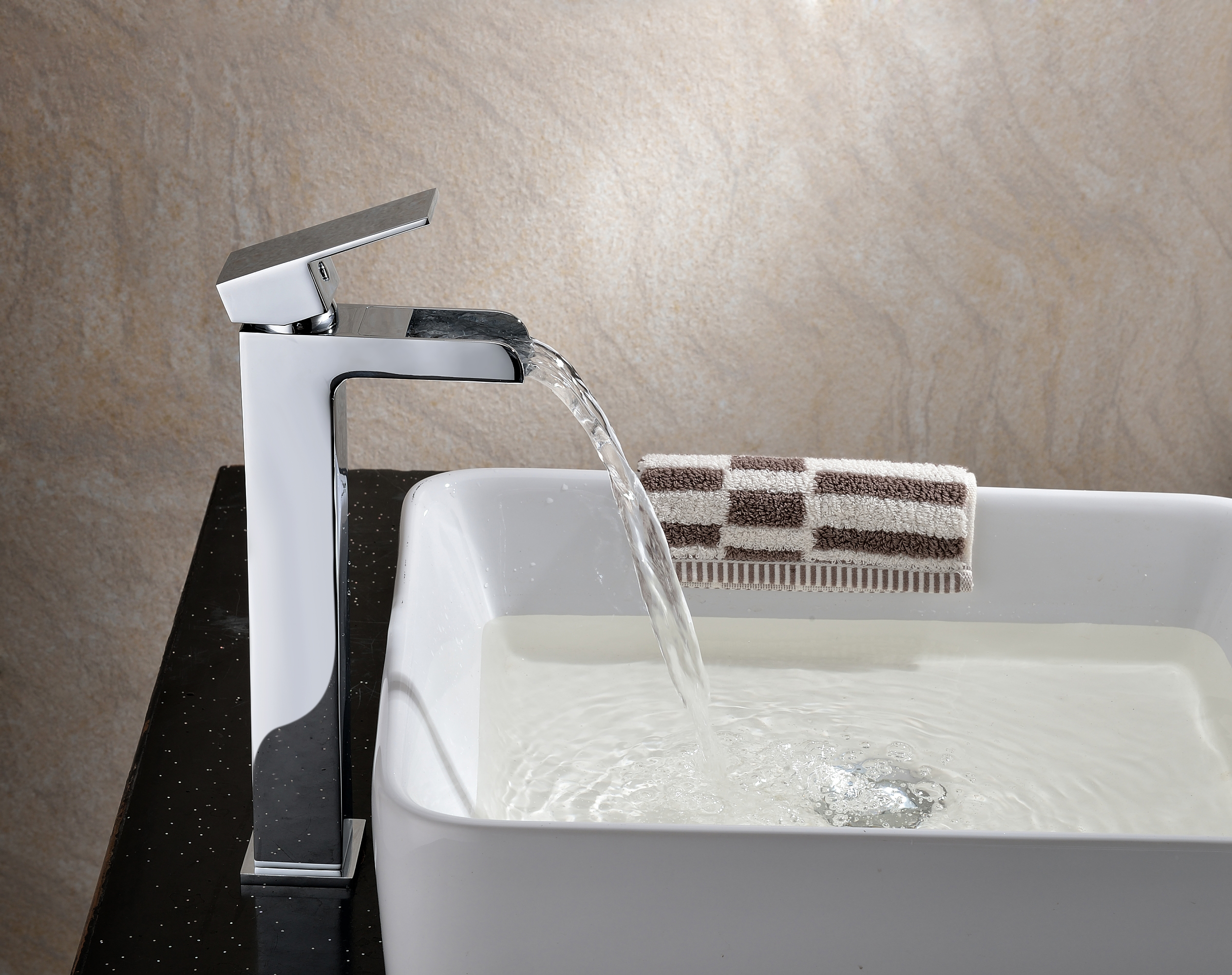
In commercial kitchens, busy households, and food service environments, kitchen faucets endure far more stress than most people realize. When kitchen faucets are used dozens or even hundreds of times each day, the risk of developing leaks rises significantly. Understanding how to maintain kitchen faucets correctly is not just a matter of convenience — it is a practical necessity that protects your plumbing investment and prevents water damage over time.
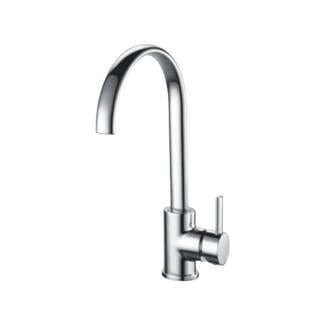
High-frequency use puts unique mechanical pressure on kitchen faucets. The handles, O-rings, cartridges, and valve seats inside kitchen faucets all experience accelerated wear when operated constantly. Without a consistent maintenance routine, even well-manufactured kitchen faucets can begin to drip, leak at the base, or lose water pressure well before their expected service life ends. This guide explains the most effective maintenance steps to keep kitchen faucets functioning reliably under heavy daily use.
Understanding Why Kitchen Faucets Leak Under Heavy Use
Common Wear Points in Kitchen Faucets
The internal components of kitchen faucets are designed to handle repeated motion, but they are not immune to wear. In high-frequency environments, the cartridge inside kitchen faucets is one of the first parts to deteriorate. The cartridge controls water flow and temperature, and repeated cycling causes its seals to compress and eventually fail. When the cartridge in kitchen faucets wears out, dripping at the spout becomes the most visible symptom.
O-rings are another critical component. These small rubber seals sit around the valve stem of kitchen faucets and prevent water from escaping at the base or handle area. Heavy use accelerates O-ring degradation, especially when kitchen faucets experience frequent temperature changes between hot and cold water. Once an O-ring hardens or cracks, kitchen faucets will develop visible leaks around the collar or handle base.
The Role of Water Pressure in Faucet Wear
Excessive water pressure is a silent contributor to premature wear in kitchen faucets. When the supply pressure is too high, it forces internal seals and valve components to work harder during every use cycle. Over time, this accelerates the breakdown of the very parts that keep kitchen faucets leak-free. Installing a pressure regulator upstream is a practical way to protect kitchen faucets from pressure-induced stress, particularly in commercial or multi-unit settings.
Step-by-Step Maintenance Routine for Kitchen Faucets
Regular Inspection and Cleaning
Maintaining kitchen faucets starts with regular visual inspection. At least once a month, check kitchen faucets for any signs of moisture around the base, dripping from the spout, or reduced water flow. Catching minor issues early in kitchen faucets prevents them from developing into larger, more expensive failures. Use a dry cloth to wipe around the body of kitchen faucets after each inspection to detect hidden moisture buildup.
Mineral deposits are a common problem in hard-water areas and can clog the aerator of kitchen faucets, reducing flow and increasing internal pressure. Remove the aerator from kitchen faucets every two to three months and soak it in a mild descaling solution. Cleaning the aerator regularly keeps kitchen faucets performing efficiently and reduces unnecessary back-pressure on internal seals.
Replacing Worn Internal Components
Proactive component replacement is one of the most effective ways to prevent leaks in kitchen faucets used at high frequency. Rather than waiting for kitchen faucets to fail visibly, schedule cartridge inspections every six to twelve months. If the cartridge in kitchen faucets shows any sign of scoring, cracking, or inconsistent water control, replace it immediately. Using manufacturer-compatible cartridges ensures that kitchen faucets maintain their original performance specifications.
O-rings in kitchen faucets should also be replaced during any cartridge service. When disassembling kitchen faucets for internal maintenance, apply a thin layer of plumber's grease to new O-rings before reinstalling them. This lubrication step reduces friction during use and extends the service life of kitchen faucets significantly. Always turn off the water supply before disassembling kitchen faucets to avoid accidental flooding or pressure release.
Handle and Mounting Inspection
In high-frequency environments, the handles and mounting hardware of kitchen faucets can loosen over time due to constant mechanical stress. Check the handle screws and deck mounting nuts on kitchen faucets every few months and tighten them if necessary. Loose handles place uneven stress on the cartridge and valve body of kitchen faucets, which can accelerate internal seal failure. Keeping all external hardware tight is a simple but important part of kitchen faucet maintenance.
Preventive Practices That Extend Kitchen Faucet Life
Avoiding Operational Habits That Damage Faucets
How people operate kitchen faucets daily has a direct impact on how long they last. Forcing handles beyond their natural range of motion puts unnecessary stress on the cartridge and seat of kitchen faucets. Training staff in commercial kitchens — or simply being mindful at home — to operate kitchen faucets smoothly and within their designed range of motion can meaningfully reduce wear. Avoiding the habit of leaving kitchen faucets running at maximum pressure when lower flow is sufficient also reduces cumulative stress on internal components.
Choosing the Right Kitchen Faucets for High-Frequency Use
Selecting kitchen faucets built for high-frequency performance is an important preventive step. Kitchen faucets designed for commercial or semi-commercial applications typically feature ceramic disc cartridges, which offer superior durability compared to standard rubber-seat valves. Ceramic disc kitchen faucets can handle far more open-and-close cycles without developing leaks. When replacing kitchen faucets in high-use environments, prioritize models rated for heavy-duty cycles and made from solid brass or stainless steel construction rather than plastic-bodied kitchen faucets.
Water quality also plays a role in determining how long kitchen faucets last. In areas with highly chlorinated or hard water, installing a whole-house or under-sink water filter can protect the internal seals of kitchen faucets from chemical degradation. Softened, filtered water reduces the rate at which mineral deposits and chemical residues attack the rubber and ceramic components inside kitchen faucets, significantly extending their maintenance intervals.
FAQ
How often should I service kitchen faucets used heavily every day?
For kitchen faucets in high-frequency environments, a full internal inspection every six months is recommended. This includes checking the cartridge, O-rings, and aerator of kitchen faucets for wear, mineral buildup, and seal integrity. Light external maintenance such as cleaning and tightening should be done monthly to keep kitchen faucets in reliable condition between deeper service intervals.
What is the first sign that kitchen faucets need maintenance?
The most common early warning sign in kitchen faucets is a slow drip at the spout even when the handle is fully closed. This usually indicates a worn cartridge or compressed O-ring inside kitchen faucets. Addressing this early prevents the minor leak from worsening and avoids the additional water waste and potential cabinet damage that neglected kitchen faucets can cause over time.
Can I perform maintenance on kitchen faucets myself, or do I need a plumber?
Most routine maintenance tasks for kitchen faucets — including aerator cleaning, O-ring replacement, and cartridge swapping — are manageable for anyone comfortable with basic tools. The key is to use the correct replacement parts that match the specific model of your kitchen faucets. For more complex issues such as damaged valve seats or corroded supply connections inside kitchen faucets, consulting a licensed plumber is the safer and more reliable choice.