 EN

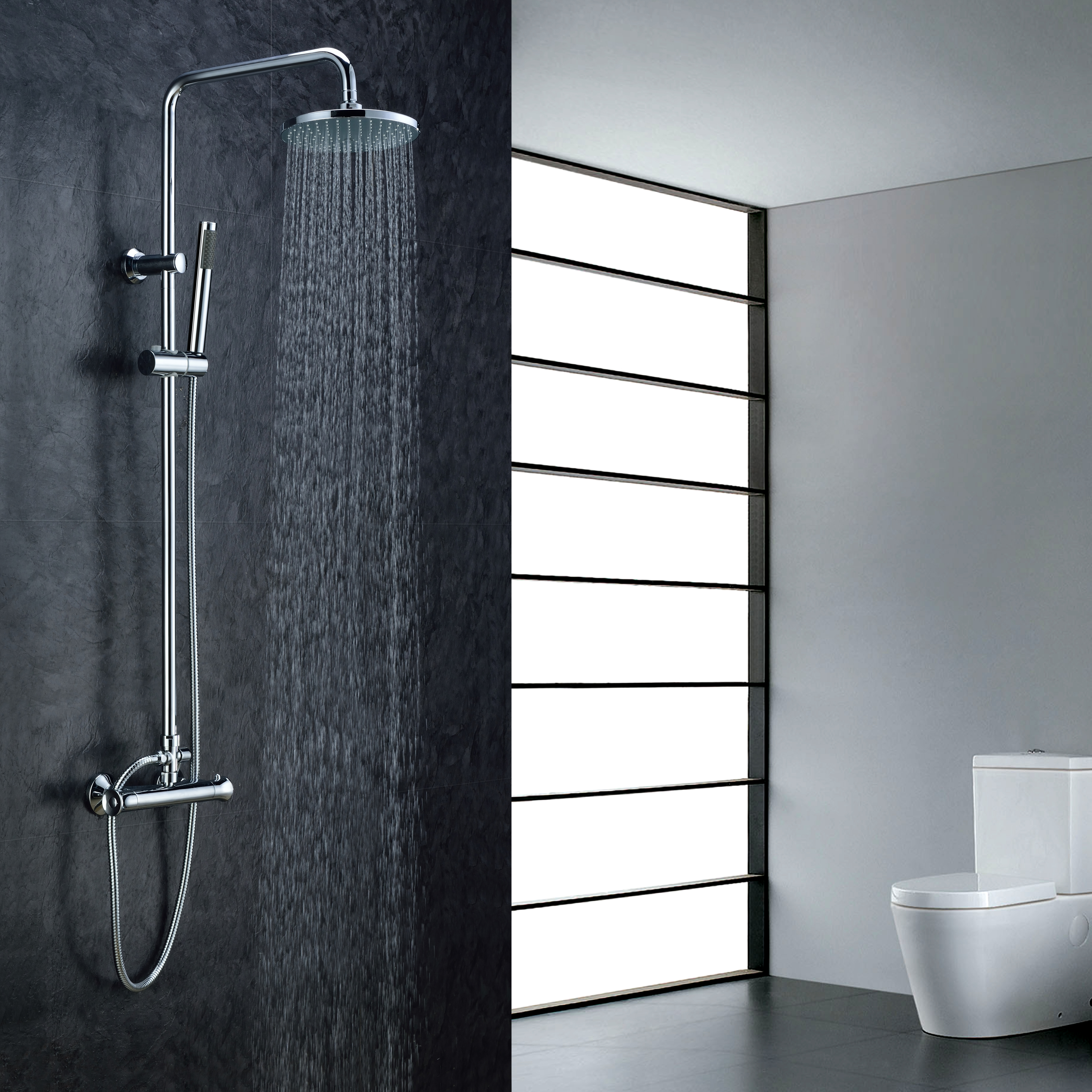
Maintaining the surface of a black tap requires consistent attention to prevent unsightly limescale buildup that can compromise both appearance and functionality. Black taps have become increasingly popular in modern kitchens and bathrooms due to their sleek, contemporary aesthetic. However, their dark finish can make mineral deposits and limescale particularly visible, creating a maintenance challenge for homeowners. Understanding how to properly care for your black tap, including managing the integrated thermostatic valve, will help preserve its pristine appearance and extend its operational lifespan.
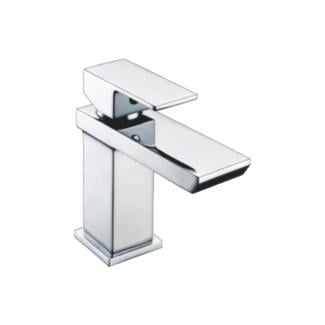
The thermostatic valve integrated into most modern black taps plays a critical role in preventing mineral accumulation by regulating water temperature and pressure. When a thermostatic valve functions properly, it helps maintain consistent water flow and temperature, reducing the stress that can lead to mineral concentration on tap surfaces. Limescale buildup occurs when hard water minerals—primarily calcium and magnesium—deposit on the tap's exterior and interior surfaces, particularly around aerators and spouts. Proper maintenance of your thermostatic valve alongside regular surface cleaning creates a comprehensive defense against limescale and keeps your black tap looking new.
Daily and Weekly Cleaning for Black Tap Surfaces
Immediate Limescale Prevention Through Regular Wiping
The most effective approach to preventing limescale on your black tap begins with daily maintenance. After each use, gently wipe your black tap with a soft, dry microfiber cloth to remove water droplets before they can dry and leave mineral residue. This simple practice prevents the initial stage of limescale formation and maintains the tap's shine. Hard water mineral deposits accumulate fastest where water sits longest, so keeping the surface dry is essential for any black tap owner in areas with hard water.
Gentle Cleaning Solutions for Black Finish Protection
When regular wiping is insufficient, use a gentle cleaning approach that protects your black tap's finish. Mix equal parts white vinegar and water in a spray bottle, then spray directly onto affected areas and let the solution sit for ten to fifteen minutes. Vinegar's mild acidity dissolves limescale deposits without damaging the black coating. After the soak period, use a soft cloth or non-abrasive sponge to gently wipe away the dissolved minerals. Avoid scouring pads or harsh chemicals that can scratch your black tap's protective coating and create areas where limescale accumulates more rapidly. If your tap features a thermostatic valve with external components, apply the vinegar solution carefully around these areas, ensuring the liquid doesn't pool where it might affect the thermostatic valve's seals.
Maintaining Your Thermostatic Valve to Reduce Mineral Buildup
How the Thermostatic Valve Impacts Limescale Formation
A properly functioning thermostatic valve reduces the conditions that promote limescale accumulation on your black tap. The thermostatic valve regulates water temperature by automatically adjusting hot and cold water proportions, which helps maintain stable conditions in the tap's internal passages. When a thermostatic valve is working optimally, water flows smoothly without pressure spikes that can cause turbulence and mineral concentration. Conversely, a failing thermostatic valve may cause temperature fluctuations or pressure changes that stress the tap's structure and accelerate mineral deposit formation. Regular inspection and maintenance of your thermostatic valve therefore directly contribute to reducing limescale buildup on the tap's surface.
Descaling the Thermostatic Valve Components
The aerator—the mesh screen at your tap's spout—often contains concentrated limescale deposits because this is where water exits and minerals settle most heavily. To clean your aerator, carefully unscrew it from the tap spout and soak it in white vinegar for thirty minutes to one hour. For taps with integrated thermostatic valve components, consult your manufacturer's guidelines before disassembling any internal parts. After soaking, gently scrub the aerator with an old toothbrush to dislodge stubborn mineral deposits, then rinse thoroughly and reinstall. This process removes limescale that directly impacts water flow and appearance, and it also reduces strain on your thermostatic valve by ensuring unrestricted water passage. Performing this maintenance quarterly in hard water areas prevents severe mineral accumulation and keeps your black tap functioning at peak performance.
Long-Term Prevention Strategies for Hard Water Areas
Water Softening Systems and Mineral Filtration
In regions with particularly hard water, investing in a water softening system provides comprehensive protection for your black tap and its thermostatic valve. Water softeners remove the mineral ions responsible for limescale formation before water reaches your tap, dramatically reducing buildup on the surface. Even a point-of-use filter on your kitchen tap can significantly extend cleaning intervals between maintenance sessions. The thermostatic valve embedded in your tap benefits from softened water as well, experiencing less mineral stress and maintaining more reliable temperature regulation. While water softeners require initial investment and ongoing maintenance, they protect not only your black tap but also extend the life of washing machines, dishwashers, and other water-using appliances throughout your home.
Seal Protection and Environmental Factors
The seal integrity of your black tap and its thermostatic valve is compromised when the tap sits in an environment prone to water staining and mineral accumulation. Installing a removable drip tray beneath your tap catches water before it splashes onto surrounding surfaces, reducing secondary limescale staining. Ensure adequate ventilation in bathrooms and kitchens to allow water droplets to evaporate naturally rather than sitting and leaving deposits. In very hard water regions, some homeowners apply a protective wax coating specifically designed for black fixtures to create a barrier against mineral adhesion. Your thermostatic valve functions more reliably when the tap as a whole receives this level of environmental protection, as reduced external mineral stress translates to less internal scaling.
FAQ
Can I use commercial limescale removers on my black tap?
Most commercial limescale removers are too harsh for black tap finishes and may damage the protective coating or harm the thermostatic valve seals. Stick with mild white vinegar solutions or products specifically labeled as safe for black fixtures. Always test any new cleaning agent on a hidden area first before applying it to visible surfaces of your thermostatic valve-equipped tap.
How often should I clean my black tap to prevent limescale buildup?
In areas with hard water, daily drying with a soft cloth prevents the most stubborn deposits, while deeper cleaning with vinegar every one to two weeks addresses visible limescale. The thermostatic valve and aerator should receive descaling attention quarterly or whenever you notice reduced water pressure or temperature irregularities. Adjust your maintenance frequency based on your water hardness level and local mineral content.
What happens if limescale builds up inside my tap's thermostatic valve?
Limescale accumulation inside your thermostatic valve reduces its ability to regulate temperature accurately and can eventually cause complete malfunction. This is why external surface maintenance combined with aerator descaling is so critical—it prevents mineral deposits from traveling into the thermostatic valve mechanism. If your tap develops inconsistent temperature control despite regular cleaning, the thermostatic valve may need professional service or replacement to restore proper function.