 EN

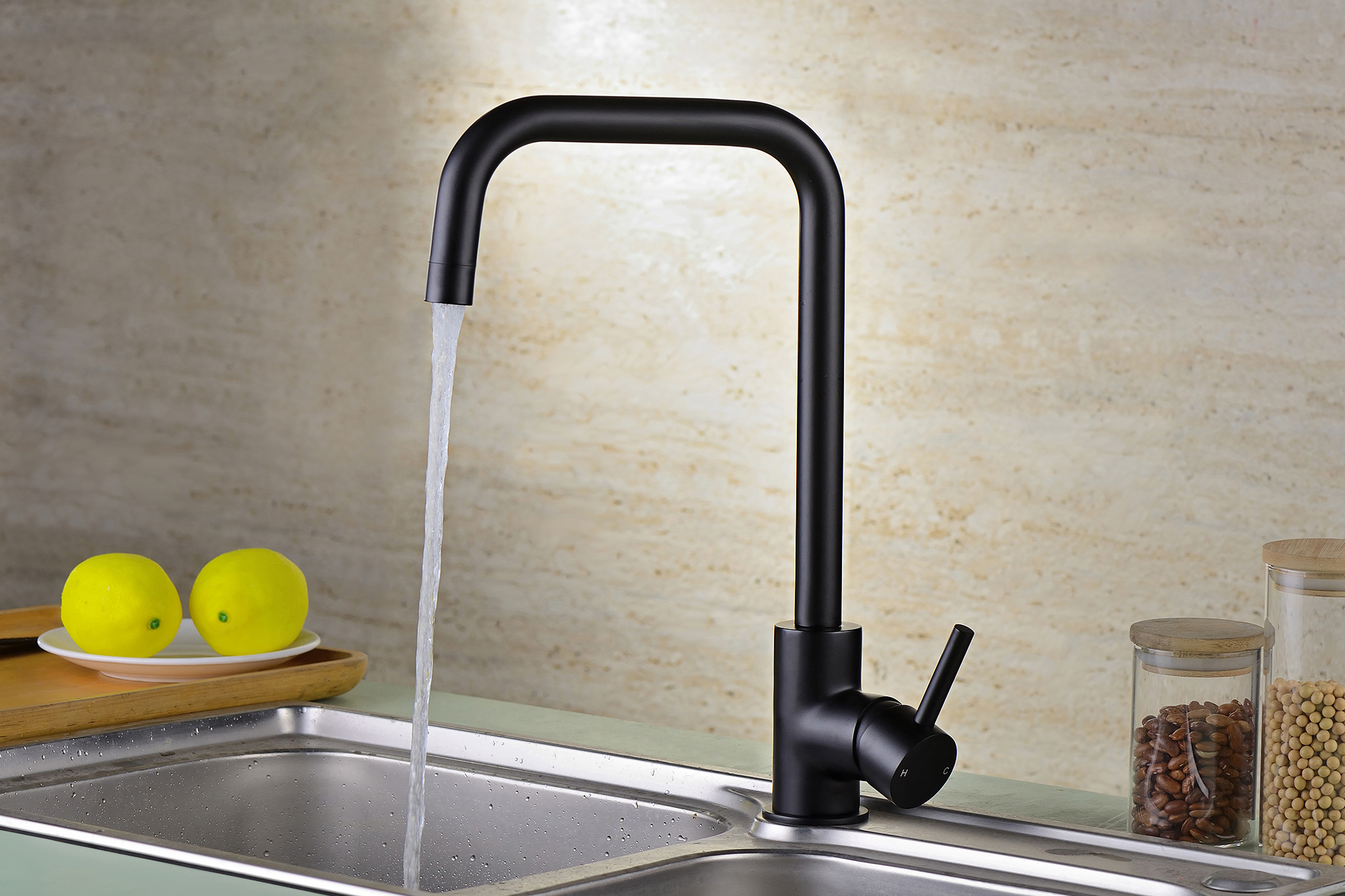
Kitchen faucets endure constant daily use, from washing dishes to filling pots and rinsing produce. The valve mechanism inside your kitchen faucets determines how long the fixture will perform reliably before leaks develop or the handle becomes difficult to operate. Modern kitchen faucets equipped with ceramic valves represent a significant advancement in faucet engineering, offering homeowners and professionals a solution that combines exceptional longevity with consistent performance. Understanding the durability advantages of ceramic valve technology helps you make an informed investment in kitchen fixtures that will serve reliably for years to come.

Ceramic valves function through precision-engineered ceramic discs that create a watertight seal when the handle is turned off. Unlike traditional rubber washers or cartridge designs that wear down through repeated friction, ceramic materials in kitchen faucets withstand millions of open-close cycles without significant degradation. This fundamental difference in valve construction explains why ceramic-equipped kitchen faucets have become the preferred choice in commercial kitchens, restaurants, and demanding residential settings where durability and reliability are non-negotiable priorities.
Superior Resistance to Wear and Friction
How Ceramic Materials Handle Repeated Use
The ceramic discs inside your kitchen faucets create a smooth, non-porous surface that resists the wear patterns that plague conventional valve designs. When you operate kitchen faucets thousands of times each year, the repeated grinding motion between valve components creates friction that eventually causes degradation. Ceramic materials in kitchen faucets are engineered to withstand this continuous stress, maintaining their sealing properties even after decades of heavy use. The molecular structure of ceramic prevents the micro-scratching and erosion that leads to leaks in traditional washers, making ceramic valve kitchen faucets significantly more durable than their conventional counterparts.
Extended Lifespan and Performance Consistency
Kitchen faucets with ceramic valves typically maintain consistent water flow control and leak-free operation for 15 to 30 years under normal household use, compared to 5 to 10 years for traditional designs. This extended lifespan is not merely a marketing claim but a consequence of ceramic's inherent material properties. The hardness and density of ceramic discs used in kitchen faucets prevent the gradual valve degradation that forces replacement or costly repairs. Homeowners who invest in kitchen faucets featuring ceramic valve technology avoid the frustration of declining performance or unexpected water damage from valve failure.
Resistance to Mineral Deposits and Sediment
Protection Against Water Quality Issues
Hard water, sediment, and mineral buildup pose serious threats to valve longevity in kitchen faucets. Calcium and magnesium deposits accumulate on traditional valve seats, creating rough surfaces that compromise the seal quality of kitchen faucets. Ceramic materials used in kitchen faucets possess a naturally smooth, non-porous surface that prevents mineral adhesion and sediment accumulation in areas where water flows. This resistance to mineral deposits means your kitchen faucets maintain reliable operation in regions with challenging water quality, without requiring frequent descaling or maintenance interventions. The ceramic valve technology in modern kitchen faucets provides a significant practical advantage for homeowners dealing with hard water conditions.
Reduced Maintenance Requirements
Unlike rubber washers that require periodic replacement and valve seats that need occasional cleaning, ceramic components in kitchen faucets demand minimal maintenance attention. The non-porous nature of ceramic prevents bacterial growth and biofilm accumulation on valve surfaces inside your kitchen faucets. This means fewer drips, longer intervals between repairs, and reduced disruption to your kitchen's functionality. Kitchen faucets equipped with ceramic valves free you from the cycle of maintenance that characterizes older valve designs, making them an economical choice over their lifespan despite their higher initial cost.
Temperature and Chemical Stability
Performance in Extreme Conditions
Kitchen environments present varied conditions that test faucet durability, from exposure to hot water during washing to contact with cleaning chemicals and aggressive detergents. Ceramic materials used in kitchen faucets remain chemically inert, resisting degradation from household cleaners, soap residues, and mineral-laden water. The thermal properties of ceramic also allow kitchen faucets to maintain consistent performance across the full range of hot and cold water temperatures without warping or losing sealing integrity. Professional kitchens particularly benefit from ceramic valve kitchen faucets because they withstand the constant temperature cycling and chemical exposure that would quickly degrade alternative valve designs.
Consistency Across Water Temperature Ranges
Traditional valve materials can expand and contract with temperature changes, gradually compromising the seal quality in kitchen faucets over time. Ceramic discs maintain dimensional stability across extreme temperature variations, ensuring that your kitchen faucets deliver the same reliable shut-off performance whether you're controlling scalding hot water or ice-cold supply. This thermal consistency in ceramic valve kitchen faucets prevents the microgap formation that allows small leaks to develop when metal components expand or contract. The result is predictable, maintenance-free operation regardless of seasonal temperature fluctuations or unusual usage patterns in your kitchen.
Economic and Environmental Impact
Long-Term Cost Savings Through Durability
While kitchen faucets with ceramic valves may carry a higher initial purchase price than budget alternatives, the economic calculation over a 20-year lifespan strongly favors ceramic technology. Replacing a standard kitchen faucet every 7 years versus replacing a ceramic valve model every 25 years results in significant savings on both the faucet cost and installation labor. More importantly, the reduced likelihood of water damage from valve failure protects your kitchen from expensive structural damage and water remediation costs. Homeowners recognize that investing in kitchen faucets with superior durability represents sensible financial planning that compounds savings throughout the years.
Water Conservation Benefits
Kitchen faucets that maintain perfect sealing integrity throughout their lifespan prevent the slow drips that waste thousands of gallons of water annually. A single dripping faucet in your kitchen faucets fixture might seem insignificant, but over months and years, ceramic valve technology saves both water and the utility costs associated with treating excess water. The environmental benefit of choosing kitchen faucets with ceramic valves extends beyond your home, reducing municipal water treatment demands and supporting broader conservation efforts. This alignment of personal economic interest with environmental responsibility makes ceramic valve kitchen faucets an increasingly popular choice among environmentally conscious households.
FAQ
How do ceramic valves in kitchen faucets prevent leaks better than rubber washers?
Ceramic materials create an extremely smooth, non-porous surface that forms a perfect seal against the valve seat inside your kitchen faucets. Rubber washers gradually compress and deteriorate with repeated use, developing microscopic gaps that allow water to seep through. Ceramic discs resist compression and maintain their surface integrity indefinitely, ensuring that your kitchen faucets remain leak-free for decades. The precision engineering of ceramic valve kitchen faucets eliminates the material weakness that makes rubber washers require replacement every few years.
Are ceramic valve kitchen faucets worth the higher upfront cost?
Yes, the investment in ceramic valve kitchen faucets delivers substantial returns through extended service life, reduced maintenance expenses, and prevention of water damage. Over a 25-year ownership period, kitchen faucets with ceramic valves typically cost less than repeatedly replacing conventional models every 7 to 10 years. Additionally, the reliability of ceramic valve technology means fewer emergency repairs and less disruption to your kitchen's functionality. For homeowners planning to remain in their homes long-term, kitchen faucets equipped with ceramic valves represent one of the most economically sensible plumbing investments available.
Can ceramic valve kitchen faucets handle hard water without special treatment?
Kitchen faucets with ceramic valves naturally resist mineral deposits and sediment accumulation better than conventional designs, but extremely hard water may still benefit from periodic descaling of the aerator. The ceramic disc surfaces inside your kitchen faucets remain protected from mineral buildup because their non-porous nature prevents adhesion of calcium and magnesium compounds. This means kitchen faucets with ceramic valves require far less maintenance than traditional models even in challenging water conditions. Most homeowners find that ceramic valve kitchen faucets perform reliably for years in hard water environments without requiring special water treatment systems.