 EN
EN

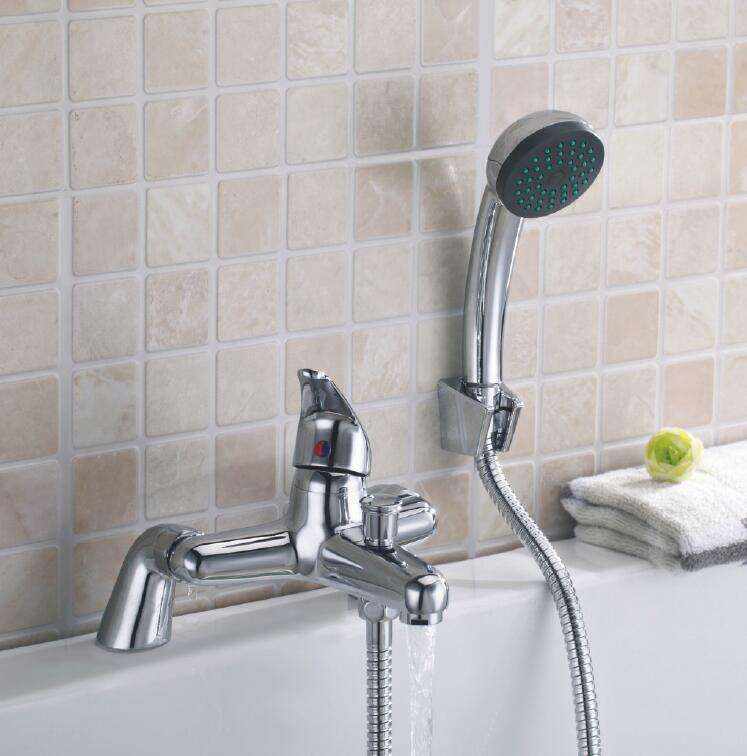
When evaluating long-term performance in a commercial or residential kitchen, kitchen faucets with ceramic valves consistently stand out as the most durable option available today. Unlike conventional rubber-washer designs that degrade under repeated use, kitchen faucets with ceramic valves rely on precision-engineered ceramic discs that resist wear, corrosion, and temperature stress over thousands of operating cycles. Understanding these durability advantages helps buyers, facility managers, and procurement teams make smarter, longer-lasting investment decisions.
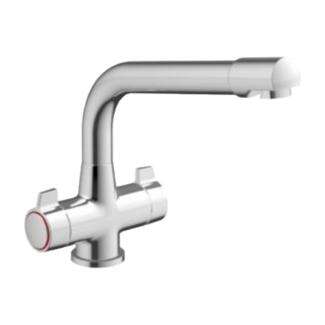
Kitchen faucets with ceramic valves have become the preferred choice across both domestic and professional settings because of their demonstrably superior lifespan compared to older valve technologies. The ceramic disc mechanism at the heart of these faucets is rated to endure hundreds of thousands of on-off cycles without leaking or stiffening. This article examines the specific durability advantages of kitchen faucets with ceramic valves, covering material resilience, operational reliability, and long-term cost efficiency.
Material Strength Behind Ceramic Valve Durability
Why Ceramic Outperforms Rubber and Metal Components
The core durability advantage of kitchen faucets with ceramic valves comes directly from the material properties of ceramic itself. Ceramic discs are manufactured under high pressure and fired at extreme temperatures, producing a surface hardness that rivals industrial-grade materials. This hardness means that kitchen faucets with ceramic valves are far less susceptible to the micro-abrasion that gradually destroys rubber washers or softens metal-on-metal valve seats. Even in environments with hard or mineral-rich water, kitchen faucets with ceramic valves maintain a tight, consistent seal because the ceramic surface does not pit or corrode the way softer materials do.
Kitchen faucets with ceramic valves also benefit from the thermal stability of ceramic compounds. Kitchens routinely cycle between cold and near-boiling water, and this thermal shock gradually degrades rubber and plastic components. Because ceramic is thermally inert within normal kitchen operating ranges, kitchen faucets with ceramic valves retain their dimensional accuracy and sealing integrity far longer than competing valve types. This thermal resilience directly translates into fewer seal failures and a significantly extended product lifespan.
Resistance to Scale and Chemical Exposure
Scale buildup from hard water is one of the most common causes of faucet valve failure. Kitchen faucets with ceramic valves resist scale adhesion on the disc surfaces because the ultra-smooth ceramic finish provides very little surface texture for mineral deposits to grip. When scale does form within the valve body, kitchen faucets with ceramic valves continue operating smoothly because the ceramic discs slide against each other rather than relying on a compressible seal that scale can deform. This characteristic makes kitchen faucets with ceramic valves especially practical in areas with notoriously hard water supplies. Additionally, ceramic is chemically inert, meaning exposure to common kitchen cleaning agents, soaps, and acidic food residues does not degrade the valve material over time.
Operational Reliability Over Extended Use
Consistent Handle Feel and Leak Prevention
One of the most noticeable durability advantages of kitchen faucets with ceramic valves is the consistency of the handle feel throughout the product's lifespan. In rubber-washer faucets, the handle gradually becomes stiffer or looser as the washer deforms, which often signals an imminent leak. Kitchen faucets with ceramic valves maintain a smooth, controlled handle action even after years of daily use because the ceramic discs do not compress, warp, or take a permanent set. This means users can rely on precise flow and temperature control without the handle feel deteriorating over time. Fewer mechanical changes within the valve body also mean fewer opportunities for leaks to develop at the valve seat.
Leak prevention is a critical operational advantage for commercial kitchens and busy households alike. Kitchen faucets with ceramic valves achieve a positive shut-off by aligning or misaligning precision-drilled holes in the two ceramic discs. This geometry-based sealing principle is inherently more reliable than pressing a deformable washer against a metal seat. Because kitchen faucets with ceramic valves do not depend on material compression to seal water flow, the shut-off performance remains consistent even after extensive use. Reduced dripping and fewer valve replacements lower both water waste and maintenance costs substantially.
Cycle Life and Long-Term Performance Data
Kitchen faucets with ceramic valves are typically rated to a cycle life measured in the hundreds of thousands of full open-close operations. This figure dwarfs the cycle ratings of traditional rubber-washer designs, which commonly require replacement or reseating after a fraction of that usage. For a busy kitchen environment where the faucet is operated dozens of times per day, kitchen faucets with ceramic valves can reasonably be expected to remain leak-free for well over a decade without valve replacement. This operational longevity is a primary reason why kitchen faucets with ceramic valves are specified in commercial fitouts and high-end residential projects where downtime for repairs is particularly costly.
Long-Term Cost Efficiency and Maintenance Benefits
Reduced Maintenance Requirements
The durability of kitchen faucets with ceramic valves translates directly into reduced maintenance frequency and lower total cost of ownership. Traditional faucet valves require periodic replacement of rubber washers, O-rings, or cartridges, each service event consuming time and materials. Kitchen faucets with ceramic valves typically require no internal valve servicing for the majority of their operational life. Facility managers overseeing multiple kitchen stations find that specifying kitchen faucets with ceramic valves significantly reduces call-out requests and parts inventory requirements. Over a three-to-five-year period, the maintenance savings associated with kitchen faucets with ceramic valves typically offset any premium in initial purchase price.
Contribution to Sustainable Operations
Sustainability is an increasingly important consideration in procurement decisions, and kitchen faucets with ceramic valves contribute positively to this goal. Because kitchen faucets with ceramic valves last longer and leak less, they reduce water waste over their operational life. Fewer replacement parts mean less manufacturing waste and fewer service visits, which lowers the overall environmental footprint of kitchen plumbing maintenance. For facilities pursuing green building certifications or simply committed to responsible resource use, kitchen faucets with ceramic valves represent a sensible and demonstrably efficient choice. The combination of longevity, leak resistance, and low maintenance makes kitchen faucets with ceramic valves a sound long-term investment from both an economic and environmental standpoint.
FAQ
How long do kitchen faucets with ceramic valves typically last?
Kitchen faucets with ceramic valves are designed to withstand several hundred thousand operating cycles, which in practical terms means the valve components can last well over a decade of regular daily use without requiring replacement. The actual lifespan depends on water quality and usage frequency, but kitchen faucets with ceramic valves consistently outlast rubber-washer designs by a substantial margin.
Are kitchen faucets with ceramic valves suitable for hard water areas?
Yes, kitchen faucets with ceramic valves are particularly well suited to hard water conditions. The ultra-smooth ceramic disc surfaces resist mineral scale adhesion better than rubber or soft metal components, and the geometry-based sealing mechanism continues to perform reliably even when some scale deposits accumulate inside the valve body.
Do kitchen faucets with ceramic valves require special maintenance?
Kitchen faucets with ceramic valves generally require very little internal maintenance over their lifespan. Routine external cleaning and periodic checks of sealing rings around the valve body are usually sufficient. Unlike traditional faucets, kitchen faucets with ceramic valves do not need frequent washer replacements, which makes them a low-maintenance and cost-efficient choice for both residential and commercial applications.