 EN
EN

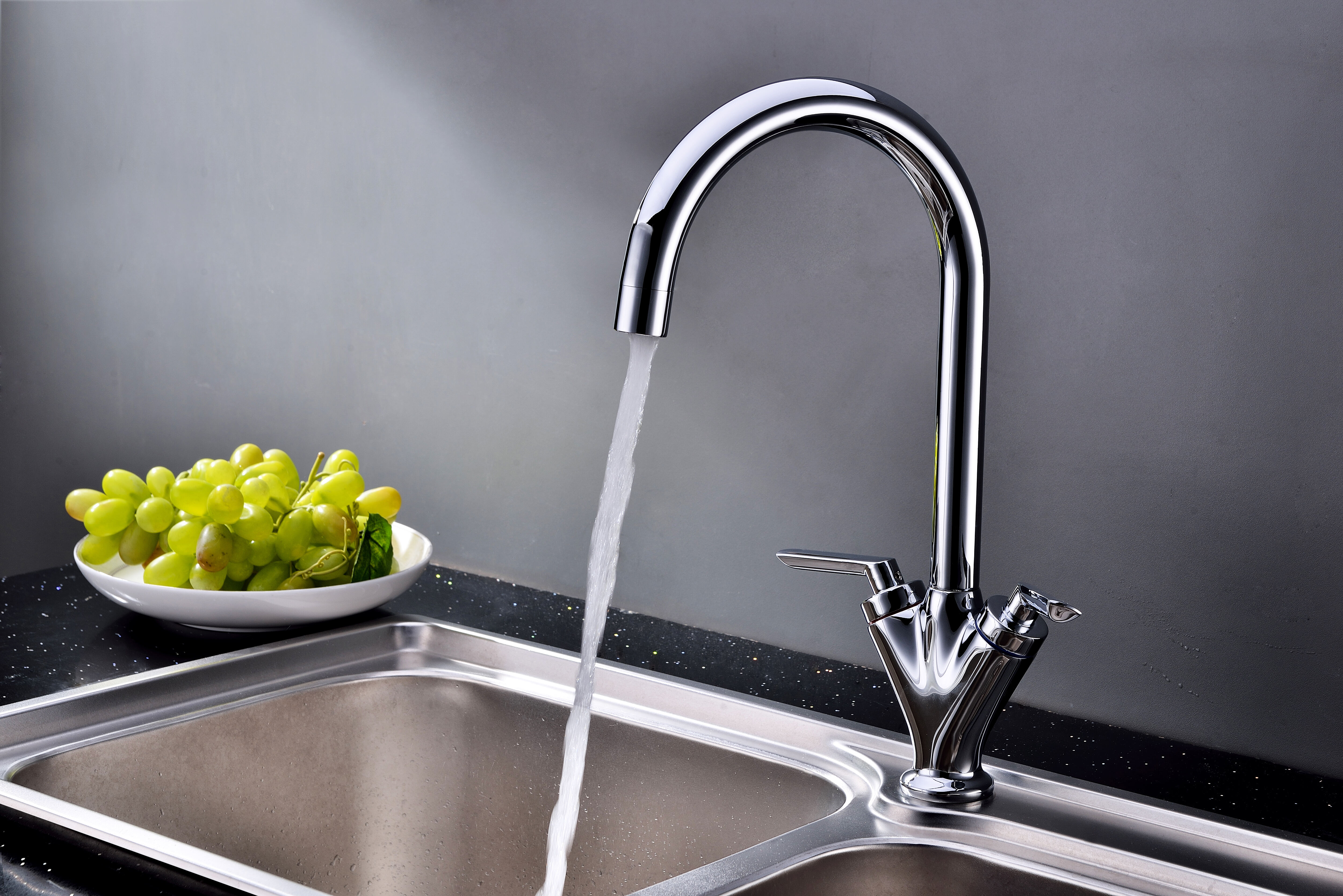
Modern spa facilities demand the highest standards of reliability, durability, and performance from every component in their water systems. Among the most critical elements that determine both guest satisfaction and operational efficiency is the choice of shower valves. A brass shower valve represents the gold standard for commercial spa installations, offering superior corrosion resistance, precise temperature control, and exceptional longevity that makes it the preferred choice for luxury hospitality venues worldwide.
The selection of appropriate shower valves directly impacts guest experience, maintenance costs, and facility reputation. Premium spa establishments recognize that investing in high-quality brass shower valve systems delivers measurable returns through reduced downtime, enhanced guest satisfaction, and lower long-term replacement costs. Understanding the specific advantages of brass construction helps facility managers make informed decisions that align with both operational requirements and brand positioning.
Superior Material Properties and Construction Benefits
Exceptional Corrosion Resistance in High-Moisture Environments
Brass composition inherently resists corrosion and oxidation, making it ideally suited for the demanding environment of spa shower systems. Unlike iron-based materials that quickly deteriorate when exposed to constant moisture, a brass shower valve maintains its structural integrity and functional performance for decades. The natural antimicrobial properties of brass also contribute to improved hygiene standards, reducing bacterial growth and biofilm formation within the valve mechanism.
The high copper content in brass creates a hostile environment for harmful microorganisms, providing an additional layer of protection for spa guests. This antimicrobial effect becomes particularly valuable in commercial spa settings where multiple guests use the same facilities throughout each day. Facility managers appreciate how brass shower valve installations require minimal chemical treatments or specialized cleaning protocols to maintain sanitary conditions.
Dimensional Stability Under Temperature Variations
Thermal expansion and contraction cycles that occur during regular spa operations can compromise valve performance over time. Brass demonstrates excellent dimensional stability across the wide temperature ranges typically encountered in spa shower systems. This stability ensures consistent valve operation and prevents the internal component binding that often affects alternative materials under similar conditions.
The thermal conductivity properties of brass also contribute to more responsive temperature adjustments, allowing guests to achieve their desired water temperature quickly and maintain it consistently throughout their shower experience. This responsiveness enhances guest satisfaction while reducing water waste during temperature adjustment periods.
Enhanced Performance Characteristics for Commercial Applications
Precise Temperature Control and Safety Features
Modern spa guests expect precise, consistent water temperature control that responds immediately to adjustments. A high-quality brass shower valve delivers superior temperature regulation through precision-machined internal components that maintain tight tolerances even after extended use. The material properties of brass allow for smoother valve operation and more accurate temperature mixing compared to plastic or composite alternatives.
Safety considerations become paramount in commercial spa environments where liability concerns require robust scald protection systems. brass shower valve assemblies typically incorporate thermostatic mixing capabilities that automatically compensate for supply pressure variations and prevent dangerous temperature fluctuations that could harm guests.
Superior Flow Rate Management and Pressure Handling
Commercial spa installations often operate under varying water pressure conditions throughout different times of day. Brass shower valve systems excel at maintaining consistent flow rates despite these pressure variations, ensuring that all shower stations deliver adequate water volume for satisfying guest experiences. The structural strength of brass allows for larger internal passages without compromising valve integrity.
The smooth internal surfaces achievable with brass construction minimize turbulence and pressure drops within the valve body. This efficiency translates to better overall system performance and reduced energy consumption for water heating systems, contributing to improved operational sustainability and lower utility costs for spa operators.
Long-Term Economic Benefits and Cost Considerations
Extended Service Life Reduces Replacement Frequency
Initial investment costs for premium brass shower valve systems are typically higher than alternative materials, but the extended service life delivers superior long-term value. Quality brass valves often function reliably for twenty years or more in commercial spa environments, while plastic or composite valves may require replacement every five to seven years under similar conditions.
The durability advantage becomes even more pronounced when considering the disruption costs associated with valve replacement projects. Spa facilities must often close individual shower areas or entire sections during maintenance work, resulting in lost revenue and disappointed guests. Brass shower valve installations minimize these disruptions through their exceptional reliability and longevity.
Reduced Maintenance Requirements and Service Costs
Maintenance teams appreciate the serviceability advantages that quality brass shower valve systems provide. The material resists scaling and mineral buildup that commonly affects other valve types, reducing the frequency of deep cleaning and descaling procedures. When service is required, brass components can often be cleaned and restored rather than replaced entirely.
The standardized threading and connection specifications used in brass shower valve manufacturing also simplify parts procurement and inventory management. Maintenance departments can stock common replacement parts knowing they will remain compatible across different valve installations, reducing inventory costs and improving repair response times.
Installation Advantages and System Integration
Compatibility with Existing Plumbing Infrastructure
Retrofit installations and system upgrades benefit from the excellent compatibility that brass shower valve systems offer with existing copper and brass plumbing infrastructure. The material compatibility prevents galvanic corrosion issues that can arise when dissimilar metals are connected in plumbing systems, ensuring long-term system reliability and preventing costly pipe replacement projects.
Standard threading and connection methods used in brass valve manufacturing integrate seamlessly with established plumbing practices, allowing maintenance teams to work efficiently without specialized tools or techniques. This compatibility advantage reduces installation time and labor costs while ensuring reliable connections that won't develop leaks over time.
Flexible Configuration Options for Different Spa Layouts
Modern spa designs often require customized shower configurations to accommodate unique architectural features and guest flow patterns. Brass shower valve systems offer extensive configuration flexibility through modular component designs and multiple mounting options. This adaptability allows designers to create optimal shower experiences while maintaining the performance benefits of brass construction.
The machinability of brass also enables custom modifications when standard configurations don't meet specific installation requirements. Skilled technicians can modify valve bodies, adjust connection orientations, or create custom trim pieces while maintaining the structural integrity and performance characteristics of the original brass shower valve design.
Environmental Impact and Sustainability Considerations
Recyclability and Environmental Responsibility
Sustainability concerns increasingly influence purchasing decisions in the hospitality industry, and brass shower valve systems align well with environmental responsibility goals. Brass is completely recyclable, and end-of-life valves retain significant scrap value that offsets disposal costs. The extended service life of brass valves also reduces the environmental impact associated with manufacturing replacement components.
The durability characteristics that extend brass shower valve service life directly translate to reduced resource consumption over the facility's operational lifetime. Fewer replacement cycles mean less manufacturing energy, reduced transportation requirements, and decreased packaging waste compared to shorter-lived alternative materials.
Energy Efficiency Through Improved Thermal Performance
The thermal conductivity properties of brass contribute to more efficient heat transfer and faster temperature response times in shower systems. Guests spend less time adjusting water temperature to achieve comfort, reducing hot water consumption and associated energy costs. The precise temperature control capabilities of brass shower valve systems also minimize temperature overshoot that wastes heated water.
Advanced brass valve designs can incorporate flow restriction features that maintain satisfying shower experiences while reducing overall water consumption. These efficiency improvements help spa facilities meet sustainability targets while controlling operating costs and demonstrating environmental stewardship to environmentally conscious guests.
Guest Experience Enhancement Through Premium Components
Smooth Operation and Responsive Controls
The precision manufacturing capabilities possible with brass construction result in smooth, responsive valve operation that enhances the overall guest experience. Guests notice the difference when shower controls respond immediately to adjustments and maintain settings consistently throughout their spa visit. The solid feel and smooth operation of quality brass shower valve systems communicate luxury and attention to detail that aligns with premium spa positioning.
Consistent performance across all shower stations ensures that every guest receives the same high-quality experience regardless of which facility areas they use. This consistency becomes particularly important for spa facilities that cater to discerning clientele who expect flawless operation from every system component.
Aesthetic Appeal and Design Integration
The natural appearance and finish options available with brass shower valve components complement a wide range of spa design aesthetics. From traditional brass finishes that convey timeless elegance to contemporary brushed or matte treatments, brass valves can be specified to match any interior design concept while maintaining superior functional performance.
The ability to achieve consistent finish quality across all valve components ensures visual harmony throughout the spa facility. Guests subconsciously notice these design details, and the cohesive appearance of quality brass shower valve installations contributes to the overall perception of luxury and attention to detail that drives customer satisfaction and return visits.
FAQ
How long can a brass shower valve last in a commercial spa environment
A high-quality brass shower valve typically provides twenty to thirty years of reliable service in commercial spa applications when properly maintained. The corrosion resistance and durability of brass construction allow these valves to withstand the demanding conditions of constant use and high-moisture environments far better than alternative materials. Regular maintenance and periodic component replacement can extend service life even further, making brass valves an excellent long-term investment for spa facilities.
What maintenance is required for brass shower valve systems
Brass shower valve systems require minimal routine maintenance beyond periodic cleaning and inspection of seals and gaskets. The corrosion-resistant properties of brass prevent the scaling and mineral buildup that commonly affects other valve materials, reducing deep cleaning requirements. Annual inspection of thermostatic mixing components and replacement of wear items like O-rings typically maintains optimal performance. Most maintenance procedures can be performed without removing the entire valve assembly, minimizing facility disruption.
Are brass shower valves compatible with all water types and conditions
Brass shower valve systems perform excellently across a wide range of water quality conditions, including hard water areas where mineral content would quickly damage less durable materials. The natural corrosion resistance of brass handles chlorinated water, varying pH levels, and dissolved minerals without degradation. However, extremely aggressive water conditions may require water treatment systems to optimize valve performance and extend component life, regardless of the valve material selected.
How do brass shower valves compare to stainless steel alternatives in spa applications
While stainless steel offers excellent corrosion resistance, brass shower valve systems provide superior thermal conductivity for more responsive temperature control and easier machining for precise internal tolerances. Brass also offers antimicrobial properties that stainless steel lacks, providing additional hygiene benefits in spa environments. The cost considerations favor brass for most commercial installations, as comparable performance stainless steel valves typically command premium pricing while offering fewer practical advantages for spa applications.
Table of Contents
- Superior Material Properties and Construction Benefits
- Enhanced Performance Characteristics for Commercial Applications
- Long-Term Economic Benefits and Cost Considerations
- Installation Advantages and System Integration
- Environmental Impact and Sustainability Considerations
- Guest Experience Enhancement Through Premium Components
- FAQ