 EN

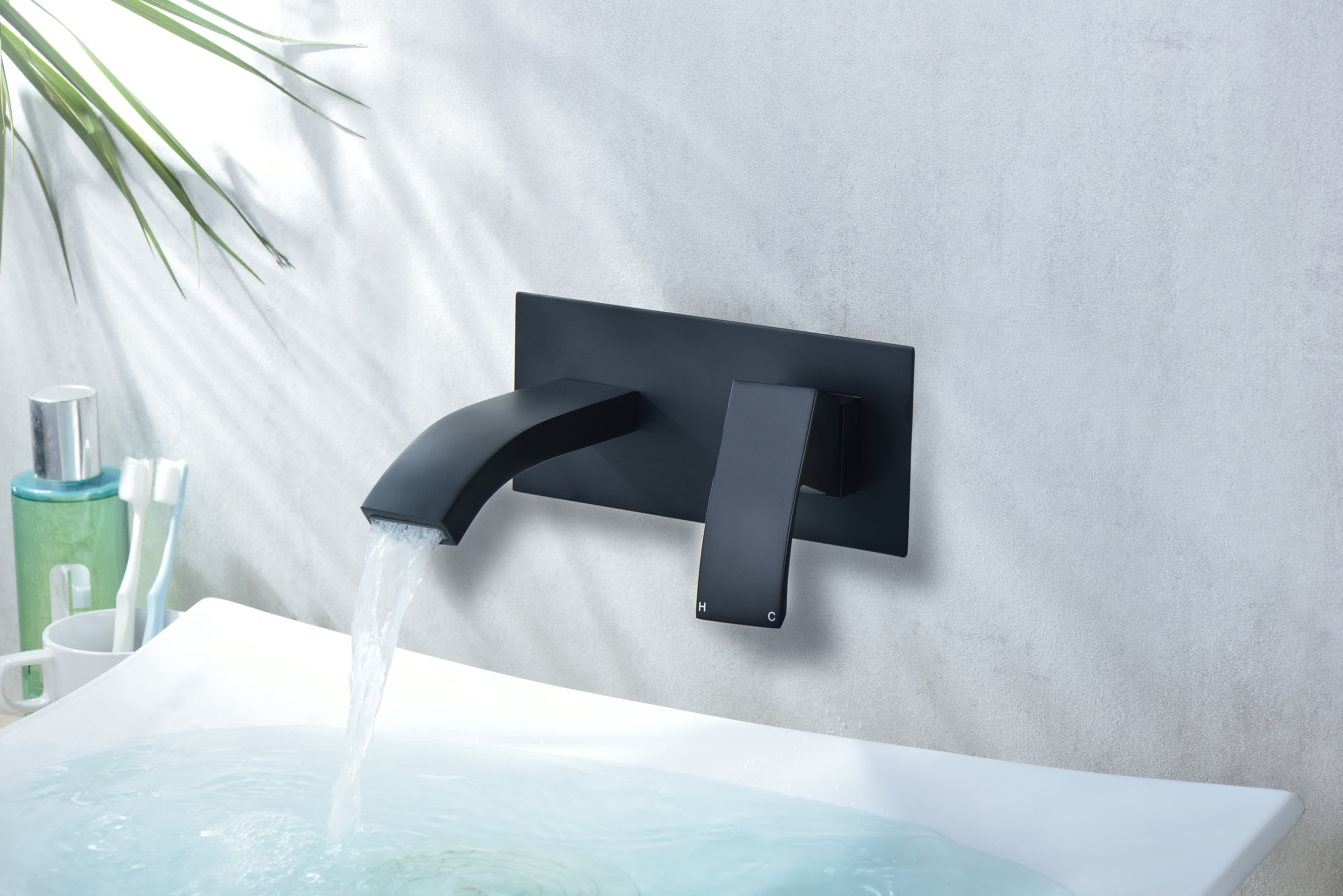
Modern water conservation has become essential in both residential and commercial settings, and the design of your basin fixture plays a critical role in achieving meaningful reductions in water usage. An aerated black tap represents a sophisticated approach to water efficiency, combining aerator technology with contemporary fixture design to deliver substantial environmental and economic benefits. Understanding how an aerated black tap works and why it matters helps property managers, facility designers, and homeowners make informed decisions about fixture upgrades that align with sustainability goals.
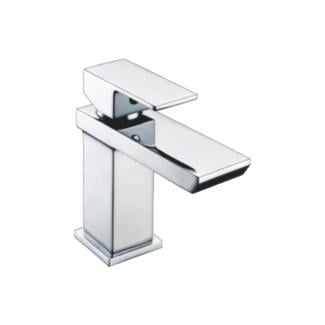
The aerated basin black tap design integrates air injection technology into the spout, fundamentally changing how water flows from the fixture. Rather than delivering a solid stream of water, an aerated black tap incorporates tiny air bubbles into the water flow, creating a softer, more voluminous stream that feels powerful while using significantly less water. This innovative approach to fixture engineering has transformed water conservation from a limitation into a practical advantage that improves user experience simultaneously.
How Aeration Technology Works in Basin Tap Design
The Aerator Mechanism and Water Mixing
The core of an aerated black tap contains a specialized aerator cartridge that mixes air with water before discharge. When water flows through the black tap spout, it passes through a chamber containing small perforations or screens that break the water stream into individual droplets. Air is simultaneously drawn into the chamber, mixing with the water droplets to create a bubbly, expanded stream. This process allows an aerated black tap to maintain adequate water pressure and flow sensation while reducing actual water volume by up to 50 percent compared to conventional fixtures.
The design of the aerator in a quality black tap ensures consistent water distribution across the basin. Rather than concentrating flow in one area, the aerated black tap spreads the air-infused water evenly, improving rinsing efficiency and reducing splash-back. This even distribution means users receive better cleaning performance from their black tap while consuming considerably less water with each use, directly contributing to lower household or facility water consumption metrics.
Pressure and Flow Dynamics
An aerated black tap maintains adequate water pressure despite lower volume throughput by optimizing the air-to-water ratio within the spout chamber. The physics of water-air mixing means that a black tap with proper aerator design delivers a high-velocity stream that feels satisfying and performs functional tasks effectively. Users of an aerated black tap experience no noticeable reduction in cleaning power or rinsing capability, making the transition from conventional taps seamless and user-friendly across all demographics and usage patterns.
Environmental and Cost Advantages of Aerated Basin Taps
Water Consumption Reduction and Sustainability Impact
Installing an aerated black tap in a residential or commercial basin setting directly reduces annual water consumption by substantial margins. A standard basin faucet without aeration typically uses between 5 to 8 gallons per minute, while an aerated black tap commonly operates at 1.5 to 2.5 gallons per minute, representing a reduction of up to 70 percent. Over a year, this translates to thousands of gallons saved in a single basin installation, and across multiple facilities or properties, the cumulative water savings become significant contributors to organizational sustainability objectives and regulatory compliance with water conservation standards.
Beyond individual facility benefits, the widespread adoption of aerated black tap technology supports broader municipal water management strategies. When numerous properties implement an aerated black tap design, local water utilities experience reduced peak demand, improved system stability, and extended infrastructure longevity. This collective impact positions the aerated black tap as an essential component in building-level and community-wide water conservation initiatives that address both immediate scarcity concerns and long-term resource planning.
Financial Returns and Operational Savings
The financial case for installing an aerated black tap extends beyond water bill reductions to encompass heating cost savings and maintenance benefits. Facilities that use hot water significantly benefit from an aerated black tap because less hot water flows through the system, reducing energy consumption tied to water heating. A commercial facility with multiple basins can achieve annual utility savings of several hundred to thousands of dollars by upgrading to an aerated black tap system, with payback periods typically ranging from 2 to 5 years depending on local water and energy pricing.
Maintenance expenses also decline when using an aerated black tap because reduced water flow creates less stress on plumbing components, seals, and connection points. The lower velocity and volume associated with an aerated black tap means fewer mineral deposit accumulations in some cases and reduced wear on downstream fixtures and systems. These indirect operational advantages contribute to a comprehensive cost-benefit profile that makes an aerated black tap investment attractive from purely financial perspectives independent of environmental motivations.
Performance Characteristics and User Experience
Functional Efficiency in Daily Use
Users consistently report that an aerated black tap delivers effective cleaning and rinsing performance comparable to or exceeding conventional fixtures despite using substantially less water. The air-infused stream from an aerated black tap creates a gentler splash pattern that contains less surface tension, allowing better penetration into textured surfaces and crevices common in basin applications. Hand washing, tool cleaning, and general basin functions perform seamlessly with an aerated black tap, confirming that water reduction does not require functional compromise in practical daily scenarios.
The psychological perception of water flow influences user satisfaction, and an aerated black tap addresses this by delivering a visually full, voluminous stream that feels powerful despite the reduced actual water consumption. This perception-reality distinction explains why an aerated black tap experiences high user acceptance rates in facilities transitioning from conventional fixtures. The soft, bubbly water stream from an aerated black tap often surprises users positively, proving that efficiency and satisfaction coexist effectively in modern fixture design.
Durability and Maintenance Requirements
Quality aerated black tap products are engineered for extended service life in demanding commercial and residential environments. The aerator cartridge in a reliable black tap design can typically operate for 3 to 5 years or longer before requiring cleaning or replacement, depending on local water quality and usage intensity. Maintenance of an aerated black tap primarily involves periodic flushing to remove mineral deposits from hard water areas, a straightforward process that facility managers can accomplish with minimal technical expertise or equipment investment.
The black tap design continues to improve through material science advances that enhance corrosion resistance and aerator reliability. Modern aerated black tap fixtures incorporate improved seal materials and cartridge designs that resist the mineral and sediment challenges common in varied water supply conditions. Investing in a quality aerated black tap ensures that water-saving benefits persist throughout the fixture's service life, delivering consistent returns on the initial capital investment over many years of reliable operation.
FAQ
Does an aerated black tap reduce water pressure noticeably?
An aerated black tap maintains adequate water pressure through careful aerator design and air-to-water mixing ratios that compensate for lower volume flow. Users typically perceive no meaningful reduction in water pressure or cleaning power compared to conventional fixtures, though the water stream feels softer and more diffused. The physics of air injection means the stream velocity remains high despite lower total volume, preserving functional performance across all typical basin applications.
Can an aerated black tap work effectively in hard water areas?
An aerated black tap functions effectively in hard water conditions, though mineral deposits may accumulate in the aerator cartridge over time. Periodic maintenance involving removal and gentle flushing of the aerator keeps an aerated black tap operating optimally in hard water environments. Most quality aerated black tap designs include removable cartridges specifically engineered to tolerate mineral buildup, making maintenance straightforward without requiring specialized tools or professional service calls.
What installation requirements apply to upgrading from conventional taps to an aerated black tap?
Installing an aerated black tap typically requires no modifications to existing plumbing systems or water supply lines. Most aerated black tap models connect using standard basin fastening hardware and compression fittings compatible with conventional plumbing configurations. The upgrade process usually involves simple fixture replacement that facility managers or qualified plumbers can complete in minutes, making transition to water-saving aerated black tap technology accessible for virtually any commercial or residential setting.