 EN
EN

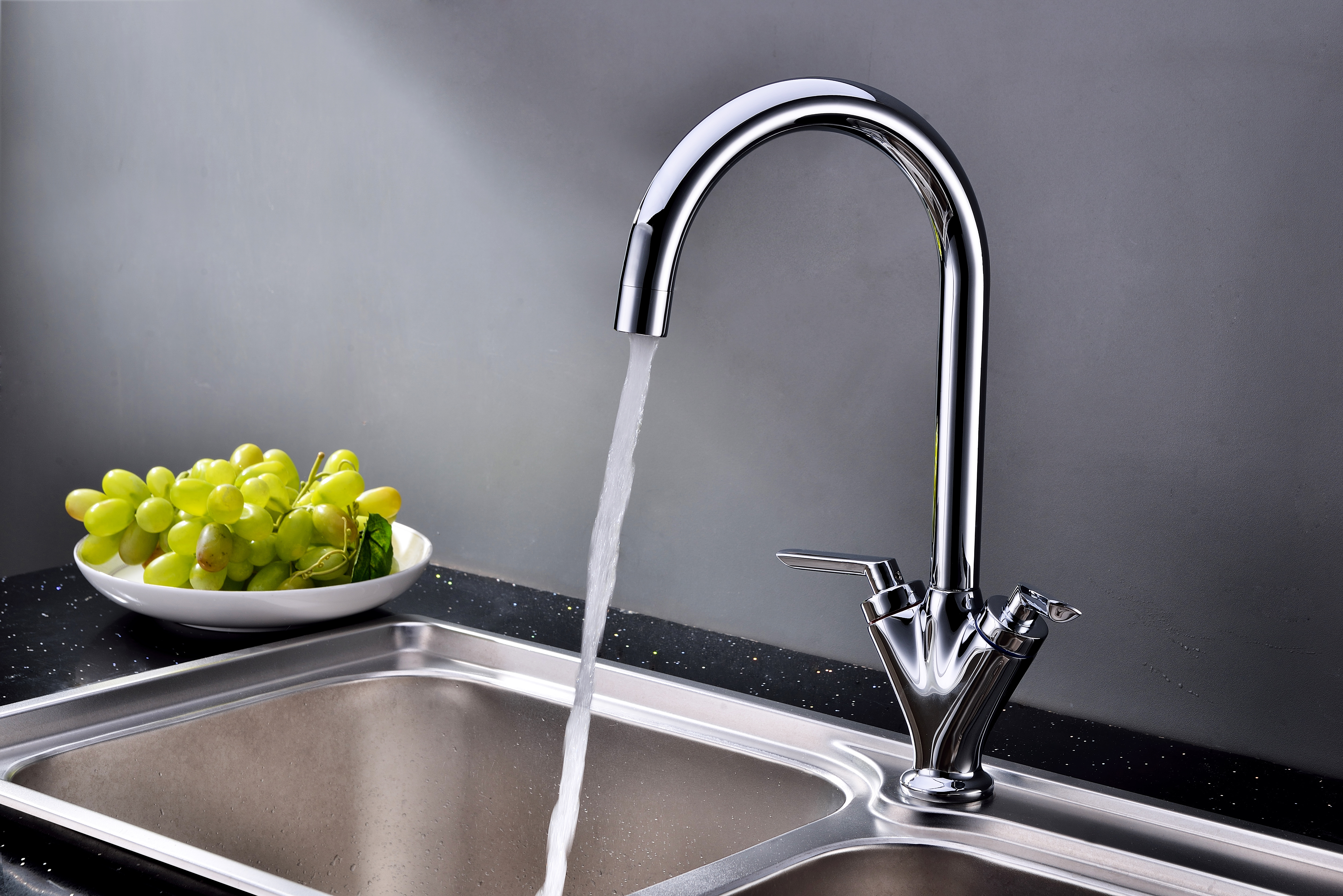
In today's environmentally conscious marketplace, the sustainability credentials of kitchen faucets have become far more than a marketing afterthought. Modern homeowners and facility managers increasingly recognize that kitchen faucets designed with eco-friendly principles deliver measurable environmental and financial benefits. The shift toward sustainable kitchen faucets reflects a broader industry transformation where water conservation, material responsibility, and energy efficiency are no longer optional features but essential selling points that resonate with consumers who value both planetary health and long-term cost reduction.
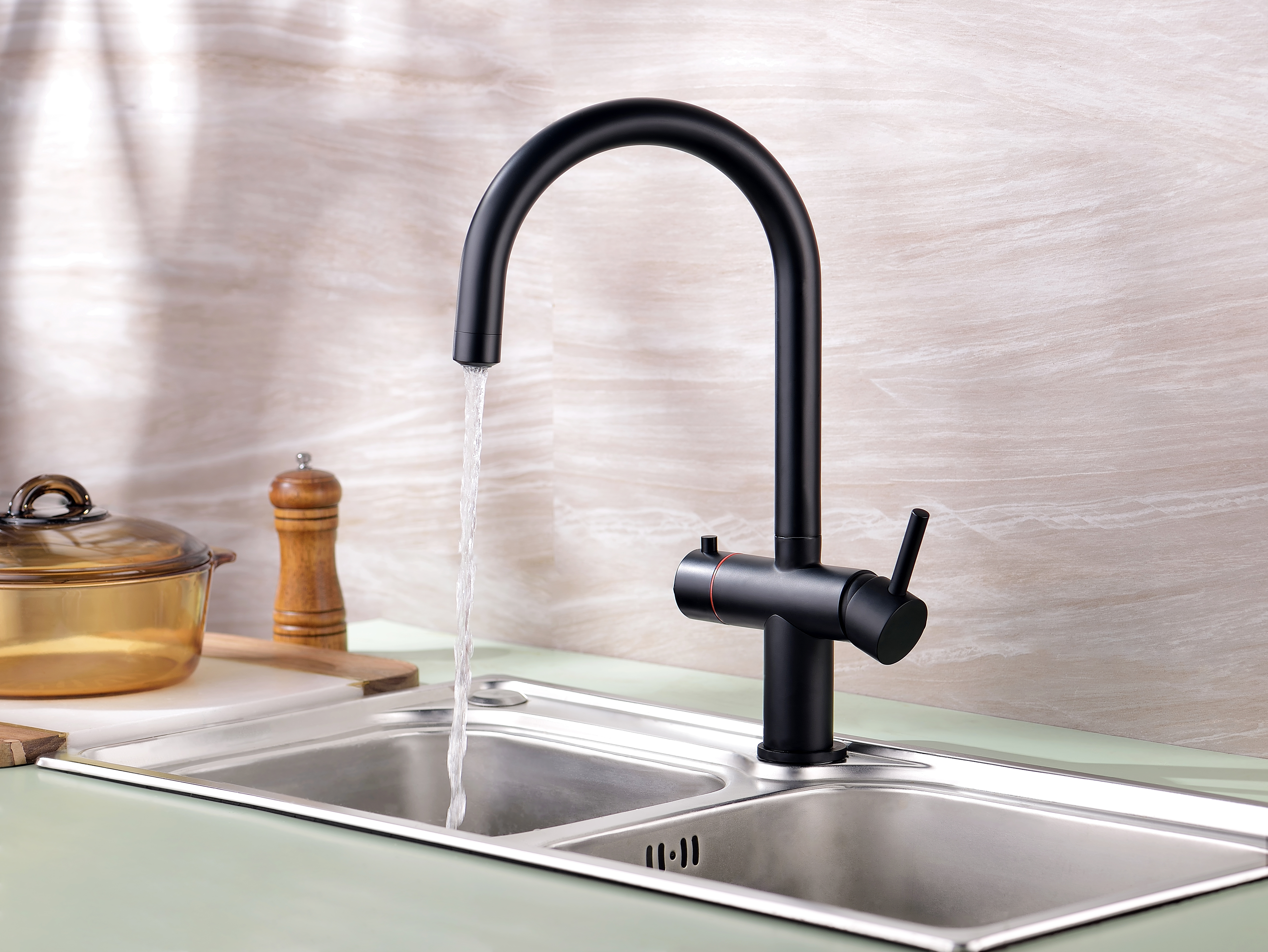
The eco-friendly nature of modern kitchen faucets addresses critical resource challenges facing households and commercial operations worldwide. Water scarcity remains a pressing global issue, and kitchen faucets account for a substantial portion of residential water consumption. By choosing kitchen faucets engineered for efficiency, property owners directly contribute to conservation efforts while simultaneously reducing monthly utility bills. This alignment between environmental responsibility and economic advantage makes eco-conscious kitchen faucets an increasingly compelling choice for discerning consumers across residential, hospitality, and commercial sectors.
Environmental Impact and Water Conservation Benefits
Reducing Water Waste Through Advanced Aerator Technology
Traditional kitchen faucets often dispense between 5 and 8 gallons per minute, a rate established decades ago when water conservation was not a priority. Modern eco-friendly kitchen faucets incorporate precision aerator technology that reduces flow rates to 1.5 to 2.0 gallons per minute without compromising performance or user experience. This reduction in water output directly translates to significant annual savings, with studies showing that kitchen faucets featuring low-flow aerators can reduce household water consumption by up to 30 percent. The environmental benefit extends beyond individual homes, as widespread adoption of efficient kitchen faucets across residential areas substantially decreases municipal water treatment demands and reduces strain on freshwater ecosystems.
Material Sustainability and Stainless Steel Advantages
The material composition of kitchen faucets plays a crucial role in their overall environmental footprint. Stainless steel kitchen faucets offer significant sustainability advantages compared to chrome-plated or plastic alternatives. Stainless steel is infinitely recyclable without degradation of properties, meaning end-of-life kitchen faucets can be completely recovered and remanufactured into new products. This circular economy potential eliminates waste while reducing the energy and resource demands associated with virgin material extraction. Additionally, stainless steel kitchen faucets demonstrate superior durability, lasting 15 to 20 years or more without corrosion or aesthetic decline, which means fewer replacements and reduced cumulative environmental impact over extended use periods.
Economic Value Proposition for Consumers and Businesses
Long-Term Cost Savings Through Reduced Utility Bills
The financial case for investing in eco-friendly kitchen faucets becomes increasingly compelling when calculated over the product's lifetime. A household upgrading from standard kitchen faucets to low-flow models can reduce annual water bills by 400 to 800 dollars, depending on local water rates and existing fixture efficiency. For commercial kitchens in restaurants, hotels, or institutional settings, the savings multiply dramatically due to substantially higher usage volumes. When multiplied across dozens or hundreds of kitchen faucets in large facilities, water and energy savings can translate to tens of thousands of dollars annually. These direct cost reductions often justify the modest premium associated with quality eco-friendly kitchen faucets within 2 to 3 years, after which continued savings accumulate as pure profit.
Enhanced Property Value and Market Appeal
Properties equipped with eco-friendly kitchen faucets increasingly command premium valuations in real estate markets where sustainability matters to buyers. Modern consumers recognize that kitchen faucets meeting current environmental standards signal comprehensive home maintenance and forward-thinking ownership. Real estate professionals report that homes featuring sustainable fixtures, including efficient kitchen faucets, sell faster and often achieve higher prices than comparable properties with dated, inefficient alternatives. This market preference extends to commercial properties as well, where office buildings and hospitality venues with green certifications and sustainable kitchen faucets attract environmentally conscious tenants and customers willing to pay premium prices for alignment with their values.
Market Positioning and Consumer Decision Drivers
Meeting Regulatory Standards and Green Certification Requirements
Regulatory frameworks across developed nations increasingly mandate minimum efficiency standards for kitchen faucets. The EPA's WaterSense program certifies kitchen faucets achieving specific efficiency benchmarks, and LEED certification pathways for buildings require specified fixture standards including compliant kitchen faucets. These regulatory pressures have transformed eco-friendly kitchen faucets from a niche premium product into a market standard. Manufacturers highlighting compliance and certification status for their kitchen faucets appeal directly to property developers, facility managers, and renovation professionals who must navigate complex building codes and certification requirements. Kitchen faucets meeting or exceeding recognized environmental standards become easier to specify, approve, and install within regulated projects.
Consumer Preferences and Brand Differentiation
Market research consistently demonstrates that 65 to 75 percent of consumers consider environmental impact when selecting home fixtures. For kitchen faucets specifically, this environmental consciousness translates directly into purchasing behavior, with buyers actively seeking products marketed with sustainability credentials. Brands emphasizing the eco-friendly nature of their kitchen faucets capture premium market segments and build customer loyalty among environmentally motivated demographics. The emotional appeal of purchasing kitchen faucets that support conservation goals provides psychological satisfaction beyond functional performance, creating brand attachment and positive word-of-mouth recommendations that traditional marketing struggles to achieve.
FAQ
How much water can eco-friendly kitchen faucets actually save compared to older models?
Modern eco-friendly kitchen faucets reduce water consumption by approximately 30 percent compared to conventional models, translating to annual savings of 400 to 800 dollars for typical households. The exact savings depend on local water rates, family size, and current fixture age. Commercial kitchens with multiple faucets experience proportionally larger savings, often exceeding 10,000 dollars annually across facility operations.
What makes stainless steel kitchen faucets more sustainable than other materials?
Stainless steel kitchen faucets offer superior sustainability because the material is infinitely recyclable without property degradation and exhibits exceptional durability lasting 15 to 20 years. This extended lifespan reduces replacement frequency and cumulative environmental impact. Unlike chrome-plated kitchen faucets that eventually corrode, stainless steel maintains integrity throughout its service life, supporting circular economy principles and minimizing landfill waste.
Do eco-friendly kitchen faucets provide adequate water pressure and performance?
Yes, modern eco-friendly kitchen faucets deliver full functionality despite reduced flow rates. Advanced aerator designs distribute water efficiently, maintaining satisfactory pressure and performance for all typical kitchen tasks including filling vessels, washing dishes, and general cleaning. Users report that properly designed kitchen faucets with certified aerators provide no perceptible performance loss compared to traditional high-flow models.