 EN
EN

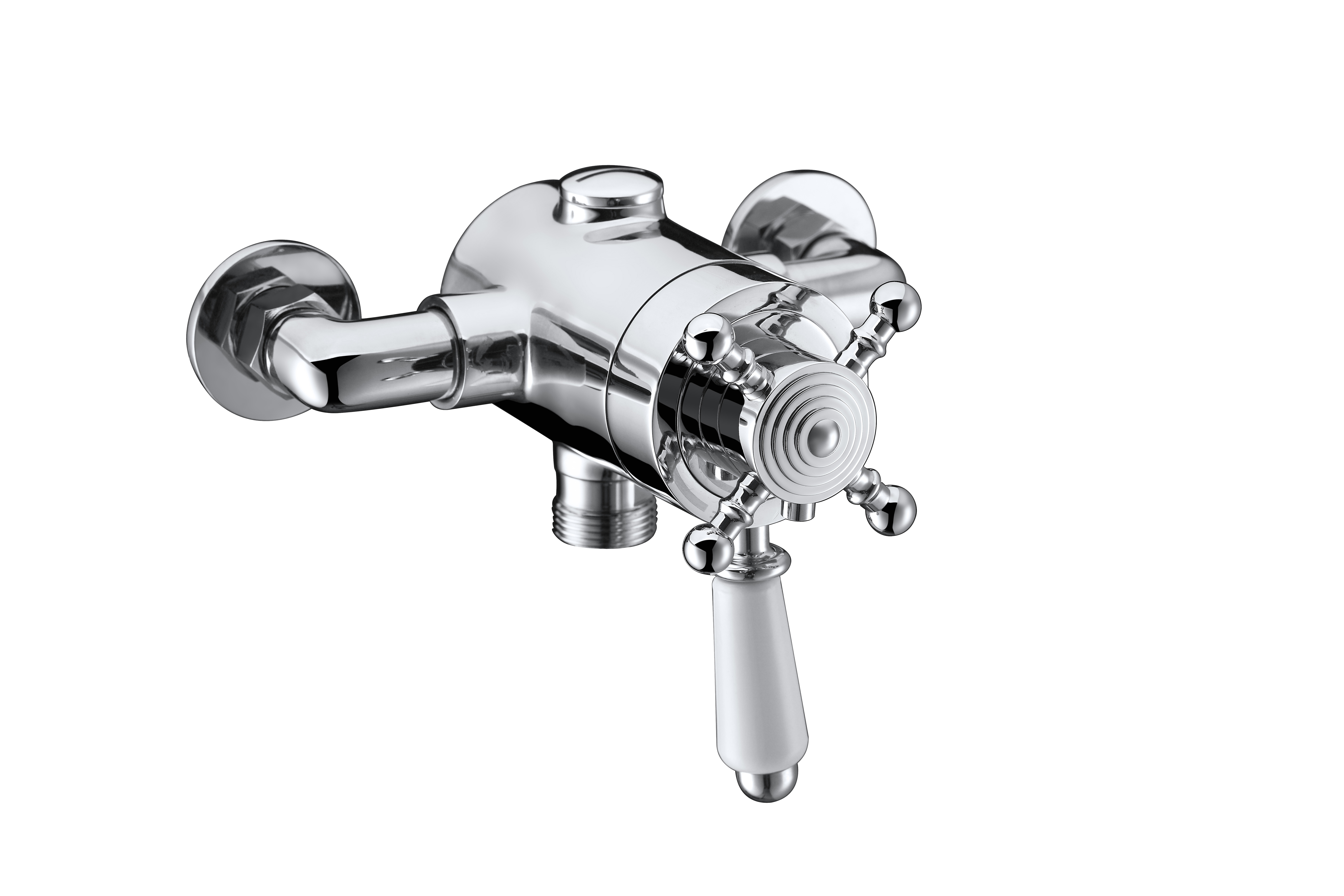
Understanding the Impact of Advanced Shower Technology in Commercial Construction
Modern construction projects demand sophisticated solutions that prioritize both safety and comfort. Thermostatic shower valves represent a significant advancement in plumbing technology, offering precise temperature control and enhanced user experience. For contractors managing large-scale projects, incorporating thermostatic shower valves isn't just about meeting basic plumbing requirements—it's about delivering superior value and functionality to end users.
These innovative devices automatically maintain water temperature regardless of pressure fluctuations in the plumbing system, making them particularly valuable in multi-unit buildings where multiple showers may be in use simultaneously. The technology behind thermostatic shower valves has evolved significantly, now offering contractors reliable solutions for various installation scenarios.
Benefits of Thermostatic Shower Valves in Commercial Applications
Enhanced Safety Features and Temperature Control
Safety stands as a paramount concern in any commercial construction project. Thermostatic shower valves incorporate sophisticated temperature-limiting mechanisms that prevent scalding incidents. The valve constantly monitors and adjusts water temperature, responding within seconds to any changes in water pressure or temperature. This rapid response system provides an essential layer of protection for users, particularly in facilities serving vulnerable populations such as hotels, hospitals, and retirement homes.
The precise temperature control offered by thermostatic shower valves also helps facilities meet strict safety regulations and building codes. These devices can be pre-set to maximum temperature limits, ensuring compliance with local safety standards while providing peace of mind to property managers and users alike.
Cost-Efficiency and Resource Management
While the initial investment in thermostatic shower valves may be higher than traditional mixing valves, the long-term financial benefits are substantial. These systems optimize water usage by quickly reaching and maintaining desired temperatures, reducing water waste during temperature adjustment periods. This efficiency translates into lower utility costs and supports sustainable building practices.
Additionally, thermostatic shower valves help prevent wear and tear on plumbing systems by maintaining consistent pressure levels. This reduced stress on pipes and fixtures can lead to fewer maintenance calls and extended system longevity, providing significant cost savings over the lifecycle of the installation.
Installation Considerations and Best Practices
System Integration and Compatibility
Successful implementation of thermostatic shower valves begins with careful planning and system assessment. Contractors must evaluate existing water pressure levels, pipe configurations, and hot water supply capacity to ensure optimal performance. The thermostatic shower valve should be compatible with the building's overall plumbing infrastructure and able to handle expected usage patterns.
Professional installers should pay special attention to proper positioning and accessibility for future maintenance. This includes ensuring adequate space for servicing and considering the location of shut-off valves for convenient maintenance access.
Quality Standards and Certification Requirements
When selecting thermostatic shower valves for large projects, contractors must verify that all components meet relevant industry standards and certification requirements. This includes checking for ASSE 1016 compliance, which specifically addresses performance requirements for automatic compensating valves for individual showers and tub/shower combinations.
Documentation of certification and compliance should be maintained for building inspections and future reference. Working with reputable manufacturers who provide comprehensive warranty coverage and technical support can significantly simplify the certification process.
Maintenance and Long-term Performance
Regular Maintenance Protocols
Establishing a preventive maintenance schedule is crucial for ensuring the continued performance of thermostatic shower valves. Regular inspections should include checking for mineral buildup, verifying temperature accuracy, and assessing valve response times. Contractors should provide facility managers with detailed maintenance guidelines and recommended service intervals.
Training maintenance staff on proper care procedures and troubleshooting techniques can help extend the lifespan of these installations. This includes understanding how to clean filters, adjust temperature settings, and recognize early signs of potential issues.
Troubleshooting and Support Systems
Even with proper maintenance, occasional issues may arise. Having a clear troubleshooting protocol in place helps minimize downtime and ensures prompt resolution of any problems. Contractors should establish relationships with manufacturers and local suppliers to ensure quick access to replacement parts and technical support when needed.
Creating detailed documentation of installation specifications and maintenance history facilitates effective troubleshooting and helps maintain consistent performance standards across large installations.

Future Trends and Technology Integration
Smart Building Integration
The evolution of building automation systems is creating new opportunities for thermostatic shower valve integration. Smart building technologies can now monitor water usage patterns, track temperature consistency, and alert maintenance staff to potential issues before they become problems. This proactive approach to system management can significantly reduce operational costs and improve user satisfaction.
Advanced thermostatic shower valves can be incorporated into building management systems, allowing for remote monitoring and adjustment of temperature settings. This integration supports more efficient facility management and can contribute to achieving green building certifications.
Sustainability and Energy Efficiency
As environmental concerns continue to shape construction practices, thermostatic shower valves play an increasingly important role in sustainable building design. These devices contribute to water conservation efforts by eliminating the need for temperature adjustment periods and maintaining optimal flow rates. The precise control they offer can help buildings meet increasingly stringent environmental standards and certification requirements.
Future developments in thermostatic shower valve technology are likely to focus on further improving energy efficiency and reducing environmental impact, making them an even more valuable component of sustainable construction projects.
Frequently Asked Questions
How do thermostatic shower valves improve safety in commercial installations?
Thermostatic shower valves automatically maintain consistent water temperature and include anti-scald protection features. They respond quickly to pressure changes and can be preset to safe maximum temperature limits, making them ideal for commercial applications where user safety is paramount.
What is the expected lifespan of a thermostatic shower valve in a commercial setting?
With proper maintenance and regular servicing, quality thermostatic shower valves can last 15-20 years or more in commercial applications. Factors affecting longevity include water quality, usage patterns, and adherence to maintenance schedules.
How do thermostatic shower valves contribute to water conservation efforts?
These valves reduce water waste by quickly achieving and maintaining desired temperatures, eliminating the need for extended adjustment periods. They also help maintain consistent flow rates, which can lead to significant water savings in large-scale installations.
Table of Contents
- Understanding the Impact of Advanced Shower Technology in Commercial Construction
- Benefits of Thermostatic Shower Valves in Commercial Applications
- Installation Considerations and Best Practices
- Maintenance and Long-term Performance
- Future Trends and Technology Integration
- Frequently Asked Questions