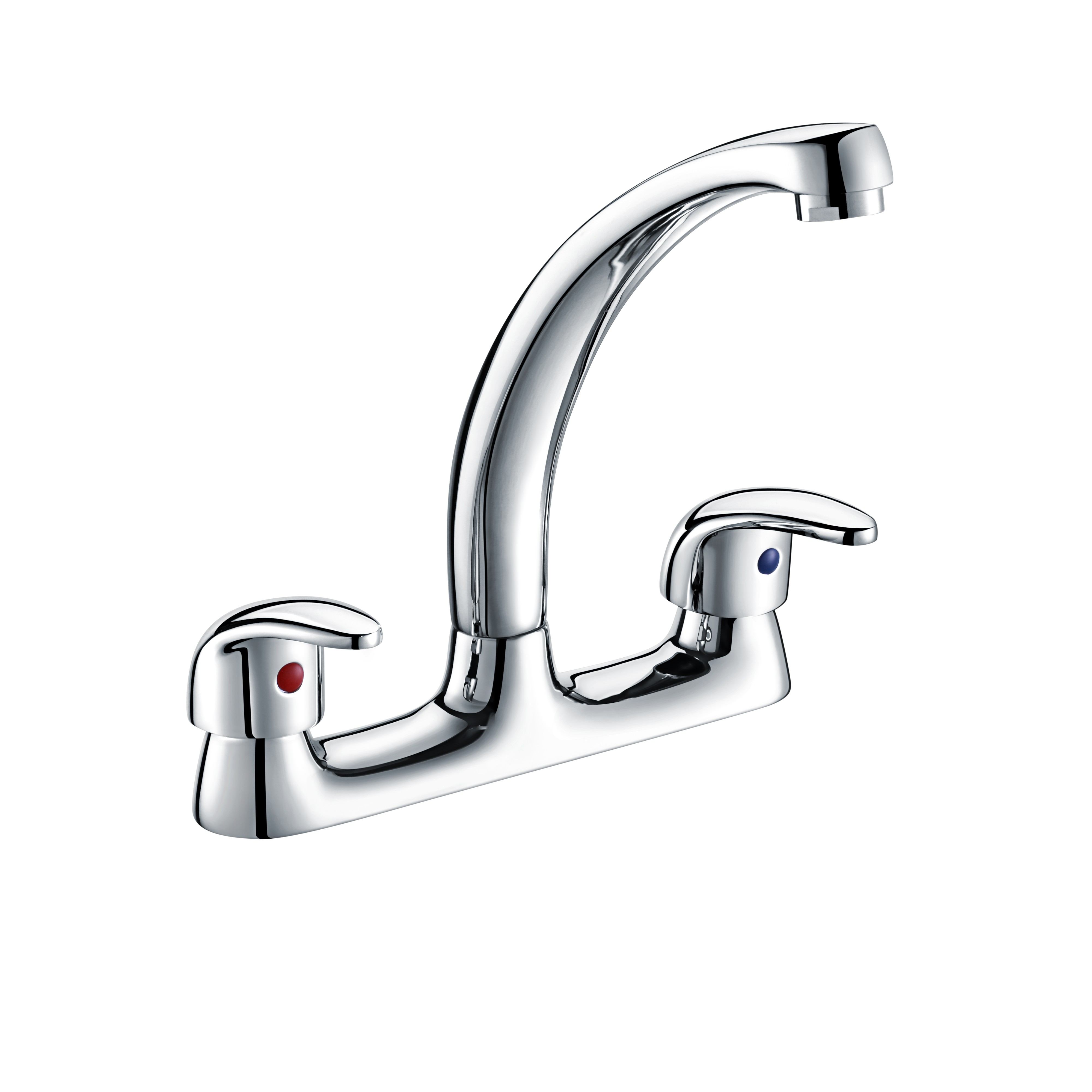
Písmena a čísla vyrytá na tělese mosazného uzavíracího kohoutku – CW617N, CW511L, CW602N – vám říkají, ze které evropské normy pochází slitina použitá pro výrobu součásti. Samy o sobě však *neříkají*, zda součást vydrží deset let agresivní vody. Odpověď se nachází v certifikátu materiálu a v jednom klíčovém slově: DZR (odolný proti dezinkování).
Pokud zakupujete uzavírací kohoutky a kohoutky od čínských, indických i evropských výrobců, naučit se číst certifikát podle normy EN 12165 je jedna z nejúčinnějších dovedností, kterou můžete získat. Tento článek vysvětluje význam jednotlivých tříd, princip zkoušek na dezinkování a pět řádků certifikátu, které byste nikdy neměli přeskočit.
Všechny tři níže uvedené slitiny jsou olovnaté mosazi (měď + zinek + olovo), dodávané jako tvářený kov na kování nebo tyče podle normové řady EN 12164/EN 12165. Rozdíl spočívá v jejich složení – a v tom, co se děje, když se ventil setká s teplou, měkkou nebo chlorovanou vodou.
| Vlastnost | CW617N | CW602N | CW511L |
|---|---|---|---|
| Běžné označení | CuZn40Pb2 | CuZn36Pb2As | CuZn36Pb2As-typ, DZR tyče/tyčky |
| Průměrný obsah mědi | ~57–59 % | ~61,5–63,5 % | ~61,5–63,5 % |
| Obsah olova (typický rozsah) | ~1,6–2,5 % | ~1,6–2,5 % | regulovaný / nízkoolovnatý (ověřte v certifikátu) |
| Mikrolegování | — | Arsenik ~0,02–0,15 % | Arsenik ~0,02–0,15 % |
| Odolná proti dezinkování? | Ne (standardní třída) | Ano (DZR) | Ano (DZR) |
| Typické použití | Těla ventilů vyráběná horkým kováním, obecné armatury, vnitřní potrubí | Těla ventilů a armatury vyráběné kováním pro pitnou/výživnou či agresivní vodu | Součásti a těla vyrobené obráběním, kde je vyžadována současně odolnost proti dezinkování (DZR) i dobrá obráběnost |
| Starší britské označení (UK) | CZ122 | CZ132 | — |
CW617N je pracovní koně průmyslu měděných armatur: skvěle se horko kuje, čistě se obrábí a je levný. Je zcela dostačující pro mnoho vnitřních aplikací s nízkým rizikem. Past: s obsahem přibližně 40 % zinku a bez inhibitoru může docházet k dezinkování – zinek se vyplavuje a zanechává pórovitý, slabý měď, který nakonec praská a kapá.
CW602N obsahuje malé množství arseniku, který inhibuje dezinkování, a proto je klasickým kovovým slitinovým materiálem DZR pro potravinářskou vodu, teplé klimatické podmínky a agresivní dodávanou vodu. Pokud australský, britský nebo středomořský technický list požaduje „DZR měď do EN 12165“, obvykle se jedná o slitinu CW602N, kterou kovář odlévá.
CW511L patří do stejné rodiny DZR, ale nejčastěji se vyskytuje jako tyčový polotovar dodávaný podle normy EN 12164 (tyče pro volnou obráběnost) pro součásti získané obráběním; některé dodavatelské řetězce stanovují přísnější horní hranici obsahu olova pro kontaktní použití s pitnou vodou. Protože čísla CW se občas překrývají v různých národních dodavatelských zvyklostech, považujte za rozhodující dokument certifikát — nikoli marketingový list.
Dezinkování probíhá pomalu, zevnitř a je neviditelné, dokud se na tělese kohoutku neobjeví průsvitný otvor nebo jemná trhlina. Zrychluje ho:
Standardní laboratorní zkouška je zkouška dezinkování (rodina norem EN ISO 6509 a norma AS 2345 v Austrálii), při které se leštěný vzorek ponoří do roztoku chloridu měďnatého a mikroskopem se změří hloubka průniku. Součást z DZR slitiny by měla vykazovat minimální poškození; součást ze standardní slitiny CW617N ve stejné zkoušce může vykazovat hluboký, pórovitý průnik. Přesné kritérium pro prospěch/neprospěch je stanoveno v produktové normě, podle které pracujete – ověřte přijatelnou hodnotu uvedenou ve vašem osvědčení.
Skutečné osvědčení (často kontrolní dokument dle normy EN 10204 typu 3.1) obsahuje mnohem více než jen název slitiny. Zaměřte se na těchto pět oblastí:
Norma a označení materiálu. Ověřte, jaká norma je použita – EN 12165 (kovové polotovary pro kování a nezpracované polotovary) vs EN 12164 (tyče pro volné obrábění) vs EN 1982 (litiny, např. třídy CC). Těleso, které je *kováno*, musí být sledovatelné až k kovacím polotovarům; těleso, které je *lité*, patří do zcela jiné rodiny slitin a osvědčení to musí jasně uvádět.
Chemické složení — meze versus skutečné hodnoty. Certifikát uvádí povolené rozsahy podle normy a *skutečnou* analýzu taveniny. Zkontrolujte obsah mědi, olova a u tříd DZR i arseniku. Pokud je u certifikátu pro materiál „CW602N“ sloupec pro arsenik prázdný, materiál není takový, jak uvádí označení.
Stav dodávky a třída vlastností. Měděno-zinkové tyče se dodávají v definovaných tepelně zpracovaných stavech / třídách vlastností (např. označení pevnosti typu R280, R340). U kovaných těles je klíčovým požadavkem obvykle dostatečná teplotní tvárnost a bezchybné kování — kontrola procesu u vašeho dodavatele má stejnou váhu jako kvalita surové tyče.
Číslo taveniny / šarže a sledovatelnost. Certifikát propojuje konkrétní taveninu s konkrétní výrobní šarží. Vaše krabice s ventily by měly nést kód šarže, který umožňuje zpětné vyhledání tohoto certifikátu. Bez čísla šarže není možná sledovatelnost ani platnost certifikátu.
Výsledky kontrol a zkoušek. U materiálu DZR požadujte výsledek zkoušky dezinkování. Některé osvědčení také uvádějí údaje o tvrdosti nebo pevnosti v tahu. Pokud to vyžaduje standardní specifikace zákazníka, měla by zpráva o zkoušce odkazovat na správné vydání metody zkoušení.
| Aplikace | Doporučený postup |
|---|---|
| Uzavírací kohouty pro pitnou vodu, zakázky s požadavkem na odolnost proti dezinkování (DZR) | CW602N (kovové) nebo CW511L (obrobené), s ověřeným obsahem arseniku a testem odolnosti proti dezinkování |
| Vnitřní armatury pro mírně agresivní pitnou vodu, citlivé na náklady | CW617N je přijatelná – zdůvodněte předpoklad chemického složení vody |
| Oběh teplé vody / agresivní voda | Pouze třídy DZR; u aplikací ve styku s pitnou vodou zvažte varianty bez obsahu olova |
| Litinová tělesa (velké rozdělovací kolektory) | Používejte litinové slitiny (EN 1982 CC třídy) – nepřijímejte certifikáty uvádějící „třídu pro kování“ u litinových dílů |
Číslo CW je *název* slitiny, nikoli důkaz jejího chování. Při nákupu uzavíracích kohoutů ve skutečnosti kupujete řetězec certifikátů: analýza tavby → test odolnosti proti dezinkování → sledovatelnost šarže → dokončené těleso. Továrna, která vám tento řetězec dokáže předvést – a vysvětlit ho – je továrna, která rozumí důvodům poruch měděných slitin, a právě takového partnera potřebujete na trzích s náročnou kvalitou vody.
O společnosti Xindong. Zhejiang Xindong Sanitary Ware Co., Ltd. vyrábí a opracovává mosaz v městě Yuhuan v provincii Ťe-ťiang od roku 1999 a dodává kohoutky, ventily a termostatické sprchové sady na regulované trhy. Díky více než 65 patentům, vlastní laboratoři a přísné kontrole příchozích materiálů – včetně ověření certifikátů EN 12164/12165 a výsledků testů DZR – náš tým pravidelně podporuje zakázky zákazníků, kteří vyžadují dokumentovanou stopovatelnost materiálů. Zeptejte se našich inženýrů, jak dokumentujeme soulad slitiny pro váš projekt: [email protected].
*Poznámka: Normy EN 12164/EN 12165 a jejich tabulky tříd jsou pravidelně aktualizovány. Před definitivním stanovením specifikací ověřte aktuální verze a meze složení u svého výrobce, certifikačního orgánu nebo normalizačního úřadu.*
 Nejnovější zprávy
2026-10-24
2026-10-23
2026-10-22
2026-10-21
2026-10-20
2026-10-18

Společnost založená v roce 1999 a sídlící ve městě Yuhuan se specializuje na kohoutky, termostatické sprchové ventily a sprchové sady. S více než 30 000 m² prostoru a více než 380 zaměstnanci máme řadu certifikací a více než 65 patentů.
 EN
EN