LEED evalúa si un edificio utiliza el agua de forma eficiente. WELL evalúa si el agua de ese edificio es segura y saludable para las personas que la beben, se lavan y se duchan con ella —cada día, en cada grifo—. Ese cambio modifica lo que los especificadores exigen del diseño de instalaciones sanitarias, los accesorios y la cadena de suministro que los respalda.
Para los ingenieros MEP y los especificadores que trabajan en proyectos comerciales, corporativos y sanitarios de alta gama, la consecuencia práctica es clara: ha terminado la era de especificar accesorios de latón únicamente según su acabado y caudal. Ahora forman parte de la conversación sobre especificaciones los materiales en contacto con el agua, las provisiones de filtración, la gestión térmica y la calidad documentada de los productos.
WELL, administrado por el International WELL Building Institute (IWBI), es un sistema de calificación basado en el desempeño, organizado en conceptos (Aire, Agua, Nutrición, Luz, …). Su concepto de Agua es donde la filosofía centrada en la salud resulta más evidente. WELL v2 organiza los requisitos relacionados con el agua en un pequeño conjunto de características: las primeras varias actúan como condiciones previas (obligatorias para cualquier nivel de certificación), mientras que las características posteriores son optimizaciones (que aportan puntos hacia niveles superiores):
| Característica WELL v2 | Lo que exige esencialmente | Condición previa u optimización |
|---|---|---|
| W01 – Calidad fundamental del agua | Pruebas periódicas del agua potable del edificio para detectar contaminantes clave (por ejemplo, coliformes, plomo, arsénico, mercurio), comparando los resultados con límites definidos | Condición previa |
| W02 – Calidad del agua potable | Pruebas para detectar contaminantes adicionales en el agua potable, como compuestos orgánicos volátiles y residuos agrícolas, además de filtración cuando sea necesaria | Condición previa |
| W03 – Gestión fundamental del agua | Un plan de gestión de riesgos de Legionella alineado con marcos establecidos (por ejemplo, programas de gestión del agua según ASHRAE 188) | Precondición |
| Familia W04–W07 | Pruebas mejoradas, tratamiento del agua, promoción/acceso al agua potable y gestión de la humedad | Optimizaciones |
Dos características de esta estructura son relevantes para cualquier persona que especifique instalaciones de fontanería:
La verificación independiente está integrada. WELL exige pruebas del agua realizadas por un laboratorio acreditado y comparadas con límites definidos; un edificio no puede simplemente *afirmar* tener agua de excelente calidad, sino que debe tomar muestras y demostrarlo.
El riesgo microbiano es un requisito de primera categoría. La gestión de la Legionella no es una optimización secundaria; constituye una precondición para la certificación. Esto convierte a todo el sistema de agua caliente —temperatura de almacenamiento, recirculación y distribución— en un resultado de diseño, no en una nota al pie.
Los créditos de eficiencia hídrica de LEED se centran fundamentalmente en la conservación. El concepto de Agua de WELL se centra en la exposición humana. Un edificio puede ser extraordinariamente eficiente en el uso del agua y, aun así, suministrar agua que no supera las pruebas de salud: precisamente esa brecha es la que WELL cierra.
| Dimensión | LEED v4/v4.1 (Agua) | WELL v2 (Agua) |
|---|---|---|
| Intención principal | Conservación y eficiencia | Salud y seguridad humanas |
| Pruebas de calidad del agua | Limitadas / no fundamentales | Condiciones previas obligatorias con pruebas en laboratorios acreditados |
| Límites de contaminantes en el agua potable | No definidos centralmente | Límites definidos, incluidos plomo, arsénico, coliformes y compuestos orgánicos volátiles (VOCs) |
| Gestión de Legionella | Créditos para torres de refrigeración | Condición previa fundamental en todos los sistemas de agua del edificio |
| Filtración y tratamiento | Opcional / orientado a griferías | Optimizaciones directamente puntuables |
| Enfoque en resultados para ocupantes | Desempeño del edificio | Condiciones de salud de los ocupantes verificadas |
En la práctica, los dos sistemas son complementarios: un proyecto que persigue ambos objetivos busca agua eficiente *y* saludable: una menor huella ambiental lograda mediante griferías y sistemas que también protegen la calidad del agua.
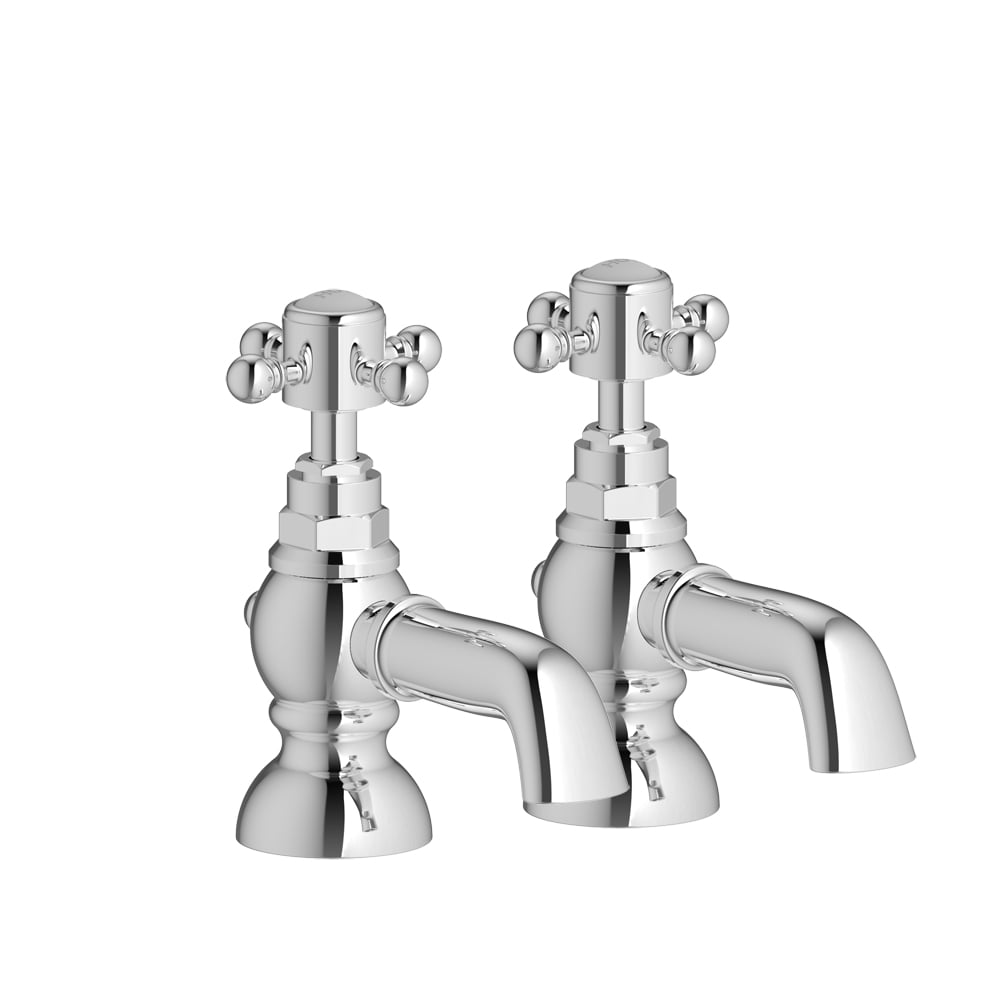
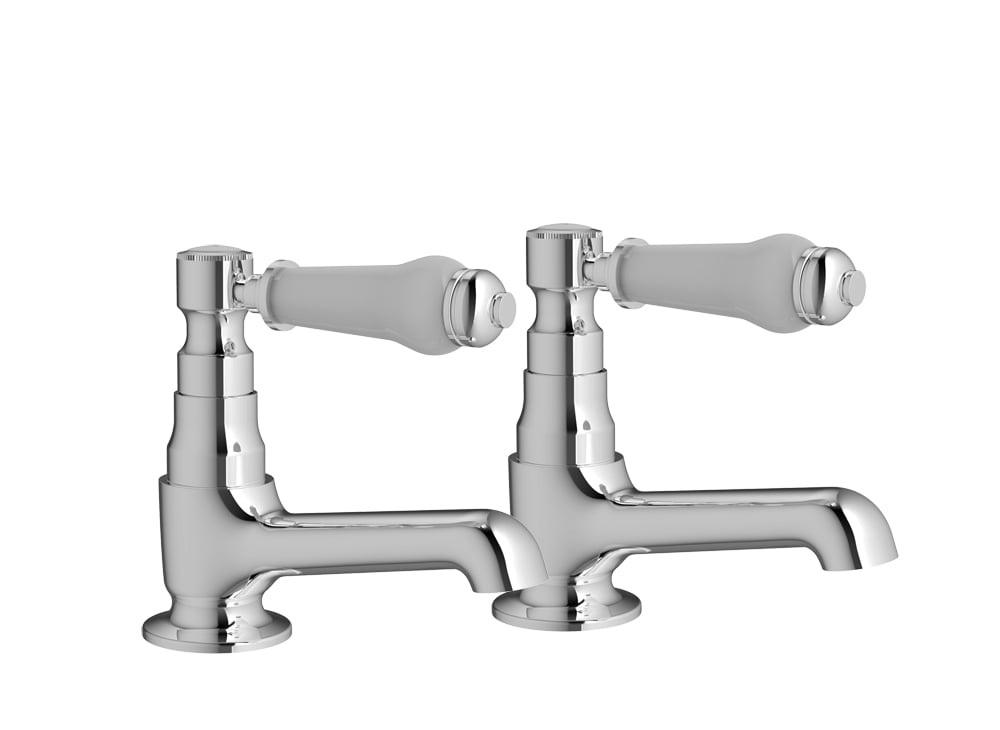
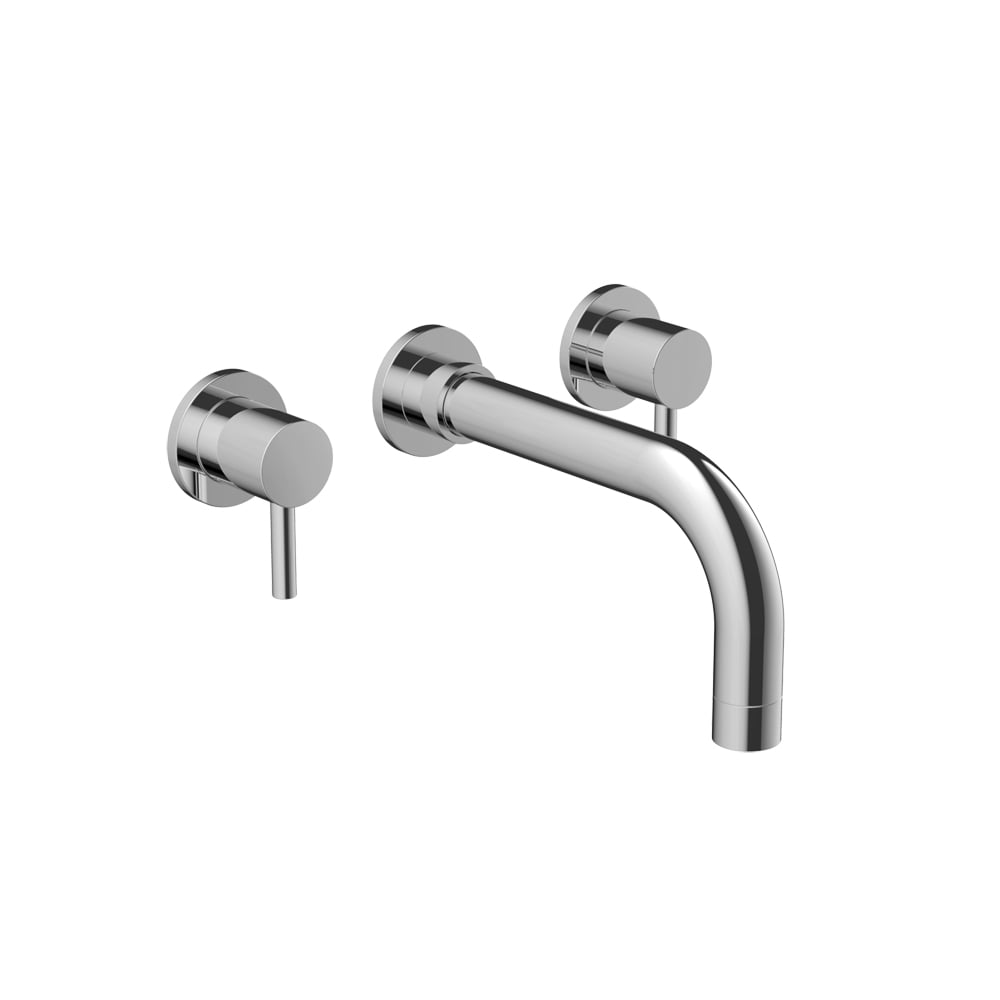
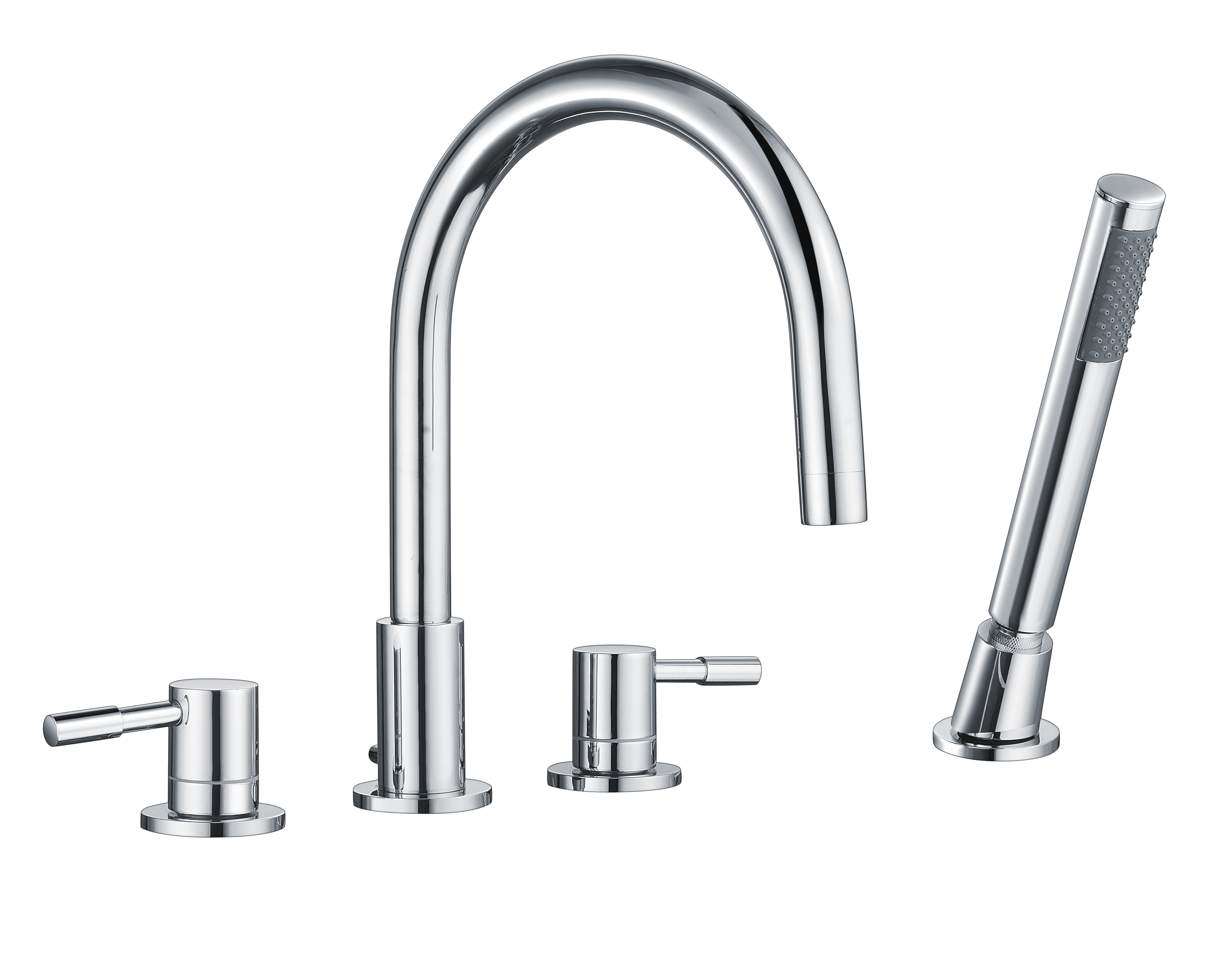
La forma más rápida de suspender una prueba de calidad del agua es instalar accesorios que lixivien metales en el agua durante períodos de estancamiento. Las aleaciones de latón que contienen plomo representan el riesgo clásico. Para proyectos alineados con WELL, especifique materiales en contacto con el agua verificados como de bajo contenido de plomo y con extracción controlada; por ejemplo, accesorios certificados según normas como NSF/ANSI 61 o 372 en Norteamérica, o materiales ensayados conforme a AS/NZS 4020 para contacto con agua potable. Dado que el latón es el material habitual para los cuerpos de grifos y válvulas comerciales, la elección de la aleación constituye una decisión de cumplimiento normativo: consulte nuestra guía sobre [grados de latón DZR y controlados en plomo (CW617N, CW511L, CW602N) según EN 12165](02-brass-alloy-grades-cw617n-cw511l-cw602n-en-12165.md).
Un proveedor competente documenta tres aspectos: la composición certificada de la aleación, los resultados de las pruebas de extracción del producto terminado o de materiales representativos, y la trazabilidad por lote que vincula sus accesorios entregados con dicha evidencia.
El requisito de gestión de riesgos de W03 impulsa los proyectos hacia prácticas consolidadas de seguridad hídrica: agua caliente almacenada a una temperatura suficiente para controlar el crecimiento de Legionella (comúnmente por encima de 60 °C en el calentador) y suministrada a temperaturas que protejan a los ocupantes —típicamente alrededor de 49 °C o menos en edificios comerciales y especialmente en instalaciones sensibles—. Esa diferencia entre la temperatura de almacenamiento y la de suministro es precisamente la función que cumplen las válvulas mezcladoras termostáticas.
Especificar VMT certificados (certificados según la norma aplicable en su mercado: AS/NZS 4032.1 en Australia y Nueva Zelanda, EN 1111 en Europa, ASSE 1016 en Norteamérica u otra equivalente) respalda tanto la seguridad contra quemaduras como la estabilidad térmica dentro de un plan de gestión del agua. Consulte nuestra explicación sobre [elementos sensoriales termostáticos](04-thermostatic-element-wax-vs-sma-vs-bimetallic.md) para conocer qué contienen.
Los tramos muertos y los grifos poco utilizados favorecen la estancación, la pérdida de temperatura y el crecimiento microbiano. Las soluciones de diseño que adoptan los proyectos alineados con WELL incluyen:
La verificación WELL exige muchos documentos: informes de ensayo, planes de gestión del agua y registros de mantenimiento son revisados por los agentes de ensayo del desempeño WELL. Exija la misma disciplina a los proveedores de accesorios:
"¿Qué aleaciones de latón de su catálogo están certificadas para contacto con agua potable, y puede facilitar pruebas de extracción?"
«¿Sus válvulas mezcladoras termostáticas cuentan con la certificación vigente para las normas a las que hace referencia nuestro proyecto?»
«¿Pueden proporcionar certificados de materiales y trazabilidad a nivel de lote para las piezas exactas cotizadas?»
«¿Han suministrado productos documentados similares a proyectos comerciales certificados o en proceso de certificación WELL o LEED?»
El concepto de Agua de WELL traslada la conversación sobre fontanería comercial desde *cuánta agua consume el edificio* hasta *qué contiene el agua con la que las personas entran realmente en contacto*. Para los redactores de especificaciones, esto significa considerar la certificación de materiales, el control térmico, la provisión de filtración y la documentación del proveedor como entradas fundamentales del diseño. Los edificios cada vez más obtienen certificaciones basadas en la salud de sus ocupantes; y ahora incluso un grifo de latón y la válvula mezcladora detrás de la pared forman parte de la cadena de evidencia que hace posible dicha certificación.
Acerca de Xindong. Zhejiang Xindong Sanitary Ware Co., Ltd. (fundada en 1999, Yuhuan, Zhejiang) fabrica grifos de latón, accesorios comerciales y válvulas termostáticas para duchas, junto con sus respectivos kits. Cuenta con un laboratorio interno, más de 65 patentes y experiencia en exportaciones a mercados regulados, como el Reino Unido y Alemania. Nuestro equipo brinda apoyo a los especificadores con documentación de materiales, selección de aleaciones y programas de productos listos para la certificación en proyectos comerciales. Póngase en contacto con nuestro equipo comercial: [email protected].
*Nota: Los nombres, la numeración y los requisitos de las características WELL son actualizados periódicamente por IWBI, y los estándares de certificación varían según el mercado. Siempre verifique los requisitos vigentes de WELL v2 y las normas locales aplicables de productos con las autoridades competentes antes de realizar una especificación.*
 Noticias destacadas
2026-10-24
2026-10-23
2026-10-22
2026-10-21
2026-10-20
2026-10-18

La empresa, fundada en 1999 y ubicada en Yuhuan, se especializa en grifería, válvulas termostáticas para ducha y kits de ducha. Con más de 30.000 m² de espacio y más de 380 empleados, contamos con numerosas certificaciones y más de 65 patentes.
 EN
EN