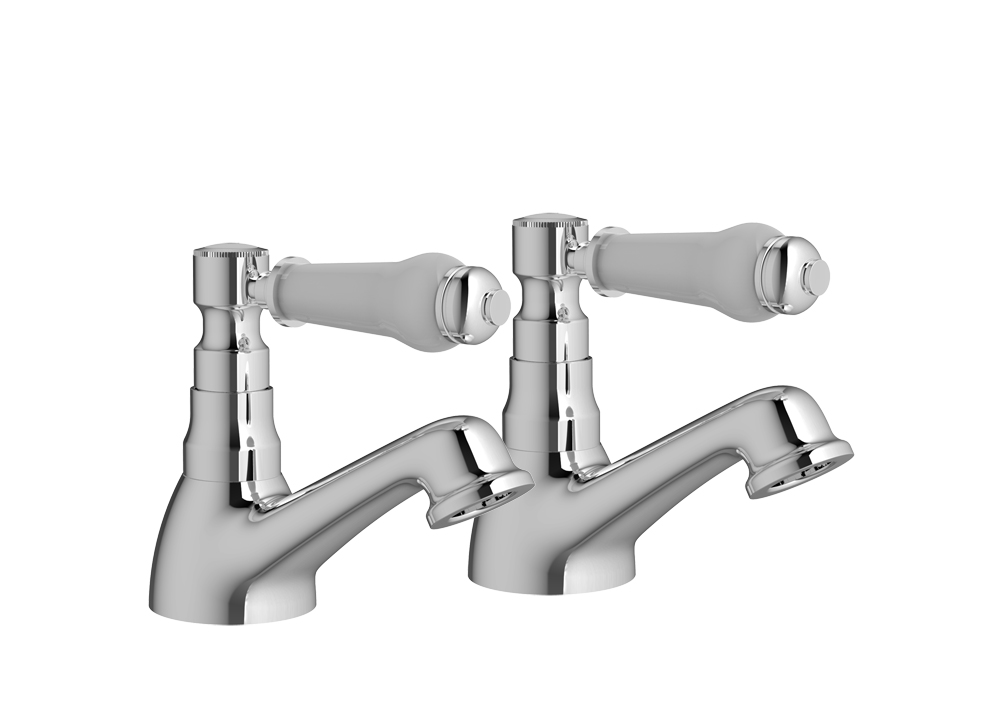
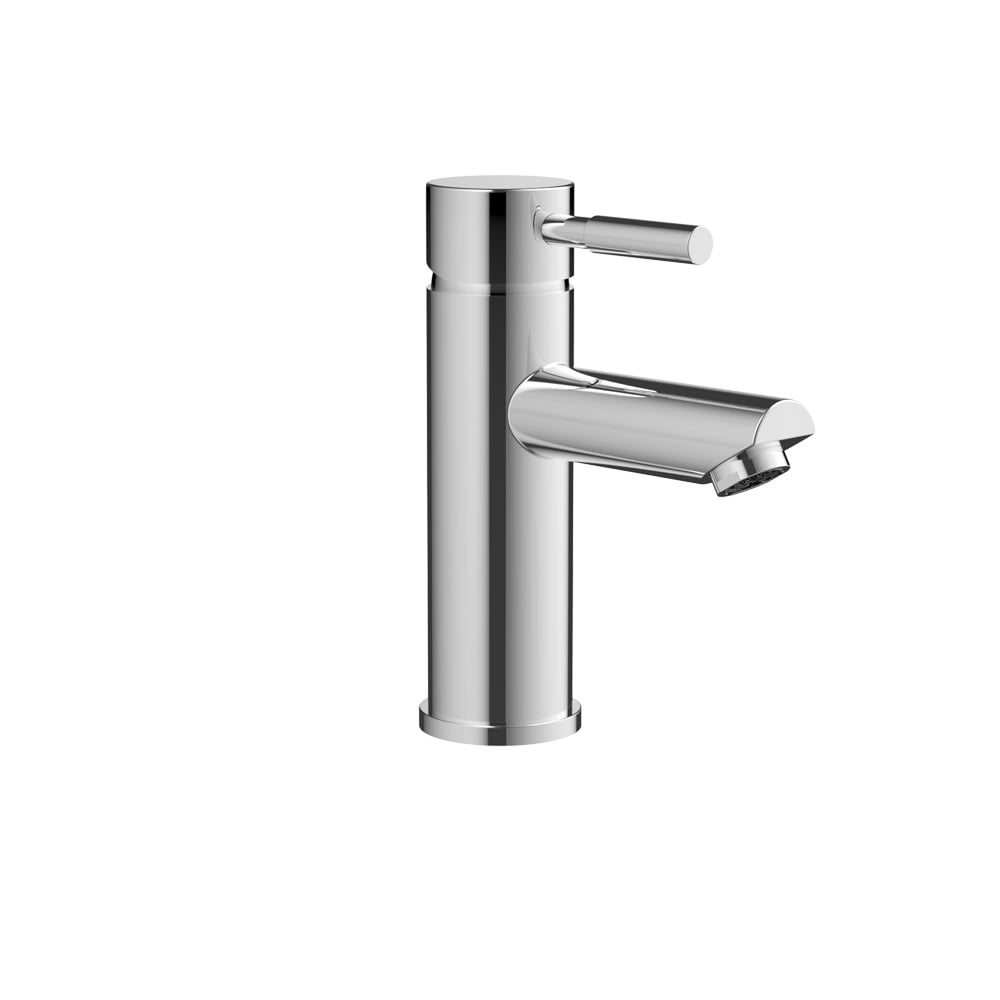
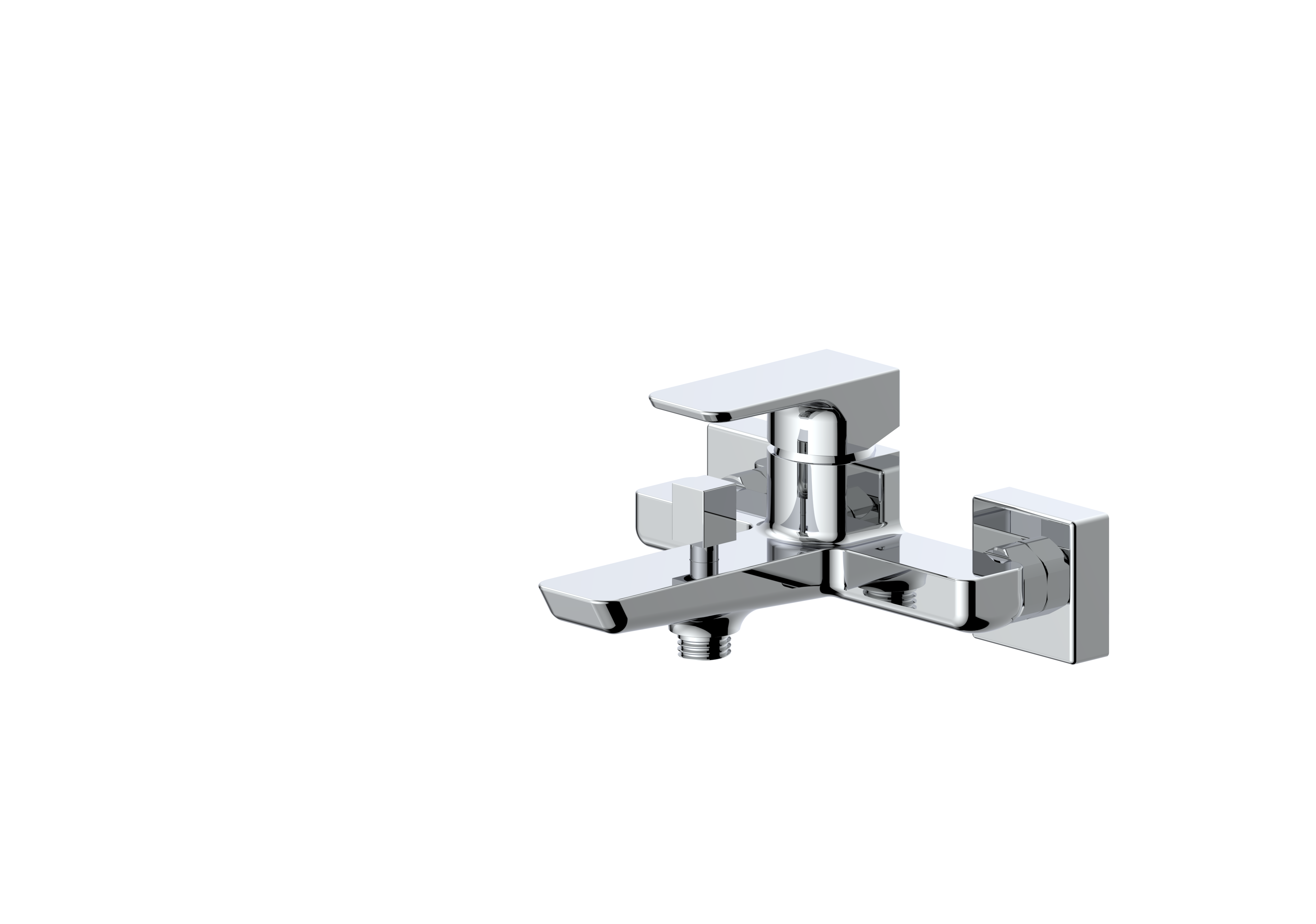
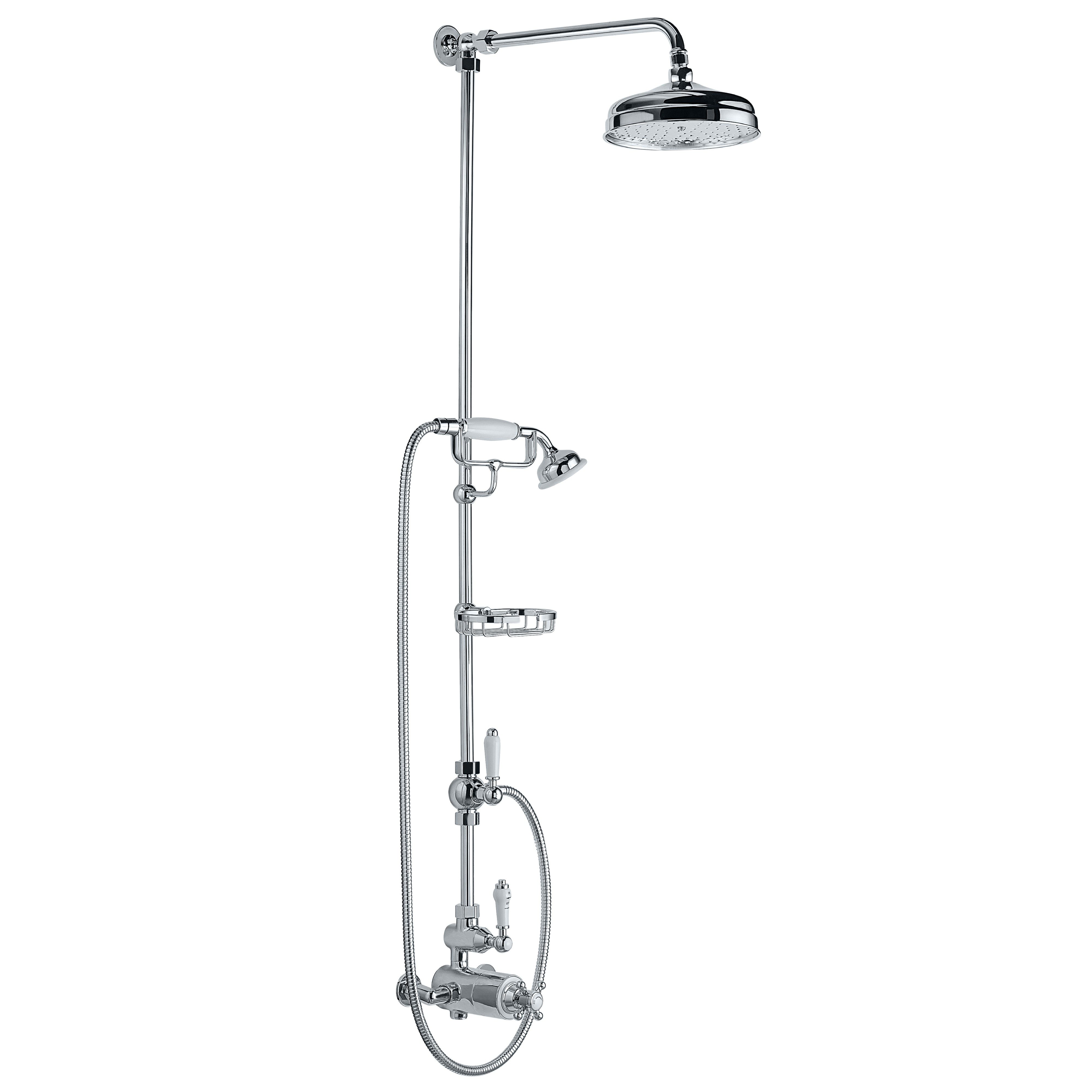
A washbasin mixer is a small object with a disproportionate risk profile in a behavioural unit. Every projection, joint and removable part is a potential anchor point, and the same fitting must also deliver safe water temperature, satisfy infection control, and still look like something a person would use at home. That balance is a design task, not a product purchase.
Health Building Note 03-01, *Adult acute mental health units*, is explicit that spaces where service users may not be continually supervised — bedrooms, toilets and bathrooms — "should be designed, constructed and furnished to make self-harm or ligature as difficult as possible."
That sentence drives the specification. A ligature risk assessment is carried out by the clinical team, and the risk profile of the unit determines how far the design must go: an acute admission ward, a psychiatric intensive care unit, a rehabilitation unit and an older adult ward do not carry the same requirements. A fitting appropriate in a low-risk rehabilitation setting may be unsuitable in a PICU, where fixtures must assume that a determined attempt will be made.
Vague wording causes trouble on site. Apply four tests to any fitting:
**No anchor point.** No aperture, gap, hook, projection or handle geometry that can take a cord, a ligature or body weight. This is assessed in three dimensions, including the joint between the fitting and the wall.
**No removable parts.** A single-piece body. Aerators, outlet nozzles, handles, shrouds and spouts that can be unscrewed by hand are all unacceptable, and it must be confirmed on the delivered item rather than the brochure.
**Load-limited failure.** Where a component genuinely cannot be eliminated — a shower head, for example — it should detach or deform under a defined load. Ask for that figure in writing, and for the test evidence behind it.
**Tamper-resistant fixing.** Concealed fixings operated with a keyed or specialist tool, no exposed screw heads, and no gaps behind the fitting into which anything can be wedged.
The most reliable arrangement for a high-risk room is a wall-mounted single-piece thermostatic mixer with an integrated lever control, a sloped or domed top profile so nothing can be rested on it, and a continuous, sealed interface with the wall. Where pipework needs maintenance access, that access should be through a staff-keyed panel on the corridor side, not an opening in the room.
The waste matters as much as the tap. A conventional bottle trap is both a ligature point and a concealment risk, so concealed wastes with tamper-resistant access are the norm, consistent with the sanitary-space guidance in HBN 00-02 and HBN 00-10 Part C. Flexible connectors should not be reachable from within the room.
Scalding protection is not optional. In UK healthcare, thermostatic mixing valves approved under the TMV3 scheme — the NHS Model Engineering Specification D08, published as an addendum to HTM 04-01 — are specified for hand-wash and bathing outlets. TMV3 valves are tested to BS EN 1111 for high-pressure applications and BS EN 1287 for low pressure, and the blended outlet is set to the value D08 specifies for that outlet type, typically around 41 °C at a hand-wash basin.
Fail-safe behaviour matters as much as the set point: if the cold supply fails, a TMV3 valve should shut down the hot flow rather than pass near-boiler-temperature water to the outlet. Simulating that failure belongs in commissioning, not in an assumption drawn from a datasheet.
There is a genuine tension here. HTM 04-01 governance requires the water system to avoid stagnation and stay within temperature bands that limit *Pseudomonas aeruginosa* and *Legionella* growth, while a thermostatic valve creates a dead leg between the blend point and the outlet. The practical answer: select point-of-use valves with low internal volume, keep the blended run short, and make the valve serviceable without dismantling anything a service user could reach.
Fixtures in these rooms are cleaned frequently and sometimes aggressively. Plated finishes should conform to BS EN 248 for nickel and chromium coatings, and bodies should present smooth, seamless, non-porous surfaces with no soil-trapping crevices — a theme of HBN 00-09, *Infection control in the built environment*. Brass should be a grade suited to the water chemistry; dezincification-resistant grades are worth specifying where supply water is aggressive.
Because these fittings touch potable water, materials must also satisfy the Water Supply (Water Fittings) Regulations 1999, with the relevant approval and BS 6920 evidence for non-metallic components. A ligature-resistant fitting that cannot be approved for the supply is not a solution.
Three failures recur. The first is treating ligature resistance as a finish option — normalised, domestic-looking fittings matter for dignity and for reducing stigma, but a domestic-looking lever that unscrews is a ligature point. The second is buying components separately and assembling them on site: the wall interface and the waste are where assemblies fail. The third is forgetting the shower, usually the hardest fitting in the room to make safe without removing it altogether.
---
**About the author — Zhejiang Xindong Sanitary Ware Co., Ltd.**
Zhejiang Xindong Sanitary Ware Co., Ltd. manufactures and exports brass tapware, thermostatic mixers, valves and sanitary fittings from Yuhuan, Zhejiang, where it has operated since 2006. It supplies healthcare and building-services customers across the UK, Europe, North America and Japan, holds WRAS approval on parts of its range, and supports OEM and ODM programmes covering concealed-waste fittings, single-piece tapware and thermostatic assemblies.
Enquiries: [email protected] | +86-0576-87499008 | https://www.cn-xindong.com
*Engineering and specification guidance only. Ligature risk assessment, water safety and compliance remain the responsibility of the clinical team, the authorising engineer and the project specifier.*
 Hot News
2026-09-20
2026-09-19
2026-09-18
2026-09-17
2026-09-16
2026-09-15

The company, founded in 1999 and located in Yuhuan,specializes in taps, thermostatic shower valves and shower kits. With over 30,000 sqm of space and 380+ employees, we hold numerous certifications and 65+ patents.
 EN
EN