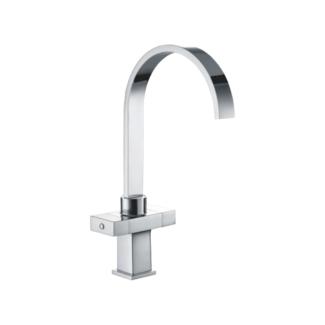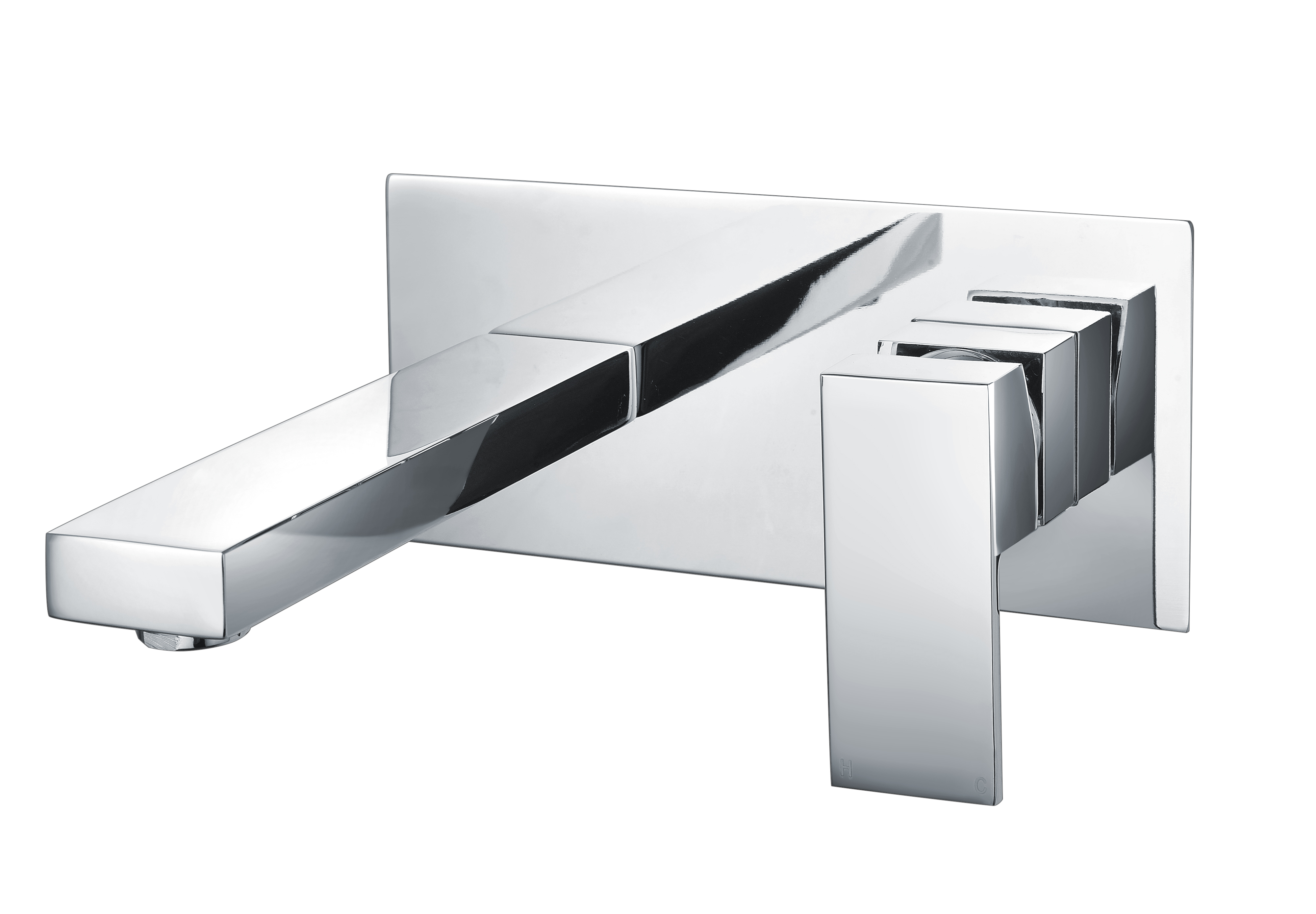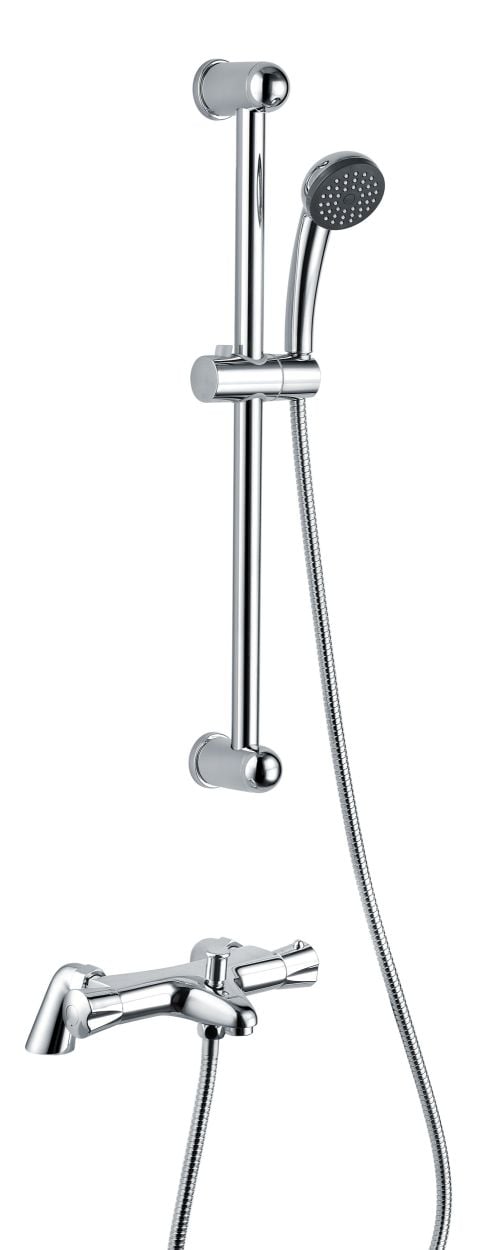
[Vörusýning 16: Autentísk hönnun og stíll frá XINDONG]
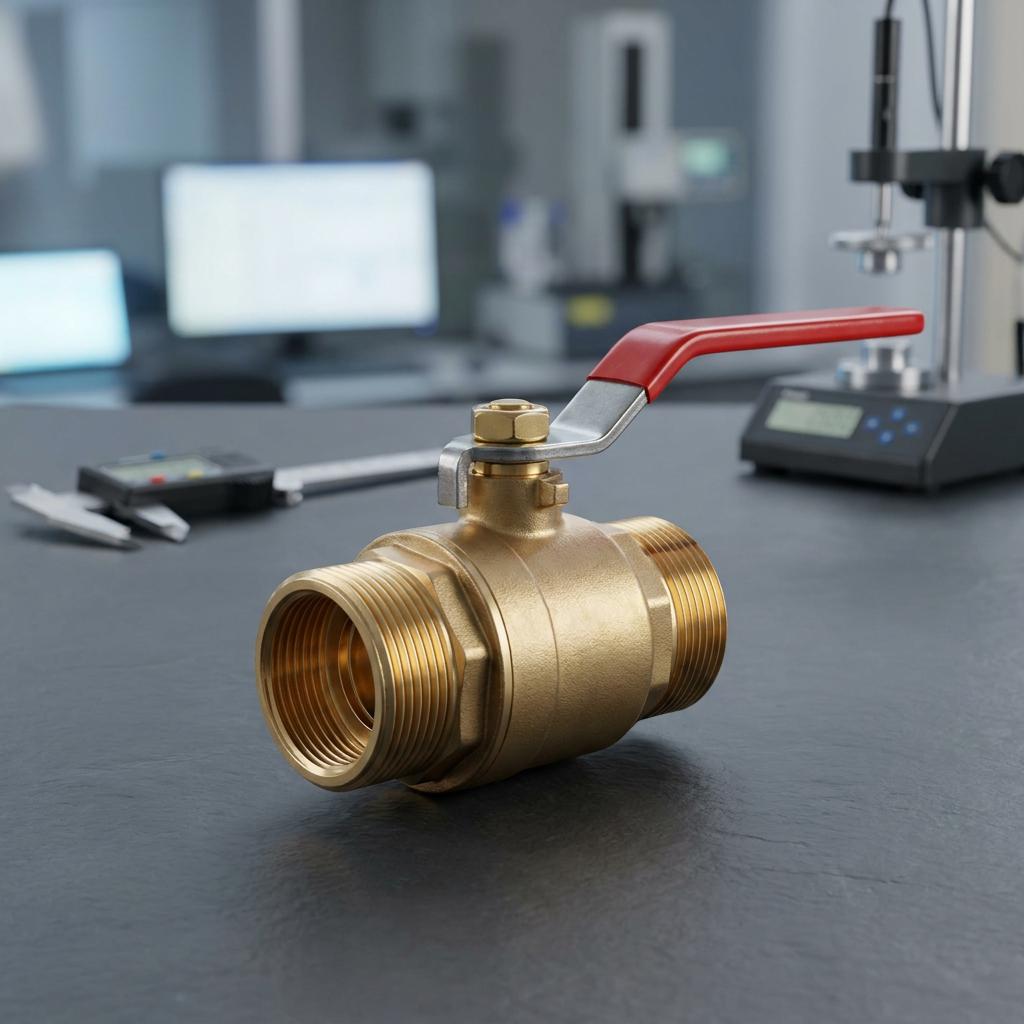
Í viðskipta- og iðnaðarveiturásum er heildarráði kerfis til stjórnskráningar flæðis háð eingöngu grunnefnum sem notað eru í hlutum þess. Fyrir vélverkfræðinga, veitingaraðila og innkaupamenn er val á réttri messuingu fyrir viðskiptaboltavalsvél ekki aðeins spurning um kostnaður – það er mikilvæg verkfræðiákvörðun sem áhrifar öryggi, líftíma og samræmi við reglur á allri byggingunni. Að kaupa boltavalsvél sem er framleidd úr rangri ingu getur leitt til óþarfa brotanna, dýrs vatnsávistar og alvarlega lögfræðilegra ábyrgðar. Til að taka vel upplýst ákvörðun um innkaup er nauðsynlegt að skilja mismuninn á milli staðlaðra messuinga sem mest notaðar eru í viðskiptum: evrópska staðallinn CW617N, hægt að sníða CW614N og kínverska staðallinn HPb59-1, bæði hvað varðar uppbyggingu, efna- og verkfræðieiginleika.
Sem leiðandi evrópskur staðall í framleiðslu af messingarmálmhjóla með yfir 25 ára sérfræði, rekur Zhejiang Xindong Sanitary Ware Co., Ltd ( https://www.cn-xindong.com) nútímaliga verksmiðju á 30.000 fermetrum. Með yfir 380 hæfum fagmönnum og meira en 65 þjóðlegum einkaleyfi hefur Xindong veitt áratala að aðferðum til að bæta messingarmálmfræði. Í þessari almúkka B2B- leiðbeiningu greinum við mikilvægi stofnbyggingar CW617N, CW614N og HPb59-1 til að hjálpa verslunaraðilum að taka tæknilega réttar og viðskiptafræðilega ávinna kaupákvörðanir.
Starfshæfni hverrar messingkúluráða er ákveðin af efna- samsetningunni hennar. Messing er aðallega legering af kopri og sinki, en viðbót ákveðinna sporþátta eins og bly (Pb), álúmíníum (Al) og járni (Fe) breytir mjög miklu í eiginleikum hennar. Samkvæmt evrópskum staðla (EN 12165 fyrir smiðað efni og EN 12164 fyrir stöngvar) eru CW617N og CW614N nákvæmlega skilgreindar, en HPb59-1 er stjórnuð af kínverskum GB/T-staðlum.
• CW617N (CuZn40Pb2): Þetta er gullstaðallinn fyrir smiðaðar messingkúluráður í Evrópu. Hún inniheldur 57,0–59,0 % kopar, 1,6–2,5 % bly og restin er sinkur. Nákvæmlega stýrð blymagnið er jafnt dreift í messingnetinu til að auðvelda framúrskarandi hitasmíði þar sem viðhaldanir á styrkleika og stöðugleika eru viðhaldið.
• CW614N (CuZn39Pb3): Einkennist af hærri blythald í 2,5% til 3,5% og koparhaldi í 57,0% til 59,0%. CW614N er hannað aðallega fyrir vinnslu á háum hraða. Það hefur framúrskarandi frjáls-sniðvirkni og er því fullkomlegt fyrir sniðvinnslu tæknilega flókna hluta eins og vélstöngvar, þéttunarrings, og innri kúlur, en er minna hentugt fyrir smíði vélhluta.
• HPb59-1 (Bly-messing): Þetta er algengt kínverskt staðlað blöndu sem inniheldur 57,0% til 60,0% kopar, 0,8% til 1,9% bly og sink. Þó að það sé kostaeftir og mjög virkilegt fyrir venjulegar notkunarform, hefur efnafræðilag samsetning þess víðari leidréttindi en evrópsk stöndard, og lægra koparmínimum getur áhrifast styrksins í mjög ógagnsæfum umhverfi.
Við Zhejiang Xindong notar okkar innri metallúrgíslaboratorium framfarandi ljósgeisladreifingarspektrometra (OES) til að greina nákvæma efna- samsetningu á hverjum lotu af óvinnu messinguðu stöngvum áður en smiðja hefst. Þetta tryggir að allar pantanir á CW617N messinguðum kúlukerfum í veitingum uppfylla stranglega evrópsk EN-staðla, sem tryggir algilda efnauppsporanleika og metallúrgíska öryggi fyrir alþjóðlega viðskiptavini okkar.
Frá framleiðslusjónarmiði ákvarðar val á legeri gæði smiðju og sniðvirkni. Messinguð kúlukerfi sem eru smiðjuð krefjast efna sem geta þolin háar hitastig og mikla plástíska umformun við heit smiðju án þess að mynda mikilsmætt riss eða innri spennusamrunur.
CW617N er sérstaklega aðlagað fyrir heitt smíði. Í hitastigssvæðinu 650°C til 750°C fer legeringin yfir í mjúkt plástískt beta-fasa ástand, sem gerir henni kleift að renna smothugt inn í flókna steypuförur þungvirkra vélstýrsluvalva. Niðurstaðan er mjög þétt og samfellt metallbygging án innri rýmdu. Á hinn bóginn er CW614N, með hærri blythald, viðkvæm fyrir 'heitt bráðleitni'—þ.e. hún er mjög brjótleg við smíðihitastig og er viðkvæm fyrir sprungum undir háum þrýstingi. Því er CW614N nánast einungis notað til vinnslu hluta sem eru snúðir úr útdregnum messingstöngum en ekki smíðaðir.
Fyrir innkaup á kúlulásvalvum fyrir vandkerfisvið mustu innflutningssjóðir staðfesta að lásvalvuhliðið sé smíðað úr CW617N (eða hágæða smíðuðu HPb59-1 fyrir verðviðráðandi markaðsvið), en innri hlutar eins og stöngin og festiskrúfurnar geta verið sníðaðar úr CW614N. Í þróuðu CNC-sníðunarmiðstöð Zhejiang Xindong, í tengslum við háþyngdarsmíðivél, er tryggt að hver legering sé notuð í bestu framleiðsluferlinu sín, sem leiðir til fullkomins jafnvægis milli mekanískrar styrkleika og háleitinnar nákvæmni í samsetningu.
Viðskiptaþrepahús vandkerfiskerfi vinna oft undir staðbundnum þrýstingi yfir 10–16 bar (PN16), með tímabundnum þrýstingshækkunum vegna vatns-hamra. Samanburður á tönnunarmörkum og lengdunar-mörkum lýsir af hvers vegna val á legeringum er mikilvægt til að koma í veg fyrir áhrifamiklar burst:
• Töfustyrkur: CW617N með handvirku smíði úr messing hefur venjulega töfustyrk á bilinu 380–450 MPa, sem veitir mikla öryggisþrótt við hátt yfirþrýsting. HPb59-1 er venjulega á bilinu 340–400 MPa, sem gerir það viðeigandi fyrir staðlaðar miðlungsþrýstings viðskiptalínur en minna ávallt við miklum vatnshamri.
• Framhaldsgeta við brot: CW617N með handvirku smíði gefur framhaldsgetu yfir 15–20%, sem dregur með sér mikla dráttleika. Þetta þýðir að efnið mun breyta lögun sinni smá undir mjög miklum skotþyngdum í stað þess að brjóta strax. CW614N er bræðilegra og hefur framhaldsgetu undir 10%, sem gerir það óviðeigandi fyrir þrýstihaldandi klósumyndir.
• Brostþol: Klósumyndir úr CW617N með handvirku smíði frá Zhejiang Xindong eru prófuðar til að standa höfuðþrýsting yfir 50 bar, sem tryggir að þær geti auðveldlega tekið við öllum virkjunarsveiflum í háþrýstings viðskipta- og heimilis-HVAC-kerfum og vatnskerfum.
Með því að alþjóðlegar staðlar fyrir drekktarvatn verða strangari er samþykki við lágblýreglur af hámarka mikilvægi fyrir B2B-íflytjendur. Í Evrópu reglur sameiginlegur áskriftur fjögurra ríkja (4MS) efni sem má nota í samskiptum við drekktarvatn. CW617N er á listanum yfir leyfð metallísk efni, með því að blýinnihald þess sé strönglega stjórnað. Í Norður-Ameríku er blýlaust messingsmálmi (með minna en 0,25 % blýs) nauðsynlegt fyrir drekktarvatn. HPb59-1 er algengt fyrir hita-, loft- og gasstýringu og stjórnun á iðjuflökkum, en þarf nákvæma flokkun áður en það er sett upp í heimilavatnskerfi.
Trygghet Zhejiang Xindong við reglur er sýnd í ISO 9001- og CE-vottunum okkar. R&D-deild okkar framkvæmir ávallt prófanir á legeringum til að kanna útflutning þungmetala. Með því að samvinna sig við okkur fá vörusalið í skipulagi á vörur sem fullnægja almennum umhverfisreglum á staðnum, sem krefst ekki tímabundinnar tólfu í tollinum og tryggir örugga og reglugerlega uppsetningu í hverjum viðskiptahöfn.
Til að hámarka ávinning verkefnisins og tryggja langtíma mekanísk áreiðanleika ættu vörusalið í skipulagi og framkvæmdafyrirtæki að nota eftirfarandi valmatríx við að kaupa skipulagsþætti:
• Drekkvanlegt vatn og hágæða evrópsk viðskiptaforrit: Skilgreinið CW617N smidda messingsklukkuhluti einungis. Þetta tryggir fullkomna samræmi við evrópskar heilsu- og öryggisreglur og hámarksástand í móti háum staðfestum þrýstingi.
• HVAC, vatnshýðing og lokaðar gasrör: HPb59-1 er mjög kostnaðarsamur valkostur. Hann veitir framúrskarandi þéttunaraðstöðu og mekanískan styrk fyrir kerfi til stjórnunar á ódrykkjuvötnum.
• Háþættar stembur og snúðbarar hlutar: Gakktu úr skugga um að aðilinn noti CW614N eða svipavisa hárblýmubrassstöngvar fyrir innri vinnuþætti til að tryggja slétt virkni með lágt snúðmót og þétt setningu á snúðinum.
Með því að nýta sér yfir 25 ára framleiðsluupplýsingar Zhejiang Xindong geta B2B viðskiptavinir okkar sérsníðið leger samsetningu, þræði-gerðir og þrýstihlutföll til að passa nákvæmlega við kröfur markaðsins. Hafðu samband við verkfræðideild okkar í dag á https://www.cn-xindong.comtil að biðja um efnaathugasemdir og örugga hávirku brass kúlurhráða á samkeppnishæfum veitingum.
Zhejiang Xindong Sanitary Ware Co., Ltd er stofnuð, heimsfyrirættað OEM/ODM-fyrirtæki sem hefur sérhæft sig í framleiðslu hágæða kranakassa, þermóstöðuðu dúkursett, og messingsklósa frá árinu 1999. Fyrirtækið rekur nýjasta tækni með framleiðslustöð yfir 30.000 m² með yfir 380 hæfilega starfsfólks og meira en 65 skráðum hönnunum. Við býðum upp á strangar gæðaprófanir og samræmisvottorð (WRAS, CE, ACS) fyrir alþjóðlega B2B dreifingaraðila við mikilvægar sjóhöfnir.
Tölvupóstur til rannsóknar: [email protected] | Opinber vefur: www.cn-xindong.com
 Heitar fréttir
 2026-10-17
2026-10-16
2026-10-15
2026-10-14
2026-10-13
2026-10-12

Fyrirtækið, sem var stofnað árið 1999 og er staðsett í Yuhuan, sérhæfir sig í blöndunartækjum, hitastilltum sturtulokum og sturtusettum. Með yfir 30.000 fermetra rými og yfir 380 starfsmenn höfum við fjölmargar vottanir og yfir 65 einkaleyfi.
 EN
EN