**By the Technical Sales Team, Zhejiang Xindong Sanitary Ware Co., Ltd.**
Most basin decisions go wrong at the same moment: someone chose the tap after the basin was drilled. Mono mixer or pillar pair is not a styling preference — it dictates how many holes go through the ceramic, how water is mixed, what pressure the installation needs and how much labour a retrofit consumes. This guide sets out the decision in the order a specifier or installer actually faces it.
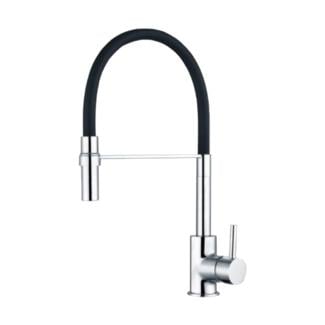
A **basin mono mixer** is a single-body tap with one lever or two handles on one base, delivered through a single 35 mm tap hole. Hot and cold arrive through two flexible connectors or rigid tails beneath the basin, and mixing happens inside the cartridge. A 35 mm ceramic disc cartridge is the industry norm, which is why the hole diameter matters: it is sized around the cartridge body, not the spout.
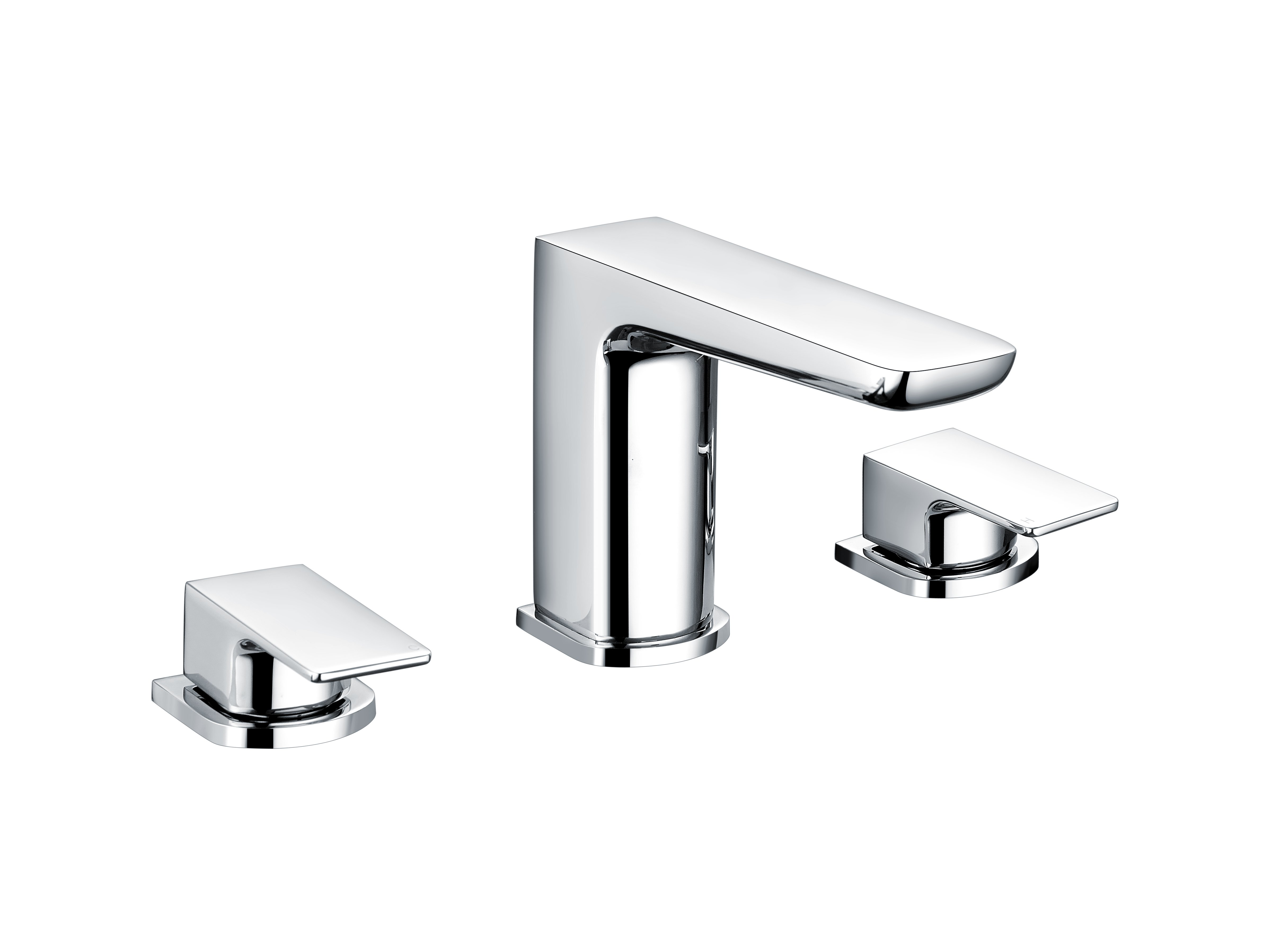
**Pillar taps** are two separate bodies — one hot, one cold — on two holes at 180 mm centres, the traditional UK and Commonwealth arrangement. Mixing happens in the basin, by the user, in the water. Each pillar carries only one inlet.
A third variant confuses procurement: the **bridge mixer**, two pillar bodies joined by a bridge. It looks like a pair and drills like a pair, but mixes internally. Confirm which one you are quoting before the holes are cut.
This is the hard constraint, and it is decided by the ceramic, not the tap.
Basin Type |
Holes |
Fits |
Standard UK/EU cloakroom or pedestal basin |
1 central |
Mono mixer |
Traditional two-hole basin, 180 mm centres |
2 |
Pillar pair or bridge mixer |
3-hole basin (two taps plus a separate spout or waste) |
3 |
Three-hole deck mixer |
Vessel or countertop basin on a worktop |
1, drilled on site |
Mono mixer, tall body |
For new builds, specify the basin and the tap-holes together in the sanitaryware schedule. Drill centres are set at the factory and re-drilling vitreous china on site is a reliable way to crack a basin.
For retrofits, existing holes rule. A single-hole basin takes a mono mixer without alteration; a two-hole basin needs a bridge mixer or a cover plate, and cover plates are a visible compromise clients notice. Turning a one-hole basin into pillar taps is not a retrofit — it is a new basin.
Two numbers govern performance, and they are routinely conflated.
**Flow rate** is measured at a stated dynamic pressure. European basin mixers are conventionally rated at 0.3 MPa (3 bar): a general-purpose basin mixer sits around 10–14 l/min, while eco-restricted models deliver 5–6 l/min. The regulator is a separate component covered by **EN 246** — which is why two taps with identical bodies can meter very differently. On a low-flow or rainwater strategy, specify the flow class, not just "eco".
**Minimum working pressure** is the figure that causes callbacks. A typical mono mixer with ceramic cartridge needs roughly 0.5 bar dynamic to operate cleanly; below that, lever feel goes vague and the aerator dribbles. Pillar taps with conventional heads are more tolerant of low pressure and are still the safer choice on gravity-fed or tank-fed systems without a pump — a genuine reason the pair survives in older housing stock.
Compliance language, stated correctly:
A brass body is not automatically compliant. Dezincification resistance of the alloy, wetted-material approvals and the lead content of the brass all sit inside those standards, which is why a certificate should name the exact model, not the factory.
A mono mixer cuts connections at the basin from four to two, shortening first-fix and removing two leak points under the deck. It also concentrates serviceable parts — cartridge, aerator, O-rings — in one body, so one spare-kit SKU covers a range.
Pillar taps spread the risk: two cartridges, two sets of tails, twice the isolation, and more clearance needed behind the basin — which matters on shallow vanity units.
Both need isolation valves on the branch and balanced supply pressures. A mono mixer blends within a few millimetres of lever travel, so an unbalanced supply produces the classic complaint: a temperature swing when a nearby tap runs.
Answer these six before releasing the order:
How many holes does the basin have, and at what centres?
What is the measured dynamic pressure at the basin at peak demand — not the static street pressure?
Is the system tank-fed or mains-fed, and is a pump involved?
What flow class does the project's water strategy require?
Which approvals does the destination market mandate — WRAS, KIWA, NSF/ANSI 61/372, WaterMark?
Who services the tap, and does a single spare cartridge kit cover the installed range?
If the answers point to one hole and reliable pressure, a mono mixer is the lower-risk, lower-labour choice. If the basin is already drilled at 180 mm centres or the supply is gravity-fed and unpumped, the pillar pair still earns its place.
Xindong's brass basin mono mixers — T749002, T713002, T8802, T7502 and T7102 — sit on the single-hole 35 mm cartridge platform described above, which is where most of the retrofit saving comes from. Shared bodies and cartridge platforms are what let a distributor hold one spare kit and cover a catalogue.
**How to know you got it right:** at handover, the tap delivers a stable temperature within two seconds of lever movement at the lowest pressure the building will ever see, and the installer can name the cartridge model without opening the box.
*Zhejiang Xindong Sanitary Ware Co., Ltd. manufactures brass basin mixers and sanitary ware for importers, distributors and project specifiers. Technical datasheets and approval documentation for individual models are available on request.*
 Hot News
2026-10-21
2026-10-20
2026-10-18
2026-10-17
2026-10-16
2026-10-15

The company, founded in 1999 and located in Yuhuan,specializes in taps, thermostatic shower valves and shower kits. With over 30,000 sqm of space and 380+ employees, we hold numerous certifications and 65+ patents.
 EN