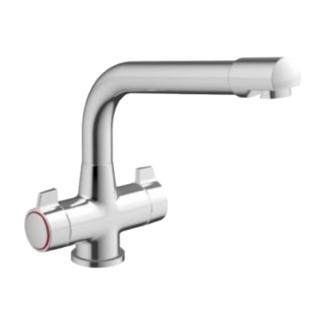
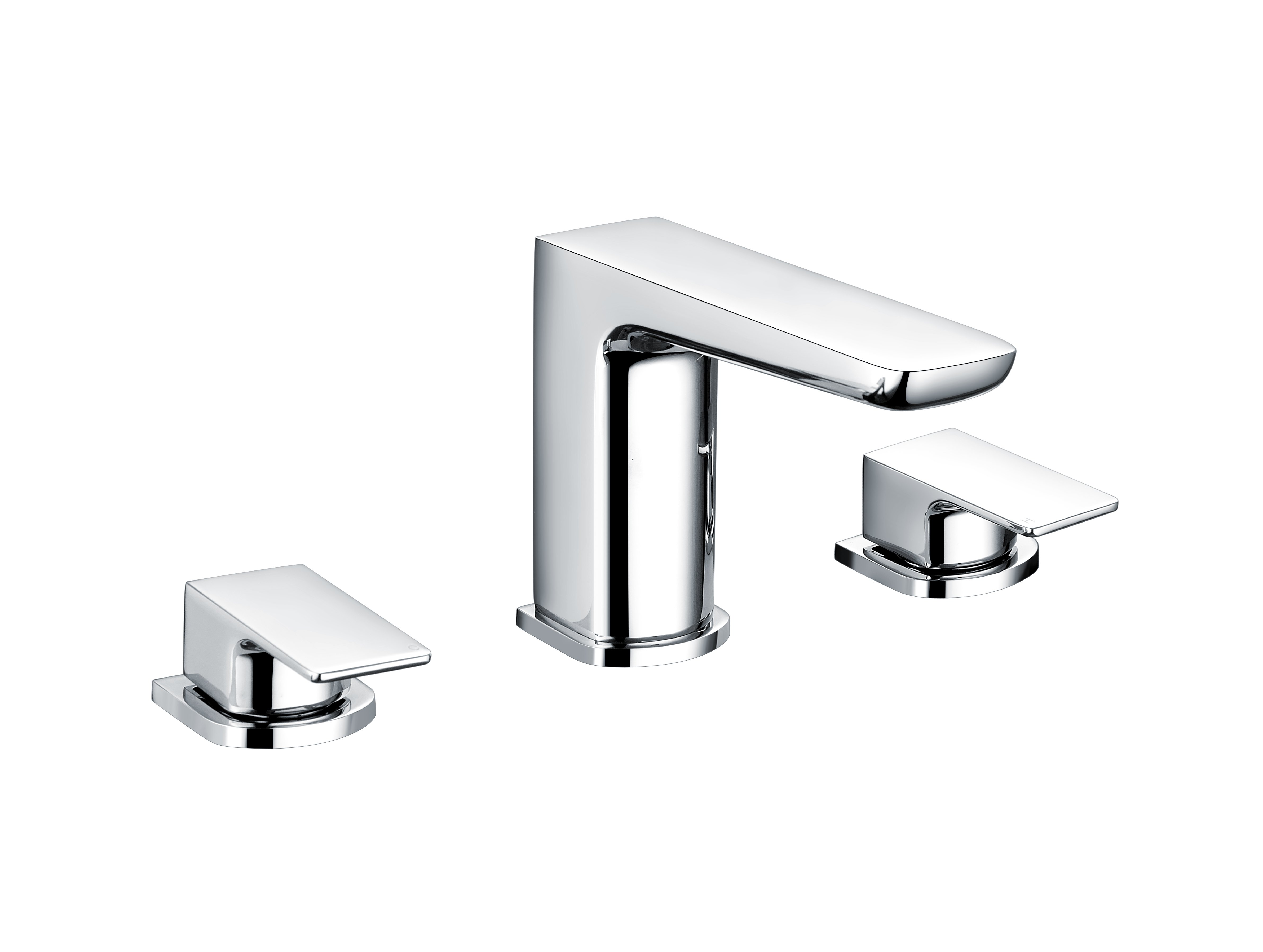
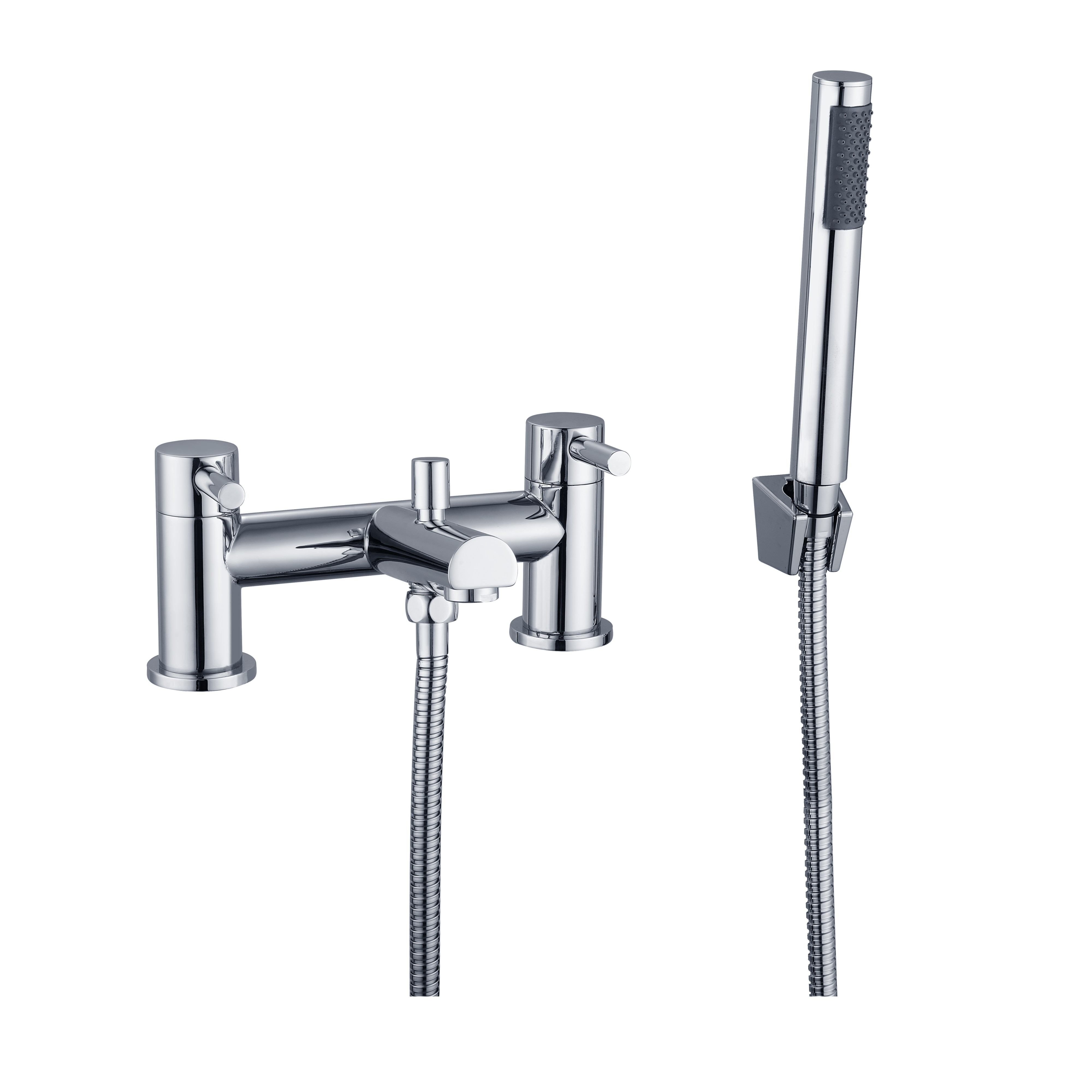
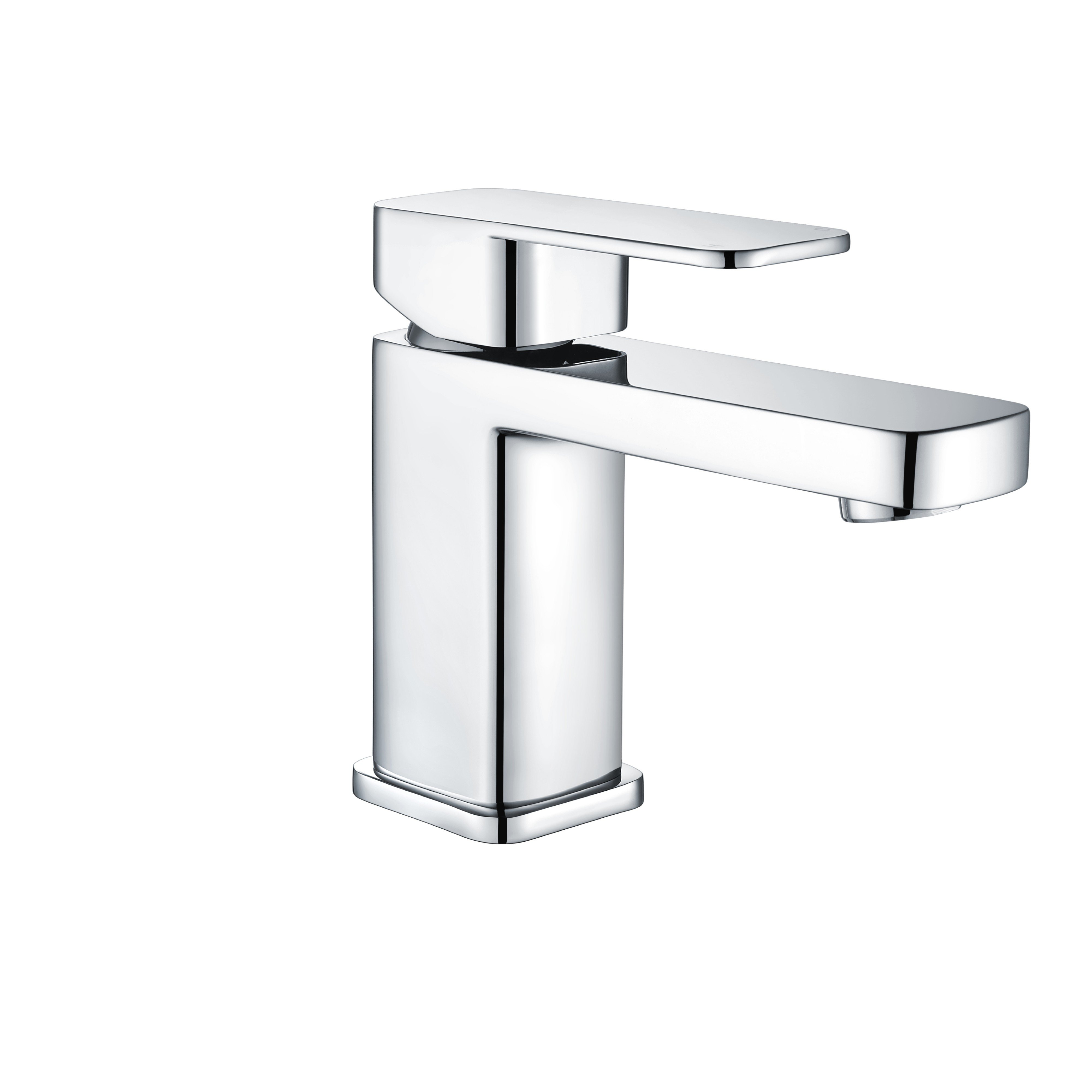
A 98°C boiling-water tap removes the kettle, the urn and the ten-litre water boiler from the tea point. It also puts near-scalding water behind a single lever in a corridor where anyone can walk up and press it. That tension is the whole specification problem, and it is why a boiling-water dispenser has to be specified as a water system rather than as an appliance.
An instant boiling-water tap is really a tap on the worktop and a boiler underneath it. The boiler holds water at roughly 96–99°C in an insulated, pressurised vessel; the tap delivers it through a cool-touch, insulated spout as a metered or free-flow stream.
Vented and unvented units behave differently in a specification. An unvented boiling-water boiler is a pressure vessel and falls within the Pressure Equipment Regulations 1999, so it must be installed and commissioned by a competent person with the declaration recorded. A vented unit avoids that but loses pressure on upper floors and needs its own cistern arrangement.
Most manufacturers cap delivery at 98°C rather than 100°C for a practical reason: at 100°C you boil off water and agitate limescale without gaining anything a tea bag can detect.
Water at 60°C can cause a full-thickness burn in well under a second, and the risk rises steeply above that. A boiling-water tap is therefore not — and must never be treated as — the hot-water outlet for a hand-wash basin. Where a tea point sits beside a washbasin, which is most offices and many commercial kitchens, the basin needs its own controlled hot-water supply.
That is where thermostatic mixing valves (TMVs) belong. A TMV blends stored hot water down to a safe delivery temperature at the point of use. The governing product standards are BS EN 1111:2017 for high-pressure thermostatic mixing valves and BS EN 1287:2017 for the low-pressure types.
In the UK, TMVs are certified under the BuildCert TMV2 and TMV3 schemes. TMV2 is the domestic and general-commercial class. TMV3 is the healthcare and higher-risk class, and it is the one referenced by HTM 04-01, the health technical memorandum covering safe water in healthcare premises.
If your project is a hospital, a care home, a school with vulnerable users or a building with a registered care function, assume TMV3 at the point of use and write that into the tender. For ordinary offices and commercial kitchens, TMV2 at the basin is normally sufficient — but the boiling-water tap still needs its own engineered safety, not a TMV.
That engineered safety means, at minimum: an insulated cool-touch spout; a dual-action or hold-to-dispense lever so a single accidental brush cannot start a flow; a safety lock on the boiling function; a dry-boil cut-out protecting the element and the user; and a pressure-relief arrangement on unvented units.
A TMV must never be fitted to the boiling-water outlet itself, and never to a drinking-water outlet. A mixing valve introduces a cross-connection between hot and cold, and downstream of a beverage or mouth-contact outlet that is precisely the contamination path the Water Supply (Water Fittings) Regulations 1999 exist to prevent. Boiling-water taps and drinking points are kept on their own separate, unmixed supplies.
Backflow protection is still required. Under EN 1717 and the Water Fittings Regulations, a beverage dispenser outlet above a sink is generally treated as fluid category 3, so the unit needs an approved air gap or a suitable mechanical backflow preventer. The whole assembly should carry WRAS approval, and materials in contact with potable water should satisfy Regulation 31 requirements for the approval of substances and products.
Any stored hot water raises a Legionella question. The Approved Code of Practice L8 and its supporting guidance HSG274 Part 2 expect stored hot water to be held at 60°C and distributed at 55°C, with cold water kept below 20°C. A boiling-water boiler running at 96–99°C is thermally hostile to Legionella inside the vessel itself — but the pipework, the flexible tails and any dead leg around it are not.
Practical controls: keep dead legs under one metre; flush rarely used tea points on a documented schedule; and do not plumb a boiling unit off a long, unlagged branch that settles at 40°C.
One question is worth settling early: who owns the tap. On most jobs the boiling-water unit is bought as an appliance by the fit-out contractor, while the TMV and the water-supply design sit with the mechanical consultant. That split is how you end up with a 98°C tap on an unlagged branch and no record of the mixing valve.
Settle it on paper. Put the boiling-water tap, the TMV, the backflow device and the flush schedule on the same water-services drawing, and nominate one party to commission all three together. Wiring the boiler to a switched supply with an isolator above the worktop — not below it — is a small detail that saves a shut-down six months later.
Check the standby story as well. A boiling-water boiler keeps a small tank hot all day, so its standing loss, reheat time and insulation class belong in the tender alongside the tap. A poorly insulated unit in a 24-hour building can quietly cost more in energy than the kettle it replaced.
Specifying on paper is the easy part. The failure mode is almost always a missing record at commissioning, not a missing product.
This guide was prepared by the technical team at Zhejiang Xindong Sanitary Ware Co., Ltd., a manufacturer of brass and stainless-steel sanitary ware, boiling-water dispensers, drinking-water points and OEM plumbing components supplied to importers, contractors and specifiers. Technical enquiries: www.cn-xindong.com.
 Hot News
2026-10-02
2026-10-01
2026-09-30
2026-09-29
2026-09-28
2026-09-24

The company, founded in 1999 and located in Yuhuan,specializes in taps, thermostatic shower valves and shower kits. With over 30,000 sqm of space and 380+ employees, we hold numerous certifications and 65+ patents.
 EN
EN