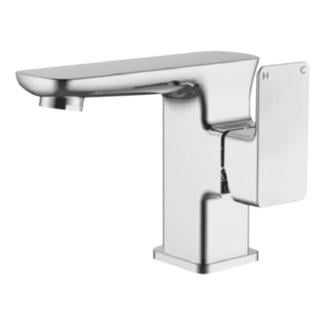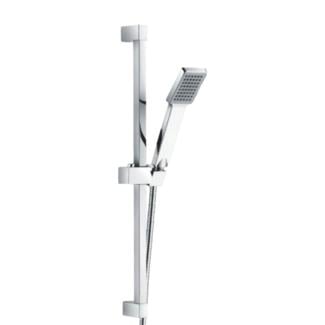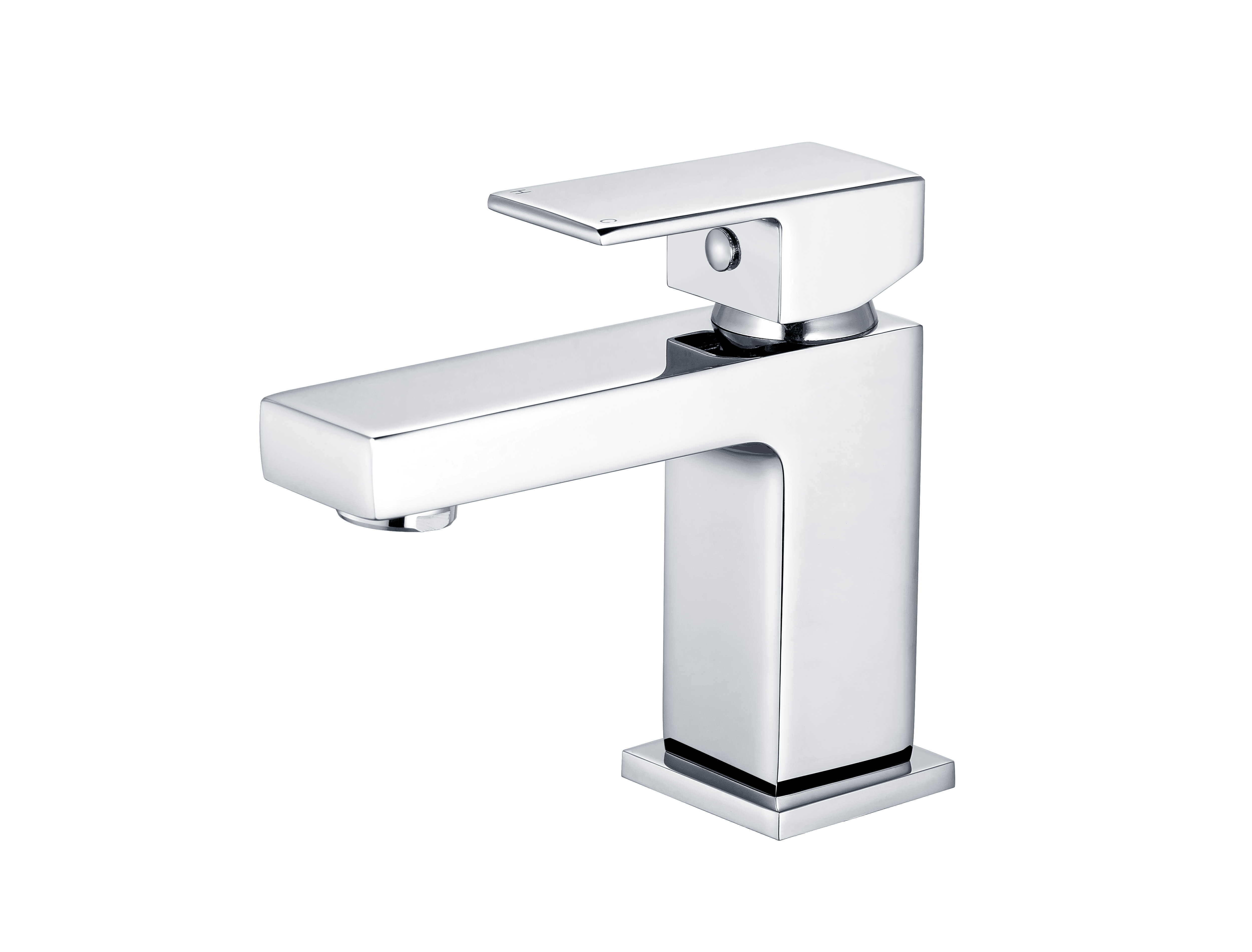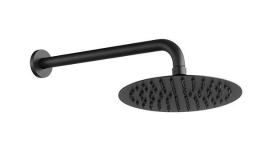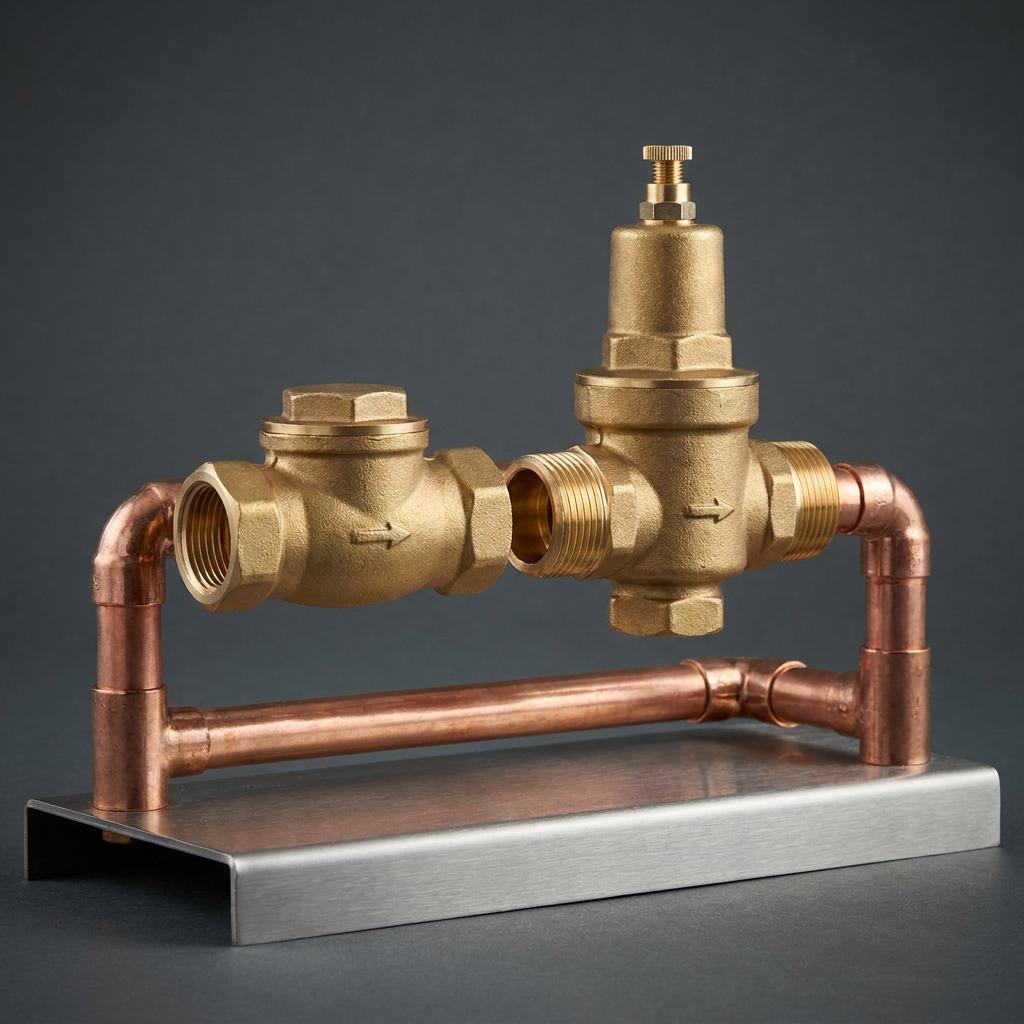
[Product Figure 27: Authentic XINDONG Design & Styling]
Water hammer, scientifically known as hydraulic shock, is a highly destructive physical phenomenon that poses a severe threat to large-scale commercial plumbing systems. It occurs when a fluid in motion is forced to stop or change direction suddenly, creating a rapid change in velocity that converts kinetic energy into high-pressure acoustic shockwaves. In large facilities—such as high-rise office towers, hotels, hospitals, and industrial plants—these pressure waves travel through the piping system at speeds exceeding 4,000 feet per second. The resulting force vibrates pipes, loosens joints, ruptures fittings, and destroys expensive plumbing components. For building maintenance directors, mechanical engineers, and property managers, understanding the root causes of water hammer and sourcing advanced mitigation valves is essential to preventing catastrophic plumbing failures, protecting building infrastructure, and reducing structural noise.
The primary cause of water hammer is the rapid deceleration of water flow. When water is rushing through a pipe under pressure, it possesses a massive amount of momentum. If a valve is closed abruptly, the water column slams into the closed gate, creating a localized high-pressure shockwave. This pressure wave rebounds through the piping system, expanding and contracting the pipe walls. These pressure spikes can easily soar up to 600 PSI or more, which is 10 times the normal operating pressure of a standard commercial system. The key factors that exacerbate water hammer in commercial buildings include:
• Fast-Acting Solenoid Valves: Commercial equipment like industrial dishwashers, large commercial laundry systems, and automatic electronic sensor flushometers utilize rapid, electronic solenoid valves that close in fractions of a second, triggering intense shockwaves.
• High Water Velocity and Elevated Pressure: High-rise plumbing networks often operate under high incoming pressures to supply upper floors. When water pressures exceed 60 to 80 PSI, water travels at extreme velocities, significantly amplifying the energy of any sudden stop.
• Worn or Failed Water Hammer Arresters: Many systems rely on pre-charged air chambers to absorb shock. Over time, these chambers lose their air charge, waterlog, or fail mechanically, leaving the piping completely unprotected.
• Undersized Piping and Inadequate Anchoring: Piping networks that are undersized for the fluid volume experience high flow velocities, and when combined with missing or loose pipe hangers, allow the pipes to physically rattle and slam against walls and structural beams.
Mitigating water hammer requires a multi-pronged mechanical engineering approach. Instead of merely absorbing shock waves after they occur, modern plumbing designs utilize advanced flow-control valves to prevent the generation of shockwaves in the first place. Sourcing commercial water hammer prevention systems involves implementing specific mechanical valves that handle water deceleration gracefully.
1. Slow-Closing Brass Check Valves
A standard check valve is designed to allow water to flow in only one direction and prevent backflow. However, standard swing check valves often slam shut when the pump stops or water pressure drops, contributing to the very water hammer they are supposed to prevent. Modern slow closing brass check valves solve this problem by utilizing a spring-assisted, hydrodynamic piston or dual-plate design. The built-in spring mechanism acts as a precise mechanical dampener, guiding the valve disc to close gradually and smoothly as fluid velocity approaches zero. This controlled closing speed prevents the water column from reversing violently, dispersing the kinetic energy before a harmful pressure wave can form. Sourcing valves with heavy-duty brass seats and durable seals is essential for long-term performance under high cycling frequencies.
2. High-Precision Pressure Reducing Valves (PRVs)
High incoming water pressure is the single most common variable that amplifies water hammer damage. Sourcing and installing high-performance pressure reducing valves allows engineers to systematically lower the baseline pressure of the building's zones. A high-quality PRV utilizes a flexible diaphragm-and-spring assembly to automatically regulate fluctuating high incoming pressure down to a stable, safe operating pressure (typically between 45 and 55 PSI). In high-rise plumbing designs, engineers often deploy two-stage pressure reducing setups in mechanical rooms to handle extreme pressure drops. By reducing water pressure, the velocity of the water throughout the pipe network is lowered, which exponentially decreases the kinetic energy available to generate water hammer.
When sourcing valves for commercial plumbing, procurement teams must look past the initial price tag and focus on engineering certifications, wall thickness, and metallurgical purity. Commercial-grade valves must be made of high-tensile, lead-free brass or bronze (such as CW617N, HPb59-1, or C37700 hot-forged brass) to withstand high mechanical stresses and chemical sanitization treatments in potable water lines. Brass alloys must be rigorously tested to ensure they resist dezincification, a chemical process that leaches zinc from brass in corrosive water environments. Ensure that all valves are subjected to rigorous hydrostatic shell testing and seat leakage testing at pressures up to 1.5 to 2 times their rated working pressure before leaving the factory floor.
Zhejiang Xindong Sanitary Ware Co., Ltd is an established, world-class manufacturer specializing in the engineering and production of heavy-duty brass valves and sanitary fittings. With a massive 30,000-square-meter manufacturing plant, more than 380 dedicated professionals, and over 25 years of extensive industry experience, Xindong has mastered the art of hydraulic flow management. Holding more than 65 domestic and international patent certificates, Xindong’s engineering team designs high-performance slow closing brass check valves and advanced pressure reducing valves that conform to strict global standards, including CE, WRAS, ACS, and low-lead NSF specifications. Their production process utilizes state-of-the-art hot forging presses and ultra-precise CNC machining centers, guaranteeing that every valve exhibits perfect thread tolerances, robust wall thickness, and precise pressure regulation. Sourcing from Zhejiang Xindong ensures your commercial plumbing project is equipped with the ultimate line of defense against hydraulic water hammer.
Zhejiang Xindong Sanitary Ware Co., Ltd is an established, world-class OEM/ODM manufacturer specializing in premium faucets, thermostatic shower sets, and brass valves since 1999. Operating a state-of-the-art 30,000+ sqm manufacturing facility with 380+ highly skilled employees and over 65 patented designs, we provide rigorous QC testing and compliance certifications (WRAS, CE, ACS) for global B2B distributors near major maritime ports.
Email Inquiry: [email protected] | Official Portal: www.cn-xindong.com
 Hot News
2026-10-17
2026-10-16
2026-10-15
2026-10-14
2026-10-13
2026-10-12

The company, founded in 1999 and located in Yuhuan,specializes in taps, thermostatic shower valves and shower kits. With over 30,000 sqm of space and 380+ employees, we hold numerous certifications and 65+ patents.
 EN
EN