Water flow rate is one of the most frequently misspecified parameters in commercial plumbing procurement, often leading to either regulatory non-compliance (in markets with mandatory flow rate limits) or user experience dissatisfaction (when flow is over-restricted for the application). A structured approach to flow rate specification—matched to the specific application and the regulatory environment of the target market—prevents both outcomes.
Flow rates are expressed either in litres per minute (LPM), used in the EU, UK, and most of the world, or in gallons per minute (GPM), used in the United States and Canada. The conversion is straightforward: 1 GPM = 3.785 LPM. When comparing specifications from manufacturers in different markets, confirm which unit system is being used—a specification of "2.2" means 2.2 GPM (8.3 LPM) in a North American context but 2.2 LPM in a European context, a difference of nearly four times.
In public washrooms—airports, shopping centres, educational buildings, and public buildings—faucets are used for hand washing only, with very short use durations (typically 15 to 30 seconds per use). The appropriate flow rate specification is 1.0 to 1.9 LPM (0.3 to 0.5 GPM). At this flow rate, hands are wetted and rinsed adequately in the available contact time, and water consumption per use is minimised. For LEED certification (Indoor Water Use Reduction credit), public lavatory faucets must not exceed 1.9 LPM (0.5 GPM).
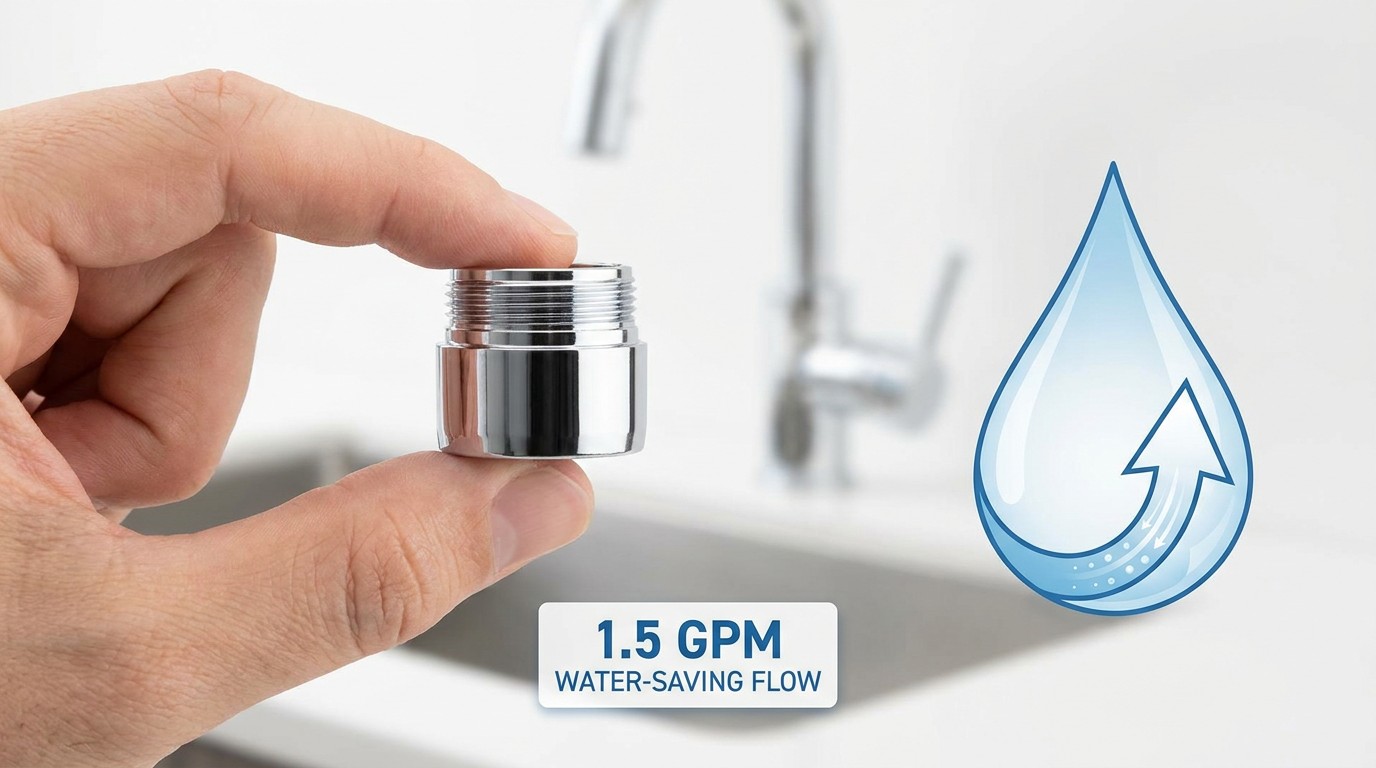
In hotel guest bathrooms and private residential bathrooms, the basin faucet is used for hand washing, face washing, dental hygiene, and potentially hair styling—applications that benefit from a more generous flow than a public washroom. The appropriate specification range is 5 to 8 LPM (1.3 to 2.1 GPM). The EU's WaterSense equivalent threshold is typically 6 LPM (1.6 GPM) for private lavatory faucets. Specifying below 5 LPM in this application frequently generates user complaints.
Kitchen taps are used for tasks with high water demand: filling pots, rinsing vegetables, and washing dishes. Restricting kitchen tap flow below 8 LPM (2.1 GPM) creates genuine user experience problems, particularly at the sink under commercial kitchen conditions. Standard kitchen mixer taps are typically specified at 8 to 12 LPM (2.1 to 3.2 GPM). For commercial kitchen applications with deep pots to fill and high-volume prep requirements, up to 16 LPM may be appropriate with a high-flow spray mode activated through the pull-out head.
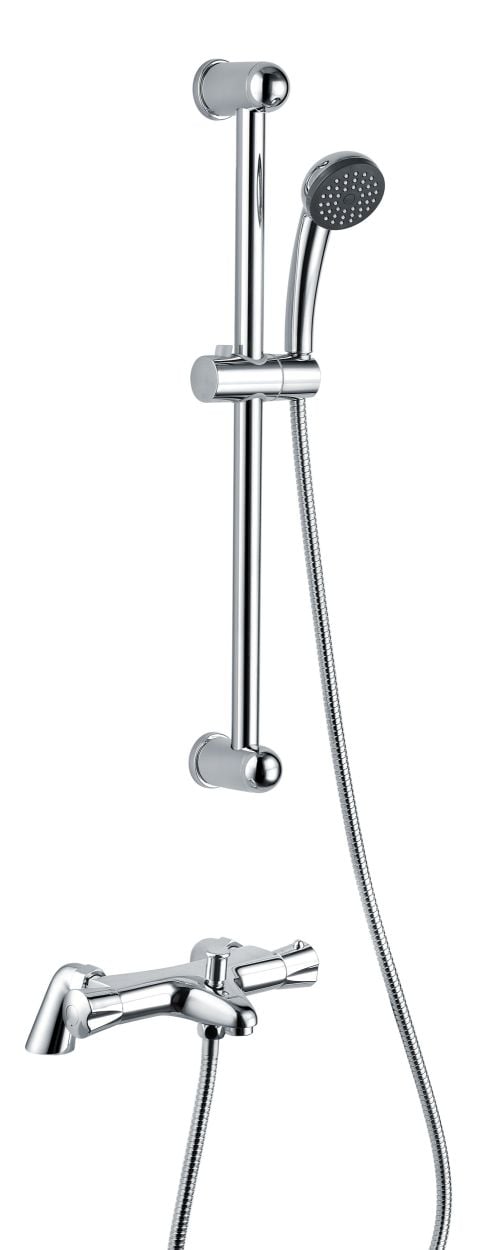
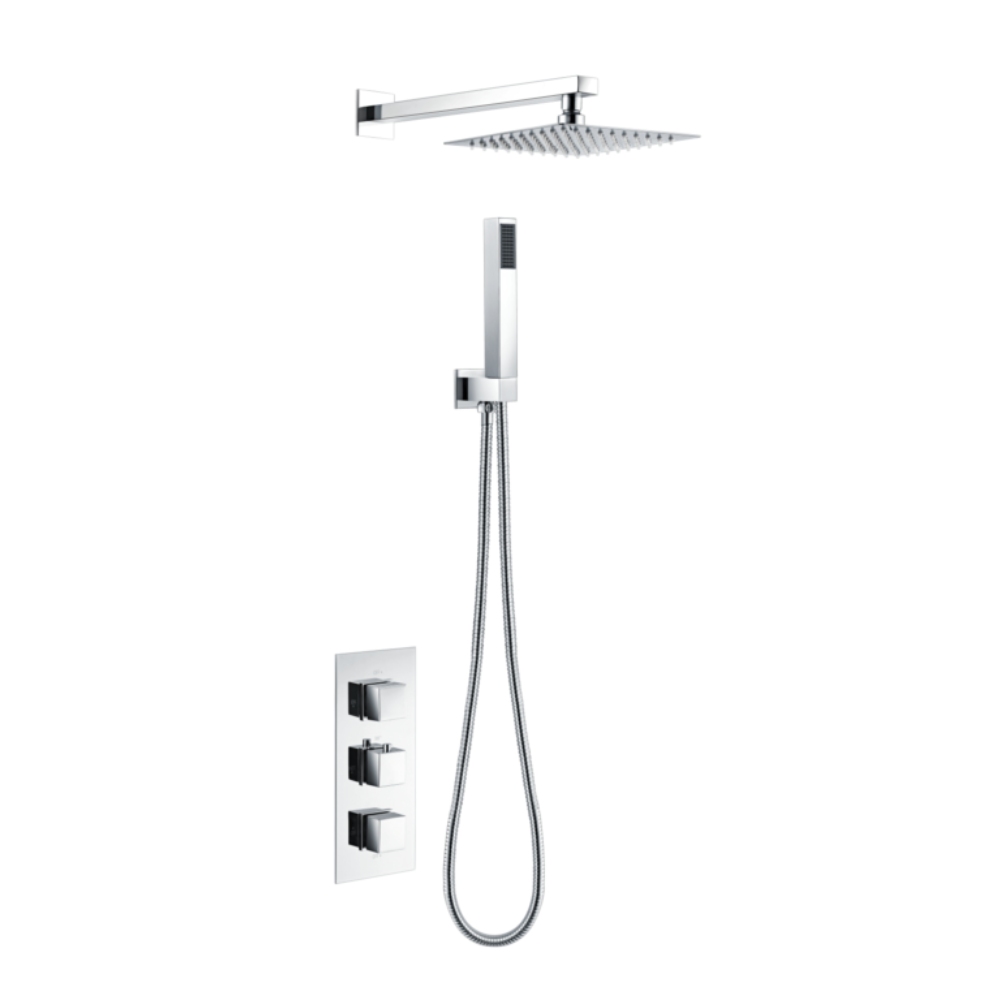
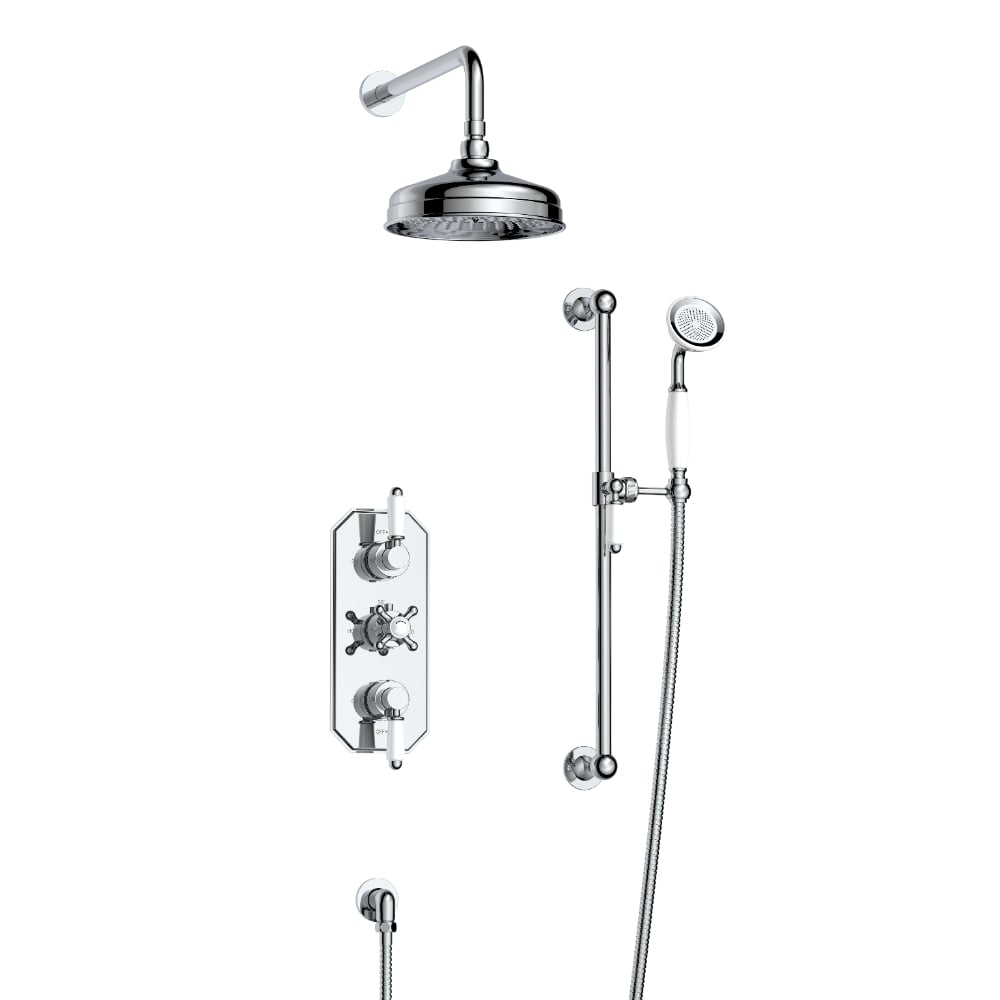
Shower flow rate regulations vary significantly between markets. In the US, the federal standard is 9.5 LPM (2.5 GPM) maximum. WaterSense-certified showerheads are limited to 7.6 LPM (2.0 GPM). In the EU, there is currently no mandatory flow rate standard for showers, though building regulations in specific member states (such as Scotland's Section 6 water efficiency requirements) impose flow limits. The UK WRAS does not specify a shower flow rate but many hotel brand standards specify a guest experience minimum of 8 to 10 LPM to ensure shower satisfaction. Specifying a thermostatic kit with a flow-regulated showerhead at 8 LPM typically satisfies both guest experience and regulatory thresholds in most markets simultaneously.
Established 1999 · 30,000+ sqm factory · 65+ patents · Monthly capacity 200,000+ sets · ISO 9001 certified. Contact: [email protected] | www.cn-xindong.com
 Hot News
2026-10-17
2026-10-16
2026-10-15
2026-10-14
2026-10-13
2026-10-12

The company, founded in 1999 and located in Yuhuan,specializes in taps, thermostatic shower valves and shower kits. With over 30,000 sqm of space and 380+ employees, we hold numerous certifications and 65+ patents.
 EN
EN