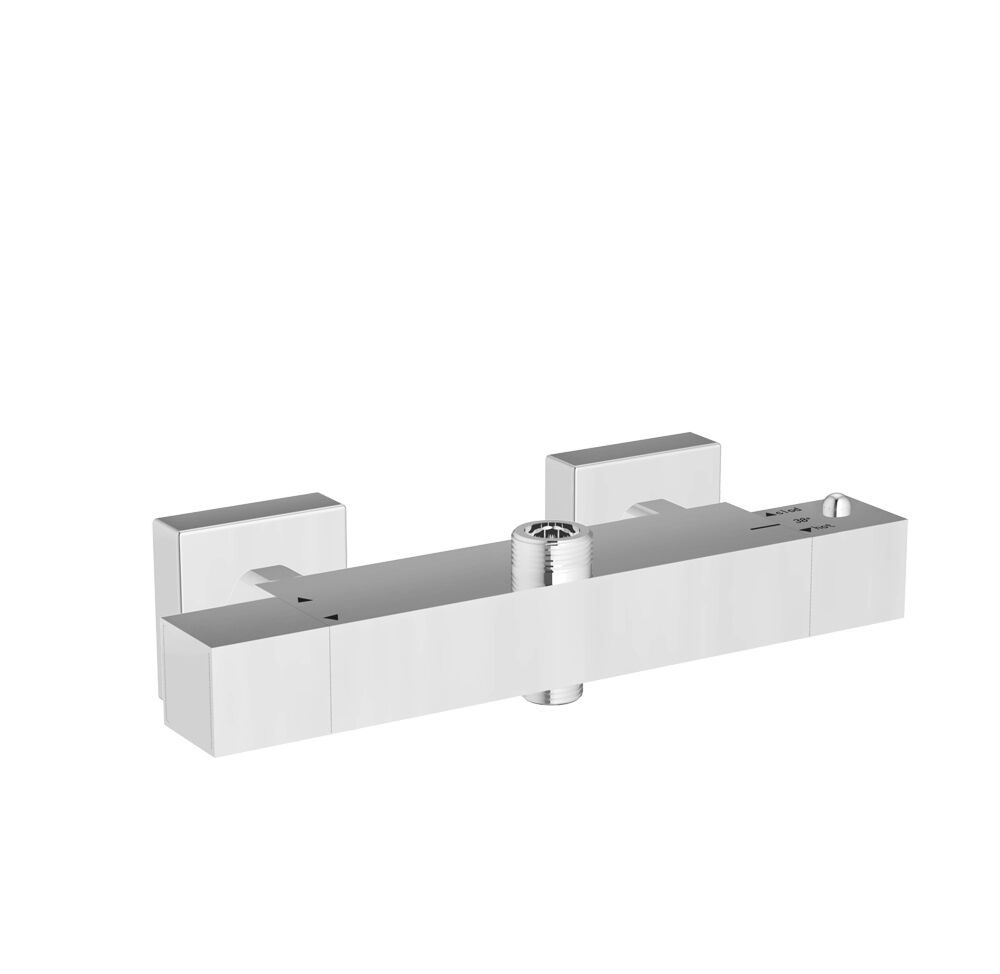
smart thermostatic valves
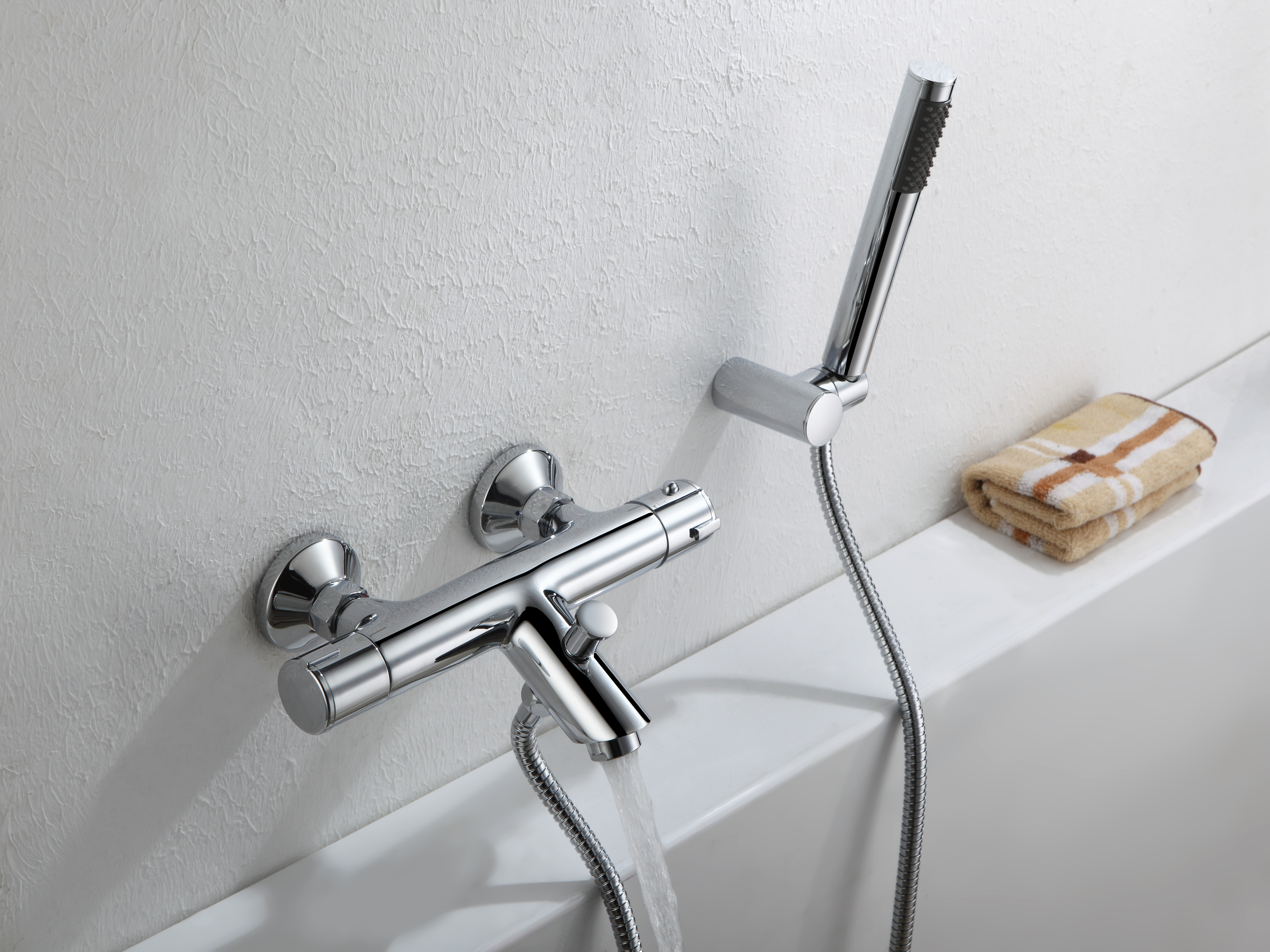
Smart thermostatic valves represent a revolutionary advancement in heating and cooling system control technology, transforming how we manage indoor temperature regulation. These intelligent devices combine traditional thermostatic valve functionality with cutting-edge digital technology, wireless connectivity, and automated control systems. At their core, smart thermostatic valves regulate water flow through heating systems, maintaining optimal room temperatures while maximizing energy efficiency. The primary functions of smart thermostatic valves include precise temperature control, remote monitoring capabilities, automated scheduling, and adaptive learning algorithms that adjust to user preferences and environmental conditions. These valves integrate seamlessly with smart home ecosystems, allowing users to control heating zones through smartphone applications, voice commands, or centralized home automation systems. Key technological features encompass wireless communication protocols such as WiFi, Zigbee, or Z-Wave, enabling real-time data transmission and remote access. Advanced sensors within smart thermostatic valves continuously monitor ambient temperature, humidity levels, and occupancy patterns to optimize performance automatically. Machine learning algorithms analyze usage patterns and environmental factors to predict heating requirements and adjust settings proactively. Smart thermostatic valves find extensive applications across residential, commercial, and industrial sectors. In homes, they provide individual room temperature control, allowing personalized comfort zones while reducing energy consumption. Commercial buildings utilize these valves for efficient zone-based climate management, particularly in offices, hotels, and retail spaces where different areas require varying temperature settings. Industrial applications include process temperature control, HVAC system optimization, and facility management where precise temperature regulation is critical. Educational institutions, healthcare facilities, and government buildings increasingly adopt smart thermostatic valves to achieve sustainability goals while maintaining occupant comfort. The integration capabilities with existing building management systems make these valves valuable components in comprehensive smart building solutions.
 EN
EN