 EN
EN

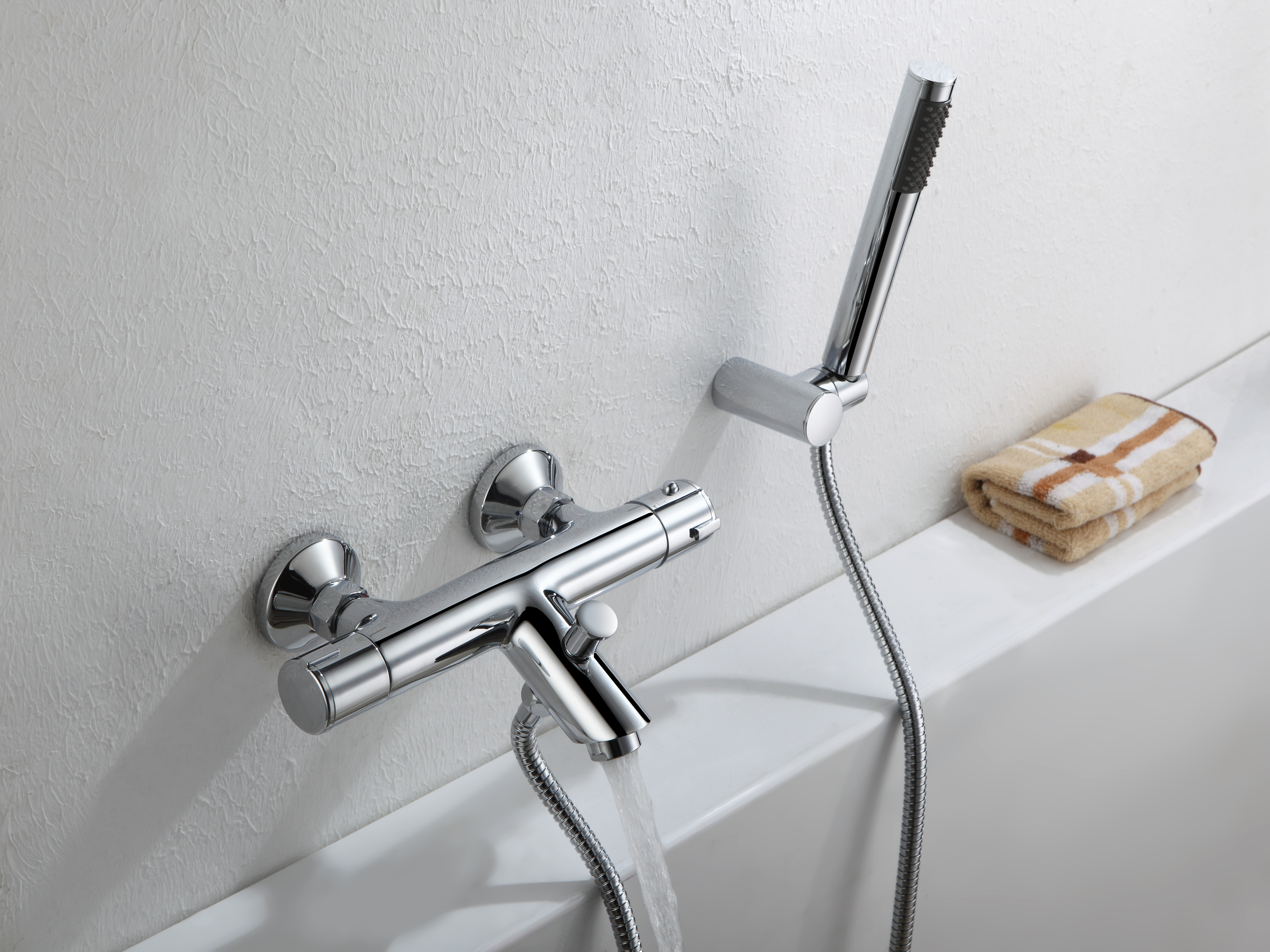
Large-scale commercial installations demand precision-engineered shower systems that can withstand intensive daily use while maintaining optimal performance. Professional contractors and facility managers recognize that selecting the right shower head configuration goes beyond aesthetic considerations, requiring careful evaluation of technical specifications, durability standards, and installation compatibility. Modern commercial shower systems integrate advanced engineering principles to deliver consistent water flow, temperature stability, and long-term reliability across diverse facility types including hotels, fitness centers, dormitories, and industrial complexes.
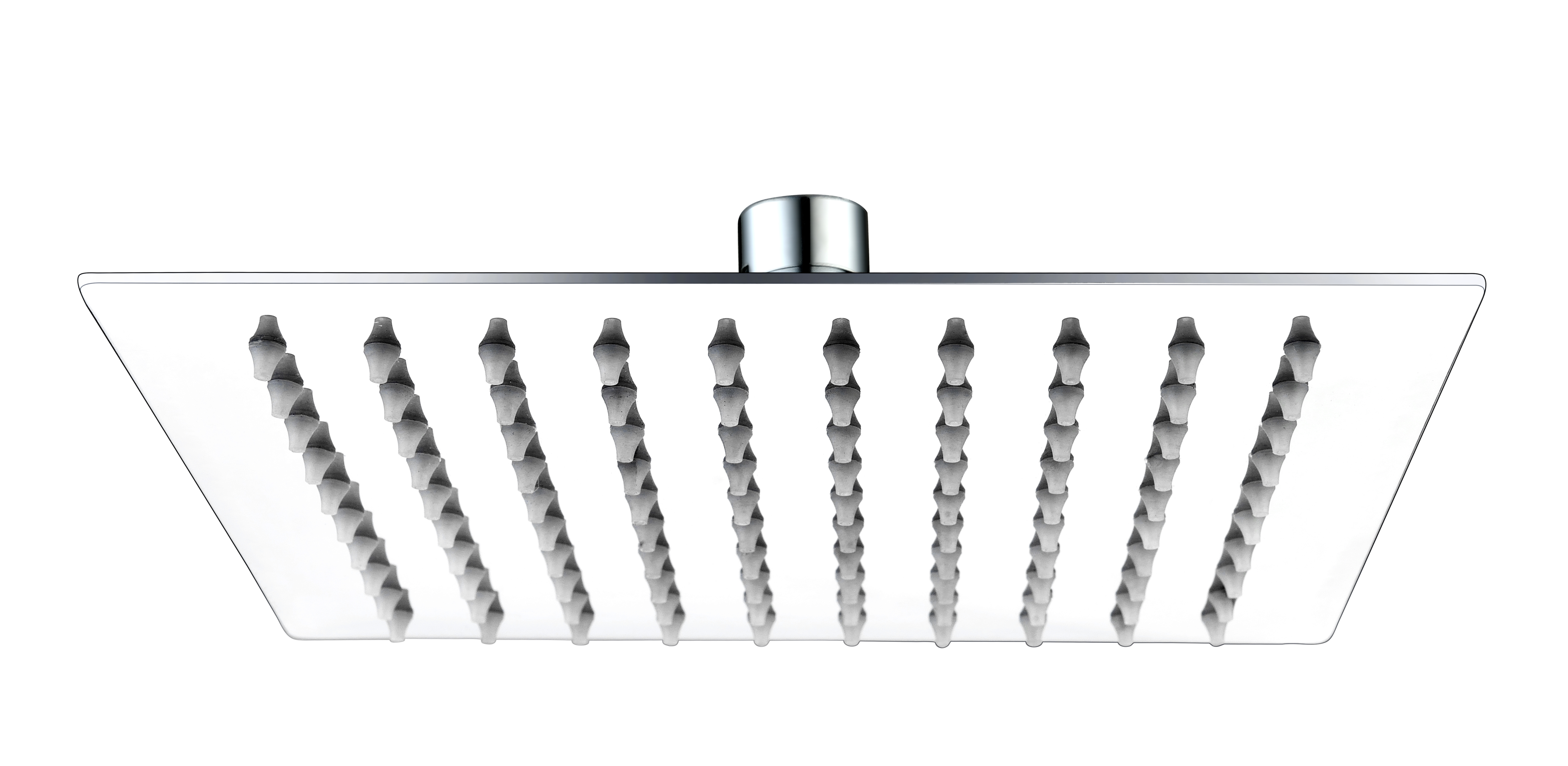
The complexity of commercial shower installations requires thorough understanding of hydraulic engineering, material science, and regulatory compliance standards. Unlike residential applications, large-scale projects must accommodate varying water pressure conditions, multiple simultaneous users, and stringent health department requirements. Engineering teams must evaluate factors such as flow rate optimization, pressure compensation mechanisms, and corrosion resistance properties when specifying shower components for institutional environments.
Hydraulic Performance Engineering
Flow Rate Optimization and Pressure Management
Commercial shower systems require precise flow rate calculations to ensure adequate performance across multiple fixtures operating simultaneously. Engineers must consider the building's water supply capacity, pipe diameter specifications, and pressure drop calculations throughout the distribution network. Modern shower head designs incorporate pressure-compensating mechanisms that maintain consistent flow rates even when system demand fluctuates during peak usage periods.
Advanced hydraulic modeling software enables engineers to predict performance characteristics under various load conditions. These calculations account for factors such as elevation differences, pipe friction losses, and simultaneous usage patterns typical in commercial environments. Proper hydraulic design prevents issues such as temperature fluctuations, inadequate flow rates, and pressure imbalances that could compromise user experience or safety.
The integration of flow restrictors and pressure regulators within shower head assemblies ensures compliance with water conservation regulations while maintaining user satisfaction. These components work together to optimize water usage efficiency without sacrificing performance quality, making them essential for sustainable building certifications and operational cost management.
Temperature Control and Safety Systems
Thermostatic mixing valves integrated with commercial shower systems provide critical safety features by preventing scalding incidents and maintaining consistent water temperatures. These systems incorporate fail-safe mechanisms that shut off hot water flow if cold water supply is interrupted, protecting users from dangerous temperature spikes that could occur in large-scale installations.
Advanced temperature control systems utilize electronic sensors and digital displays to provide precise temperature monitoring and adjustment capabilities. These features prove particularly valuable in healthcare facilities, educational institutions, and senior living communities where user safety requirements are especially stringent. The ability to preset and lock temperature ranges prevents unauthorized adjustments while ensuring compliance with accessibility standards.
Modern commercial shower systems often incorporate anti-microbial technologies within temperature control components to prevent bacterial growth in warm water environments. These features include copper-based alloys, silver ion treatments, and specialized surface coatings that inhibit pathogen development while maintaining system performance over extended operational periods.
Material Specifications and Durability Requirements
Corrosion Resistance and Longevity Standards
Commercial shower installations demand materials capable of withstanding constant exposure to moisture, cleaning chemicals, and mechanical stress from intensive daily use. Stainless steel grades such as 316L provide superior corrosion resistance compared to standard residential materials, making them ideal for institutional environments where maintenance accessibility may be limited and replacement costs are significant.
Brass components with specialized protective coatings offer excellent durability while maintaining cost-effectiveness for large-scale projects. These materials undergo rigorous testing procedures including salt spray exposure, thermal cycling, and mechanical stress evaluation to ensure performance standards meet or exceed industry benchmarks for commercial applications.
Surface finishing processes such as physical vapor deposition and electroplating provide additional protection against wear, discoloration, and chemical degradation. These treatments extend component lifespan significantly while reducing maintenance requirements and preserving aesthetic appearance throughout the product's operational life cycle.
Mechanical Strength and Impact Resistance
Commercial environments require shower components designed to withstand accidental impacts, vandalism attempts, and heavy usage patterns that exceed typical residential conditions. Engineering specifications must account for impact resistance testing, load-bearing capacity, and fatigue resistance under cyclic loading conditions typical in institutional settings.
Mounting systems for wall outlet wall arm shower head configurations must provide secure attachment points capable of supporting dynamic loads generated by user interaction and water pressure forces. Reinforced mounting brackets, heavy-duty fasteners, and structural backing requirements ensure long-term stability and prevent costly repairs or safety hazards.
Quality control testing includes drop impact assessments, torque resistance measurements, and vibration endurance evaluation to validate mechanical performance under real-world operating conditions. These comprehensive testing protocols ensure that specified components will maintain structural integrity throughout their intended service life.
Installation Considerations for Large-Scale Projects
Standardization and Compatibility Requirements
Large-scale installations benefit significantly from standardized component specifications that simplify procurement, installation, and maintenance procedures. Engineering teams must evaluate compatibility between different manufacturers' products to ensure seamless integration and avoid costly field modifications during construction phases.
Modular design approaches enable efficient installation processes while providing flexibility for future modifications or upgrades. Standardized mounting dimensions, connection interfaces, and tool requirements reduce installation complexity and minimize specialized labor costs associated with complex commercial projects.
Documentation requirements for commercial installations include detailed specification sheets, installation instructions, and maintenance protocols that facilitate proper system commissioning and long-term operational success. These materials must address specific requirements for different facility types and usage patterns expected in various commercial environments.
Maintenance Accessibility and Service Requirements
Commercial shower systems require design considerations that facilitate routine maintenance, component replacement, and system servicing without disrupting facility operations. Access panels, removable components, and clear service pathways enable maintenance personnel to perform necessary tasks efficiently while minimizing downtime.
Preventive maintenance schedules for commercial shower installations typically include regular inspection of seals, gaskets, and moving components to identify potential issues before they result in system failures. Design specifications should accommodate easy disassembly and reassembly procedures that don't require specialized tools or extensive technical training.
Replacement part availability and standardization ensure that maintenance teams can quickly source necessary components without extended lead times that could impact facility operations. Strategic inventory management and supplier relationships become critical factors in maintaining system reliability across large commercial installations.
Regulatory Compliance and Code Requirements
Water Efficiency Standards and Conservation Mandates
Modern commercial shower installations must comply with increasingly stringent water conservation regulations that limit maximum flow rates while maintaining adequate performance levels. Engineering specifications must balance user satisfaction with environmental responsibility and operational cost considerations that impact facility budgets.
LEED certification requirements and local building codes often mandate specific water efficiency ratings that influence product selection and system design decisions. These standards typically specify maximum gallons per minute limits, pressure requirements, and performance testing criteria that must be documented and verified during commissioning procedures.
Advanced flow control technologies enable compliance with conservation mandates while preserving user experience through innovative spray patterns, air injection systems, and optimized nozzle designs. These features demonstrate how engineering innovation can address environmental concerns without compromising functionality or comfort.
Safety Standards and Accessibility Compliance
Americans with Disabilities Act requirements significantly influence shower system specifications for commercial installations, mandating specific height ranges, control accessibility, and clear floor space dimensions. Engineering teams must integrate these requirements into overall system design while maintaining aesthetic coherence and functional performance.
Safety codes addressing scald prevention, slip resistance, and emergency shut-off capabilities require careful coordination between plumbing, electrical, and architectural design elements. These integrated safety systems protect users while ensuring facility compliance with health department regulations and insurance requirements.
Regular code updates and evolving safety standards necessitate flexible design approaches that can accommodate future regulatory changes without requiring complete system replacements. Forward-thinking specifications consider potential regulatory evolution and incorporate adaptable features that extend system viability.
Performance Optimization Strategies
Energy Efficiency and Operational Cost Management
Commercial shower systems represent significant operational expenses through water heating, treatment, and distribution costs that accumulate substantially across large-scale installations. Engineering optimization focuses on reducing these expenses while maintaining service quality through advanced efficiency technologies and intelligent control systems.
Heat recovery systems integrated with commercial shower installations can capture thermal energy from drain water to preheat incoming cold water supplies. These systems provide measurable energy savings that contribute to sustainability goals while reducing operational expenses over the system's lifecycle.
Smart monitoring systems enable facility managers to track usage patterns, identify efficiency opportunities, and detect maintenance issues before they impact system performance. Data analytics capabilities provide insights for optimizing operating parameters and scheduling preventive maintenance activities.
User Experience Enhancement Technologies
Modern commercial shower systems incorporate user interface technologies that enhance convenience while maintaining simplicity appropriate for diverse user populations. Touch-free activation, digital temperature displays, and preset program options improve user satisfaction while reducing maintenance requirements associated with mechanical controls.
Customizable spray patterns and pressure settings enable facility managers to tailor shower experiences for specific user groups or facility requirements. These features prove particularly valuable in fitness facilities, healthcare environments, and hospitality applications where user expectations and comfort requirements vary significantly.
Antimicrobial surface treatments and self-cleaning technologies reduce maintenance burdens while ensuring hygiene standards appropriate for commercial environments. These innovations address health concerns while minimizing labor costs associated with frequent cleaning and sanitization procedures.
FAQ
What are the key engineering differences between residential and commercial shower head installations?
Commercial installations require significantly higher durability standards, pressure compensation systems, and regulatory compliance features not typically found in residential applications. Materials must withstand intensive daily use, multiple simultaneous users, and institutional cleaning protocols. Additionally, commercial systems need standardized components, accessibility compliance, and maintenance accessibility that residential installations don't require.
How do water pressure variations affect large-scale shower system performance?
Large commercial buildings experience pressure fluctuations due to elevation changes, simultaneous fixture usage, and supply system limitations. Engineers address these challenges through pressure-compensating valves, booster pump systems, and proper pipe sizing calculations. Advanced systems incorporate pressure sensors and automatic adjustment mechanisms to maintain consistent performance across all fixtures regardless of system demand variations.
What maintenance considerations are critical for commercial shower installations?
Commercial shower systems require accessible component design, standardized replacement parts, and clear maintenance protocols to minimize operational disruptions. Regular inspection schedules should address seal integrity, flow rate verification, and temperature control calibration. Preventive maintenance programs help identify potential issues early while ensuring continued compliance with safety regulations and performance standards.
How do modern commercial shower heads address water conservation requirements?
Contemporary commercial shower heads integrate flow restrictors, pressure compensation mechanisms, and optimized spray technologies to meet conservation mandates while maintaining user satisfaction. These systems often include automatic shut-off features, reduced flow rate settings, and air injection technologies that create satisfying spray patterns with less water consumption. Smart controls enable facility managers to monitor usage and adjust settings for optimal efficiency.
Table of Contents
- Hydraulic Performance Engineering
- Material Specifications and Durability Requirements
- Installation Considerations for Large-Scale Projects
- Regulatory Compliance and Code Requirements
- Performance Optimization Strategies
-
FAQ
- What are the key engineering differences between residential and commercial shower head installations?
- How do water pressure variations affect large-scale shower system performance?
- What maintenance considerations are critical for commercial shower installations?
- How do modern commercial shower heads address water conservation requirements?