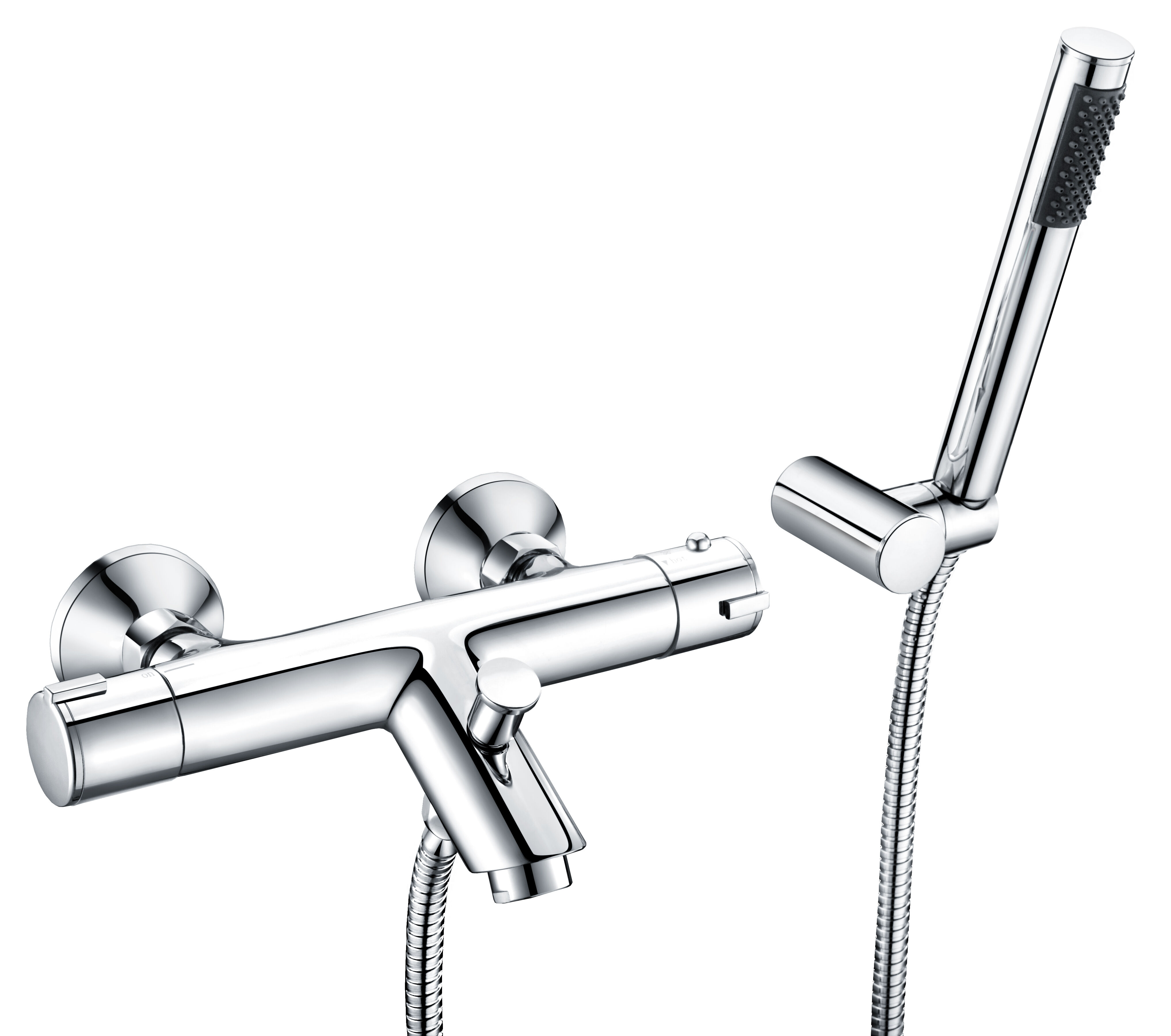
Environmental Sustainability and Cost-Effectiveness
Environmental responsibility and economic efficiency converge in stainless steel tap design through sustainable manufacturing processes, longevity benefits, and end-of-life recyclability that support green building initiatives and reduce total ownership costs. The production of stainless steel utilizes recycled content, with many manufacturers incorporating up to 60% recycled materials in their alloy compositions, reducing demand for virgin raw materials and minimizing environmental impact from mining operations. Water conservation features integrated into modern stainless steel tap designs include precision-engineered aerators and flow restrictors that maintain user satisfaction while reducing consumption by up to 30% compared to standard fixtures, contributing to utility cost savings and environmental conservation efforts. The exceptional lifespan of stainless steel fixtures, often exceeding 25 years in residential applications and 15 years in commercial settings, eliminates frequent replacement cycles that generate waste and consume resources for manufacturing and transportation. Energy efficiency benefits emerge from the thermal conductivity properties of stainless steel, which enable rapid temperature response and reduce water waste during temperature adjustment periods, particularly important in commercial applications with high usage volumes. The recyclability factor ensures that stainless steel tap fixtures retain material value at the end of their service life, allowing complete recovery and reprocessing into new products without quality degradation or contamination concerns that affect other materials. Cost-effectiveness calculations reveal significant long-term savings when comparing total ownership expenses, including purchase price, installation, maintenance, and replacement costs over typical building lifecycles. The reduced maintenance requirements eliminate ongoing expenses for refinishing, replating, or component replacement that commonly affect alternative materials, freeing maintenance budgets for other priorities. Water quality preservation through stainless steel construction eliminates the need for additional filtration systems in many applications, reducing infrastructure costs while ensuring pure taste and odor-free water delivery. The compatibility with existing plumbing systems simplifies retrofit installations, avoiding costly pipe modifications or adapter requirements that add project complexity and expense to renovation projects.
 EN
EN