 EN

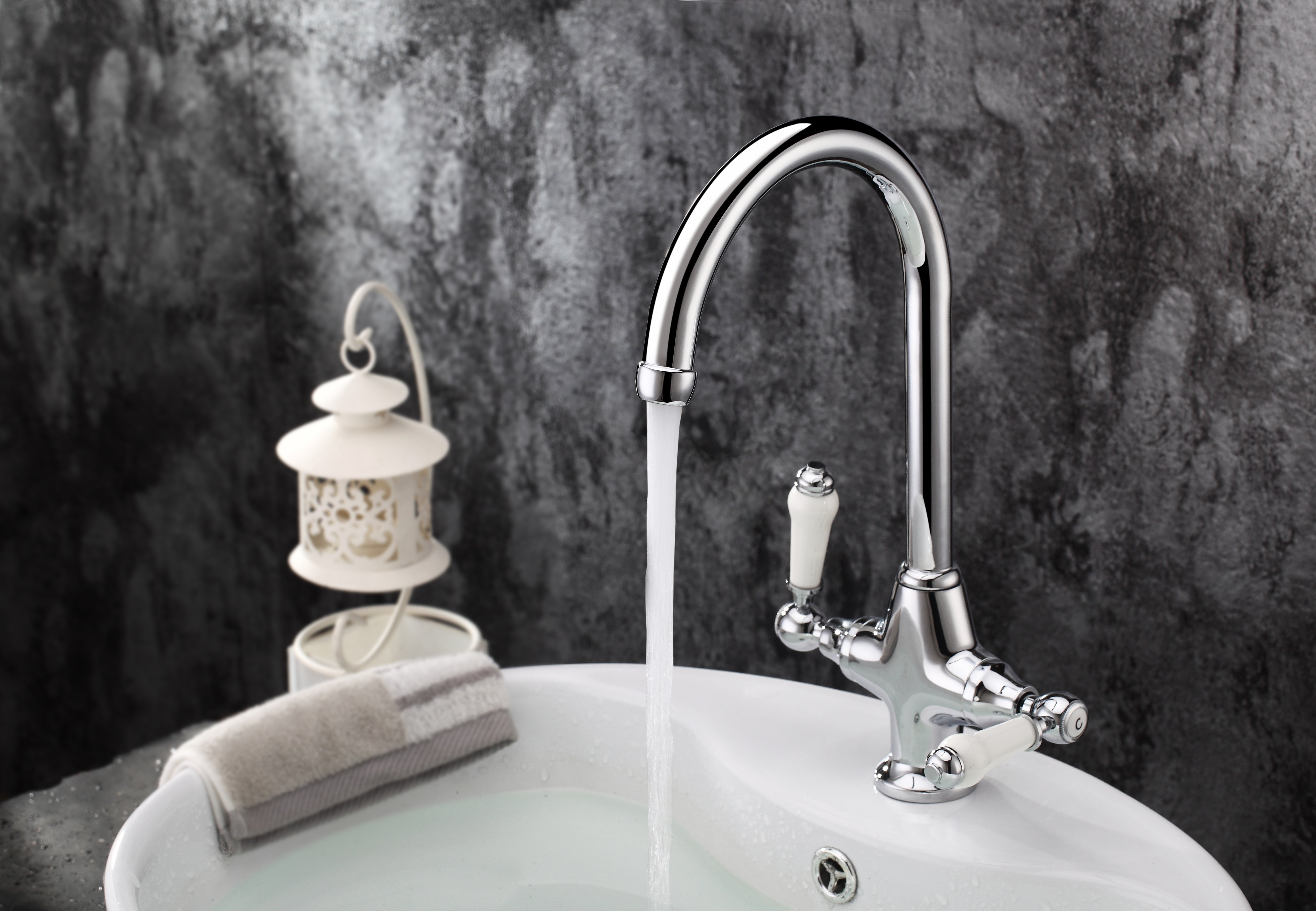
Public bathrooms face unique challenges when it comes to fixture selection and maintenance. Brushed stainless steel kitchen faucets have emerged as a practical solution for facilities managers and building owners seeking to minimize visible damage while maintaining hygiene standards. Unlike polished finishes that show every fingerprint and water spot, brushed stainless steel kitchen faucets offer a surface that naturally disguises minor scratches, dust, and daily wear. This makes them an ideal choice for high-traffic environments where appearance and durability must coexist.
The question of whether brushed stainless steel kitchen faucets can truly prevent scratches in public bathrooms requires a nuanced answer. While these kitchen faucets cannot entirely prevent physical damage from occurring, their textured finish significantly reduces the visibility of scratches that do happen. Understanding how brushed stainless steel kitchen faucets perform under real-world conditions helps facilities managers make informed purchasing decisions that align with both budget constraints and aesthetic expectations.
Understanding Brushed Stainless Steel Surface Properties
How the Brushed Finish Works
Brushed stainless steel kitchen faucets feature a matte surface created by directional grain patterns that scatter light diffusely rather than reflecting it as a polished finish would. This optical property is fundamental to why brushed kitchen faucets outperform polished alternatives in public settings. When light hits a polished kitchen faucet, reflections make even microscopic scratches and water marks highly visible, whereas brushed kitchen faucets distribute light across the textured surface, making minor surface damage nearly invisible to the naked eye.
The manufacturing process for brushed kitchen faucets involves abrasive treatments that create thousands of tiny parallel lines across the stainless steel surface. These lines intentionally interrupt light reflection and create visual continuity that masks localized damage. Public bathroom facilities benefit enormously from this property because daily use inevitably produces contact marks, and maintenance staff cannot polish every kitchen faucet multiple times daily to maintain appearance.
Material Durability Considerations
The underlying stainless steel composition of quality kitchen faucets remains consistent whether the finish is brushed or polished, meaning corrosion resistance depends on alloy grade rather than surface treatment. Most commercial-grade kitchen faucets use 304 or 316 stainless steel, both offering excellent resistance to rust and bacterial growth in humid bathroom environments. The brushed finish does not compromise the structural integrity or corrosion resistance of kitchen faucets; it merely changes how surface imperfections appear visually.
Performance of Brushed Stainless Steel Kitchen Faucets in Public Bathrooms
Scratch Resistance and Visual Impact
Brushed stainless steel kitchen faucets in public bathrooms can withstand the same level of physical impact as polished versions, but the damage is far less noticeable. When a customer bumps a brushed kitchen faucet with a soap dispenser or mobile cart, the impact may create a temporary mark, but the textured surface absorbs this visually within seconds. In contrast, the same incident on a polished kitchen faucet would leave a highly visible scratch that accumulates with other marks to create an increasingly tired appearance.
Facilities managers report that brushed kitchen faucets in high-traffic public bathrooms maintain their aesthetic appeal significantly longer than polished alternatives with identical maintenance routines. This practical advantage translates directly to cost savings by extending the time between complete fixture replacement or professional refinishing. Many public bathroom operators choose brushed kitchen faucets specifically because the finish naturally forgives the wear patterns that develop in busy facilities where hundreds of people use the fixtures daily.
Maintenance and Cleaning Requirements
Cleaning brushed stainless steel kitchen faucets requires different techniques than polished finishes, though the workload is often lighter overall. Standard bathroom disinfectants work effectively on kitchen faucets regardless of finish, but wiping direction matters on brushed surfaces. Cleaning staff should wipe brushed kitchen faucets in the direction of the grain to maintain the finish appearance and avoid creating obvious scratch patterns against the natural grain direction.
Water spots and mineral deposits are less visible on brushed kitchen faucets than polished versions, reducing the frequency of intensive cleaning necessary to maintain professional appearance. In regions with hard water, this advantage becomes increasingly valuable because buildup becomes harder to see and therefore less critical to address immediately. Many public bathroom operators find that brushed kitchen faucets require maintenance every two to three days versus daily polishing for polished kitchen faucets in the same environment.
Practical Considerations for Public Bathroom Installation
Cost-Benefit Analysis
Brushed stainless steel kitchen faucets typically cost slightly more than basic polished models but less than specialty finishes like matte black or bronze kitchen faucets. This moderate price point reflects the additional manufacturing steps required to create the brushed finish while acknowledging that kitchen faucets represent relatively small components of total bathroom renovation budgets. When facilities managers calculate the total cost of ownership, brushed kitchen faucets often emerge as the most economical choice because reduced replacement frequency and simplified maintenance offset the higher initial purchase price.
The operational savings from reduced maintenance labor on brushed kitchen faucets can accumulate substantially over five to ten years in high-traffic public facilities. Staff members spend less time polishing, and the facility maintains a professional appearance longer without intensive intervention. For properties managing multiple bathrooms or expecting heavy usage, switching to brushed kitchen faucets can reduce annual maintenance costs significantly while simultaneously improving guest or customer perception of facility quality.
Installation and Compatibility
Brushed stainless steel kitchen faucets install identically to other finish options, using standard mounting hardware and supply lines. Compatibility with existing plumbing infrastructure depends on valve type and connector specifications rather than finish, meaning brushed kitchen faucets integrate seamlessly into replacement scenarios. Facility managers replacing older fixtures can confidently specify brushed kitchen faucets without requiring any modifications to underlying plumbing systems or countertop installations.
Professional installation of brushed kitchen faucets should follow manufacturer guidelines to ensure proper aerator function and handle operation. The brushed finish requires no special treatment during installation, though careful handling prevents unnecessary scratches before the fixture enters service. Once properly installed, brushed kitchen faucets perform maintenance-free for months while polished alternatives would already show accumulated scratches in equivalent public bathroom conditions.
FAQ
Can you repair scratches on brushed stainless steel kitchen faucets?
Minor scratches on brushed kitchen faucets typically do not require repair because they integrate naturally into the textured finish and remain virtually invisible. If deeper scratches do occur, professional refinishing can restore the brushed appearance, though this option is rarely necessary in practice. For most public bathroom applications, brushed kitchen faucets never require scratch repair during their entire service life because visible damage simply does not accumulate noticeably.
How does brushed stainless steel compare to polished finishes for public bathrooms?
Brushed stainless steel kitchen faucets mask damage far more effectively than polished finishes, making them superior for high-traffic public environments. Polished kitchen faucets reflect light brightly but show every fingerprint, water spot, and scratch with harsh clarity. In public bathrooms where appearance matters and maintenance budgets are finite, brushed kitchen faucets consistently outperform polished alternatives for maintaining professional aesthetics with minimal staff effort.
Are brushed stainless steel kitchen faucets sanitary for public use?
Brushed stainless steel kitchen faucets offer identical sanitary properties to polished versions because the underlying material composition remains unchanged. The brushed finish does not harbor bacteria differently than polished finishes, and standard bathroom disinfectants effectively clean both. Public health standards and hygiene requirements apply equally to brushed and polished kitchen faucets, so facility managers can confidently specify brushed options without compromising sanitation or safety.