 EN

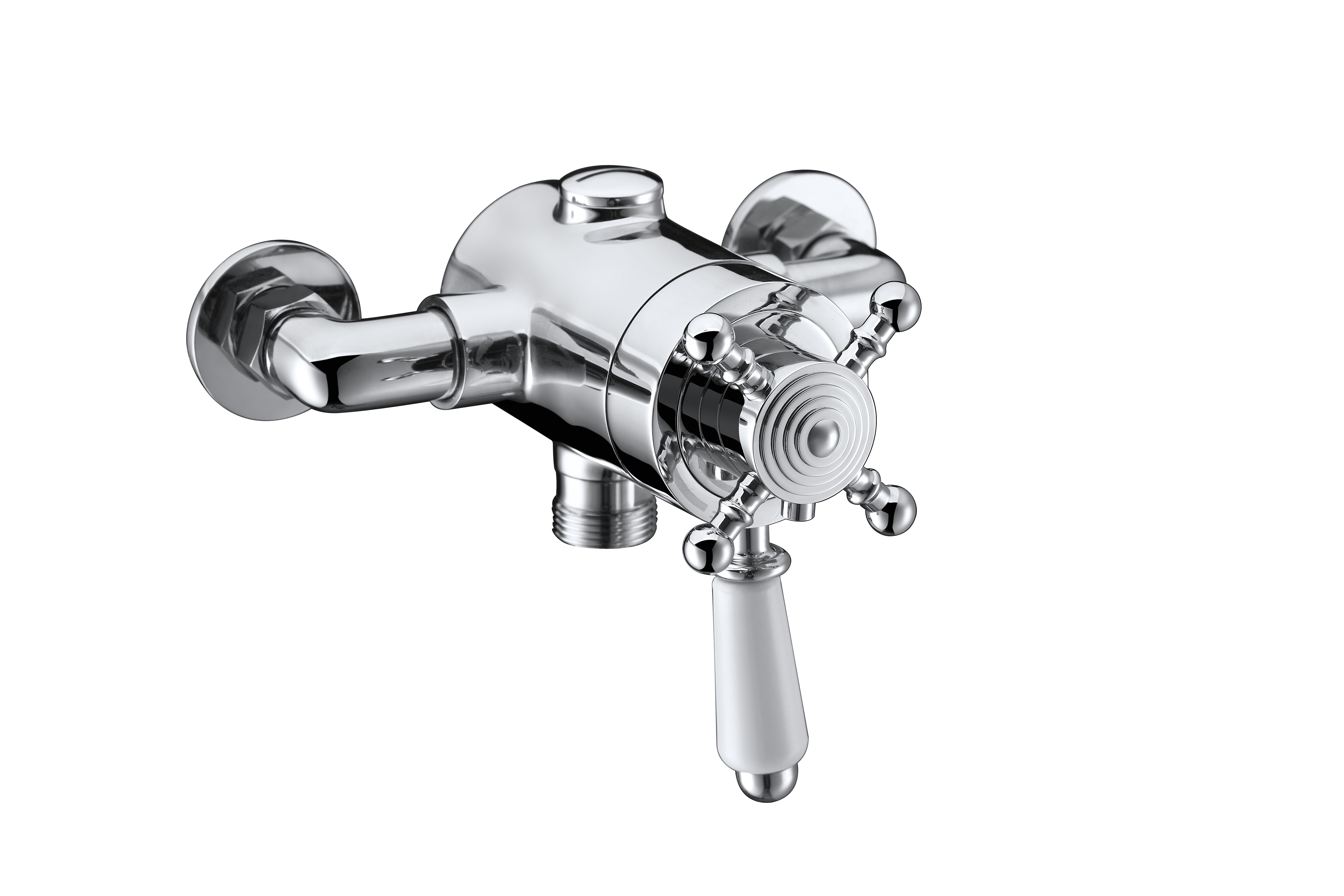
Maintaining public bathrooms requires a comprehensive approach that balances immediate cleanliness with long-term infrastructure durability. The shower valve stands as one of the most critical components in any public bathroom facility, as it directly impacts both hygiene standards and operational lifespan. A well-maintained shower valve prevents water waste, ensures consistent water pressure, and eliminates contamination risks that can compromise user safety. Understanding how to properly care for these fixtures is essential for facility managers who want to reduce maintenance costs while maintaining compliance with health regulations.
Public bathroom maintenance extends beyond routine cleaning to encompass preventative measures that protect your entire plumbing system. The shower valve, in particular, requires attention to water quality, pressure regulation, and material compatibility. When these elements work together harmoniously, your facility benefits from reduced emergency repairs, extended asset life, and consistently positive user experiences. This guide explores practical strategies for maintaining public bathrooms while emphasizing the critical role that proper shower valve management plays in overall facility health.
Understanding Shower Valve Function in Public Bathrooms
How Shower Valves Impact Hygiene Standards
A shower valve controls water temperature, pressure, and flow rate, making it fundamental to hygiene delivery in public facilities. When a shower valve operates correctly, it maintains steady water pressure that enables effective soap rinsing and contaminant removal. Conversely, a faulty shower valve can create stagnant water zones where bacteria accumulate, posing health risks to users. Public health codes mandate that shower valves deliver water at safe temperatures and consistent pressure levels. The shower valve also prevents backflow contamination, which occurs when dirty water flows backward into the clean water supply. This protective function makes proper shower valve maintenance a legal and ethical responsibility for facility operators.
Common Shower Valve Issues in High-Traffic Facilities
High-traffic public bathrooms expose shower valves to intensive use patterns that accelerate wear. Temperature fluctuations from back-to-back users stress internal components of the shower valve, causing seals to crack and internal passages to accumulate mineral deposits. Limescale buildup on the shower valve restricts water flow and reduces pressure consistency. Hard water minerals deposit inside the shower valve cartridge, creating resistance that forces users to adjust the handle repeatedly. These stress factors mean that public facilities must adopt aggressive preventative maintenance schedules for their shower valve systems to avoid costly emergency shutdowns during peak hours.
Implementing Preventative Maintenance Protocols
Water Quality Assessment and Treatment
Water quality directly influences how long your shower valve will function reliably. Hard water with high mineral content accelerates the deterioration of shower valve internal components, requiring more frequent cleaning cycles. Public facilities should implement water softening systems to reduce mineral deposits that accumulate inside the shower valve over time. Regular water testing identifies pH imbalances and chlorine levels that can corrode shower valve materials. When water quality is optimized, your shower valve experiences less stress and maintains better performance metrics. Facilities that neglect water quality assessment often discover internal shower valve damage only after performance failures occur, resulting in expensive emergency repairs and service disruptions.
Systematic Inspection and Cleaning Routines
Scheduled inspections of the shower valve prevent small issues from escalating into catastrophic failures. Facility staff should visually check each shower valve monthly for leaks, corrosion, or unusual discoloration. Pressure testing verifies that each shower valve maintains appropriate flow rates and temperature stability. Descaling the shower valve cartridge quarterly removes mineral buildup that restricts performance. Documentation of these inspection results creates a maintenance history that informs replacement decisions and identifies patterns across multiple fixtures. Facilities that establish systematic inspection routines typically report 40 percent fewer emergency calls and extended shower valve lifespans. Cleaning the aerator on the shower valve faucet head also prevents sediment blockage that degrades water delivery.
Durability Enhancement Through Material Selection and Upgrades
Selecting Durable Shower Valve Materials
The material composition of your shower valve determines its resistance to corrosion, pressure stress, and chemical exposure. Brass and stainless steel shower valve bodies resist corrosion far better than cheaper alternatives, extending functional lifespan significantly. Ceramic cartridges inside the shower valve resist scratching and mineral deposits more effectively than rubber seals. When selecting replacement shower valves, prioritize models designed specifically for commercial high-volume use rather than residential fixtures. A commercial-grade shower valve withstands higher usage frequencies and maintains tighter tolerances for temperature and pressure control. The initial investment in quality shower valve hardware pays dividends through reduced maintenance frequency and extended service life.
Upgrading to Smart Monitoring Systems
Modern facilities increasingly adopt technology that monitors shower valve performance in real time. Water flow sensors detect leaks immediately, alerting staff before significant water waste occurs. Temperature monitoring systems track shower valve functionality and flag deviations from normal operating parameters. Pressure gauges integrated into the shower valve system provide early warning signs of internal deterioration. These monitoring systems enable proactive maintenance interventions that prevent failures rather than simply reacting to problems. Facilities with smart shower valve monitoring systems report faster response times to issues and better overall water conservation. Digital documentation creates accountability trails and supports compliance audits with health regulatory agencies.
Cleaning and Sanitation Protocols for Public Bathrooms
Daily Sanitation of Shower Fixtures
Daily cleaning protects users from pathogenic bacteria and extends the operational life of your shower valve and related components. Staff should sanitize the handle and spout of each shower valve to eliminate contact surface contamination. Using EPA-approved disinfectants on the shower valve exterior prevents biofilm formation that can harbor pathogens. Wiping down the shower valve with microfiber cloths reduces moisture accumulation that promotes corrosion. Daily flushing through each shower valve for several seconds clears sediment from internal passages. This simple practice significantly reduces the microorganism burden that accumulates in stagnant water zones within the shower valve system.
Deep Cleaning and Descaling Procedures
Quarterly deep cleaning removes mineral deposits and stubborn contaminants that daily sanitization cannot address. Disassembling the shower valve cartridge and soaking it in approved descaling solutions dissolves limescale without damaging internal components. After descaling, reassembling the shower valve with fresh sealant ensures watertight performance. Backflushing the shower valve lines under high pressure dislodges accumulated sediment. This intensive maintenance procedure extends shower valve performance intervals and maintains consistent water pressure. Facilities that neglect quarterly deep cleaning experience progressive performance degradation that eventually requires complete shower valve replacement.
FAQ
How often should shower valve maintenance be performed in high-traffic public bathrooms?
High-traffic public bathrooms should inspect and service the shower valve monthly, with quarterly deep cleaning and annual professional servicing. Daily sanitization of the shower valve exterior is essential, and flow testing should occur bi-monthly to catch pressure drops early. Facilities with water hardness levels exceeding 150 parts per million may need more frequent shower valve descaling to prevent mineral accumulation.
What are the warning signs that a shower valve needs immediate replacement?
A shower valve that leaks continuously, fails to maintain temperature consistency, or produces only weak water flow requires urgent replacement. If the shower valve handle becomes stuck or extremely difficult to operate, internal damage has likely occurred. Visible corrosion on the shower valve body or discolored water emerging from the fixture indicates metal degradation that compromises safety and function.
Can water softening systems reduce the maintenance burden on public bathroom shower valves?
Yes, water softening systems significantly reduce mineral deposits inside the shower valve, extending its lifespan by 30 to 50 percent. Soft water requires less frequent descaling of the shower valve cartridge and reduces the corrosive effects of hard minerals. For facilities with hard water supplies, installing a water softener represents one of the most cost-effective maintenance investments available for protecting the shower valve and entire plumbing infrastructure.