 EN
EN

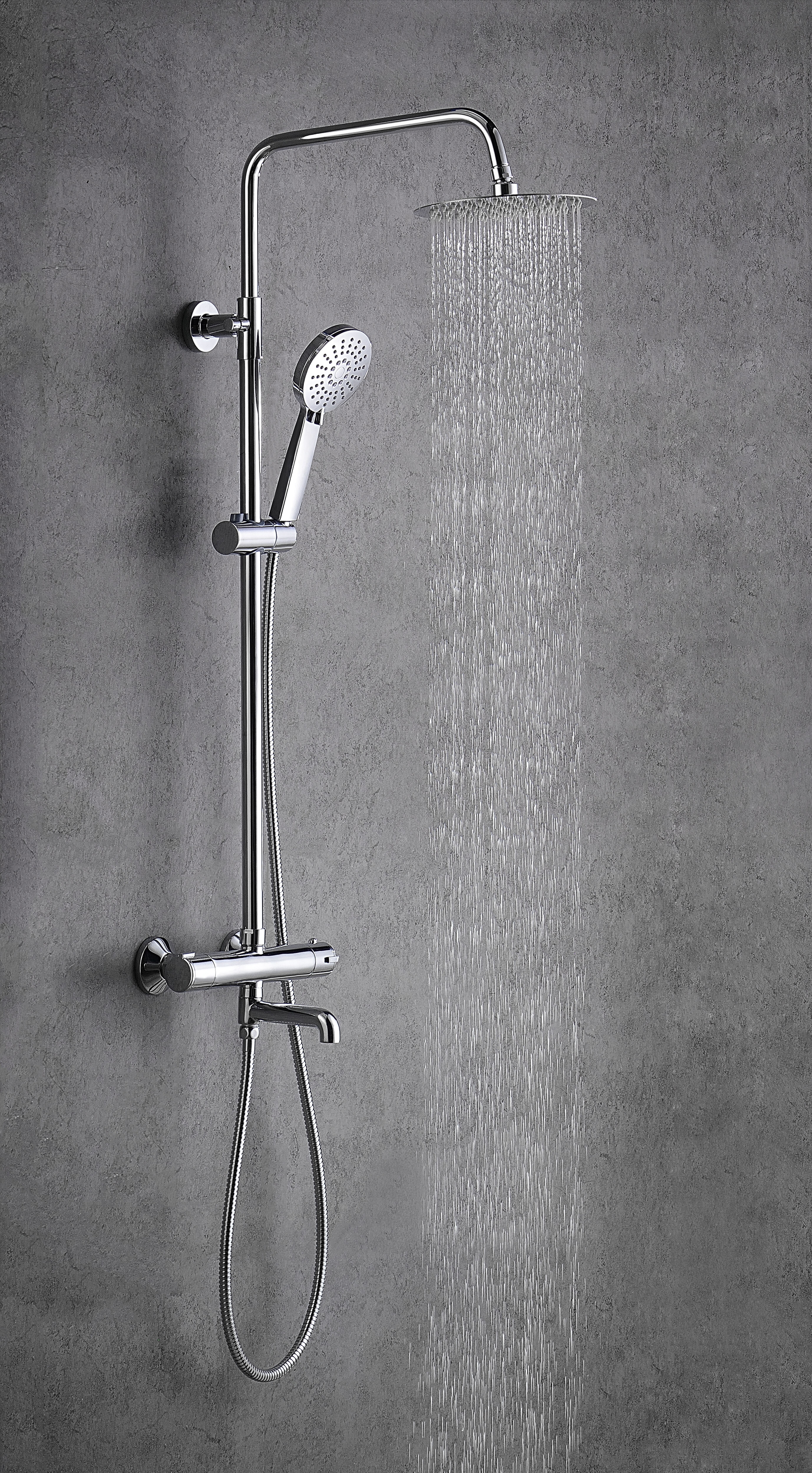
Essential Characteristics of Professional-Grade Shower Systems
Commercial shower kits face unique challenges in high-traffic environments where durability and performance are paramount. From hospitality establishments to fitness centers, these fixtures must withstand constant use while maintaining their functionality and appearance. Understanding the key attributes that contribute to a commercial shower kit's longevity and reliability is crucial for facility managers and property owners who aim to make sound investment decisions.
The demands placed on commercial shower installations far exceed those of residential settings. Daily usage patterns, maintenance requirements, and safety considerations all play vital roles in determining a system's long-term viability. Moreover, the right commercial shower kit can significantly impact operational costs, user satisfaction, and facility reputation.
Material Quality and Construction Standards
Premium Materials for Lasting Performance
The foundation of any reliable commercial shower kit lies in its material composition. High-grade stainless steel, particularly Type 316 or marine-grade variants, offers superior corrosion resistance and maintains its appearance even in moisture-rich environments. These materials withstand harsh cleaning chemicals and resist water spots, making them ideal for commercial applications.
Brass components with chrome or nickel plating provide excellent durability while offering aesthetic appeal. The thickness and quality of plating significantly influence a fixture's longevity, with commercial-grade products featuring heavier plating than residential alternatives. This enhanced protection ensures the shower kit maintains its functionality and appearance despite frequent use.
Structural Integrity and Assembly Methods
Superior commercial shower kits employ robust construction techniques that eliminate weak points and potential failure areas. Welded joints, rather than pressed or crimped connections, provide greater structural stability and leak resistance. The mounting brackets and support systems are engineered to handle additional stress, incorporating reinforced attachment points and heavy-duty fasteners.
Quality assurance measures during manufacturing, including pressure testing and material certifications, ensure each component meets commercial standards. The assembly design should facilitate maintenance access while maintaining structural integrity, allowing for efficient repairs without compromising the system's strength.
Performance Features and Functionality
Water Management Systems
Advanced flow regulators and pressure-balancing mechanisms are essential elements of a reliable commercial shower kit. These components ensure consistent performance regardless of varying water pressure conditions or simultaneous use of multiple fixtures. Smart water management features help maintain optimal flow rates while supporting conservation efforts and regulatory compliance.
Anti-scald protection and temperature control systems protect users and reduce liability risks. Commercial-grade thermostatic mixing valves maintain stable water temperatures even during pressure fluctuations, providing both safety and comfort. These systems must respond quickly to changes while maintaining precise temperature control.
User Interface and Control Systems
Intuitive operation combined with tamper-resistant features characterizes superior commercial shower kits. Push-button or sensor-activated controls offer reliability while minimizing wear on mechanical parts. The interface should be simple enough for first-time users yet robust enough to withstand aggressive handling.
Electronic systems, when present, must feature water-resistant components and protected circuitry. Battery-operated or low-voltage systems provide additional safety while ensuring consistent operation during power fluctuations. The control mechanisms should incorporate backup systems or fail-safe modes to maintain basic functionality even during component failures.
Maintenance and Serviceability
Accessibility for Repairs
Well-designed commercial shower kits feature modular components that facilitate easy maintenance access. Service panels and removable parts should be secured against tampering yet readily accessible to maintenance staff. The ability to replace wear items without extensive disassembly reduces downtime and maintenance costs.
Documentation and clear service instructions support efficient maintenance procedures. Parts standardization across product lines simplifies inventory management and ensures replacement components are readily available. The design should allow for preventive maintenance tasks to be completed quickly and effectively.
Cleaning and Sanitization Features
Surface treatments and material choices that resist mineral buildup and bacterial growth are crucial for commercial applications. Self-cleaning nozzles and smooth, non-porous surfaces minimize maintenance requirements while maintaining hygiene standards. Anti-microbial coatings provide additional protection in high-risk environments.
Design features that eliminate water pooling and promote proper drainage help prevent mold and mildew formation. Quick-connect fittings and easily removable components allow thorough cleaning of all surfaces, ensuring compliance with health regulations and maintaining optimal performance.
Regulatory Compliance and Safety Standards
Industry Certifications
Reliable commercial shower kits must meet or exceed relevant industry standards and building codes. Certifications from recognized testing laboratories validate performance claims and ensure compliance with safety requirements. These may include ADA accessibility standards, ANSI requirements, and specific local code provisions.
Environmental certifications and water efficiency ratings demonstrate commitment to sustainability while ensuring operational efficiency. Documentation of compliance testing and certification maintenance procedures supports facility management requirements and liability protection.
Safety Features and Risk Management
Integrated safety features protect users and operators while reducing liability exposure. Non-slip surfaces, proper grounding for electronic components, and emergency shut-off capabilities are essential elements. The design should incorporate fail-safe mechanisms that prevent unsafe operating conditions.
Risk management features extend to installation and maintenance procedures, with clear safety protocols and warning systems. The product documentation should include comprehensive safety guidelines and emergency response procedures tailored to commercial applications.
Frequently Asked Questions
How often should commercial shower kits undergo professional maintenance?
Professional maintenance schedules typically recommend quarterly inspections and servicing of commercial shower kits, with more frequent checks in high-use facilities. This includes testing safety features, checking for wear, and performing preventive maintenance on critical components.
What warranty coverage should be expected for a quality commercial shower kit?
Premium commercial shower kits typically come with comprehensive warranties ranging from 5 to 10 years on major components, with some manufacturers offering lifetime coverage on specific parts. The warranty should explicitly cover commercial applications and include provisions for replacement parts availability.
How can facilities ensure their commercial shower kits remain ADA compliant?
Maintaining ADA compliance requires regular assessment of installation height, control accessibility, and operation force requirements. Facilities should document these checks, promptly address any deviations, and keep records of compliance verifications for regulatory purposes.