 EN

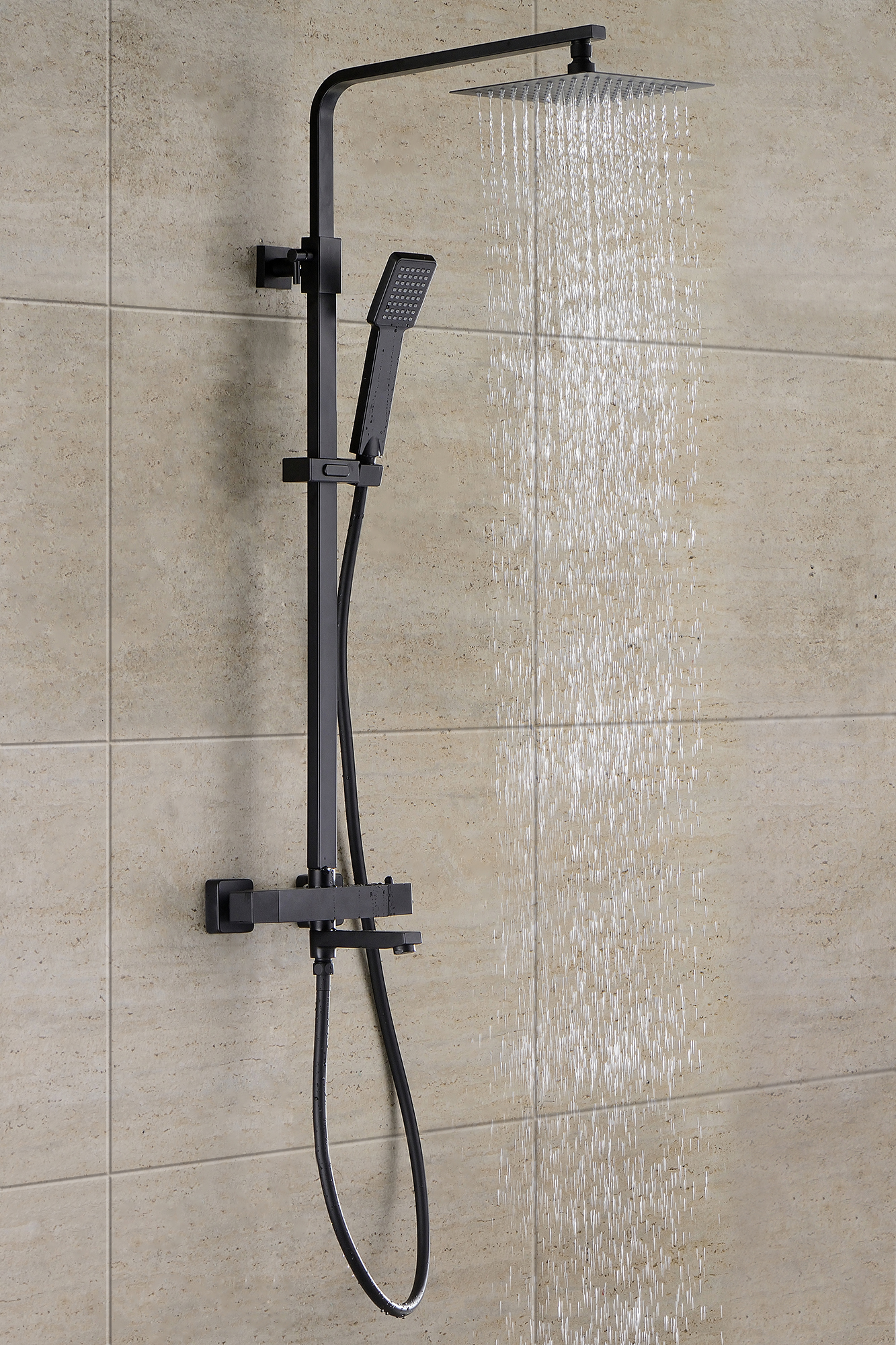
Selecting the right black tap for high-pressure water systems requires careful consideration of material composition, pressure ratings, and installation compatibility. A black tap exposed to intense water pressure faces unique mechanical demands that standard fixtures cannot reliably handle. Understanding the specific requirements of your plumbing infrastructure ensures that your chosen black tap delivers consistent performance, longevity, and safety without premature failure or leakage.

High-pressure environments place exceptional stress on every component of a black tap, from internal valve seats to external threaded connections. When pressure exceeds standard ratings, even minor design flaws or material weaknesses can lead to costly water damage, reduced flow efficiency, or complete system failure. This guide walks you through the critical factors that distinguish a reliable black tap built for high-pressure applications from products designed only for standard residential systems.
Material and Structural Integrity of Your Black Tap
Stainless Steel Construction for Pressure Resistance
The foundation of any durable black tap lies in its material composition. Stainless steel provides superior resistance to corrosion and maintains structural integrity under sustained pressure cycling. When evaluating a black tap, verify that the body is manufactured from food-grade or commercial-grade stainless steel rather than cheaper chrome-plated brass, which can crack under high-pressure stress. A quality black tap designed for high-pressure systems typically features reinforced valve bodies and thicker wall gauges that absorb pressure fluctuations without deformation.
Pressure Rating Specifications and Certification
Every black tap carries a maximum pressure rating, usually measured in bars or PSI (pounds per square inch). Residential water systems typically operate at 3 to 4 bars, but some industrial and specialized applications demand significantly higher capacity. Before purchasing a black tap, cross-reference its certification against your system's actual operating pressure. A black tap rated for 10 bars provides a safety margin when your system occasionally spikes above normal operating levels, preventing damage and extending service life dramatically.
Valve Mechanism and Flow Control Features
Ceramic Disc Cartridges in Modern Black Tap Design
Modern black tap models employ ceramic disc cartridges rather than traditional rubber washers, offering vastly superior performance under high pressure. The ceramic components in a black tap resist erosion from debris-laden water and maintain precise shutoff capability even after thousands of pressure cycles. A black tap equipped with dual ceramic discs provides redundant sealing that prevents dripping and water waste, which becomes especially critical in high-pressure environments where each leak represents wasted energy and potential water damage.
Flow Rate Optimization and Pressure Regulation
A properly engineered black tap for high-pressure systems incorporates internal pressure regulation that maintains consistent outlet flow despite upstream pressure variations. Without this feature, a black tap can produce dangerously high spray force that damages glassware, splashes uncontrollably, and reduces user comfort. The aerator component in a quality black tap disperses water evenly and creates laminar flow, which feels smoother and reduces splashing even when system pressure increases unexpectedly.
Installation Compatibility and Connection Standards
Thread Type and Fitting Dimensions
The physical connection between your plumbing system and the black tap must accommodate your existing infrastructure without requiring costly renovations. A black tap designed for high-pressure systems typically features standard thread pitches and connection diameters, but variations exist between regional specifications. Before ordering a black tap, confirm whether your sink or mounting surface uses 3/8-inch or 1/2-inch inlet connections, as these determine compatibility. A black tap with incorrect threading can either fail to seal properly or overtighten, damaging both the fixture and your underlying plumbing.
Mounting Configuration and Deck Thickness Requirements
High-pressure systems place rotational stress on the black tap base during installation and daily use. A black tap intended for robust high-pressure applications includes a reinforced deck plate and longer threaded studs that anchor securely to counter surfaces between 1.5 and 2 inches thick. If your countertop is thinner or thicker than standard, a black tap may not install safely, leading to rocking, loose connections, or pressure-related failure at the mounting point. Verify deck thickness and mounting configuration before selecting your black tap to ensure stable, long-term performance.
Testing, Maintenance, and Long-Term Reliability
Factory Testing and Quality Assurance Standards
Reputable manufacturers of high-pressure black tap products subject every unit to rigorous factory testing, including pressure cycling tests that simulate years of use. A black tap with proper certification has been exposed to pressures exceeding its rated maximum, confirming structural integrity and seal reliability. Documentation of third-party testing or ISO certification indicates that your black tap meets industry standards and has undergone independent verification. Avoid purchasing a black tap lacking test documentation, as you cannot verify its actual performance capacity under real-world pressure conditions.
Routine Maintenance and Longevity Extension
Even a premium black tap requires periodic maintenance to sustain performance in high-pressure environments. Mineral deposits accumulate in aerators and reduce outlet flow, while pressure fluctuations gradually stress seals and valve components. Schedule annual inspection of your black tap to clean aerators, check for drips, and verify that all connections remain tight. A well-maintained black tap designed for high pressure typically remains reliable for 10 to 15 years, while neglected fixtures fail much sooner despite initial quality.
FAQ
What pressure rating should my black tap support?
Your black tap should support at least 10 bars or 150 PSI to safely accommodate normal residential pressure between 3 and 4 bars, plus sudden pressure spikes from water hammer events. Verify the exact maximum pressure of your incoming water line through your utility company or a pressure gauge test, then select a black tap rated at least 2.5 times that maximum to ensure a comfortable safety margin.
Can I install a standard black tap in a high-pressure system?
A standard black tap designed only for low-pressure residential use will likely fail prematurely in high-pressure environments, leading to leaks, internal valve damage, or complete failure within months. Always choose a black tap explicitly certified for high-pressure applications, as premium models feature reinforced construction and superior internal components that standard fixtures simply do not include.
How often should I service my black tap?
Inspect your black tap annually for drips, loose connections, or reduced flow, and clean the aerator every 6 to 12 months depending on water mineral content. A black tap in hard-water areas requires more frequent aerator cleaning, while soft-water regions may allow longer intervals between maintenance. Proactive care keeps your black tap performing reliably throughout its entire service life.