 EN

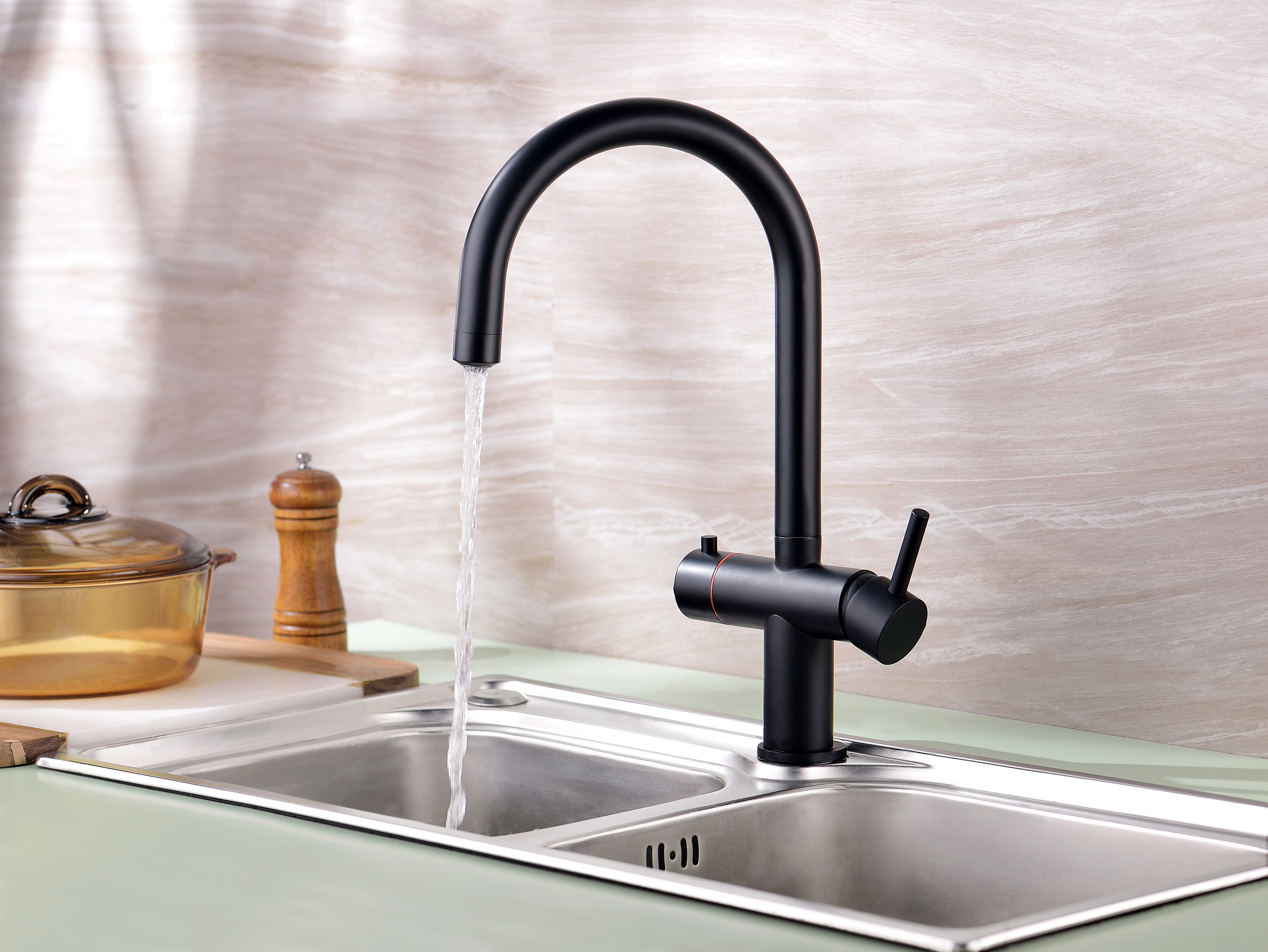
Food service environments demand the highest standards of cleanliness and sanitation, making equipment selection critically important for operational success and customer safety. Kitchen faucets play a central role in maintaining hygiene throughout food preparation areas, and choosing the right material can significantly impact contamination prevention and overall facility standards. Stainless steel kitchen faucets have emerged as the preferred choice for professional kitchens because they combine superior hygienic properties with durability and ease of maintenance. Understanding these advantages helps food service operators make informed decisions that protect both their reputation and their customers' health.

The science behind stainless steel kitchen faucets reveals why this material has become standard in regulated food service facilities worldwide. Stainless steel's non-porous surface prevents bacterial colonization, eliminates microscopic crevices where pathogens can hide, and resists corrosion from repeated sanitization protocols. These properties make stainless steel kitchen faucets fundamentally different from alternatives, offering measurable health and safety improvements that directly support compliance with food safety regulations and industry best practices.
Bacterial Resistance and Food Safety Protection
Non-Porous Surface Properties
Stainless steel kitchen faucets feature a non-porous crystalline structure that prevents bacteria, viruses, and food particles from embedding themselves into the material surface. Unlike materials with microscopic pits and crevices, stainless steel kitchen faucets provide a smooth, sealed environment where harmful microorganisms cannot establish biofilms or persist between cleaning cycles. This fundamental advantage means that kitchen faucets made from stainless steel can be thoroughly cleaned and sanitized to virtually eliminate contamination risks. The non-reactive nature of the steel also prevents chemical reactions that might compromise the material's integrity or introduce contaminants during sanitization procedures.
Pathogen Elimination During Cleaning
Food service facilities use aggressive chemical sanitizers and high-temperature washing protocols to eliminate pathogens, and stainless steel kitchen faucets withstand these procedures without degradation. When kitchen faucets are constructed from stainless steel, operators can apply hot water, chlorine-based disinfectants, and mechanical scrubbing without fear of material damage or surface compromise. The resistance of kitchen faucets made from stainless steel to corrosive cleaning agents means that sanitization procedures remain effective over the entire product lifespan. This reliability ensures consistent hygiene outcomes and eliminates concerns about material failure during critical cleaning operations that protect customer health.
Corrosion Prevention and Longevity
Resistance to Moisture and Chemical Exposure
Food service environments expose kitchen faucets to constant moisture, food acids, salt, and aggressive cleaning chemicals that corrode conventional materials and create rust stains and material degradation. Stainless steel kitchen faucets contain chromium and nickel elements that form a self-healing protective oxide layer, preventing corrosion even under continuous wet conditions and chemical exposure. This corrosion resistance means that kitchen faucets remain visually pristine and functionally reliable throughout their operational life, avoiding rust spots that could harbor bacteria or raise customer concerns about cleanliness. The integrity of stainless steel kitchen faucets is maintained regardless of local water mineral content, pH levels, or the intensity of sanitization routines used in professional kitchens.
Extended Service Life and Reduced Replacement
Investing in stainless steel kitchen faucets delivers superior long-term value because the material's durability extends the replacement cycle compared to alternatives that corrode, pit, or fail under food service stress conditions. Kitchen faucets manufactured from stainless steel can reliably operate for ten to fifteen years or longer, whereas inferior materials may require replacement within three to five years due to corrosion damage. The extended lifespan of stainless steel kitchen faucets reduces operational disruptions, minimizes capital expenditure frequency, and simplifies maintenance planning for food service directors. This cost advantage compounds over time as facility managers benefit from fewer unexpected failures and reduced downtime in critical food preparation areas.
Aesthetic Appeal and Customer Confidence
Professional Appearance and Regulatory Compliance
Food service customers increasingly expect modern, clean facilities as a reflection of food safety commitment, and the polished aesthetic of stainless steel kitchen faucets reinforces professional standards and regulatory compliance. Kitchen faucets made from stainless steel maintain their lustrous finish under normal use and respond well to routine polishing and cleaning, creating the visual impression of meticulous hygiene management. When customers observe well-maintained stainless steel kitchen faucets in open kitchen environments or visible food preparation areas, they gain confidence in the facility's sanitation practices and operational integrity. This psychological benefit translates into customer loyalty and repeat business, as diners consciously or subconsciously equate modern equipment with safe food handling practices.
Visible Evidence of Hygiene Commitment
The material choice for kitchen faucets communicates facility management's commitment to health and safety, and stainless steel kitchen faucets represent the industry standard for facilities serious about contamination prevention. Food service operators who select stainless steel kitchen faucets signal to health inspectors, customers, and staff that cleanliness is a priority supported by tangible equipment investments. Kitchen faucets constructed from stainless steel are visible during inspections and remain free of rust stains, discoloration, and material degradation that might raise questions about maintenance practices. This transparency in equipment condition supports regulatory inspections, documentation of food safety compliance, and confidence in the facility's operational commitment to public health.
FAQ
Why are stainless steel kitchen faucets preferred over chrome or brass alternatives?
Stainless steel kitchen faucets offer superior corrosion resistance and non-porous surfaces that prevent bacterial growth more effectively than chrome plating or brass components. While chrome and brass may appear similar initially, they corrode under food service conditions, developing pits where pathogens colonize and compromising hygiene standards. Kitchen faucets manufactured from stainless steel maintain their protective barrier indefinitely and respond better to aggressive sanitization protocols required in regulated food service environments.
How often should stainless steel kitchen faucets be sanitized?
Food service facilities should implement daily sanitization of kitchen faucets handles, spouts, and surrounding surfaces, with deep cleaning conducted according to local health code requirements and facility protocols. Stainless steel kitchen faucets accommodate frequent sanitization without material degradation, allowing operators to maintain consistent hygiene standards without concerns about equipment damage. Many facilities perform multiple sanitization cycles per shift, and stainless steel kitchen faucets are specifically designed to withstand this level of intensive cleaning without failure.
Do stainless steel kitchen faucets meet FDA and health code requirements?
Yes, stainless steel kitchen faucets with NSF certification meet FDA food contact surface requirements and are explicitly recommended in health codes for food service facilities. Kitchen faucets constructed from certified stainless steel materials satisfy the most stringent regulatory standards across the United States and internationally. Selecting NSF-certified stainless steel kitchen faucets ensures compliance with local health departments and positions facilities for successful inspections and food safety audits.