 EN

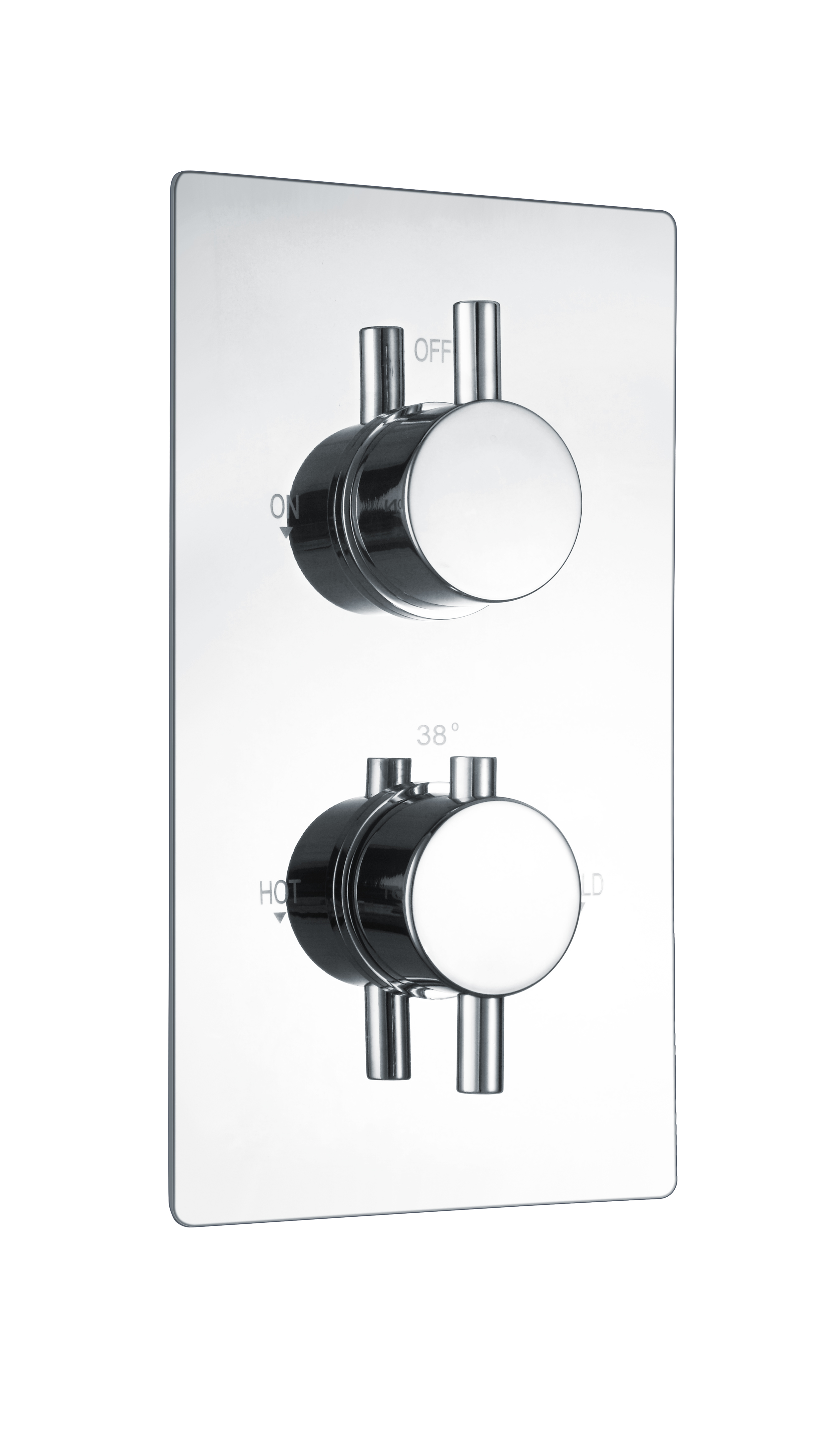
Selecting the right shower valve is one of the most critical decisions in bathroom plumbing and safety design. A shower valve that meets international safety standards protects users from sudden temperature fluctuations, scalding injuries, and system failures that can cause significant harm. In industrial and residential settings, the choice of shower valve directly impacts compliance with building codes, liability exposure, and user satisfaction. This guide explains how to evaluate and choose a shower valve that aligns with recognized international safety standards while delivering reliable performance.
International safety standards for shower valve systems establish minimum performance requirements that manufacturers and installers must follow. These standards address temperature control, pressure balance, anti-scald protection, and durability under real-world conditions. Understanding which standards apply to your installation context is the foundation for making an informed shower valve selection that protects both end users and property owners from liability and harm.
Understanding International Safety Standards for Shower Valve Design
Key International Standards Governing Shower Valve Performance
Several recognized international bodies publish standards that define safety requirements for shower valve systems. The most widely adopted framework includes ASME A112.18.1 in North America, EN 1111 and EN 1287 in Europe, and AS/NZS 3718 in Australia and New Zealand. Each standard specifies maximum outlet temperature limits, minimum anti-scald response times, and pressure-balancing requirements that a shower valve must satisfy. When evaluating a shower valve for compliance, verify that product documentation clearly references the applicable standard for your geographic market and building code jurisdiction.
Temperature Control and Anti-Scald Protection Requirements
A critical function of any compliant shower valve is controlling water temperature to prevent scalding. International standards typically require that a shower valve deliver water at a maximum safe temperature, commonly between 38°C and 49°C, depending on the standard and building code. Anti-scald shower valve designs incorporate thermostatic or pressure-balancing cartridges that sense incoming water conditions and automatically adjust valve position to maintain the set temperature. This response must occur within a defined time window, usually 5 to 10 seconds. When choosing a shower valve, confirm that it includes a certified anti-scald cartridge and that manufacturer testing data validates compliance with the applicable temperature-control standard.
Selecting a Shower Valve Based on Installation Context and Feature Requirements
Assessing System Pressure, Water Supply, and Environmental Conditions
The suitability of a shower valve depends on the specific water supply conditions at your installation site. A shower valve designed for high-pressure systems may not function safely or reliably in low-pressure environments, and vice versa. Before selecting a shower valve, document the incoming water pressure range, temperature variation between hot and cold supplies, and any expected fluctuations in flow demand. Commercial or multi-unit installations often experience wider pressure and temperature swings than single-family homes, requiring a shower valve with a wider operational range. Review the technical specifications and performance curves provided by the shower valve manufacturer to confirm that your system conditions fall within the validated operating range.
Choosing Between Thermostatic and Pressure-Balancing Shower Valve Technologies
The two primary technologies for building a compliant shower valve are thermostatic cartridges and pressure-balancing cartridges, each offering distinct advantages. A thermostatic shower valve uses a wax-filled element or bi-metal sensor that expands or contracts in response to water temperature, adjusting valve position to maintain the desired setpoint temperature. This approach provides precise temperature control and responds to cold-water supply failures by shutting off flow. A pressure-balancing shower valve uses a spool or piston that moves in response to pressure differences between hot and cold supplies, maintaining a constant outlet temperature by proportionally restricting the higher-pressure inlet. For most applications, choosing a shower valve with a thermostatic cartridge offers superior anti-scald performance and user comfort, particularly in systems with variable inlet pressures. Verify that whichever shower valve technology you select carries third-party certification from a recognized testing laboratory that validates compliance with the applicable international standard.
Verifying Certification, Testing Documentation, and Long-Term Reliability
Confirming Third-Party Certification and Manufacturer Testing Data
A shower valve that meets international safety standards must be certified by an independent testing laboratory recognized within the applicable market. Common certifying bodies include the NSF (National Sanitation Foundation) in North America, KIWA in Europe, and SAI Global in Australia. When evaluating a shower valve product, request the certification certificate and review the specific testing reports that validate anti-scald performance, pressure-balancing accuracy, and durability under repeated use cycles. Do not rely on marketing claims alone; always cross-reference with published test data. A reputable shower valve manufacturer will provide detailed documentation showing how their product performs against the specific requirements of the applicable international standard, including temperature stability, response time, flow rate, and long-term reliability metrics.
Evaluating Material Quality, Durability, and Warranty Protection
Beyond immediate safety compliance, a quality shower valve must withstand corrosion, mineral buildup, and repeated thermal cycling over many years of service. Choose a shower valve constructed from materials such as solid brass, stainless steel, or corrosion-resistant alloys rated for continuous hot water exposure. The internal cartridge of the shower valve should feature hardened seats and seals designed to maintain watertightness and thermal response even after prolonged use in challenging water conditions. A strong warranty—typically 5 to 10 years for a well-engineered shower valve—signals manufacturer confidence in long-term performance. In commercial or critical-use applications, consider specifying a shower valve with service cartridges readily available and straightforward installation procedures, as this reduces downtime and maintenance costs if replacement becomes necessary.
Implementation Considerations and Best Practices for Safe Shower Valve Installation
Professional Installation and System Integration Requirements
Choosing the correct shower valve is only the first step; proper installation by a qualified plumber is essential for realizing the safety benefits the shower valve is designed to provide. The installation must include correct valve orientation, secure mounting to withstand pressure and thermal stress, and connection to hot and cold supplies that meet the flow and pressure requirements specified by the shower valve manufacturer. Improper installation can undermine the anti-scald protection of even a high-quality shower valve. Additionally, the surrounding plumbing system should include appropriate pressure-reducing valves, expansion tanks, and thermal insulation to support the shower valve's optimal operation. Have a licensed professional review your system design to confirm that the selected shower valve will function safely within your specific installation context.
Maintenance, Testing, and Ongoing Compliance Management
Once installed, a shower valve requires periodic inspection and maintenance to sustain its safety performance over time. Annual testing of outlet temperature and anti-scald response ensures the shower valve continues to meet its original specifications. In regions with hard water, mineral deposits can accumulate inside the shower valve cartridge, potentially degrading the accuracy of temperature control; regular flushing or cartridge replacement addresses this issue. Document all maintenance activities and keep copies of certification records and test reports for liability protection and regulatory compliance audits. Property managers and facility operators should establish a shower valve maintenance schedule aligned with the manufacturer's recommendations and applicable building codes to ensure continued safe operation.
FAQ
What is the most important safety feature of a shower valve?
The most critical safety feature is anti-scald protection, which prevents sudden temperature surges that can cause severe burns. A shower valve equipped with a thermostatic or pressure-balancing cartridge automatically adjusts water flow to maintain a safe, preset temperature regardless of fluctuations in supply pressure or temperature. This automatic response must occur within seconds to be effective, which is why third-party certification of shower valve anti-scald performance is non-negotiable for safe installations.
How do I know if a shower valve meets international safety standards?
Verify that the shower valve carries a visible certification mark from a recognized testing laboratory such as NSF, KIWA, or SAI Global, depending on your region. Request the full certification certificate and testing report from the manufacturer, which will document compliance with the specific international standard applicable to your market. Do not purchase a shower valve without documented third-party certification, as this is the only reliable way to confirm that it meets recognized safety requirements.
Can I install a shower valve myself, or do I need a professional plumber?
While simple shower valve replacement may be achievable for experienced DIY individuals, proper installation of a new shower valve system should be performed by a licensed plumber who understands system pressure requirements, anti-scald calibration, and code compliance. A professional ensures that the shower valve is mounted correctly, connected to appropriate supply lines, and integrated safely with the rest of the plumbing system. Improper installation can compromise the safety benefits of the shower valve, so professional installation is strongly recommended for new construction or system upgrades.
Table of Contents
- Understanding International Safety Standards for Shower Valve Design
- Selecting a Shower Valve Based on Installation Context and Feature Requirements
- Verifying Certification, Testing Documentation, and Long-Term Reliability
- Implementation Considerations and Best Practices for Safe Shower Valve Installation
- FAQ