 EN

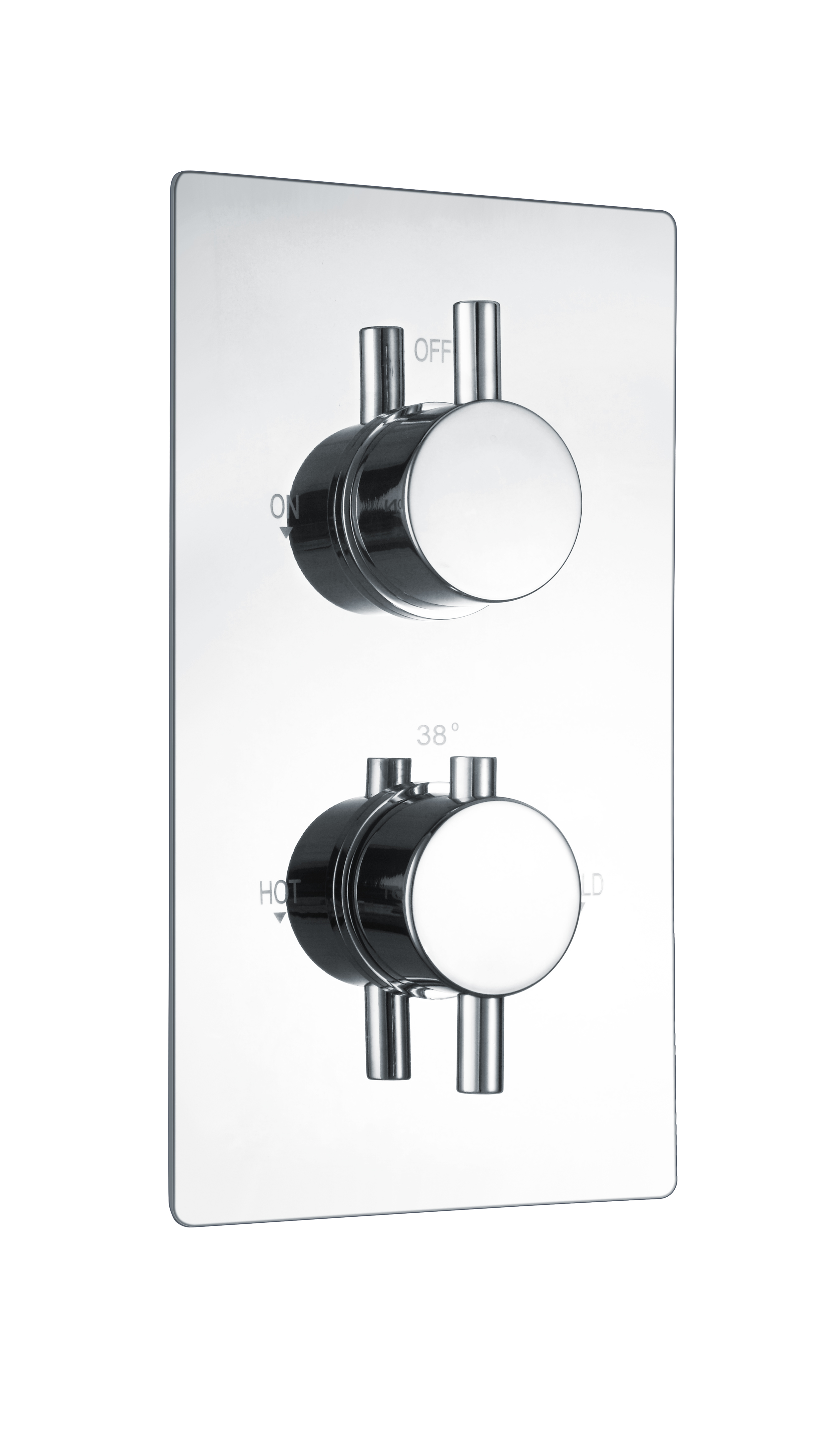
Resort operators and hospitality managers face a critical challenge when selecting the right shower valve for their guest facilities. The choice between standard fixtures and advanced safety systems directly impacts guest safety, operational costs, and regulatory compliance. A shower valve designed with anti-scald technology offers resorts a compelling solution that addresses multiple business concerns simultaneously. Understanding why leading B2B buyers in the hospitality sector prioritize this specific type of shower valve can help facility managers make informed purchasing decisions that protect both guests and their bottom line.
Guest safety stands as the foremost reason why resort buyers invest in advanced shower valve technology. When a shower valve incorporates anti-scald features, it automatically regulates water temperature to prevent scalding injuries, which reduces liability exposure and demonstrates a resort's commitment to guest welfare. This proactive approach to safety has become an industry standard among premium properties and is increasingly expected by both guests and regulatory bodies. Resort managers recognize that investing in quality shower valve solutions is not merely an expense but a strategic investment in reputation and risk mitigation.
Safety and Regulatory Compliance Benefits
Preventing Scalding Injuries and Liability
Scalding injuries from shower valve malfunctions represent one of the most common and preventable accidents in hospitality settings. An anti-scald shower valve maintains water temperature within a safe range, typically between 104 and 122 degrees Fahrenheit, ensuring guests cannot accidentally adjust settings to dangerous levels. B2B resort managers understand that even a single scalding incident can result in significant litigation costs, insurance premium increases, and permanent damage to the resort's reputation. By installing a shower valve with proven anti-scald capabilities, resorts eliminate this risk category almost entirely, which translates to lower insurance premiums and reduced legal exposure.
Meeting International Safety Standards
Regulatory frameworks across most developed nations now require anti-scald protection in commercial plumbing installations, including resort bathrooms. Standards such as the Americans with Disabilities Act, International Building Code, and various EU directives mandate that a shower valve in guest facilities must include anti-scald mechanisms. Resort operators who choose a shower valve that complies with these standards avoid costly facility renovations down the line and ensure their properties remain legally compliant as regulations evolve. This proactive compliance positioning also strengthens relationships with property inspectors, insurance underwriters, and certification bodies.
Guest Experience and Satisfaction Enhancement
Predictable and Comfortable Water Temperature Control
Modern guests expect consistent, comfortable shower experiences across all accommodations they visit. A shower valve equipped with thermostatic mixing technology maintains stable water temperature even when other water demands fluctuate throughout the resort. Resort guests no longer face the frustration of sudden temperature spikes or cold shocks that occur with traditional shower valve designs, which dramatically improves guest satisfaction scores and online reviews. Hotels that invest in quality shower valve systems report measurably higher guest satisfaction ratings in bathroom-related categories, which directly influences booking patterns and revenue.
Reducing Operational Complaints and Service Calls
Properties using outdated shower valve systems generate excessive maintenance requests from guests experiencing temperature inconsistencies. When resorts upgrade to a modern shower valve with anti-scald and thermostatic features, guest complaints about shower problems drop sharply, freeing maintenance staff to focus on other facility priorities. The reduction in service calls related to shower valve adjustments directly lowers labor costs and improves operational efficiency. Resort managers consistently report that upgrading to quality shower valve technology yields measurable returns through reduced complaint volume and more efficient maintenance resource allocation.
Long-Term Cost Benefits and Durability
Lower Maintenance and Replacement Costs
While premium shower valve models require higher initial capital investment, they deliver superior durability and reliability compared to budget alternatives. A shower valve built with robust materials and advanced internal components experiences fewer failures, requires less frequent servicing, and maintains performance over many years of continuous use typical in resort environments. Resort procurement professionals calculate total cost of ownership rather than focusing solely on purchase price, and when they do, quality shower valve solutions consistently show strong financial justification over five to ten year periods.
Energy Efficiency and Water Savings
Advanced shower valve technology includes precision mixing mechanisms that reduce water waste without compromising guest comfort. Properties that install efficient shower valve systems see measurable reductions in water consumption and heating costs, contributing to both sustainability goals and operational expense reduction. Many resorts qualify for utility rebates when upgrading to certified water-efficient shower valve fixtures, further improving the financial case for investment. The combination of lower water bills, reduced heating costs, and potential rebates makes a quality shower valve not just a safety choice but a financially smart operational decision.
Market Positioning and Competitive Advantage
Differentiating Premium Resort Properties
Luxury and mid-scale resorts increasingly highlight their investment in guest safety features as a marketing differentiator. Properties that feature advanced shower valve technology can market this as evidence of their commitment to guest wellness and comfort, appealing to safety-conscious travelers. B2B resort buyers recognize that featuring a modern shower valve in facility marketing materials subtly communicates overall property quality and attention to guest needs. This positioning advantage extends beyond marketing into actual booking behavior, as guests actively seek accommodations known for superior safety standards and guest-focused amenities.
Streamlining Corporate Risk Management
Large resort chains and hospitality management companies establish standardized specifications for plumbing fixtures across their entire portfolio. A shower valve that meets stringent anti-scald and durability requirements becomes the standard choice across multiple properties, simplifying procurement, training, and maintenance protocols. This standardization approach reduces complexity for maintenance teams who work across multiple locations and ensures consistent guest experience quality regardless of which resort location a guest visits. Corporate-level adoption of quality shower valve standards reflects sophisticated risk management philosophy and operational excellence.
FAQ
What makes an anti-scald shower valve different from a standard shower valve?
An anti-scald shower valve incorporates thermostatic mixing technology that automatically maintains water temperature within a preset safe range, preventing guests from accidentally creating dangerously hot water. A standard shower valve lacks this automatic regulation and relies on manual adjustment by the user, making scalding injuries possible. The advanced shower valve design includes a mixing cartridge that responds instantly to temperature fluctuations from other water demands in the building, whereas a regular shower valve cannot compensate for these pressure and temperature variations. This fundamental difference in shower valve engineering directly translates to measurably improved safety performance.
How do B2B resort buyers evaluate shower valve quality and performance?
Resort procurement managers assess shower valve systems by evaluating compliance certifications, durability testing results, warranty coverage, total cost of ownership analysis, and reference accounts from similar properties. They examine whether a shower valve has achieved third-party certifications from recognized safety organizations and whether the manufacturer provides comprehensive documentation of performance testing. The shower valve selection process typically includes detailed technical specifications, pressure testing data, and compatibility assessments with existing plumbing infrastructure. Many resort buyers request pilot installations of a shower valve in select rooms before committing to property-wide rollout.
Can installing a quality shower valve reduce resort insurance costs?
Yes, many insurance carriers offer premium discounts or improved coverage terms when resort properties install certified anti-scald shower valve systems throughout their facilities. Insurers recognize that investment in a proven shower valve technology substantially reduces scalding incident risk, which directly lowers their claims exposure. Resort managers should contact their insurance providers to discuss how upgrading to quality shower valve fixtures might qualify them for discounts or coverage improvements. Some hospitality insurance programs specifically incentivize investment in anti-scald shower valve technology as part of their risk mitigation strategies.