 EN

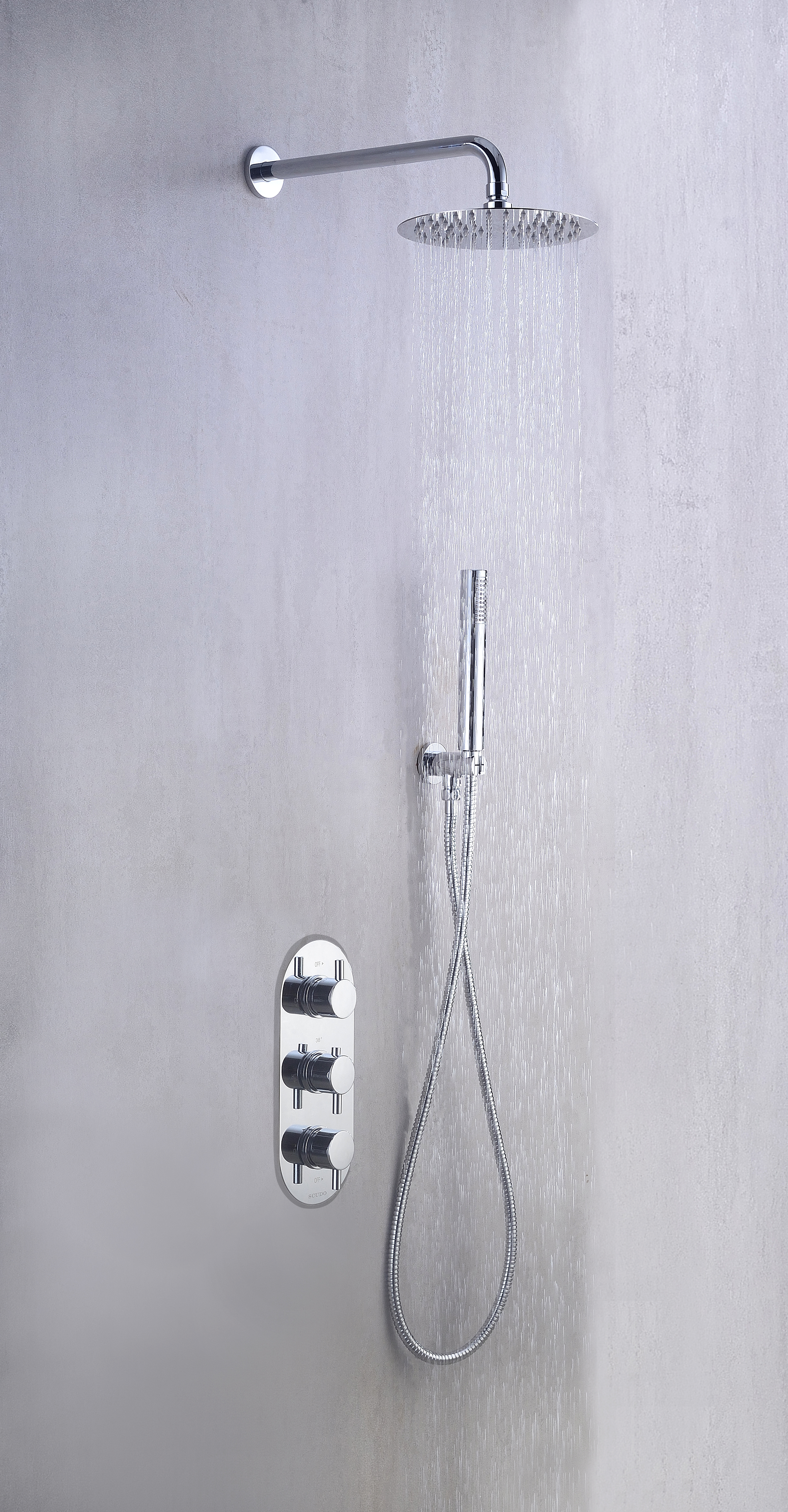
Maintaining quality consistency across large orders of bathroom sets represents one of the most critical operational challenges in the plumbing fixtures industry. When sourcing bathroom sets in bulk, the presence of even minor defects in components like the shower valve can cascade into widespread customer dissatisfaction and costly warranty claims. The shower valve serves as the control mechanism for water flow and temperature regulation, making its reliability non-negotiable in any bathroom installation. Understanding how to establish and enforce quality standards for the shower valve across thousands of units requires systematic inspection protocols, clear supplier agreements, and rigorous documentation practices that protect both manufacturer reputation and end-user satisfaction.
Large-scale bathroom set orders demand a multi-layered quality assurance approach that begins long before production starts and continues through final delivery verification. The shower valve quality consistency challenge intensifies because bathroom sets typically involve multiple integrated components—faucets, drains, trim pieces, and valves—that must work together seamlessly. Establishing a robust quality framework ensures that every shower valve in every unit meets specification, performs reliably, and delivers the customer experience promised at the point of sale. This article outlines proven strategies for maintaining shower valve quality consistency in bulk orders, from pre-production planning through post-delivery auditing.
Establishing Clear Specifications and Supplier Agreements
Defining Exact Shower Valve Standards
Before placing a large order for bathroom sets, you must establish unambiguous specifications for the shower valve component. These specifications should address material composition, pressure ratings, temperature tolerance, flow rates, finish durability, and operational lifespan expectations. Create detailed technical drawings and performance test data that leave no room for interpretation. The shower valve specification must include dimensional tolerances, thread specifications, valve seat material, cartridge type, and any special coatings or treatments required. Communicate that all shower valve units in the order must conform to these exact standards without exception. Vague or incomplete specifications create opportunities for suppliers to cut corners, leading to inconsistency across the bathroom sets order.
Negotiating Quality Clauses in Contracts
Your supply contract must explicitly address shower valve quality standards and establish clear consequences for non-conformance. Include language requiring third-party inspection rights, allowing you to audit production facilities and witness testing of shower valve samples. Specify acceptable quality levels (AQL) for the shower valve component—typically between 0.65% and 1.5% depending on criticality—and define what happens if defect rates exceed these thresholds. The shower valve section of your contract should mandate that suppliers maintain certification from relevant standards bodies and provide batch testing documentation. Ensure the contract allows you to reject entire shipments or specific lots if shower valve quality fails to meet agreed benchmarks, and establish financial remedies for defects discovered after delivery. Clear contractual terms protect your interests and create strong incentives for suppliers to maintain shower valve consistency throughout production.
Implementing Multi-Stage Inspection Protocols
Pre-Production and First-Article Inspection
Before full-scale production of your bathroom sets begins, conduct a first-article inspection (FAI) focused on the shower valve component. This inspection should verify that the shower valve sample meets all specifications regarding dimensions, material properties, functional performance, and finish quality. Test the shower valve under various water pressure conditions, temperature ranges, and flow scenarios to ensure it performs as designed. Evaluate the shower valve cartridge for smooth operation, proper seating, and absence of leaks under stress conditions. Request that the supplier provide detailed FAI documentation, including material certifications, test reports, and photographic evidence of shower valve specifications. This pre-production inspection catches specification misunderstandings and process problems before they affect thousands of bathroom sets units.
In-Process Quality Monitoring of Shower Valve Production
During production of your bathroom sets order, implement ongoing monitoring protocols specifically targeting the shower valve component. Establish sampling schedules that call for inspection of shower valve units at regular intervals throughout the production run—for example, testing the first unit from every batch, plus random samples at 20% and 50% completion points. Each sampled shower valve should be subjected to pressure testing, leak detection, temperature performance evaluation, and finish inspection. Document all testing results and maintain records showing that the shower valve quality remained consistent across the entire production run. Require the supplier to perform their own in-process testing and provide daily or weekly shower valve quality reports. This continuous monitoring creates early warning signals if shower valve quality begins to drift from specifications, allowing corrections before defective units are incorporated into bathroom sets.
Final Acceptance Testing and Batch Certification
Before accepting delivery of your bathroom sets order, conduct comprehensive final inspection with particular emphasis on the shower valve. Develop a statistically valid sampling plan—typically inspecting 1.5% to 5% of units, depending on lot size—and test each sampled shower valve for performance, integrity, and finish. Require pressure testing at 1.5 times the normal operating pressure to verify the shower valve can handle stress without failure. Conduct temperature cycling tests on sample shower valve units to confirm the cartridge responds correctly to hot and cold water inputs. Verify that the shower valve finish shows no corrosion, discoloration, or damage that could develop into performance problems during customer use. Request batch certification from the supplier documenting that 100% of shower valve units in each batch have passed supplier quality checks, and cross-reference this with your own acceptance testing results before releasing payment.
Building Long-Term Quality Culture and Documentation
Establishing Supplier Partnerships and Continuous Improvement
Quality consistency in bathroom sets across multiple large orders improves significantly when you build stable relationships with suppliers committed to shower valve excellence. Rather than constantly switching suppliers to chase lowest prices, invest in partners who demonstrate capability and commitment to shower valve standards. Schedule regular meetings to review quality metrics, discuss any issues that arose in previous orders, and collaboratively identify improvements. Provide the shower valve supplier with feedback from the field about customer experiences—both positive and negative—so they understand the real-world consequences of quality variations. Recognize suppliers who consistently deliver superior shower valve quality through increased order volume or preferred pricing. This partnership approach creates mutual accountability and encourages shower valve suppliers to invest in better processes, equipment, and training that benefit your bathroom sets orders over time.
Comprehensive Documentation and Traceability
Maintain complete documentation of shower valve quality data for every large order, including material certifications, test reports, inspection records, and batch certifications. Establish traceability systems that link individual shower valve units to production dates, lot numbers, and test results. This traceability allows you to quickly identify and isolate defective shower valve units if problems emerge after delivery. Document the name and credentials of inspectors who evaluated each shower valve sample, the exact date of inspection, test equipment used, and detailed results. Store this documentation in a centralized system that you can access quickly to investigate complaints or audit past performance. When customers report shower valve failures, this documentation enables root cause analysis that identifies whether specific production runs or batches had elevated defect rates. Over multiple bathroom sets orders, this data reveals patterns in shower valve performance and helps you identify systematic improvements needed in production processes or design specifications.
FAQ
What is the most common shower valve defect in large bathroom sets orders?
The most frequent shower valve defect in bulk orders involves improper cartridge seating or manufacturing burrs that cause slow leaks when the shower valve is in the closed position. These defects often don't appear during basic visual inspection but emerge only under pressure testing or extended water exposure. Other common shower valve defects include finish corrosion, incorrect valve stem threading, or misalignment of internal components that cause binding during operation. Rigorous pressure testing and thermal cycling of shower valve samples during incoming inspection catches these issues before they reach customers.
How often should the shower valve supplier conduct quality testing during production?
Best practice requires the shower valve supplier to conduct testing at minimum daily or per batch, whichever is more frequent. For large orders of bathroom sets, hourly pressure testing of shower valve samples during peak production ensures real-time quality assurance. The shower valve supplier should maintain test records documenting which units passed or failed, along with serial numbers or lot identification. Request that the shower valve supplier alert you immediately if defect rates exceed acceptable thresholds, allowing corrective action before significant quantities of non-conforming shower valve units are produced.
Can you detect shower valve defects through visual inspection alone?
No—visual inspection alone cannot reliably identify many critical shower valve defects in bathroom sets orders. Internal defects affecting the shower valve cartridge, seal integrity, or thread quality are invisible to the naked eye. Pressure testing, temperature cycling, and operational testing are essential to confirm the shower valve will perform as intended. Budget adequate inspection time and resources for functional testing, not just cosmetic review, to protect the quality of large orders.