 EN

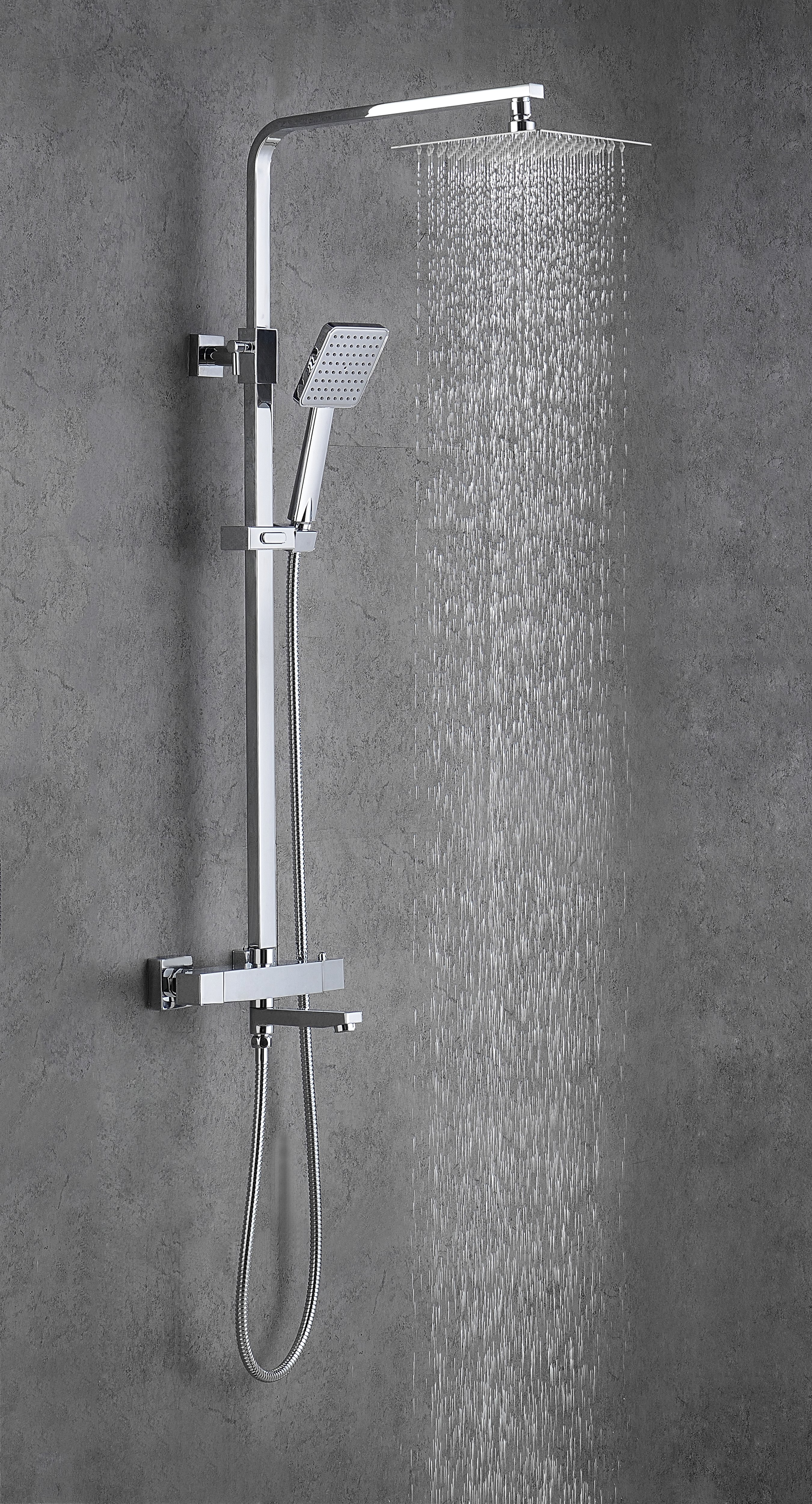
Your basin tap is one of the most frequently used fixtures in your home or commercial space, yet it often receives minimal attention until problems arise. Proper maintenance of your basin tap, particularly focusing on the thermostatic valve, is essential to ensure smooth handle operation and extend the lifespan of your fixture. Understanding how to care for your tap prevents costly repairs, reduces water waste, and maintains consistent water temperature control. Many facility managers and homeowners overlook the importance of regular thermostatic valve maintenance, which can lead to stiff handles, leaks, and reduced functionality over time.
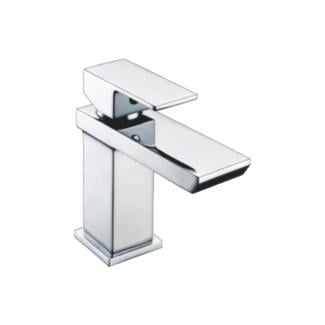
The thermostatic valve is the heart of modern basin mixers, regulating water temperature and flow to prevent scalding and maintain comfort. When a thermostatic valve functions optimally, your basin tap delivers reliable performance with minimal effort. However, mineral buildup, sediment accumulation, and wear on internal seals can compromise the thermostatic valve's effectiveness, making handle operation increasingly difficult. By implementing a straightforward maintenance routine, you can preserve the thermostatic valve's performance and enjoy years of trouble-free operation.
Understanding Your Thermostatic Valve System
How the Thermostatic Valve Works
A thermostatic valve contains a temperature-sensitive element that automatically adjusts the ratio of hot and cold water flowing through your basin tap. This sophisticated mechanism ensures that even if water supply pressures fluctuate, the thermostatic valve maintains a consistent outlet temperature. The internal components of a thermostatic valve include a cartridge, seals, and flow channels that must remain clean and properly lubricated to function smoothly. When sediment or mineral deposits accumulate inside the thermostatic valve, the internal mechanisms become restricted, causing the handle to feel stiff and unresponsive.
Why Thermostatic Valve Maintenance Matters
Regular thermostatic valve maintenance prevents common issues that compromise your basin tap's performance. Hard water minerals can crystallize inside the thermostatic valve, restricting water flow and creating resistance in the handle. Without proper care, the thermostatic valve's internal seals deteriorate, leading to leaks and inconsistent temperature control. Preventive maintenance on your thermostatic valve extends its operational life significantly, reducing the need for replacements and ensuring your basin tap remains reliable for years to come.
Essential Maintenance Practices for Basin Taps
Regular Cleaning and Descaling
Descaling your basin tap regularly is crucial for maintaining thermostatic valve performance. Mineral deposits accumulate in the thermostatic valve's internal passages, especially in areas with hard water. To descale, remove the aerator from your tap's outlet and soak it in white vinegar for several hours, then scrub away loosened deposits. For the main thermostatic valve body, some models allow you to access the cartridge by removing the handle assembly. Soaking the thermostatic valve cartridge in vinegar solution can dissolve mineral buildup that causes stiff handle operation. After descaling, thoroughly rinse all components and reassemble your basin tap carefully.
Checking Seals and Connections
Inspect your basin tap's connections and the thermostatic valve's external seals monthly for signs of leakage or corrosion. Small drips from the base or near the thermostatic valve indicate failing seals that need replacement. Tighten any loose connections using an adjustable wrench, but avoid over-tightening, which can damage the thermostatic valve's internal components. If leaks persist after tightening, the thermostatic valve's internal seals likely need replacement. Most basin taps have accessible thermostatic valve cartridges that homeowners and maintenance professionals can replace without removing the entire fixture.
Optimizing Handle Operation and Performance
Proper Handle Movement and Lubrication
Smooth handle operation depends on the thermostatic valve's internal cartridge sliding freely within its housing. If your handle feels stiff or requires excessive force, this signals mineral accumulation inside the thermostatic valve. Some thermostatic valve models feature adjustment screws that control handle resistance; these should remain slightly loose to allow smooth operation without vibration. Avoid forcing a stiff handle, as this can crack the thermostatic valve's internal seals. If gentle descaling doesn't restore smooth operation, the thermostatic valve cartridge requires professional inspection or replacement.
Temperature Control and Safety Settings
A properly maintained thermostatic valve provides consistent temperature control and enhanced safety. Most thermostatic valve systems include a maximum temperature limiting feature that prevents water from exceeding safe levels. Check that your thermostatic valve's limiting mechanism functions correctly by monitoring outlet temperature during use. If the thermostatic valve allows water that's too hot or too cold to flow, internal components may be misaligned or damaged. Adjusting the thermostatic valve's temperature limiter requires accessing the internal cartridge; consult your tap's manufacturer documentation for specific guidance specific to your thermostatic valve model.
Troubleshooting Common Issues
Addressing Stiff Handles and Resistance
A stiff handle usually indicates that mineral deposits have accumulated inside the thermostatic valve. Begin troubleshooting by turning off water supply valves under your sink and removing the handle assembly to access the thermostatic valve cartridge. Soak the thermostatic valve cartridge in descaling solution for extended periods if deposits are heavy. Rinse the thermostatic valve thoroughly under running water, using a soft brush to dislodge stubborn deposits. Reassemble your basin tap and test handle operation; most thermostatic valve stiffness resolves after thorough cleaning.
Resolving Temperature Inconsistency
If your basin tap delivers inconsistent temperatures despite thermostatic valve maintenance efforts, the internal mixing chamber may be compromised. The thermostatic valve's temperature-sensing element might have lost sensitivity due to wear or damage. Have a professional inspect the thermostatic valve's response time and internal condition. In some cases, the entire thermostatic valve cartridge requires replacement rather than repair. Upgrading to a newer thermostatic valve design often provides better temperature stability and handle responsiveness than older fixtures.
FAQ
How often should I perform maintenance on my thermostatic valve?
Most experts recommend descaling your thermostatic valve every three to six months, depending on your water hardness. In areas with very hard water, monthly thermostatic valve maintenance prevents excessive mineral buildup. Annual professional inspection of your thermostatic valve ensures seals remain intact and internal components function optimally. If you notice any changes in your basin tap's performance, inspect and maintain the thermostatic valve immediately rather than waiting for scheduled maintenance intervals.
Can I replace my thermostatic valve cartridge myself?
Most basin tap users can replace a thermostatic valve cartridge with basic tools and manufacturer instructions. Turn off water supply, remove the handle, unscrew the thermostatic valve's retaining nut, and slide out the old cartridge. Insert the new thermostatic valve cartridge, ensuring proper alignment of the mixing chamber, then reassemble in reverse order. If you're uncomfortable working with plumbing connections, professional installation of your new thermostatic valve prevents potential leaks and ensures proper functionality.
What signs indicate my thermostatic valve needs replacement?
Persistent leaks despite seal replacement, handle operation that remains stiff after descaling, or inability to achieve desired water temperatures suggest your thermostatic valve requires replacement. If the thermostatic valve cartridge shows visible cracks or corrosion, replacement is necessary. Most thermostatic valve cartridges last five to ten years with regular maintenance; older fixtures approaching this age benefit from proactive replacement to prevent unexpected failures.