 EN
EN

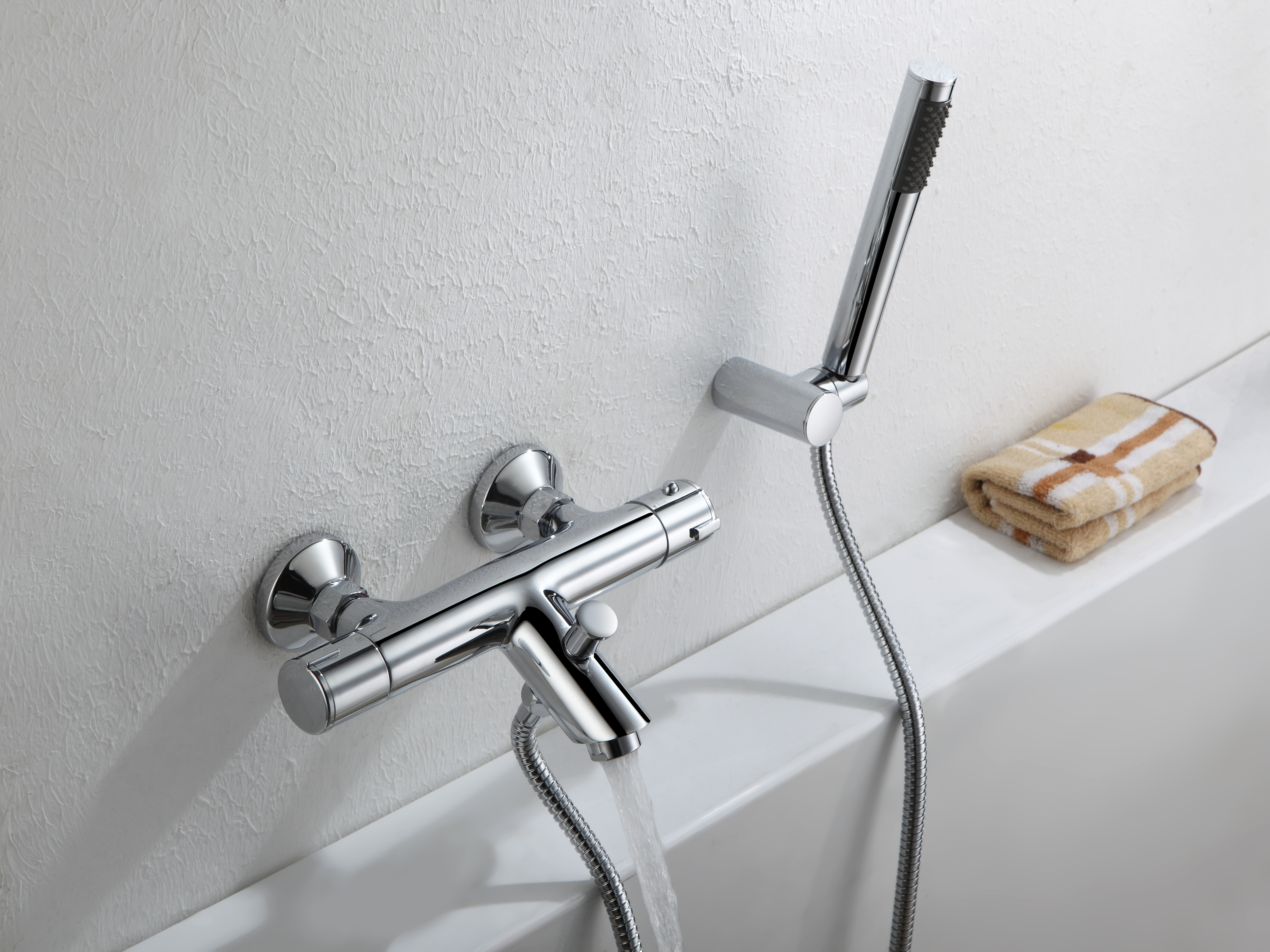
When planning commercial plumbing installations, understanding wall arm load capacity becomes a critical factor that directly impacts project success and long-term durability. Commercial facilities require robust plumbing fixtures that can withstand heavy usage while maintaining structural integrity throughout their operational lifespan. The evaluation process involves multiple technical considerations, from material specifications to mounting hardware requirements, ensuring that installations meet both safety standards and performance expectations in demanding commercial environments.
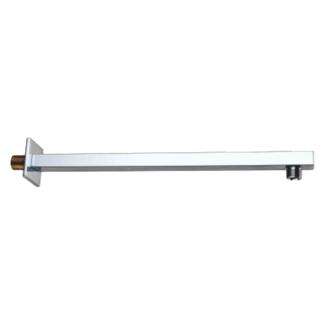
Professional contractors and facility managers must navigate complex technical specifications while balancing cost considerations and installation timelines. The importance of proper load capacity evaluation extends beyond initial installation, affecting maintenance requirements, liability considerations, and overall project return on investment. Commercial installations demand higher performance standards compared to residential applications, making thorough evaluation processes essential for project success.
Understanding Load Capacity Fundamentals
Basic Engineering Principles
Load capacity evaluation begins with understanding fundamental engineering principles that govern wall-mounted fixtures in commercial settings. The structural integrity of wall arms depends on multiple factors including material composition, mounting point distribution, and dynamic load considerations. Commercial installations typically experience significantly higher usage frequencies compared to residential applications, requiring enhanced durability specifications and safety margins.
Engineers must consider both static and dynamic loading scenarios when evaluating wall arm load capacity requirements. Static loads represent the fixture weight and any permanently attached components, while dynamic loads account for operational stresses including water pressure variations, thermal expansion, and user interaction forces. These combined forces create complex stress patterns that must be thoroughly analyzed during the evaluation process.
Material Performance Characteristics
Different materials exhibit varying performance characteristics under commercial loading conditions, making material selection a crucial component of load capacity evaluation. Stainless steel alloys offer excellent corrosion resistance and high strength-to-weight ratios, making them popular choices for commercial applications. Brass components provide good corrosion resistance while maintaining machinability for complex geometries, though they may require additional reinforcement for high-load applications.
Advanced composite materials are increasingly being utilized in commercial installations, offering unique combinations of strength, weight reduction, and corrosion resistance. These materials often require specialized evaluation techniques due to their anisotropic properties and different failure modes compared to traditional metallic materials. Understanding these material characteristics enables more accurate load capacity assessments and appropriate safety factor applications.
Commercial Installation Requirements
Building Code Compliance
Commercial installations must comply with multiple building codes and standards that directly impact wall arm load capacity requirements. The International Building Code provides baseline requirements, while local amendments and specialized industry standards may impose additional restrictions or enhanced performance criteria. These regulations often specify minimum load capacities, testing protocols, and installation methods that must be followed to ensure compliance.
Accessibility standards such as the Americans with Disabilities Act impose specific requirements for wall-mounted fixtures, including load capacity specifications for assistive devices and emergency situations. These requirements often exceed normal operational loads, necessitating enhanced wall arm load capacity calculations and reinforcement strategies. Compliance documentation must demonstrate that installations meet or exceed all applicable requirements throughout the expected service life.
Safety Factor Considerations
Commercial installations require higher safety factors compared to residential applications due to increased liability exposure and usage intensity. Industry standards typically recommend safety factors ranging from 3:1 to 5:1 depending on the specific application and risk assessment outcomes. These safety factors account for material variability, manufacturing tolerances, installation quality variations, and unexpected loading scenarios.
Risk assessment protocols help determine appropriate safety factors for specific commercial applications. High-traffic facilities such as airports or shopping centers may require enhanced safety factors due to potential misuse or vandalism concerns. Healthcare facilities often impose additional requirements due to infection control considerations and the need for frequent cleaning with aggressive chemicals that may affect material properties over time.
Evaluation Testing Methods
Static Load Testing Procedures
Static load testing provides fundamental data for wall arm load capacity evaluation by applying controlled forces and measuring resulting deformations or failure points. These tests typically follow standardized protocols that specify loading rates, measurement intervals, and failure criteria. Test fixtures must accurately simulate installation conditions while providing precise load application and measurement capabilities.
Progressive loading tests reveal material behavior throughout the elastic range and identify yield points where permanent deformation begins. This information helps establish safe operating limits and provides data for fatigue life predictions. Test results must account for temperature effects, as commercial installations may experience significant temperature variations that affect material properties and load capacity characteristics.
Dynamic Performance Assessment
Dynamic testing evaluates wall arm load capacity under realistic operational conditions including cyclic loading, vibration effects, and thermal cycling. These tests simulate long-term usage patterns and identify potential failure modes that may not be apparent during static testing. Accelerated testing protocols compress years of service into weeks or months of laboratory testing, providing valuable durability data for commercial applications.
Fatigue testing specifically addresses the effects of repeated loading cycles that occur during normal commercial operation. Water hammer effects, thermal expansion cycles, and user interaction patterns all contribute to fatigue loading that can gradually reduce load capacity over time. Understanding these effects enables more accurate service life predictions and appropriate maintenance scheduling recommendations.
Installation Best Practices
Mounting Surface Preparation
Proper mounting surface preparation is essential for achieving design wall arm load capacity in commercial installations. Wall construction must provide adequate strength and stability to support expected loads without compromising structural integrity. Masonry walls typically offer excellent load-bearing capacity but require specialized anchoring systems to ensure proper load transfer.
Drywall installations require backing plates or reinforcement strategies to achieve acceptable load capacity levels. Steel studs provide good load-bearing capacity when properly utilized, but thermal bridging concerns may require additional insulation considerations. Concrete installations offer maximum load capacity but require specialized drilling and anchoring techniques to prevent cracking or spalling that could compromise long-term performance.
Anchor Selection and Installation
Anchor selection significantly impacts actual wall arm load capacity achieved during installation. Mechanical anchors provide reliable performance in most commercial applications, with expansion anchors offering excellent load capacity in solid masonry or concrete substrates. Chemical anchors may provide superior performance in challenging installations but require careful attention to curing times and environmental conditions.
Installation techniques must follow manufacturer specifications to achieve rated load capacities. Proper hole preparation, anchor insertion depth, and torque specifications all affect final performance. Quality control procedures should verify installation compliance and may include pull-out testing for critical applications. Documentation of installation procedures helps ensure consistent quality and provides valuable information for future maintenance activities.
Quality Assurance and Monitoring
Post-Installation Verification
Post-installation verification ensures that actual wall arm load capacity meets design specifications and provides confidence in long-term performance. Non-destructive testing methods can evaluate installation quality without compromising fixture integrity. Visual inspections identify obvious defects or installation errors, while more sophisticated techniques may be required for critical applications.
Load testing protocols should be established for commercial installations, particularly in high-risk applications. These tests typically apply loads up to design capacity while monitoring for excessive deflection or signs of distress. Documentation of test results provides baseline data for future monitoring activities and helps identify potential issues before they become critical failures.
Ongoing Maintenance Requirements
Regular maintenance programs help preserve wall arm load capacity throughout the service life of commercial installations. Inspection schedules should account for usage intensity, environmental conditions, and potential degradation mechanisms. Corrosion monitoring is particularly important in humid environments or where cleaning chemicals may affect material properties over time.
Preventive maintenance activities may include periodic tightening of connections, replacement of seals or gaskets, and application of protective coatings. Early identification of potential problems enables proactive maintenance that prevents catastrophic failures and maintains safe operating conditions. Maintenance records provide valuable data for improving future installations and optimizing maintenance intervals.
Cost-Benefit Analysis
Initial Investment Considerations
Wall arm load capacity evaluation requires initial investment in engineering analysis, testing, and enhanced materials or installation methods. However, this upfront cost must be weighed against potential liability exposure and replacement costs associated with inadequate installations. Commercial facilities often find that investing in proper evaluation and high-quality installations provides significant long-term cost savings.
Life cycle cost analysis should consider installation costs, maintenance requirements, energy efficiency impacts, and potential replacement scenarios. Higher-capacity installations may cost more initially but often provide better long-term value through reduced maintenance needs and extended service life. Insurance considerations may also favor installations that exceed minimum requirements, potentially reducing premium costs or liability exposure.
Risk Mitigation Strategies
Proper wall arm load capacity evaluation serves as a critical risk mitigation strategy for commercial facilities. Inadequate installations can result in property damage, personal injury, and significant liability exposure that far exceeds the cost of proper evaluation and installation. Risk assessment protocols help identify potential failure scenarios and establish appropriate mitigation strategies.
Insurance and legal considerations often favor installations that exceed minimum code requirements, particularly in high-risk applications. Documentation of proper evaluation procedures and compliance with industry standards provides valuable protection in liability situations. Professional engineering involvement in evaluation and design processes adds credibility and may be required for certain commercial applications.
FAQ
What factors most significantly impact wall arm load capacity in commercial installations
The most significant factors include mounting surface material and condition, anchor type and installation quality, fixture material and design, environmental conditions, and expected usage patterns. Wall construction materials such as concrete or masonry typically provide higher load capacity than drywall installations. Proper anchor selection and installation techniques are critical for achieving design load capacity, while environmental factors like humidity and temperature variations can affect long-term performance.
How do safety factors differ between residential and commercial applications
Commercial installations typically require safety factors of 3:1 to 5:1 compared to residential applications which may use lower safety factors. This difference reflects higher usage intensity, increased liability exposure, and more demanding service conditions in commercial environments. Commercial facilities also face stricter regulatory requirements and may need to accommodate emergency situations or potential misuse scenarios that require enhanced load capacity margins.
What testing methods provide the most reliable wall arm load capacity data
Static load testing provides fundamental strength data, while dynamic testing evaluates performance under realistic operational conditions. Fatigue testing is particularly valuable for commercial applications due to high usage frequency. Non-destructive testing methods can verify installation quality without compromising fixture integrity. The most reliable approach combines multiple testing methods to provide comprehensive performance data throughout the expected service life.
How frequently should wall arm load capacity be reassessed in commercial facilities
Commercial installations should undergo annual visual inspections with more detailed assessments every 3-5 years depending on usage intensity and environmental conditions. High-traffic facilities may require more frequent evaluations, while installations in corrosive environments need regular monitoring for material degradation. Any significant changes in usage patterns, building modifications, or observed performance issues should trigger immediate reassessment of load capacity requirements.
Table of Contents
- Understanding Load Capacity Fundamentals
- Commercial Installation Requirements
- Evaluation Testing Methods
- Installation Best Practices
- Quality Assurance and Monitoring
- Cost-Benefit Analysis
-
FAQ
- What factors most significantly impact wall arm load capacity in commercial installations
- How do safety factors differ between residential and commercial applications
- What testing methods provide the most reliable wall arm load capacity data
- How frequently should wall arm load capacity be reassessed in commercial facilities