 EN

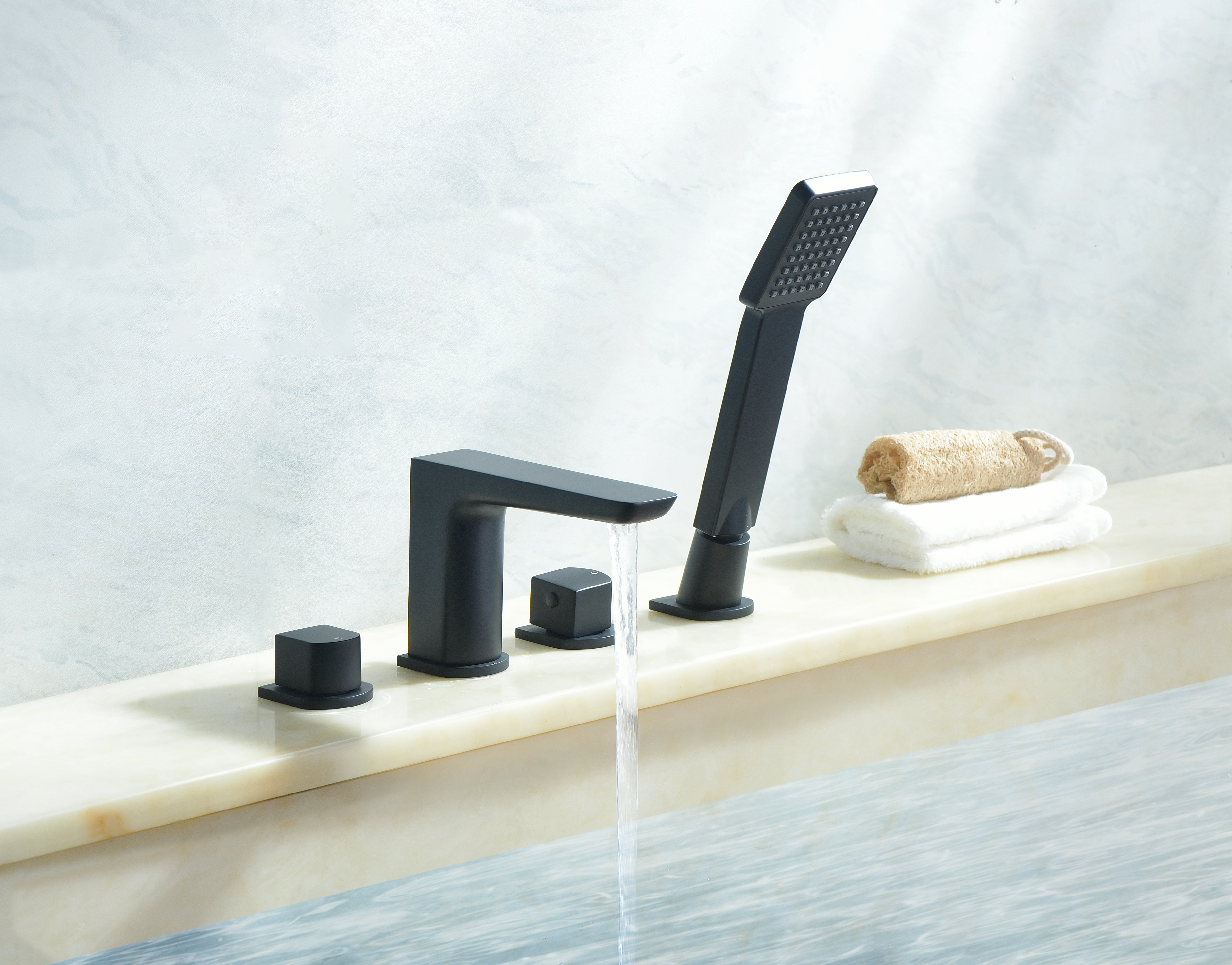
Selecting the right black tap for your residential or commercial space requires understanding what distinguishes a high-quality black tap from inferior alternatives. A black tap with superior electroplating offers enhanced durability, aesthetic appeal, and long-term performance that justifies the investment. Many buyers struggle to differentiate between premium and standard black tap options because the differences often lie beneath the surface, in electroplating thickness, material composition, and finishing techniques that aren't immediately visible to the untrained eye.
A high-quality black tap represents a significant fixture upgrade that impacts both kitchen and bathroom aesthetics while serving as a functional tool used multiple times daily. Understanding the characteristics of a superior black tap ensures you invest in a product that maintains its lustrous finish, resists corrosion, and performs reliably for years. This guide walks you through the essential markers of excellence when evaluating any black tap option, helping you make confident purchasing decisions aligned with your space's design vision and functional requirements.
Understanding Electroplating Quality in Black Taps
What Makes Electroplating Critical for Black Taps
Electroplating is the foundational process that transforms a standard brass or steel base into a black tap with its distinctive dark finish and protective surface layer. The thickness and consistency of this electroplated coating directly determine how well your black tap resists daily wear, moisture exposure, and chemical interactions from water, soap, and cleaning products. A high-quality black tap features electroplating that bonds securely to the underlying metal substrate, creating a uniform, durable barrier that prevents the base material from showing through even after years of intensive use.
Superior electroplating in a black tap requires precise control over current density, bath composition, and timing parameters that less rigorous manufacturers often overlook or compromise. When a black tap undergoes professional electroplating, the resulting layer achieves optimal adhesion and hardness that distinguishes premium products from budget alternatives. This technical precision is why premium black tap options cost more upfront but deliver significantly better long-term value and appearance retention compared to poorly electroplated competitors.
Evaluating Electroplating Thickness and Finish
The thickness of electroplating on a black tap is measured in microns, with premium options typically ranging from 8 to 15 microns, while inferior black tap products may fall below 5 microns. Thickness directly correlates with durability, since a thicker electroplated coating provides greater resistance to scratching, pitting, and gradual wear from daily water flow and contact. A high-quality black tap will feature a smooth, consistent finish across all surfaces without visible streaks, thin spots, or variations that indicate uneven electroplating application.
Visual inspection of a black tap's finish should reveal an even, deep black color with subtle luster rather than a dull, flat appearance or areas with slight color variation suggesting inconsistent plating. Running your finger across the spout and handle of a premium black tap should feel completely smooth without any bumps, rough patches, or discontinuities that suggest poor plating adhesion or surface defects.
Material Composition and Base Metal Selection
Choosing the Right Base Metal for Black Taps
The base metal beneath the electroplating layer significantly impacts how well a black tap performs long-term and how resistant it remains to corrosion and structural failure. Premium black tap manufacturers select brass or stainless steel bases because these metals provide excellent corrosion resistance, structural integrity, and superior adhesion for the electroplating layer. Lesser-quality black tap products may use lower-grade alloys or inadequate metal thickness that eventually leads to leaks, cracks, or visible deterioration even if the electroplating initially appears acceptable.
A high-quality black tap constructed from solid brass offers superior workability during manufacturing and excellent longevity, though it requires thorough quality control to ensure the brass meets density and purity standards. When evaluating a black tap's material composition, seek products that clearly specify their base metal type and provide certification documentation confirming material standards compliance. This transparency indicates a manufacturer confident in their black tap quality and willing to stand behind material specifications.
Weight and Density Indicators
A substantial, solid black tap that feels appropriately weighted when held typically indicates quality base metal and proper wall thickness that suggests durability and reliability. Lightweight black tap products often signal thin metal walls and inferior material composition that may compromise performance and longevity. Comparing the weight of different black tap models of similar size provides a quick preliminary assessment of material quality before examining other quality indicators.
Performance Testing and Certification Standards
Understanding Industry Standards for Black Taps
Reputable black tap manufacturers design their products to meet established industry standards that define minimum performance, safety, and durability requirements for faucet fixtures. These standards typically include lead content limits, pressure and temperature testing, flow rate specifications, and durability trials that verify a black tap performs reliably under normal household or commercial use. A premium black tap bearing certification marks from recognized standards bodies demonstrates the manufacturer's commitment to meeting or exceeding these rigorous performance benchmarks.
When selecting a black tap, request documentation showing compliance with applicable standards such as NSF certification, WaterMark approval, or equivalent regional certifications that verify your black tap meets quality and safety requirements. Manufacturers unwilling or unable to provide certification documentation for their black tap products should raise concerns about whether the item meets fundamental performance and safety standards.
Durability Testing and Warranty Coverage
A high-quality black tap typically includes a comprehensive warranty that reflects manufacturer confidence in product longevity and performance, often covering periods of five years or longer against electroplating failure, corrosion, and mechanical defects. Warranty terms provide insight into how extensively a black tap was tested before release and how confident the manufacturer feels about its durability under realistic use conditions. Products offering only brief, limited warranties or excluding electroplating failures from coverage often indicate lower overall quality standards.
Premium black tap manufacturers conduct rigorous durability testing including extended water exposure trials, thermal cycling, pressure cycling, and accelerated corrosion testing to identify potential failure modes before the product reaches consumers. When evaluating warranty details for your black tap choice, prioritize products that specifically cover electroplating integrity and corrosion resistance since these represent the most visible and costly failure modes affecting long-term satisfaction.
Practical Assessment Techniques for Selecting Premium Black Taps
Visual and Tactile Evaluation Methods
Before purchasing any black tap, examine the finish under various lighting conditions to ensure uniform color, consistent luster, and complete coverage without thin areas where underlying metal becomes visible. A superior black tap maintains perfect color uniformity across the aerator, spout, handle, and body without variation or gradient effects that indicate uneven electroplating. Running your hand across all accessible surfaces of the black tap should reveal completely smooth texture free from any scratches, indentations, or rough spots suggesting poor coating adhesion or surface defects.
Test the operational feel of any black tap by opening and closing the handle smoothly through its full range of motion, listening for unusual grinding sounds and feeling for catching or resistance that might indicate internal corrosion or material incompatibility. A high-quality black tap offers fluid, silent operation that reflects precision manufacturing and proper material selection throughout the internal valve assembly.
Documentation and Traceability Indicators
Reputable black tap manufacturers provide detailed specification sheets, installation manuals, and maintenance guidance that demonstrate technical knowledge and commitment to customer success. Comprehensive documentation for a black tap including material certifications, testing results, installation procedures, and maintenance recommendations indicates a professional manufacturer confident in product quality. A black tap lacking adequate documentation should raise questions about manufacturing rigor and support quality that might affect your long-term satisfaction with the product.
Verify that your black tap purchase includes proper packaging, documentation, and product identification that allows future reference and warranty claims if needed. Products arriving with minimal documentation or packaging often correlate with lower overall quality standards suggesting the black tap may not have received the same quality control attention as better-documented premium options.
FAQ
How long does electroplating on a high-quality black tap typically last?
Premium black tap electroplating with proper thickness and bonding typically maintains its appearance and protective function for ten to fifteen years or longer under normal residential use conditions. The actual lifespan depends on water hardness, usage intensity, and maintenance practices, but a high-quality black tap with superior electroplating significantly outperforms budget alternatives. Proper care including regular gentle cleaning and avoiding abrasive materials extends the service life of your black tap's electroplated finish well beyond typical expectations.
Can a black tap with damaged electroplating be refinished or repaired?
While minor cosmetic scratches on a black tap don't necessarily compromise function, significant electroplating damage exposing the base metal should be professionally refinished to restore corrosion protection. Some manufacturers offer refinishing services for their black tap products, though this typically costs less than replacement only for high-end models. Investing in a quality black tap with superior electroplating from the start proves more economical than purchasing budget products requiring frequent repairs.
What maintenance practices protect a black tap's electroplating quality?
Regular gentle cleaning with soft cloths and mild soap maintains a black tap's appearance without damaging the electroplated finish, while harsh scrubbing or abrasive cleaners accelerates wear. Promptly drying water spots and mineral deposits prevents etching and staining of your black tap's finish, particularly in hard water areas. Avoiding contact with acidic cleaners and maintaining proper ventilation in damp spaces protects the electroplating on your black tap and ensures years of reliable, attractive service.