 EN

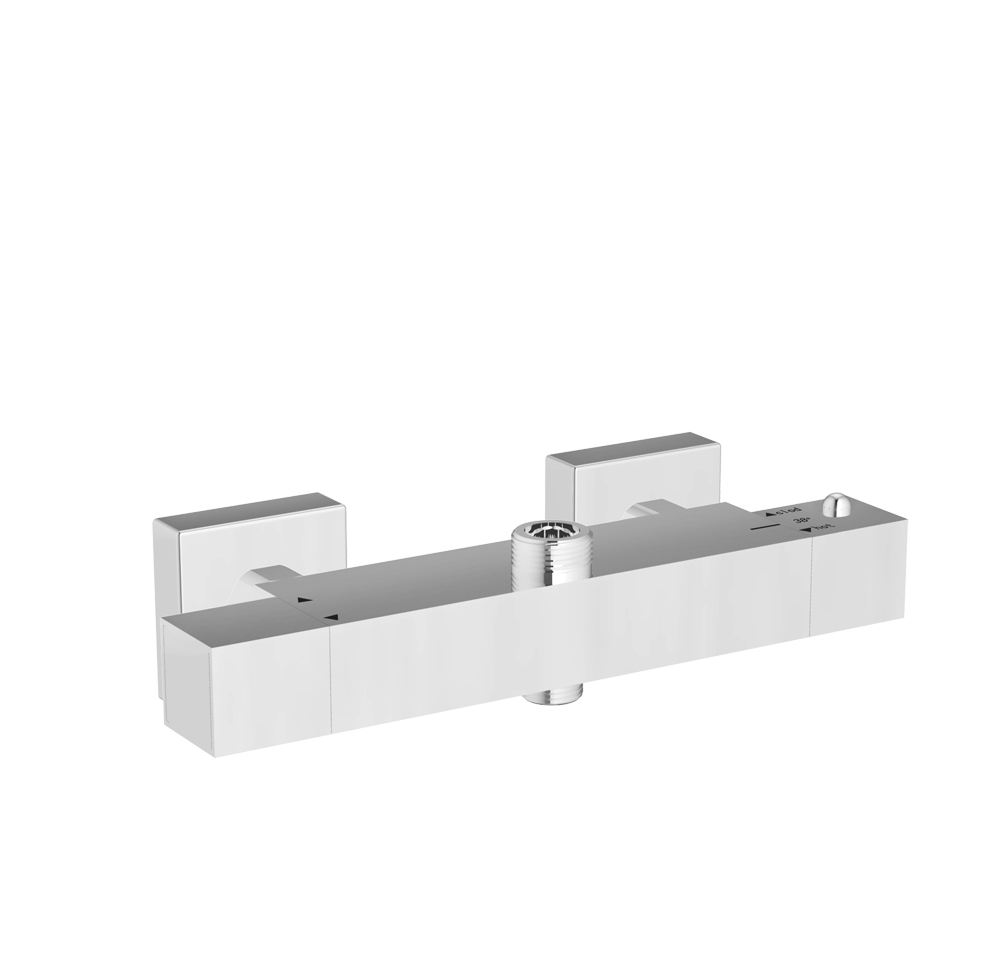
Hotel guest safety depends on reliable water temperature control, and a thermostatic valve stands as one of the most critical components in any modern shower system. When guests step into a shower, they expect water at a safe, comfortable temperature—not a scalding or freezing shock. A thermostatic valve automatically maintains consistent water temperature by responding instantly to pressure and temperature fluctuations, protecting guests from dangerous burns and uncomfortable experiences. In the hospitality industry, where liability concerns and guest satisfaction intersect, installing a thermostatic valve in every guest room shower is not just a best practice—it is a foundational safety requirement.
The hospitality industry faces constant pressure to balance operational efficiency with guest safety. Hotels must manage water systems across dozens or hundreds of rooms while maintaining consistent service quality and protecting guests from preventable harm. A thermostatic valve addresses these competing demands by delivering automatic temperature regulation without requiring manual adjustment at each shower valve. This technology not only reduces the risk of scalding injuries but also minimizes water waste and energy costs—critical metrics for hotel management. Understanding why a thermostatic valve has become essential reveals the deeper relationship between guest safety, operational responsibility, and modern building code compliance.
How a Thermostatic Valve Prevents Scalding Injuries
The Scalding Risk in Hospitality Settings
Scalding injuries represent a significant liability in hotels worldwide. When water pressure fluctuates—such as when another guest on the same floor uses water simultaneously—the shower temperature can spike dangerously without warning. A guest who was enjoying comfortable water may suddenly face water that exceeds 140°F (60°C), causing severe burns in seconds. Children and elderly guests face even greater risk because their skin is more sensitive and reacts to temperature changes more severely. Hotels that fail to install adequate temperature control face lawsuits, regulatory fines, and reputational damage. A thermostatic valve eliminates this risk by automatically adjusting the hot and cold water mix whenever pressure changes occur.
Thermostatic Valve Technology in Action
A thermostatic valve functions through a sophisticated internal mechanism that responds continuously to water temperature and pressure. The valve contains a wax-filled cartridge that expands or contracts based on the incoming water temperature. When the wax expands, it mechanically adjusts the internal valve ports to reduce hot water flow and increase cold water flow—instantly correcting any temperature rise. When temperature drops, the opposite occurs: the wax contracts, allowing more hot water and reducing cold water. This response happens automatically and instantaneously, without any guest intervention required. Modern thermostatic valve designs maintain temperature within 1-2°F of the user's selected setting, providing both safety and comfort. By installing a high-quality thermostatic valve in every guest shower, hotels ensure that scalding injuries become virtually impossible regardless of water pressure fluctuations elsewhere in the building.
Meeting Building Codes and Regulatory Compliance
International Standards for Shower Temperature Control
Building codes across North America, Europe, and other regions now mandate thermostatic valve installation in hospitality facilities. The American Society of Plumbing Engineers and similar organizations specify that guest showers must be equipped with anti-scald devices—and a thermostatic valve is the gold standard solution. These codes typically require that shower water temperature be limited to 120°F (49°C) in guest areas, with the thermostatic valve providing the primary protection mechanism. Hotels that do not meet these requirements face inspection failures, licensing delays, and potential liability exposure. Compliance with these standards is non-negotiable, making thermostatic valve installation a baseline requirement rather than an optional upgrade. Engineers and facility managers must verify that their chosen thermostatic valve model meets the latest international standards and has been tested by accredited certification bodies.
Liability Reduction Through Proper Installation
Hotels that document proper thermostatic valve installation and maintenance create a strong legal defense against scalding injury claims. Insurance providers recognize that facilities using certified thermostatic valve systems experience fewer claims and often qualify for premium discounts. Beyond insurance considerations, a thermostatic valve demonstrates that hotel management prioritized guest safety through evidence-based engineering rather than relying on outdated or minimal protection. When accidents do occur despite proper thermostatic valve installation, the hotel can demonstrate due diligence to regulators and courts. This documentation becomes critical in litigation, showing that the property implemented industry-standard safety measures. Property managers should maintain records of thermostatic valve selection, installation dates, inspection certifications, and maintenance schedules as part of their comprehensive safety management system.
Operational Benefits Beyond Safety
Water Conservation and Energy Efficiency
A thermostatic valve delivers significant operational savings by reducing water waste and energy consumption. When guests do not experience sudden temperature fluctuations, they adjust the shower less frequently and use less total water. Many guests instinctively turn up water flow when the temperature feels unstable, then cannot easily reduce it when the temperature corrects. A thermostatic valve eliminates this waste pattern by maintaining consistent temperature throughout the shower experience. Additionally, because the valve automatically responds to pressure changes rather than requiring manual adjustment, guests spend less time hunting for the ideal temperature setting. Hotels implementing thermostatic valve systems across their properties report water usage reductions of 10-20%, translating directly to lower utility costs. The thermal mass stability provided by a thermostatic valve also means hot water heaters require less frequent cycling, extending equipment life and reducing maintenance expenses. These operational efficiencies compound over time, making thermostatic valve investment financially attractive even before considering safety and liability factors.
Guest Comfort and Satisfaction
Beyond safety and cost savings, a thermostatic valve dramatically improves the guest shower experience. Guests consistently report higher satisfaction when showers maintain consistent, comfortable temperatures without sudden shocks. This seemingly small detail influences overall stay quality and guest loyalty—elements that drive repeat bookings and positive reviews. A thermostatic valve also reduces complaints about water temperature control, decreasing maintenance service calls related to shower adjustment issues. When guests feel safe and comfortable in the shower, they are more likely to rate their stay positively and recommend the hotel to others. The hospitality industry increasingly recognizes that premium guest experience depends on reliable infrastructure, and a thermostatic valve represents a tangible investment in that reliability. Hotels competing for business in crowded markets can differentiate themselves through facilities that deliver consistent, predictable comfort—something a thermostatic valve directly enables.
FAQ
What is the difference between a thermostatic valve and a pressure-balance valve?
While both devices provide anti-scald protection, a thermostatic valve uses temperature-sensing technology to maintain precise water temperature, whereas a pressure-balance valve responds only to pressure differences. A thermostatic valve actively monitors water temperature and adjusts the internal cartridge based on thermal feedback, making it more responsive to sudden temperature changes. Pressure-balance valves work by equalizing water pressure on both sides of a valve spool, which indirectly helps maintain temperature stability but does not provide direct temperature control. In hospitality settings where consistency and guest safety are paramount, a thermostatic valve offers superior performance. Most modern building codes and hospitality standards specifically recommend or require thermostatic valve installation rather than pressure-balance alternatives alone.
How often does a thermostatic valve require maintenance?
A properly installed thermostatic valve typically requires annual inspection and cleaning to maintain optimal performance. Mineral buildup from hard water can gradually affect the wax cartridge responsiveness, so facilities in high-mineral areas may need more frequent maintenance. Professional plumbers recommend testing thermostatic valve temperature output during regular maintenance cycles to verify the device is maintaining its specified temperature range. Cartridge replacement is usually necessary every 5-10 years depending on water quality and usage frequency. Most manufacturers provide clear maintenance guidelines specific to their thermostatic valve models, and property managers should follow these recommendations to preserve safety and performance. Regular maintenance documentation also supports liability protection and demonstrates reasonable facility management practices to regulators.
Can a thermostatic valve be retrofitted into existing hotel shower systems?
Yes, a thermostatic valve can typically be retrofitted into most existing shower plumbing configurations, though installation complexity varies by existing valve type and plumbing configuration. Professional plumbers can usually replace an older mixing valve with a modern thermostatic valve without major structural changes. Retrofitting a thermostatic valve into older hotels is often more cost-effective than waiting for full bathroom renovations, allowing property managers to immediately upgrade safety compliance. The installation typically requires shutting down water supply to the affected bathroom for several hours, making overnight installation a practical approach in operational hotels. Many hospitality facilities choose thermostatic valve retrofit projects as part of regular maintenance budgets rather than viewing them as capital improvements. Consulting with a licensed plumber experienced in hospitality projects ensures the chosen thermostatic valve installation meets all local codes and integrates properly with the existing plumbing infrastructure.