 EN

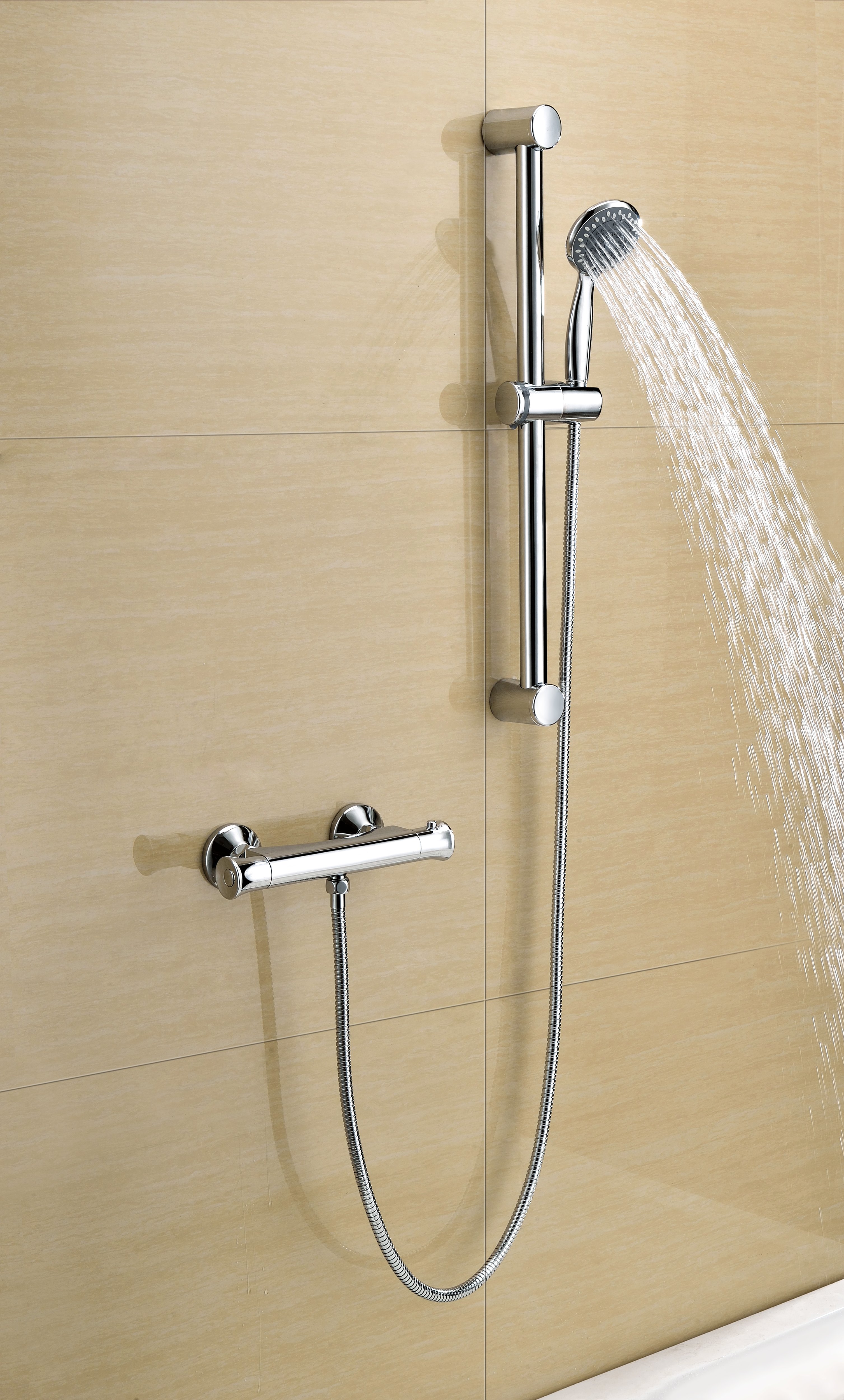
Commercial bathroom environments present unique challenges for shower kits, where moisture, chemical cleaners, heavy usage, and temperature fluctuations constantly test the durability of fixtures. Maintaining the finish of shower kits in these demanding settings requires a strategic approach that balances aggressive cleaning protocols with protective care measures. Understanding how environmental factors degrade shower kits and implementing preventive maintenance routines can significantly extend the lifespan of these essential fixtures while preserving their aesthetic appeal and functionality. Organizations that invest time in proper maintenance of shower kits avoid expensive replacements and maintain professional bathroom standards that enhance user experience and facility reputation.
The finish degradation of shower kits in commercial environments occurs faster than in residential settings because of constant exposure to harsh cleaning chemicals, hard water deposits, and intensive daily use. Commercial facilities such as gyms, hotels, healthcare facilities, and public pools subject shower kits to conditions that residential shower kits rarely experience. Implementing a comprehensive maintenance program for shower kits is not optional but essential for facilities managers who must balance budget constraints with the need to maintain professional-grade bathroom infrastructure. This guide provides practical strategies for protecting and maintaining shower kits in the most challenging commercial conditions.
Understanding Environmental Damage to Shower Kits
Chemical Exposure and Corrosion Mechanisms
Commercial cleaning protocols rely on powerful disinfectants and degreasers that, while effective at sanitizing bathroom surfaces, can accelerate corrosion on shower kits. Chlorine-based cleaners, acidic descaling solutions, and quaternary ammonium compounds penetrate micro-imperfections in finish coatings and attack the underlying metal substrate of shower kits. When shower kits are exposed to these chemicals on a daily basis without proper neutralization or protective barriers, oxidation progresses rapidly, leading to visible pitting, dulling, and eventual structural compromise. The type of metal finish on shower kits determines susceptibility; chrome-plated fixtures are particularly vulnerable because the base metal beneath can corrode quickly once the protective chrome layer is compromised. Understanding this mechanism is critical for selecting appropriate cleaning agents and protection methods for shower kits in commercial spaces.
Hard Water Mineral Buildup and Finish Degradation
Hard water mineral deposits represent one of the most common threats to shower kits in commercial facilities, particularly in regions with high mineral content in water supplies. Calcium and magnesium deposits accumulate on exposed surfaces of shower kits, creating stubborn scale that requires vigorous scrubbing to remove. This repeated abrasive cleaning damages the protective finish layer and eventually exposes the underlying material of shower kits. Additionally, minerals trapped in crevices and connection points of shower kits create micro-environments where corrosion accelerates due to galvanic action and oxidation. Regular descaling of shower kits prevents these deposits from reaching problematic levels, but the choice of descaling method profoundly impacts the long-term integrity of the fixture finish.
Effective Cleaning and Protection Strategies for Shower Kits
pH-Neutral Cleaning Protocols for Shower Kits
The foundation of any maintenance program for shower kits in commercial environments begins with careful selection of cleaning agents that eliminate pathogens without degrading finish coatings. pH-neutral cleaners are specifically formulated to clean effectively while maintaining the protective layer of shower kits and preventing corrosion. Daily cleaning of shower kits should use mild, pH-neutral soap solutions followed by thorough rinsing with deionized water when possible, as deionized water contains no minerals that would leave deposits on shower kits. Avoid acidic cleaners on a daily basis; reserve these for periodic descaling of shower kits performed only when mineral buildup becomes visible. For shower kits with specific finish types, always test cleaning solutions in inconspicuous areas first to ensure compatibility and prevent unintended damage to the fixture surface.
Protective Coating Application for Shower Kits
Professional-grade protective coatings represent an advanced approach to preserving shower kits in severe commercial environments. Ceramic or polymer-based coatings can be applied to shower kits to create a barrier between the finish and aggressive cleaning chemicals or hard water minerals. These protective layers on shower kits must be reapplied periodically as they gradually wear away under continuous use and cleaning friction. The application of such coatings to shower kits requires professional expertise to ensure uniform coverage and long-term adhesion. Facilities with high-turnover bathrooms or particularly harsh water chemistry should evaluate whether protective coatings for shower kits justify the investment through extended fixture lifespan and reduced maintenance labor.
Maintenance Schedules and Preventive Care for Shower Kits
Daily and Weekly Maintenance Routines for Shower Kits
Establishing consistent daily cleaning routines for shower kits forms the backbone of any successful maintenance strategy in commercial facilities. After each use period, shower kits should be wiped dry with lint-free cloths to prevent water spots and mineral accumulation on exposed surfaces. Weekly deep cleaning of shower kits involves removing soap scum, disinfecting with pH-neutral cleaners, and inspecting for early signs of corrosion or finish degradation. This regular attention to shower kits prevents problems from progressing to stages requiring professional restoration or full replacement. Documentation of maintenance activities on shower kits helps identify patterns in deterioration and informs decisions about cleaning protocol adjustments or product upgrades.
Monthly and Quarterly Inspection Protocols for Shower Kits
Monthly inspections of shower kits should include detailed assessment of finish integrity, valve operation, water pressure consistency, and any visible corrosion or discoloration. Quarterly maintenance of shower kits may include professional descaling using appropriate chemical agents, caulk inspection and replacement to prevent water intrusion behind fixtures, and functional testing of thermostatic or pressure-balancing components. These scheduled inspections of shower kits identify emerging problems before they compromise user safety or create expensive emergency repairs. Keeping detailed maintenance logs for each shower kit installation enables facilities managers to predict replacement schedules and budget accordingly, ensuring bathroom infrastructure reliability throughout the facility.
Addressing Corrosion and Damage on Shower Kits
When corrosion or finish damage appears on shower kits despite preventive efforts, prompt intervention minimizes further deterioration and extends fixture life. Light surface corrosion or pitting on shower kits may be addressed through professional refinishing or polishing services that restore appearance without replacing components. More advanced deterioration affecting structural integrity or water sealing of shower kits requires component replacement to prevent leaks and safety hazards. Identifying whether damage on shower kits can be repaired versus requiring replacement involves evaluating cost-effectiveness against the remaining useful life of the fixture and the severity of performance degradation. Regular inspections of shower kits catch problems at stages where restoration remains economically viable.
FAQ
How frequently should commercial bathroom shower kits be professionally serviced?
Commercial shower kits in high-use facilities should receive professional service quarterly or semi-annually, depending on water hardness, cleaning chemical intensity, and daily usage volume. Facilities with particularly harsh water chemistry or those using aggressive disinfection protocols may benefit from more frequent professional evaluation of shower kits. Quarterly servicing of shower kits allows professionals to identify emerging issues early, apply protective treatments, and ensure all components function safely and reliably for the next service cycle.
What is the best descaler to use on shower kits without causing damage?
The safest descalers for shower kits are mild, non-acidic solutions specifically formulated for plumbing fixtures, or vinegar diluted to 50% with water for lighter deposits on shower kits. Avoid commercial bathroom descalers containing strong acids unless explicitly designed for the specific metal finish on your shower kits. Always follow manufacturer recommendations for your particular shower kits model, as different finishes respond differently to various chemical formulations. Test any descaler on a small area of your shower kits before applying broadly to prevent unintended cosmetic or structural damage.
Can protective coatings be applied to existing shower kits in facilities?
Yes, professional protective coatings can be applied to existing shower kits in commercial facilities without removing fixtures, though surface preparation is critical for proper adhesion and long-term performance. The substrate of shower kits must be thoroughly cleaned, any existing corrosion addressed, and protective coatings applied in controlled conditions to ensure uniform coverage. Application of protective coatings to shower kits extends fixture lifespan and reduces future maintenance intensity, making it a cost-effective option for valuable or specialized shower kits facing harsh environmental conditions. Professional application ensures shower kits receive treatment designed for commercial-grade performance and durability.