 EN
EN

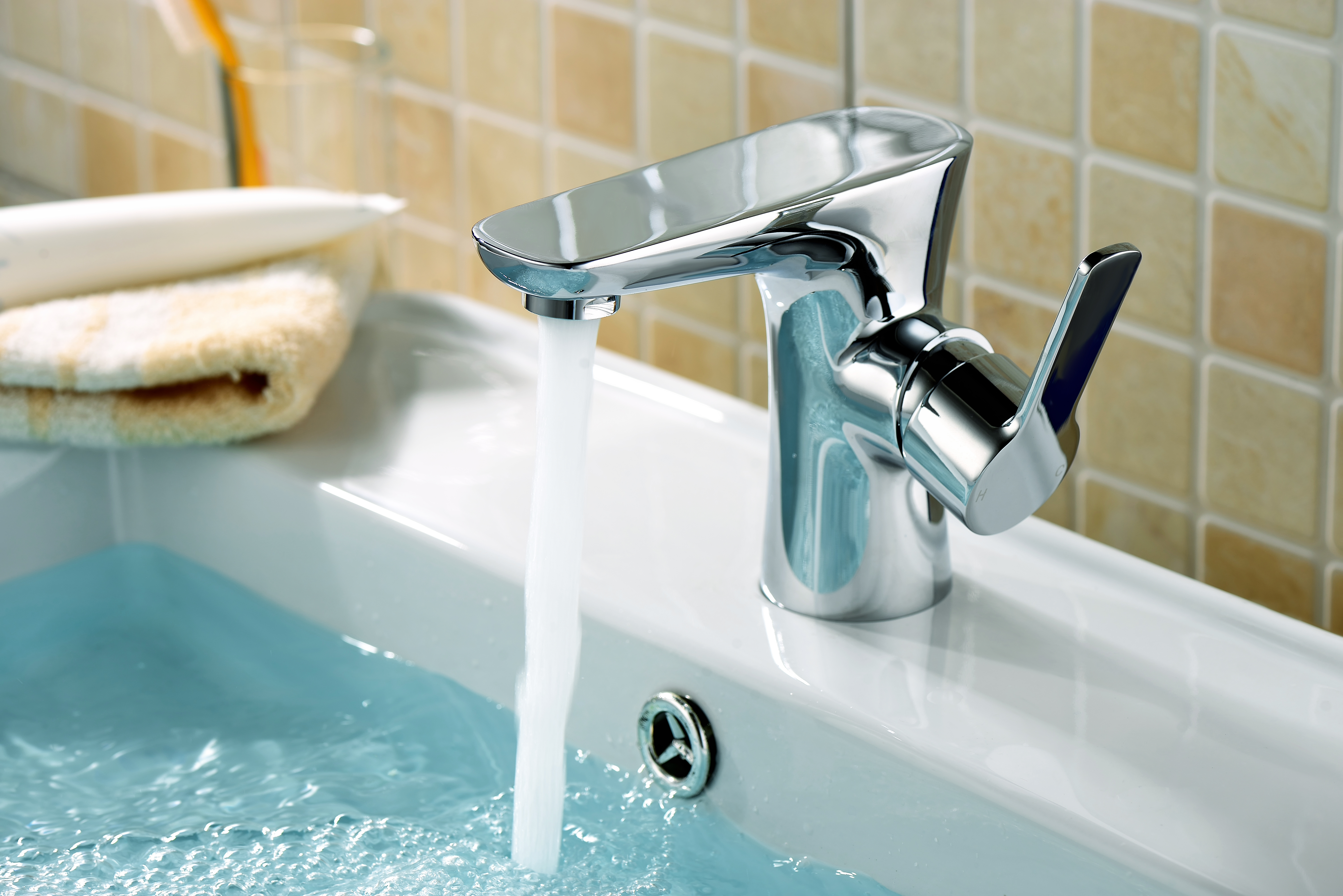
Black taps have become a signature element in contemporary bathroom and kitchen design, offering a striking visual contrast that elevates the aesthetic appeal of any space. However, maintaining the pristine appearance of a black tap surface requires understanding the specific challenges posed by limescale buildup, which becomes particularly visible against dark finishes. Unlike traditional chrome or stainless steel fixtures, black taps reveal mineral deposits, water spots, and limescale accumulation more prominently, making proper maintenance essential for preserving both functionality and visual appeal. The key to successful black tap care lies in implementing preventive measures, establishing consistent cleaning routines, and using appropriate maintenance techniques that protect the specialized coating or finish while effectively controlling limescale formation.
The maintenance approach for a black tap differs significantly from conventional fixtures due to the specialized surface treatments used to achieve the dark finish. Whether your black tap features a powder-coated surface, physical vapor deposition coating, or electroplated finish, each requires specific care protocols to prevent limescale damage while maintaining the integrity of the protective layer. This comprehensive guide explores proven maintenance strategies, preventive techniques, and practical cleaning methods designed specifically for black tap surfaces, ensuring your fixtures retain their sophisticated appearance while resisting the persistent challenge of limescale accumulation in hard water environments.
Understanding Limescale Formation on Black Tap Surfaces
The Chemistry Behind Limescale Deposits
Limescale develops when hard water containing dissolved calcium carbonate and magnesium salts evaporates on the surface of your black tap, leaving behind mineral deposits that crystallize over time. The alkaline nature of these mineral compounds creates a chalky white residue that contrasts dramatically against dark finishes, making even minor buildup highly visible. Understanding this chemical process is fundamental to implementing effective prevention strategies for your black tap. The rate of limescale formation accelerates with higher water temperatures, frequent water exposure, and inadequate drying practices, which explains why black taps in heavily used areas require more vigilant maintenance protocols.
The porous nature of limescale deposits creates an ideal surface for additional mineral accumulation, meaning that neglected buildup on a black tap becomes progressively more difficult to remove without risking surface damage. Hard water hardness levels, measured in parts per million or grains per gallon, directly correlate with limescale formation rates, with areas experiencing hardness above 180 ppm facing particularly aggressive buildup challenges. The interaction between limescale and black tap finishes extends beyond aesthetic concerns, as prolonged mineral accumulation can compromise protective coatings, leading to corrosion, discoloration, and reduced fixture lifespan if not addressed through proper maintenance techniques.
Why Black Tap Finishes Show Limescale More Prominently
The visual contrast between white limescale deposits and the dark surface of a black tap creates an immediate aesthetic challenge that demands proactive maintenance. Unlike reflective chrome finishes that can partially mask light mineral deposits through their mirror-like qualities, matte or satin black tap surfaces provide no such camouflage, making every water spot and mineral streak immediately apparent. This heightened visibility means that maintenance standards for a black tap must be considerably more rigorous than those applied to traditional metallic fixtures. Additionally, the specialized coatings used to achieve black finishes often have different textural properties compared to standard chrome plating, which can influence how limescale adheres and accumulates on the surface.
The absorbent characteristics of certain black tap finishes, particularly those with matte or brushed textures, can allow mineral deposits to penetrate slightly into surface irregularities, making removal more challenging than on smooth, non-porous surfaces. This penetration effect intensifies with time, as repeated wetting and drying cycles drive mineral particles deeper into microscopic surface variations. Understanding these material-specific vulnerabilities helps inform appropriate cleaning frequency and technique selection for your black tap. Professional-grade black tap finishes typically incorporate protective sealants designed to minimize this absorption, but even premium coatings require consistent maintenance to prevent limescale from compromising their protective properties over extended periods.
Environmental Factors Affecting Limescale Accumulation
Water hardness represents the primary environmental factor influencing limescale formation rates on your black tap, with geographic location determining the mineral content of your water supply. Regions with limestone-rich geology typically experience significantly harder water, resulting in accelerated limescale buildup that requires more frequent preventive intervention for black tap surfaces. Temperature fluctuations in your bathroom or kitchen environment also impact evaporation rates, with warmer ambient conditions promoting faster water evaporation and concentrated mineral deposition. The frequency of water contact with your black tap surface directly correlates with buildup potential, meaning high-traffic fixtures in family bathrooms or busy kitchens face more aggressive limescale challenges than those in guest facilities or secondary spaces.
Ventilation quality significantly influences limescale accumulation patterns, as adequate airflow promotes complete water evaporation rather than slow evaporation that concentrates minerals on the black tap surface. Poorly ventilated spaces create humid conditions that leave water droplets on fixtures for extended periods, increasing mineral deposit formation. The chemical composition of cleaning products previously used on your black tap can also affect subsequent limescale adhesion, with certain residues creating tacky surfaces that attract and hold mineral deposits more readily. Additionally, the presence of soap residue, body oils, and other organic contaminants can combine with limescale to form stubborn hybrid deposits that prove particularly challenging to remove from black tap finishes without specialized treatment approaches.
Preventive Maintenance Strategies for Black Tap Protection
Daily Drying Protocols and Wiping Techniques
The single most effective preventive measure for maintaining a black tap and preventing limescale buildup involves implementing a consistent after-use drying routine. Using a soft microfiber cloth to thoroughly dry your black tap immediately after each use prevents water droplets from evaporating and leaving mineral deposits on the surface. This simple practice eliminates the primary mechanism of limescale formation by removing water before minerals can crystallize. The microfiber material is particularly well-suited for black tap maintenance because its fine synthetic fibers effectively absorb water without scratching specialized coatings, while the electrostatic properties of quality microfiber attract and capture mineral particles that might otherwise remain on the surface.
Proper wiping technique matters significantly when drying a black tap, as aggressive rubbing can damage protective coatings over time. Instead, use gentle patting and sweeping motions that absorb water without applying excessive friction to the finish. Pay particular attention to joints, crevices, and the base of the black tap where water tends to accumulate and evaporate slowly, creating concentrated limescale deposits. Establishing this drying routine as a household habit requires initial effort but becomes automatic with practice, dramatically reducing long-term maintenance burden. For shared bathrooms or high-traffic kitchens, positioning a dedicated microfiber cloth within easy reach of the black tap encourages consistent compliance with drying protocols among all users.
Water Softening Solutions and Filtration Systems
Installing a water softening system represents a comprehensive preventive approach that addresses limescale formation at its source by removing calcium and magnesium ions from your water supply before they reach your black tap. Whole-house water softeners use ion exchange technology to replace hardness minerals with sodium or potassium ions, effectively eliminating the chemical constituents responsible for limescale buildup. While representing a significant upfront investment, water softening systems provide long-term protection for all plumbing fixtures, appliances, and surfaces throughout your home, including your black tap installations. The reduction in limescale formation translates to decreased cleaning frequency, extended fixture lifespan, and preservation of specialized finishes that would otherwise degrade under constant mineral exposure.
For situations where whole-house softening proves impractical or cost-prohibitive, point-of-use filtration devices installed directly at the black tap location offer targeted protection. These compact units can be integrated into under-sink plumbing or attached to supply lines feeding specific fixtures, providing softened water exclusively to your black tap while avoiding the expense of treating water used for purposes that do not require mineral reduction. Alternative technologies such as electronic descalers, which alter the crystallization properties of hardness minerals without removing them from water, present another option for reducing limescale adhesion to black tap surfaces. When evaluating water treatment options, consider your specific water hardness levels, household water consumption patterns, and the number of black tap fixtures requiring protection to determine the most cost-effective solution.
Protective Coating Applications and Sealants
Applying specialized protective coatings designed for black tap surfaces creates an additional barrier against limescale adhesion while enhancing water-repellent properties. These products, often formulated with hydrophobic compounds, cause water to bead and roll off the black tap surface rather than spreading and evaporating in place. The reduced water contact time significantly limits mineral deposition opportunities, effectively extending the interval between required cleaning sessions. Quality protective treatments designed specifically for black tap finishes typically contain polymers or nano-ceramic compounds that bond to the existing coating without altering appearance or introducing incompatible chemical layers that might compromise the original finish.
Application frequency for protective coatings varies by product formulation, with some requiring monthly renewal while more durable treatments maintain effectiveness for three to six months under normal use conditions. When selecting a protective product for your black tap, verify compatibility with the specific finish type, whether powder-coated, PVD-treated, or electroplated, as inappropriate products can cause discoloration or coating degradation. The application process typically involves thoroughly cleaning and drying the black tap surface, applying a thin layer of the protective product according to manufacturer specifications, and allowing adequate curing time before exposing the fixture to water. Some advanced formulations incorporate anti-microbial properties that provide additional hygienic benefits beyond limescale prevention, making them particularly valuable in bathroom black tap applications where moisture and organic contamination present combined challenges.
Effective Cleaning Methods for Limescale Removal
Safe Acidic Solutions for Black Tap Surfaces
When limescale does accumulate on your black tap despite preventive measures, gentle acidic solutions offer effective removal while minimizing risk to specialized finishes. White vinegar, containing approximately five percent acetic acid, represents the safest and most accessible option for dissolving calcium carbonate deposits without damaging most black tap coatings. The mild acidity breaks down mineral bonds without the aggressive action of stronger acids that could etch or discolor protective layers. To apply vinegar treatment effectively, saturate a soft cloth with the solution and drape it over the affected areas of your black tap, allowing fifteen to twenty minutes of contact time for the acid to work before gently wiping away dissolved deposits.
For stubborn limescale accumulations that resist vinegar treatment, diluted citric acid solutions provide slightly stronger dissolution power while maintaining relative safety for black tap finishes. Mix one to two tablespoons of citric acid powder with a cup of warm water, creating a solution that can be applied using spray bottles or saturated cloths. The chelating properties of citric acid make it particularly effective against complex mineral deposits that include magnesium compounds alongside calcium carbonate. Always test any acidic cleaning solution on an inconspicuous area of your black tap before full application, as some specialized coatings may demonstrate sensitivity to even mild acids. After successful limescale removal, thoroughly rinse the black tap with clean water and dry completely to prevent new deposits from forming on residual moisture.
Mechanical Removal Techniques and Tool Selection
Certain limescale situations require careful mechanical intervention when chemical dissolution alone proves insufficient for complete removal from your black tap. Non-abrasive scrubbing tools such as soft sponges, microfiber cloths, or purpose-designed non-scratch pads allow gentle physical agitation that assists chemical cleaning without damaging delicate black tap finishes. The key lies in selecting materials with hardness values significantly lower than the protective coating on your fixture, ensuring that mechanical action removes limescale without abrading the underlying surface. Avoid steel wool, abrasive scouring pads, or stiff brushes that can create microscopic scratches in black tap coatings, as these surface imperfections become future sites for accelerated limescale accumulation and potential corrosion initiation.
For precision work around intricate details, valve handles, or tight crevices on your black tap, soft-bristled toothbrushes or specialized detailing brushes provide controlled mechanical action in confined spaces. Combine these tools with appropriate cleaning solutions, using gentle circular motions rather than aggressive back-and-forth scrubbing that concentrates pressure in narrow lines. When addressing particularly resistant limescale deposits, create a paste by mixing baking soda with small amounts of water, applying this mildly abrasive compound to affected areas of your black tap, and using soft circular motions to lift deposits. The fine particle size of baking soda provides gentle abrasive action while the alkaline chemistry helps neutralize certain mineral bonds, making it effective for hybrid deposits that combine limescale with soap residue or organic contamination.
Commercial Cleaners Designed for Dark Finishes
Specialized commercial cleaning products formulated explicitly for black tap maintenance offer optimized chemical formulations that balance effective limescale removal with finish protection. These products typically incorporate surfactants that enhance mineral dissolution, chelating agents that bind calcium and magnesium ions, and protective compounds that leave beneficial residues on the black tap surface. Quality commercial cleaners designed for dark finishes avoid harsh abrasives, strong alkaline compounds, and chlorine-based bleaches that can discolor or degrade specialized coatings. When selecting commercial products, prioritize those specifically labeled as safe for PVD coatings, powder-coated surfaces, or matte black finishes, depending on your particular black tap specification.
Application protocols for commercial black tap cleaners generally involve spraying or applying the product to affected surfaces, allowing specified dwell time for chemical action, and wiping clean with soft cloths followed by thorough rinsing. Some premium formulations incorporate time-release technologies that continue working after initial application, providing extended protection against new limescale formation. Reading and following manufacturer instructions precisely ensures optimal results while avoiding misuse that could void finish warranties or cause unintended surface damage. For regular maintenance cleaning rather than heavy limescale removal, consider pH-neutral cleaners designed for daily use on black tap surfaces, which provide gentle cleaning action without the acidic chemistry needed for mineral dissolution, allowing more frequent application without cumulative finish degradation.
Long-Term Care and Finish Preservation
Establishing Maintenance Schedules Based on Water Hardness
Creating an appropriate maintenance schedule for your black tap requires assessing local water hardness levels and adjusting cleaning frequency accordingly. Homes with soft water below 60 ppm may require only weekly thorough cleaning and daily drying to maintain pristine black tap appearance, while areas with very hard water exceeding 180 ppm often necessitate more aggressive protocols including multiple weekly deep cleanings and potentially daily light treatments. Testing your water hardness using readily available test strips or professional analysis provides the foundational data needed to develop a maintenance schedule that prevents limescale accumulation without subjecting your black tap to excessive cleaning that might accelerate finish wear.
Seasonal variations in water chemistry may require schedule adjustments, as some municipal water supplies experience hardness fluctuations based on source water availability and treatment plant operations. Monitor your black tap for changes in limescale accumulation patterns and adjust maintenance frequency accordingly. Documenting your cleaning schedule and observing results over several months allows fine-tuning of protocols to achieve optimal balance between maintaining appearance and minimizing maintenance labor. For households with multiple black tap installations, consider implementing differential schedules based on individual fixture usage patterns, with high-traffic bathroom and kitchen taps receiving more frequent attention than those in guest facilities or secondary spaces.
Recognizing and Addressing Coating Degradation
Despite proper maintenance, black tap finishes eventually show signs of wear that require assessment and potential intervention. Early indicators of coating degradation include subtle color changes, increased porosity that allows faster limescale adhesion, or small areas where the underlying base metal becomes visible through the black finish. Recognizing these warning signs enables timely intervention before minor issues progress to more significant damage requiring fixture replacement. Some degree of finish wear represents normal aging for black tap surfaces, particularly around high-contact areas such as lever handles and spout tips where repeated physical interaction gradually erodes protective coatings.
When coating degradation becomes apparent on your black tap, evaluate whether targeted repair using touch-up products designed for black finishes might restore appearance and protection. Some manufacturers offer proprietary touch-up solutions that match specific finish formulations, allowing localized repair of minor wear areas. For more extensive degradation, professional refinishing services can strip existing coatings and apply new protective layers, effectively restoring your black tap to near-original condition at costs significantly below fixture replacement. However, if degradation results from fundamental coating failure rather than wear, replacement with an updated black tap featuring improved finish technology may provide better long-term value than attempting to restore a fundamentally compromised coating system.
Preventive Measures Against Corrosion Under Black Coatings
The greatest long-term threat to black tap longevity involves corrosion occurring beneath protective coatings, often initiated when limescale buildup creates localized moisture retention that compromises finish integrity. Once mineral deposits penetrate to the base metal, electrochemical corrosion processes can begin, with the black coating potentially concealing subsurface damage until advanced stages. Preventing this hidden deterioration requires vigilant limescale management combined with immediate attention to any coating damage that exposes underlying metal. Small chips, scratches, or worn areas on your black tap should be addressed promptly using appropriate touch-up products or protective sealants that prevent moisture intrusion and corrosion initiation.
Regular inspection of your black tap for early corrosion indicators such as surface roughening, pinhole formations, or bulging beneath coatings allows intervention before structural integrity becomes compromised. Areas where coating meets different materials, such as at threaded connections, mounting flanges, or aerator attachments, deserve particular attention as these interfaces often develop gaps that allow moisture and mineral intrusion. Applying thin layers of plumber's grease or silicone-based lubricants to threaded connections during installation and periodic maintenance creates moisture barriers that protect vulnerable areas of your black tap from corrosion while facilitating future disassembly for servicing. This preventive approach, combined with consistent limescale management, significantly extends functional and aesthetic lifespan beyond standard fixture expectations.
FAQ
How often should I clean my black tap to prevent limescale buildup?
The optimal cleaning frequency for a black tap depends primarily on your local water hardness, with soft water areas requiring weekly deep cleaning while very hard water environments may necessitate cleaning every two to three days. Regardless of water hardness, implementing a daily drying routine after each use represents the most effective preventive measure. For typical household conditions with moderately hard water, performing a thorough cleaning with appropriate limescale removal products twice weekly, combined with daily drying practices, maintains black tap appearance without excessive maintenance burden. Monitor your specific fixture for visible mineral accumulation and adjust frequency accordingly, as usage patterns and environmental factors create unique maintenance requirements for each installation.
Can I use regular bathroom cleaners on my black tap?
Most conventional bathroom cleaners contain harsh chemicals, abrasives, or bleach compounds that can damage specialized coatings used on black tap surfaces, leading to discoloration, dulling, or accelerated finish degradation. Instead, use products specifically formulated for dark finishes or matte surfaces, which balance effective cleaning with finish protection. Mild acidic solutions like diluted white vinegar or citric acid provide safe alternatives for limescale removal on black tap fixtures. Always verify product compatibility with your specific finish type before application, and test any new cleaner on an inconspicuous area first. Avoid products containing ammonia, chlorine bleach, or coarse abrasives, as these ingredients pose particular risks to black tap coatings and can cause irreversible damage with repeated exposure.
Will vinegar damage the black finish on my tap?
White vinegar, when used properly with appropriate contact times and thorough rinsing, generally poses minimal risk to quality black tap finishes and represents one of the safest options for limescale removal. The mild five percent acetic acid concentration effectively dissolves mineral deposits without the aggressive action of stronger acids. However, prolonged or repeated exposure to undiluted vinegar can potentially affect some specialized coatings, particularly if left in contact for extended periods exceeding thirty minutes. To maximize safety, limit vinegar contact time to fifteen to twenty minutes, use it only when necessary for limescale removal rather than as a routine cleaner, and always rinse thoroughly with clean water followed by complete drying after treatment. For extremely delicate or premium black tap finishes, consider testing vinegar application on a hidden area before treating visible surfaces.
What should I do if limescale has already caused visible damage to my black tap?
If limescale accumulation has progressed to the point of causing visible etching, discoloration, or coating damage on your black tap, begin by thoroughly removing all mineral deposits using appropriate acidic cleaners and gentle mechanical methods. Once clean, assess the extent of finish damage to determine whether touch-up products, professional refinishing, or fixture replacement offers the most practical solution. Minor surface dulling may respond to application of specialized black tap restoration products or protective coatings that enhance appearance while providing renewed protection. For localized coating loss exposing underlying metal, manufacturer-supplied touch-up solutions can often restore protection and minimize visual impact. Extensive damage affecting large surface areas or compromising structural integrity typically warrants replacement with an upgraded black tap featuring more durable finish technology, as attempting to restore severely degraded coatings often proves less cost-effective than installing new fixtures with improved performance characteristics.