 EN
EN

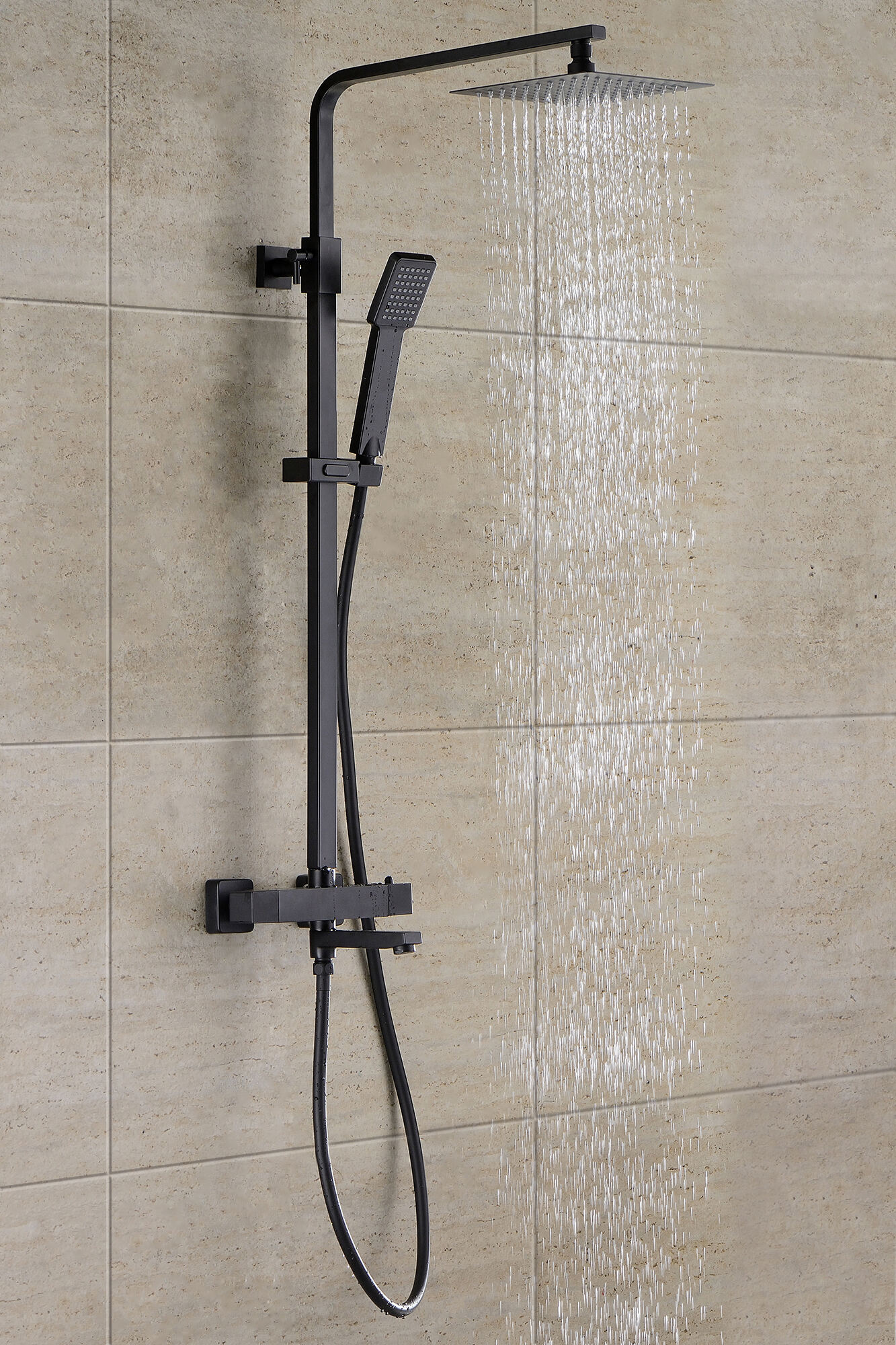
Selecting the right black tap for a contemporary kitchen project requires careful consideration of design language, functional performance, and material quality to ensure visual harmony and long-term durability. Contemporary kitchen aesthetics demand precision in every fixture choice, and a black tap serves as both a functional necessity and a defining design element that can elevate or undermine the entire spatial composition. The selection process involves understanding the nuances of matte versus glossy finishes, evaluating proportional relationships between tap geometry and sink dimensions, and ensuring that the tap's architectural character complements the broader material palette of cabinetry, countertops, and appliances within the contemporary theme.
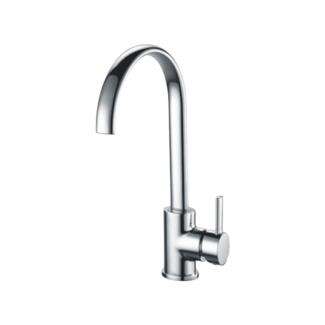
Contemporary kitchen projects are characterized by clean lines, minimalist expressions, and a restrained color palette that emphasizes monochromatic schemes, natural materials, and subtle textural contrasts. Within this design framework, the black tap functions as a critical anchor point that grounds the visual composition while providing essential utility. The challenge lies in navigating the diverse range of black tap styles available in the market, from industrial-inspired bridge faucets to sleek single-lever mixers, and identifying which specific design attributes align with the project's particular interpretation of contemporary style, whether it leans toward Scandinavian minimalism, Japanese wabi-sabi, or European modernist traditions.
Understanding Contemporary Kitchen Design Language and Fixture Role
Defining Contemporary Aesthetic Principles in Kitchen Environments
Contemporary kitchen design operates on principles of spatial clarity, functional efficiency, and material honesty, distinguishing itself from transitional or traditional styles through its commitment to unornamented surfaces and geometric purity. The contemporary aesthetic rejects decorative excess in favor of form following function, where every element including the black tap must justify its presence through both utility and visual contribution. This design philosophy manifests in handleless cabinetry, integrated appliances, flush-mounted sinks, and fixtures that exhibit sculptural simplicity rather than ornamental complexity. When selecting a black tap for such environments, designers must prioritize models that demonstrate restraint in form while maintaining sufficient visual presence to serve as intentional design accents rather than mere functional afterthoughts.
The color black within contemporary kitchens serves multiple strategic purposes beyond mere aesthetic preference, functioning as a grounding element that provides visual weight and definition within predominantly neutral or white-dominated color schemes. A black tap creates focal tension that draws the eye and establishes hierarchical relationships between different zones of the kitchen workspace. The selection process must consider how the tap's black finish interacts with surrounding materials, whether it creates stark contrast against white marble countertops or subtle tonal variation against dark granite surfaces. Understanding these relational dynamics is essential for ensuring that the chosen black tap enhances rather than disrupts the carefully calibrated visual balance characteristic of contemporary kitchen projects.
The Functional and Visual Weight of Tap Selection
Tap fixtures occupy a unique position within kitchen design hierarchy, functioning simultaneously as high-touch ergonomic tools and prominent visual markers that define the sink zone's character. The selection of a black tap carries greater design responsibility than choosing concealed elements because of its constant visibility and frequent interaction throughout daily kitchen activities. Contemporary projects demand that this fixture choice reflect the same level of design sophistication evident in cabinetry detailing, lighting selection, and hardware specification. The tap's silhouette, proportional relationships, and surface treatment must communicate the same design intelligence and material quality that defines the broader project, creating seamless integration rather than jarring discontinuity.
The visual weight of a black tap within a contemporary kitchen environment depends not only on its finish color but also on its volumetric presence, geometric complexity, and reflective characteristics. Matte black finishes absorb light and create soft, velvety surfaces that recede visually, while glossy or polished black finishes reflect surrounding light and materials, creating dynamic visual activity. Contemporary design typically favors matte treatments that align with the understated elegance and tactile warmth characteristic of this aesthetic, though specific project contexts may justify glossy finishes when used strategically to create intentional visual punctuation. Understanding these nuanced differences enables more informed selection that supports rather than contradicts the project's overarching design strategy.
Critical Selection Criteria for Contemporary Black Tap Specification
Geometric Form and Proportional Harmony
The geometric character of a black tap must align with the broader formal language established throughout the contemporary kitchen project, whether that language emphasizes angular geometries, curved profiles, or hybrid forms that balance both expressions. Contemporary aesthetics generally favor simplified geometric forms that reduce visual complexity while maintaining sufficient sculptural interest to avoid appearing generic or utilitarian. When evaluating potential black tap options, designers should assess the profile's silhouette clarity, the relationship between spout projection and base proportion, and the degree to which control mechanisms integrate seamlessly with the overall form rather than appearing as afterthought additions.
Proportional harmony between the black tap and its surrounding context represents a critical yet frequently overlooked selection criterion that significantly impacts overall design success. A tap that appears perfectly scaled in isolation may prove visually overwhelming or inadequately substantial when positioned within the actual sink and counter environment. Contemporary design principles demand careful calibration of these proportional relationships, ensuring that the tap's height, spout reach, and base footprint correspond appropriately to sink dimensions, counter depth, and backsplash configuration. Designers should consider creating scaled elevation drawings or physical mockups to evaluate these proportional relationships before final specification, avoiding the common mistake of relying solely on manufacturer product images that may distort actual spatial relationships.
Finish Quality and Material Authenticity
The surface finish of a black tap profoundly influences its visual impact and long-term performance within contemporary kitchen environments where authenticity and material integrity constitute core design values. Not all black finishes achieve equal quality or durability, with significant variations existing between powder-coated surfaces, PVD-coated finishes, electroplated treatments, and painted applications. Contemporary projects typically demand premium finish technologies that resist scratching, water spotting, and color degradation over extended use periods, maintaining the tap's crisp appearance despite daily interaction. Understanding these technical distinctions enables specification of black tap models that will sustain their design contribution throughout the kitchen's operational lifespan rather than deteriorating into visual liabilities.
Material authenticity extends beyond surface treatment to encompass the tap's underlying construction quality, with contemporary design principles favoring solid brass construction over lighter alloy alternatives that compromise tactile quality and structural durability. The weight and solidity of a black tap communicate material authenticity that users unconsciously register through physical interaction, contributing to perceptions of overall kitchen quality. When selecting among competing black tap options, designers should evaluate not only visual appearance but also construction specifications, cartridge quality, and manufacturer reputation for producing fixtures that maintain performance integrity over time. This comprehensive assessment ensures that the selected tap fulfills both immediate aesthetic requirements and long-term functional expectations characteristic of well-executed contemporary kitchen projects.
Operational Interface and Ergonomic Refinement
Contemporary design emphasizes intuitive, effortless interaction with built environment elements, requiring that the selected black tap provides ergonomically refined operational interfaces that feel natural and require minimal cognitive effort. The control mechanism, whether single-lever, dual-handle, or touchless activation, must integrate seamlessly with the tap's overall formal expression while providing precise temperature and flow control. Single-lever designs align particularly well with contemporary minimalism, reducing visual complexity while enabling one-handed operation that supports multitasking kitchen workflows. The lever's arc of motion, resistance characteristics, and positional feedback should feel carefully calibrated rather than loose or imprecise, communicating the same attention to experiential detail evident throughout the kitchen's spatial design.
Spout functionality represents another critical ergonomic consideration that impacts both daily utility and design success, with contemporary kitchens increasingly incorporating features like pull-down spray heads, rotating spouts, and dual-function flow patterns. When selecting a black tap with these enhanced functional capabilities, designers must ensure that moving components maintain the same refined aesthetic character as the static form, avoiding bulky or visually disconnected elements that compromise formal purity. The spray head should nest invisibly within the spout profile when not in use, and any hose or mechanical connections should remain concealed from view, preserving the tap's sculptural integrity. This integration of advanced functionality within simplified formal expression exemplifies the contemporary design principle of concealed complexity, where sophisticated performance capabilities remain hidden behind deceptively simple surfaces.
Contextual Alignment with Contemporary Kitchen Material Palettes
Coordinating with Cabinetry and Hardware Systems
The selection of a black tap cannot occur in isolation but must consider its relationship to the kitchen's cabinetry system and associated hardware elements, ensuring visual coherence across all touchpoints within the space. Contemporary kitchens frequently employ matte black cabinet hardware, including drawer pulls, door handles, and appliance trim, creating opportunities for strategic coordination with the tap fixture. When these elements share consistent finish characteristics and proportional logic, they establish visual rhythm that reinforces the design's intentional composition. However, designers should avoid overly literal matching that creates monotonous repetition, instead seeking complementary relationships where the black tap maintains sufficient distinctiveness to fulfill its role as a focal element while still participating in the broader hardware family.
Cabinetry color and finish directly influence how a black tap registers visually within the space, with dark cabinetry creating tonal blending that emphasizes form over color contrast, while light cabinetry produces sharp definition that accentuates the tap as a graphic element. Contemporary projects employing natural wood cabinetry benefit from the warm-cool contrast that black tap fixtures provide, grounding organic wood tones with industrial counterpoint. When working with high-gloss lacquered cabinetry, matte black tap finishes offer textural contrast that prevents visual monotony, while glossy black taps can create cohesive shine families when paired with reflective cabinet surfaces. Understanding these interaction patterns enables more nuanced tap selection that considers not just the fixture in isolation but its performative role within the complete material composition.
Relationship to Countertop Materials and Sink Integration
Countertop material selection fundamentally shapes the visual context within which a black tap operates, with different stone, solid surface, and composite materials creating varied backgrounds that either amplify or diminish the tap's visual presence. White marble or quartz countertops produce maximum contrast that emphasizes the black tap as a bold graphic statement, suitable for contemporary projects seeking strong visual punctuation. Gray concrete or soapstone surfaces create mid-tone backgrounds that allow black tap fixtures to register clearly without creating stark contrast, supporting more subdued contemporary expressions. Dark granite or composite countertops reduce contrast to subtle tonal variation, appropriate when the design strategy prioritizes understated elegance over dramatic visual statements. Each countertop context demands slightly different tap selection criteria to achieve optimal visual balance.
Sink integration strategy significantly impacts appropriate black tap selection, with undermount, flush-mount, and integrated sink configurations creating different spatial relationships that influence optimal tap positioning and style. Contemporary kitchens increasingly favor integrated or flush-mount sinks that eliminate visual interruption between counter and basin, creating continuous surfaces that demand equally refined tap detailing. When specifying a black tap for these minimalist sink configurations, designers should prioritize deck-mounted models with clean base profiles that don't compromise the counter's continuous expression. Wall-mounted black tap installations offer alternative solutions that entirely remove the fixture from the counter plane, creating floating spout conditions particularly suited to ultra-minimal contemporary projects, though these installations require careful rough-in coordination during construction phases.
Appliance Finish Coordination and Visual Temperature
Contemporary kitchen appliances increasingly feature black stainless steel, matte black, and dark finish options that create coordination opportunities with black tap fixtures while raising important questions about finish consistency and visual temperature balance. When appliances exhibit warm black tones with slight brown undertones, selecting a black tap with similar warmth prevents color clashing that can undermine design cohesion. Conversely, cool-toned black appliances with blue or gray undertones pair most successfully with black tap fixtures exhibiting similar cool characteristics. These subtle distinctions often prove difficult to evaluate from product specifications or online images, requiring physical sample comparison under the project's actual lighting conditions to ensure compatible visual temperature relationships.
The proliferation of black fixtures and finishes within contemporary kitchens necessitates strategic restraint to avoid creating visually heavy environments that feel oppressive rather than sophisticated. When coordinating a black tap with black appliances and dark cabinetry elements, designers should ensure sufficient light-toned counterbalance through countertops, backsplashes, or wall finishes that prevent tonal saturation. The black tap should function as one element within a carefully calibrated composition rather than contributing to undifferentiated darkness. This balance becomes particularly critical in smaller kitchen environments or spaces with limited natural light, where excessive dark finishes can diminish spatial perception and create unwelcoming atmospheres despite achieving superficial stylistic coherence.
Technical Performance Requirements for Contemporary Applications
Flow Rate Optimization and Water Efficiency Standards
Contemporary kitchen design increasingly emphasizes environmental responsibility and resource efficiency, requiring that selected black tap fixtures meet or exceed current water conservation standards without compromising functional performance. Modern aerator technologies enable flow rates of 1.5 to 2.0 gallons per minute while maintaining adequate pressure perception through air injection techniques that create fuller stream characteristics. When evaluating black tap options for contemporary projects, designers should verify flow rate specifications and confirm that efficiency features don't produce thin, inadequate streams that frustrate users and undermine the fixture's utility. High-quality contemporary taps achieve optimal balance between conservation and performance, delivering satisfying user experiences while supporting broader sustainability objectives.
The operational characteristics of water delivery extend beyond simple flow rate to encompass stream pattern, laminar flow quality, and spray function effectiveness when present. Contemporary kitchens demand black tap fixtures that provide versatile water delivery appropriate for diverse tasks ranging from delicate vegetable rinsing to heavy pot filling. Multi-function spray heads should transition smoothly between aerated stream and concentrated spray patterns without requiring excessive manipulation or producing erratic performance. The precision and reliability of these functional capabilities directly impact user satisfaction and represent essential selection criteria equal in importance to aesthetic considerations, ensuring that the chosen black tap fulfills both its visual design role and its fundamental utility purpose.
Installation Flexibility and Rough-In Requirements
Contemporary kitchen projects frequently involve custom millwork, specialty countertop fabrications, and non-standard sink configurations that demand installation flexibility from selected fixtures. When specifying a black tap for these applications, designers must verify dimensional requirements including hole diameter, deck thickness accommodation, and behind-counter clearance for supply connections and mounting hardware. Some contemporary tap designs require larger diameter mounting holes or multiple deck penetrations that may prove incompatible with certain countertop materials or sink configurations, necessitating early coordination between fixture selection and fabrication specifications. Single-hole mounting configurations generally offer maximum installation flexibility and align well with contemporary minimalism, while widespread installations may better suit particular design intentions despite their increased complexity.
Supply line connections and valve accessibility represent practical considerations that significantly impact long-term maintenance convenience despite remaining invisible during normal operation. Contemporary design principles favor fixtures that enable straightforward servicing without requiring extensive disassembly or creating finish damage during routine maintenance procedures. When evaluating black tap options, designers should consider the accessibility of cartridge assemblies, the availability of replacement parts, and the reputation of manufacturers for supporting their products over extended periods. These technical considerations ensure that the selected tap maintains its performance integrity throughout the kitchen's lifespan, avoiding premature replacement that contradicts contemporary design's emphasis on durability and lasting quality.
Durability Expectations and Maintenance Realities
Contemporary kitchen environments subject fixtures to intensive daily use, chemical exposure from cleaning products, and potential impact from cookware and utensils, demanding exceptional durability from selected black tap fixtures. Premium finishes utilize PVD coating technologies that create molecular-level surface bonding resistant to scratching, staining, and finish degradation, maintaining appearance despite years of heavy use. Lower-quality painted or powder-coated finishes may initially appear similar but deteriorate rapidly under normal use conditions, developing worn areas around high-contact zones and exhibiting color fading from repeated cleaning. When selecting a black tap for contemporary projects where longevity and sustained appearance constitute essential values, designers must prioritize fixtures employing proven durable finish technologies even when initial costs exceed budget alternatives.
Maintenance requirements vary significantly among black tap finishes, with matte surfaces generally requiring more careful cleaning approaches than glossy alternatives to prevent buildup that creates uneven appearance. Contemporary clients should receive clear guidance regarding appropriate cleaning methods, recommended products, and techniques to avoid when maintaining their black tap fixtures. Harsh abrasive cleaners, acidic solutions, and rough scrubbing pads can compromise even high-quality finishes over time, necessitating education about gentle cleaning protocols using soft cloths and pH-neutral solutions. This maintenance reality should inform fixture selection, particularly for high-use commercial kitchen applications or residential clients unlikely to follow specialized care routines, where more forgiving finish options may prove ultimately more satisfactory despite potentially compromised aesthetic ideals.
Strategic Decision Framework for Final Selection
Establishing Project-Specific Prioritization Criteria
Successful black tap selection for contemporary kitchen projects requires establishing clear prioritization among competing criteria including aesthetic alignment, functional performance, budget constraints, and timeline availability. Different projects demand different priority hierarchies based on client values, project budgets, and specific use contexts. High-end residential contemporary kitchens may prioritize aesthetic refinement and material quality above cost considerations, while commercial contemporary kitchen installations might emphasize durability and maintenance simplicity over design nuance. Designers must facilitate explicit conversations with clients and project stakeholders to determine which selection criteria carry greatest weight for the specific project context, avoiding assumptions about priority hierarchies that may not align with actual client values.
This prioritization exercise should occur early in the selection process, ideally before extensive product research begins, to focus effort on options genuinely compatible with project requirements rather than pursuing attractive alternatives that ultimately prove unsuitable. A contemporary kitchen project emphasizing artisanal craft and bespoke detailing demands different black tap selection criteria than a project prioritizing industrial minimalism and machine-made precision. By establishing these priorities explicitly, designers create decision frameworks that enable efficient evaluation of competing options and justify final recommendations with clear reference to agreed-upon criteria. This structured approach transforms what might otherwise become overwhelming product selection into manageable decision-making guided by project-specific logic rather than subjective preference or arbitrary choice.
Sample Evaluation and Finish Comparison Protocols
Physical sample evaluation represents an essential step in black tap selection that cannot be adequately substituted through online research or catalog review, given the significant perceptual differences between photographed products and actual fixtures under project lighting conditions. Designers should request physical samples or arrange showroom visits where multiple black tap options can be compared side-by-side, evaluating finish characteristics, material quality, operational feel, and proportional presence. These direct evaluations reveal nuances invisible in product photography, including surface texture variations, reflectivity differences, and color temperature subtleties that significantly impact visual integration within the broader contemporary kitchen composition. The investment of time and effort in physical evaluation consistently produces more successful outcomes than specification based solely on digital representations.
Finish comparison should occur within the actual project environment when possible, or under lighting conditions closely approximating the completed kitchen's illumination character. A black tap that appears perfectly matte under showroom fluorescent lighting may exhibit unexpected reflectivity under the project's LED task lighting or natural daylight conditions. Similarly, finish colors that appear neutral in isolation may reveal warm or cool biases when positioned adjacent to the project's specific countertop materials and cabinetry finishes. These contextual evaluations prevent costly specification errors that only become apparent after installation, when rectification requires fixture replacement and project delays. Designers should document these evaluation sessions photographically, creating visual records that support client communication and confirm alignment between selected fixtures and project design intentions.
Vendor Qualification and Specification Documentation
The selection of an appropriate black tap vendor extends beyond product evaluation to encompass supplier reliability, technical support capabilities, warranty coverage, and replacement part availability. Contemporary projects deserve partnerships with manufacturers and suppliers who demonstrate commitment to product quality, stand behind their offerings with meaningful warranties, and maintain inventory systems ensuring timely delivery and future serviceability. Designers should investigate vendor reputations through industry references, review warranty terms carefully to understand coverage limitations, and verify that selected black tap models represent established products rather than newly introduced offerings lacking proven performance history. These due diligence efforts protect both designers and clients from specification risks that could compromise project success.
Specification documentation should capture complete technical information including model numbers, finish designations, mounting requirements, rough-in dimensions, and any special installation notes necessary for proper fixture implementation. Contemporary projects benefit from detailed specification documents that eliminate ambiguity and ensure that purchasing agents, general contractors, and installing plumbers all work from identical information. This documentation should include approved product cut sheets, finish samples when available, and explicit requirements for installation accessories including supply lines, mounting hardware, and drain assemblies. Clear, comprehensive specification documentation prevents substitution errors, reduces installation complications, and creates accountability mechanisms ensuring that the carefully selected black tap actually appears in the completed project exactly as intended during the design process.
FAQ
What finish durability should I expect from a quality black tap in a contemporary kitchen?
High-quality black tap fixtures utilizing PVD coating technology should maintain their finish integrity for ten to fifteen years or longer under normal residential use conditions, resisting scratching, staining, and color fading. Premium finishes exhibit exceptional durability comparable to stainless steel or chrome alternatives, though they require appropriate cleaning methods using non-abrasive products and soft cloths. Lower-quality painted or powder-coated finishes may show wear within two to five years, particularly around high-contact areas like lever handles and spout tips. When evaluating contemporary black tap options, confirm the specific coating technology employed and review warranty coverage as indicators of manufacturer confidence in finish longevity.
Should I match my black tap finish exactly to other black elements in the contemporary kitchen?
Exact finish matching across all black elements proves neither necessary nor always desirable in contemporary kitchen design, as subtle variations in sheen level and color temperature can create visual interest and prevent monotonous uniformity. The more critical objective involves ensuring that different black finishes exhibit compatible visual temperatures, avoiding warm-toned elements mixed with cool-toned alternatives that create color clashing. Contemporary design benefits from cohesive finish families rather than rigid matching, where the black tap coordinates harmoniously with cabinet hardware and appliance trim while potentially exhibiting slightly different surface characteristics. Physical sample comparison under project lighting conditions enables informed decisions about acceptable variation ranges versus problematic mismatches.
How does spout height affect the appropriateness of a black tap for contemporary kitchen design?
Spout height significantly impacts both functional utility and visual presence, with contemporary design generally favoring moderately tall profiles that provide adequate clearance for large cookware without creating exaggerated vertical emphasis. Heights ranging from 8 to 12 inches above the counter surface typically balance functional accessibility with proportional restraint appropriate for contemporary aesthetics. Excessively tall spouts may appear visually dominant and conflict with contemporary minimalism, while very low profiles can limit utility and appear visually compressed. The optimal height depends on sink depth, typical cookware sizes, and the design's overall formal language, requiring case-by-case evaluation rather than universal prescription.
Can wall-mounted black tap installations work effectively in contemporary kitchen projects?
Wall-mounted black tap installations align exceptionally well with contemporary design principles by eliminating deck clutter and creating floating spout conditions that emphasize clean counter surfaces and minimalist expression. These installations demand careful planning during construction phases to accommodate concealed rough-in plumbing at appropriate heights and positions relative to sink placement. Wall-mounted configurations work particularly effectively with integrated or flush-mount sinks where deck space proves limited, and they facilitate easier counter cleaning by removing obstacles. However, they limit installation flexibility for future renovations and typically cost more to implement than standard deck-mounted alternatives, requiring evaluation of whether their aesthetic benefits justify additional complexity and expense for specific project contexts.
Table of Contents
- Understanding Contemporary Kitchen Design Language and Fixture Role
- Critical Selection Criteria for Contemporary Black Tap Specification
- Contextual Alignment with Contemporary Kitchen Material Palettes
- Technical Performance Requirements for Contemporary Applications
- Strategic Decision Framework for Final Selection
-
FAQ
- What finish durability should I expect from a quality black tap in a contemporary kitchen?
- Should I match my black tap finish exactly to other black elements in the contemporary kitchen?
- How does spout height affect the appropriateness of a black tap for contemporary kitchen design?
- Can wall-mounted black tap installations work effectively in contemporary kitchen projects?