 EN

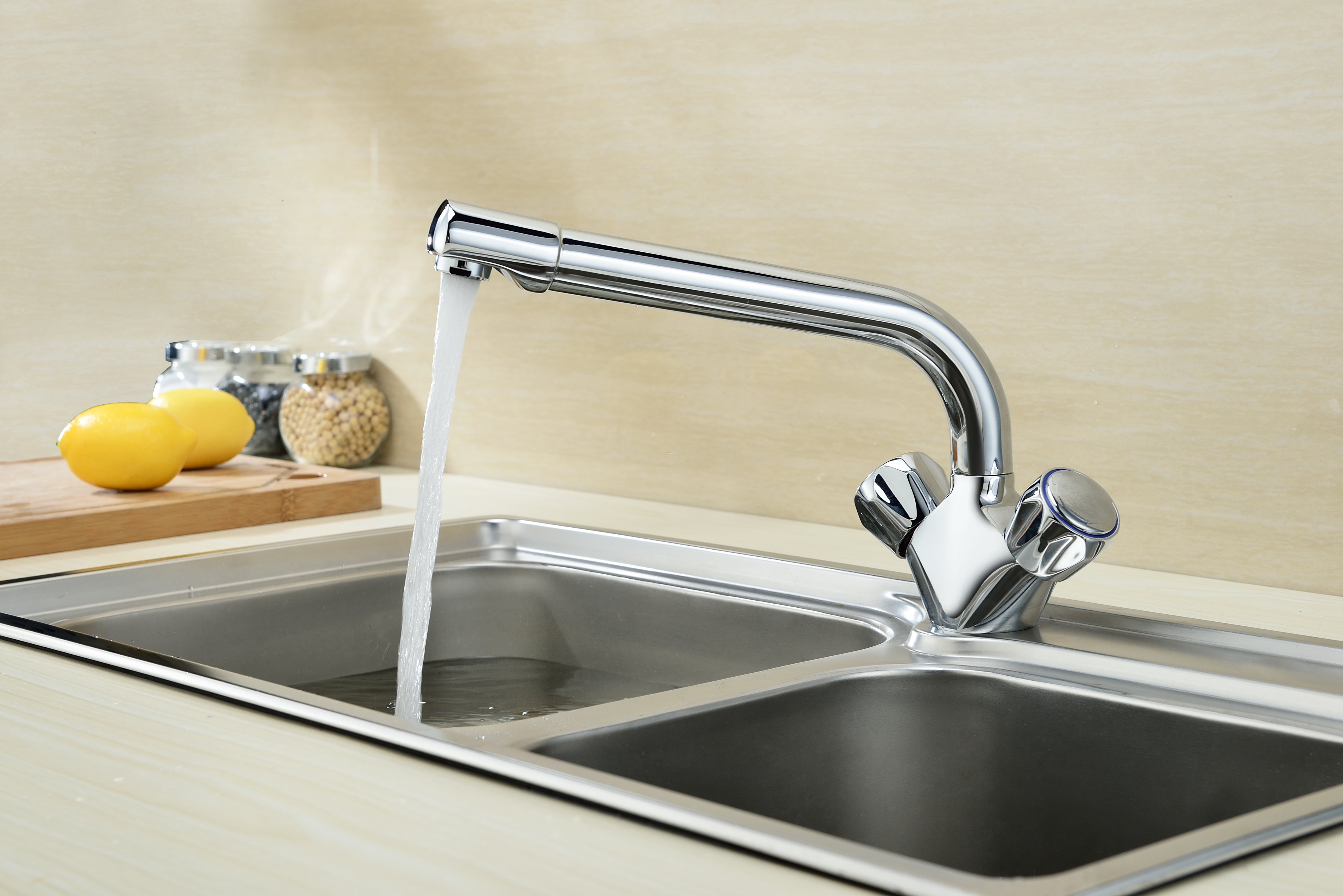
Selecting the right kitchen faucets and thermostatic valves for boutique hotels requires a strategic understanding of guest comfort, operational efficiency, and regulatory compliance. Boutique hotels prioritize personalized experiences, and plumbing systems play a critical role in delivering consistent water temperature control across guest rooms, bathrooms, and dining facilities. High-precision thermostatic valves ensure reliable performance while minimizing water waste and energy consumption. This selection process involves evaluating technical specifications, installation requirements, and long-term maintenance considerations that directly impact guest satisfaction and operational costs.
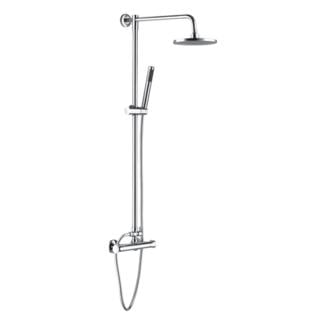
High-precision thermostatic valves represent an investment in guest experience and operational excellence. Unlike standard mixing valves, these systems maintain precise temperature stability regardless of fluctuating supply pressures. For boutique hotels, where attention to detail distinguishes your property from competitors, thermostatic valve selection directly influences guest reviews, repeat bookings, and brand reputation. Understanding how to evaluate kitchen faucets, valve materials, temperature ranges, and response times will help you make informed decisions that align with your hotel's service standards and budget constraints.
Understanding Thermostatic Valve Performance Requirements
Temperature Stability and Guest Safety
Guest safety is paramount in boutique hotel environments. High-precision thermostatic valves prevent scalding by automatically adjusting water temperature within narrow tolerances, typically maintaining deviations of less than 1 to 2 degrees Celsius. This precision is essential in shower systems, where sudden pressure changes from other plumbing draws could otherwise cause dangerous temperature spikes. When evaluating kitchen faucets and thermostatic valve options, confirm that models meet or exceed international safety standards such as EN 1287 or ASSE 1016, which establish maximum water temperature limits and performance benchmarks for thermostatic mixing devices.
Flow Rate and Pressure Compensation
Boutique hotels require thermostatic valves capable of handling variable flow rates while maintaining consistent outlet temperatures. High-precision thermostatic valves incorporate pressure-compensating mechanisms that respond instantly to changes in inlet pressure from either hot or cold supply lines. This functionality ensures that shower pressure remains steady even when multiple fixtures draw water simultaneously throughout the property. Kitchen faucets and other plumbing fixtures rely on this compensation to deliver predictable performance, which enhances the guest experience and reduces maintenance complaints related to temperature inconsistency.
Key Selection Criteria for Boutique Hotel Applications
Material Quality and Corrosion Resistance
The materials used in thermostatic valve construction directly influence durability and long-term reliability. High-precision thermostatic valves often feature brass bodies with nickel-plated finishes, stainless steel components, or advanced polymer internals that resist scale buildup and corrosion from hard water. Boutique hotels typically maintain their properties for extended periods, making material selection critical for minimizing replacement cycles and service interruptions. When comparing kitchen faucets alongside thermostatic valve systems, prioritize models with proven corrosion resistance in hospitality environments. Consistent water quality testing and periodic inspection of internal valve components help preserve the precision characteristics that guests expect.
Temperature Adjustment Range and Accuracy
Effective thermostatic valve selection requires understanding the temperature range your boutique hotel requires across different zones and applications. High-precision thermostatic valves typically offer adjustable outlet temperatures ranging from 35 to 60 degrees Celsius, with some models providing even wider ranges. The accuracy of temperature maintenance becomes more critical in shower and bathing applications, where users expect immediate response to adjustment. Kitchen faucets and washing stations may tolerate slightly broader temperature ranges but still benefit from precision control to optimize comfort and energy efficiency. Select valve models with clearly marked temperature adjustment mechanisms that staff can easily configure and guests can operate intuitively.
Installation and Integration Considerations
Plumbing Infrastructure and Compatibility
Integrating high-precision thermostatic valves into existing or new boutique hotel plumbing systems requires careful assessment of water supply configuration, pipe sizing, and pressure characteristics. Thermostatic valve performance depends on adequate pressure differentials between hot and cold supply lines; systems with insufficient pressure may not achieve optimal temperature control. When selecting kitchen faucets and other fixtures to pair with thermostatic valves, confirm compatibility regarding connection types, thread sizes, and mounting configurations. Some boutique hotels operate decentralized hot water systems with individual point-of-use heaters, which may require different valve selection criteria than centralized boiler-based systems. Consulting with a qualified plumbing engineer ensures that valve selection aligns with your property's specific infrastructure and performance requirements.
Installation Complexity and Staff Training
High-precision thermostatic valves demand proper installation procedures to function optimally. Incorrect mounting orientation, insufficient flushing of supply lines, or inadequate strainer maintenance can compromise precision performance. Boutique hotels should budget for professional installation by technicians experienced with thermostatic valve systems. Post-installation, training your maintenance staff on routine inspection, temperature testing, and seasonal adjustment procedures ensures consistent guest experience throughout the property. Kitchen faucets and other fixtures connected downstream should be checked periodically to verify that thermostatic valves continue delivering the intended temperature stability. Establishing preventive maintenance schedules extends valve lifespan and prevents emergency repairs during peak guest occupancy periods.
Cost-Benefit Analysis and Long-Term Value
Energy Efficiency and Operating Cost Reduction
High-precision thermostatic valves reduce energy consumption by preventing unnecessary mixing of excessively hot supply water with cold water to achieve comfortable outlet temperatures. By maintaining precise temperature control, these systems minimize thermal losses and reduce the load on your property's water heating infrastructure. Boutique hotels typically consume significant hot water volumes across guest rooms, laundry facilities, and dining areas; precision valve selection directly impacts monthly utility costs. Kitchen faucets equipped with flow restrictors paired with thermostatic valves further enhance water and energy savings without noticeably affecting guest comfort. Over a five to ten-year period, investment in high-precision thermostatic valves often pays for itself through reduced heating costs and decreased maintenance expenses.
Guest Satisfaction and Brand Reputation
Guest reviews frequently mention plumbing reliability and water temperature consistency as factors influencing hotel ratings. By implementing high-precision thermostatic valves throughout your boutique property, you deliver the reliable comfort experience that discerning guests expect. Thermostatic valve failures or erratic temperature control can quickly generate negative reviews and damage your property's reputation. Kitchen faucets and shower systems that consistently deliver stable, comfortable temperatures contribute to positive guest feedback and increase the likelihood of repeat bookings and referrals. The intangible value of guest satisfaction and word-of-mouth marketing often justifies the higher upfront cost of premium thermostatic valve systems.
Maintenance and Ongoing Performance Management
Routine Inspection and Testing Protocols
High-precision thermostatic valves require periodic inspection to ensure continued accuracy and safety compliance. Establish quarterly testing procedures where staff measure outlet temperatures under various flow conditions using calibrated thermometers. Scale or mineral deposits can accumulate inside valve cavities, reducing responsiveness; descaling procedures extend valve lifespan significantly. Kitchen faucets and aerators should be cleaned regularly to prevent debris from entering thermostatic valve systems. Document all maintenance activities, including temperature readings, cleaning dates, and any adjustments made, to create an audit trail demonstrating compliance with hospitality health and safety regulations. This proactive approach prevents guest complaints and protects your property's liability profile.
Troubleshooting Common Issues
Even high-precision thermostatic valves occasionally develop performance issues that require diagnosis and correction. Common problems include temperature drift where outlet water becomes progressively cooler or warmer over time, indicating possible internal wear or scale buildup. Reduced flow rates may signal strainer clogging or internal valve obstruction. If guests report sudden temperature swings, check supply line pressures and verify that both hot and cold connections maintain proper pressure ratios. Kitchen faucets and other fixtures downstream should be inspected for leaks or dripping, which may indicate valve deterioration. Many issues can be resolved through descaling, strainer replacement, or simple pressure adjustments without requiring complete valve replacement, preserving budget and minimizing service disruptions.
FAQ
What temperature range is most appropriate for boutique hotel thermostatic valves?
Most boutique hotels benefit from high-precision thermostatic valves set between 40 to 50 degrees Celsius for general guest use. Shower applications typically operate at approximately 40 to 48 degrees Celsius for comfort without scalding risk. Some properties maintain separate zone temperatures for different applications, such as slightly warmer settings for hand washing and dining facilities. Kitchen faucets and wash stations may operate at the lower end of the range to reduce energy consumption while maintaining adequate cleaning effectiveness. Consult with your plumbing engineer and local health regulations to determine the optimal temperature range for your specific property configuration and climate conditions.
How often should high-precision thermostatic valves be serviced or replaced?
High-precision thermostatic valves typically require professional servicing every 12 to 24 months, depending on water hardness and supply conditions. Regular descaling and strainer cleaning during service intervals prevent performance degradation and extend valve lifespan significantly. Well-maintained thermostatic valve systems can provide reliable service for seven to ten years or longer before requiring replacement. Kitchen faucets connected to thermostatic valve systems may require more frequent aerator cleaning, particularly in hard water regions. Establish a preventive maintenance schedule aligned with your property's maintenance calendar to ensure consistent guest experience and minimize emergency repair costs.
Can existing boutique hotel plumbing systems be retrofitted with high-precision thermostatic valves?
Many existing boutique hotel plumbing systems can be retrofitted with high-precision thermostatic valves, though the extent of modifications depends on current piping configuration and supply pressure characteristics. Decentralized installations may require localized thermostatic valve installation at individual fixtures, while centralized systems benefit from main-line valve installation upstream of distribution networks. Kitchen faucets and other fixtures may require adapter installation or connection modifications to accommodate thermostatic valve integration. Professional assessment by a plumbing contractor experienced with hospitality applications ensures that retrofits comply with building codes and deliver expected performance improvements. Budget considerations should account for installation labor, necessary piping modifications, and potential water supply testing to confirm pressure compatibility before undertaking retrofit projects.