 EN

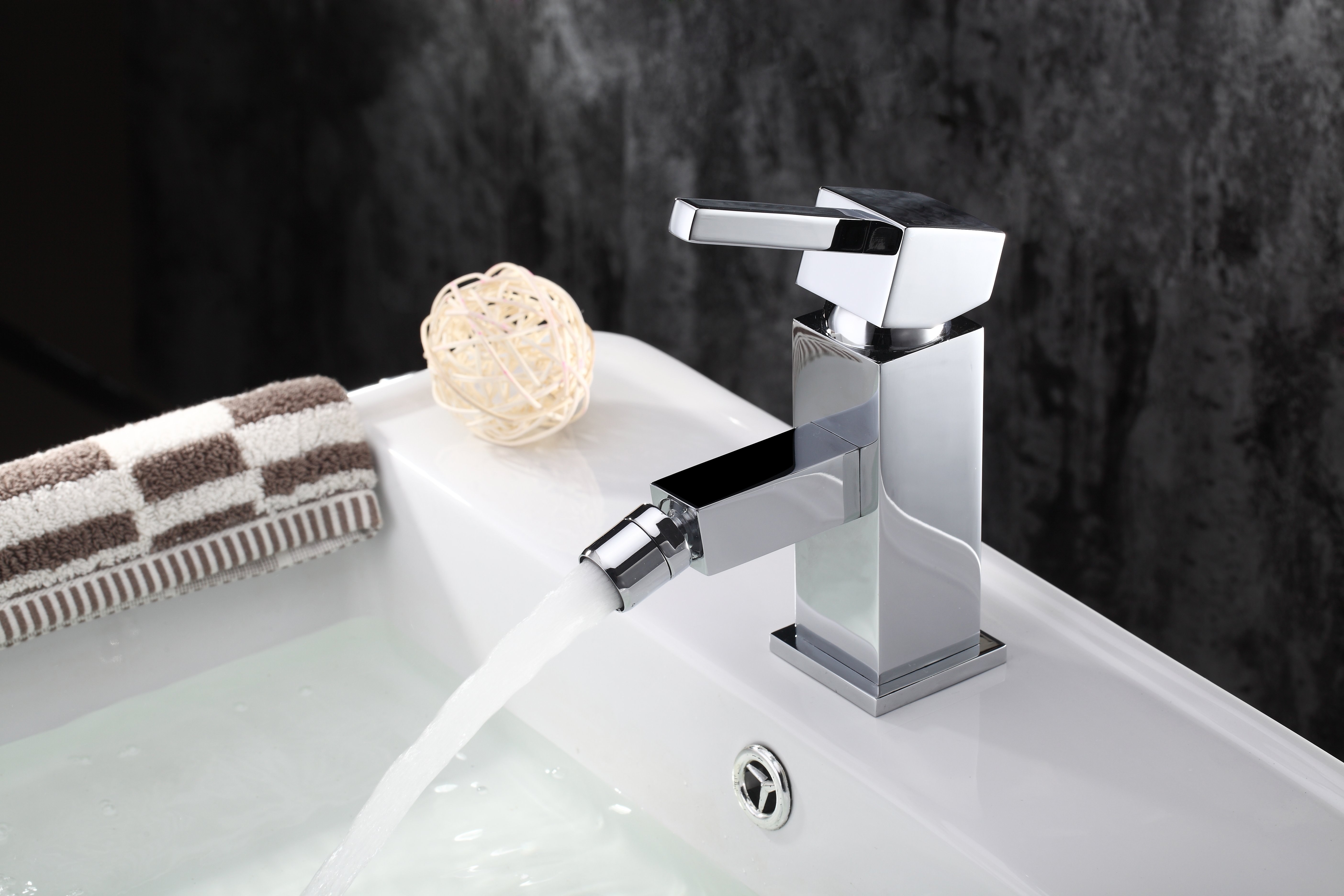
Large buildings face unique challenges when maintaining consistent indoor temperatures across multiple zones, floors, and occupancy patterns. A brass tap with thermostatic capabilities represents a practical solution for addressing temperature fluctuations that can compromise occupant comfort and operational efficiency. Understanding how a brass tap functions within heating and cooling systems helps facility managers make informed decisions about retrofit projects and new construction specifications.
The mechanism behind a brass tap designed for thermostatic operation relies on temperature-sensitive components that automatically adjust water or fluid flow rates in response to environmental changes. This automatic adjustment capability means a brass tap can respond faster than manual valve controls, reducing temperature swings and maintaining occupant comfort without constant human intervention. For large buildings with complex piping networks, this self-regulating behavior significantly reduces energy waste and operational labor costs.
How Thermostatic Valves Maintain Temperature Stability
Temperature-Sensing Mechanism in Brass Tap Design
A modern brass tap incorporates a wax element or bimetallic strip that expands or contracts based on fluid temperature changes. When the brass tap detects rising temperatures, the sensing element pushes against internal ports, gradually restricting flow and cooling the downstream system. Conversely, when temperatures drop, the brass tap sensing element relaxes, increasing flow to restore heat output. This proportional response creates a self-modulating system where the brass tap continuously fine-tunes fluid delivery without external control signals.
In large buildings, this capability proves invaluable because different zones experience different solar loads, occupancy patterns, and heat generation profiles throughout the day. A brass tap installed at the supply line feeding each zone can independently maintain its target temperature without affecting other areas. This zone-level autonomy prevents the common problem of overheating one floor while underheating another, which wastes energy and frustrates occupants across large buildings.
Response Speed and Accuracy Benefits
The brass tap achieves response times typically between 10 and 20 minutes from initial temperature change to stable output, depending on thermal mass and piping configuration. This relatively fast response compared to traditional thermostatic controls means occupant complaints about temperature swings decrease significantly. For large buildings where manual adjustments require maintenance visits and administrative coordination, a brass tap reduces response time from hours or days to automatic adjustment within minutes.
Accuracy in large buildings matters because even small temperature deviations accumulate across hundreds of rooms and thousands of square meters. A brass tap typically maintains temperature within plus or minus 2 degrees Celsius of the setpoint, which falls well within comfort standards for commercial and residential applications. This precision prevents thermal stratification where upper floors become excessively warm while lower zones remain cool, a common inefficiency in tall buildings without zone-level temperature control.
Installation and Integration Challenges in Large Buildings
Piping Configuration and Location Strategy
Installing a brass tap in large buildings requires careful planning about where to position control points within the distribution network. Technicians must identify major branch lines serving distinct zones and install a brass tap at each branch takeoff point to ensure independent temperature maintenance. The brass tap works most effectively when located close enough to served spaces that response time remains acceptable, yet distant enough that pipe insulation prevents external temperature swings from confusing the sensing element.
In existing large buildings undergoing retrofits, adding a brass tap often means cutting into established piping runs, which requires system shutdown and water drainage. Planning these installations during scheduled maintenance windows minimizes operational disruption. For new construction in large buildings, specifying a brass tap during design phase allows architects and engineers to position the valve at optimal locations where it can reliably serve entire zones or floor segments.
Compatibility with Existing Control Systems
A brass tap operates independently without requiring connection to building management systems or electronic controls, which simplifies integration into older large buildings with legacy HVAC infrastructure. However, modern large buildings often employ automated building management systems that benefit from feedback about actual temperatures maintained by the brass tap. This creates a hybrid approach where the brass tap provides passive temperature maintenance while building sensors monitor outcomes and adjust setpoints if facility managers detect emerging issues.
The brass tap integrates seamlessly with both analog and modern digital building control architectures because it functions as a reliable mechanical device regardless of the control environment. This compatibility advantage means large buildings can implement brass tap solutions without expensive system rewrites or technology upgrades, making retrofit projects more cost-effective and reducing implementation timelines.
Energy Efficiency and Operational Cost Reduction
Reduced Heating and Cooling Waste
Large buildings typically consume significant energy overheating or overcooling spaces to maintain acceptable average temperatures across diverse zones. A brass tap eliminates this inefficiency by preventing supply fluid temperature from exceeding what downstream spaces actually require. Instead of central systems pushing high-temperature fluid everywhere and then wasting energy through mixing valves and bypass loops, a brass tap modulates supply flow proportionally, matching output to actual demand zone by zone.
Real-world monitoring in large buildings shows that installations of properly configured brass tap systems reduce heating energy consumption by 15 to 25 percent and cooling energy by 10 to 20 percent, depending on building design and climate conditions. These reductions accumulate across thousands of square meters, translating to substantial annual cost savings. For a large building operating 24 hours daily, the energy cost reduction alone often justifies the capital investment in a comprehensive brass tap retrofit within 3 to 5 years.
Labor Cost Reduction and Simplified Maintenance
Facility managers in large buildings typically spend considerable time responding to occupant complaints about temperature discomfort, which requires technicians to visit spaces, diagnose problems, and adjust central controls or manual valves. A brass tap eliminates most of these routine adjustments because the valve automatically maintains target temperatures without manual intervention. This shift from reactive temperature management to passive maintenance frees facility staff to focus on equipment inspections, preventive maintenance, and strategic upgrades rather than daily comfort complaints.
The brass tap itself requires minimal maintenance because it contains no electronic components susceptible to failure and no moving parts requiring frequent lubrication. Periodic inspection ensures that flow paths remain clear and the temperature-sensing element responds properly, but most large buildings find annual or biennial inspections sufficient for reliable operation. This low-maintenance profile contrasts with complex electronic thermostatic systems requiring regular recalibration and software updates, making the brass tap particularly attractive for large buildings with lean maintenance budgets.
FAQ
Can a brass tap alone control temperature in a large building without additional equipment?
A brass tap can effectively maintain temperature in individual zones or branch segments of large buildings, but typically works best as part of a layered control strategy. For maximum effectiveness, large buildings should combine a brass tap with central boiler or chiller controls that adjust supply temperature based on overall building demand. The brass tap then fine-tunes zone-level delivery, creating a system where central equipment efficiency improves while individual zones stay comfortable regardless of varying demand patterns.
What is the expected lifespan of a brass tap in continuous operation within large buildings?
A properly installed and maintained brass tap typically delivers 10 to 15 years of reliable service in large buildings, with some installations exceeding 20 years. The brass tap longevity depends on water quality, maintenance practices, and operating conditions, but the lack of complex electronics means failure risk remains low compared to digital thermostatic devices. Large buildings investing in water treatment systems to protect all HVAC components extend brass tap lifespan and ensure optimal performance throughout its service life.
How does a brass tap perform in large buildings with significant temperature swings between seasons?
A brass tap performs exceptionally well during seasonal transitions because its response mechanism automatically adjusts to changing supply temperatures without requiring manual thermostat recalibration. As external weather changes, the brass tap sensing element adapts proportionally, maintaining consistent room temperatures even as central system setpoints shift. Large buildings in climates with dramatic seasonal variation report that brass tap installations eliminate the temporary comfort problems that typically occur during spring and fall changeover periods.