 EN

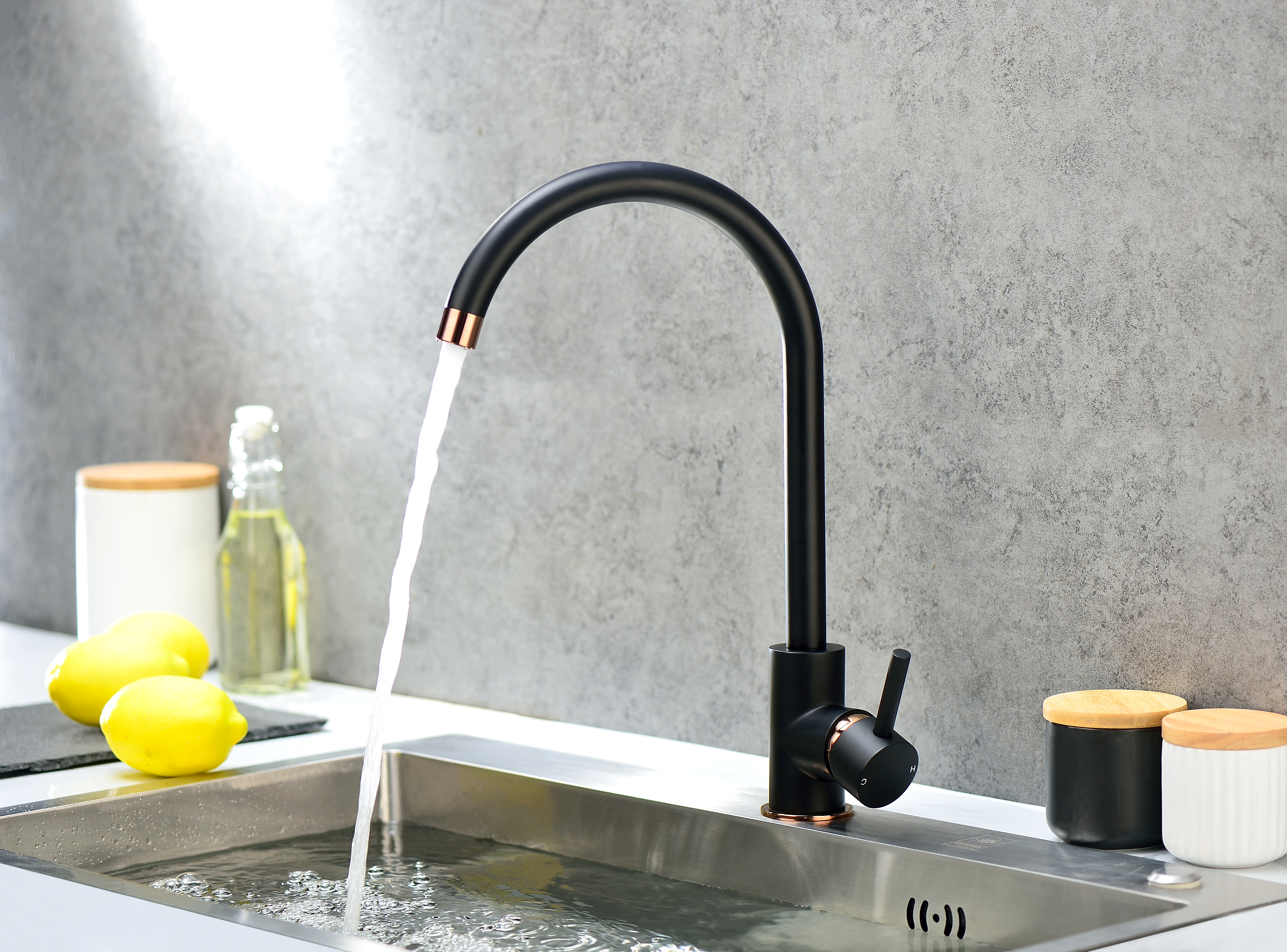
Selecting the right kitchen faucets for multi-family housing units requires understanding durability standards, tenant usage patterns, and long-term maintenance costs. Professional kitchen faucets designed for residential buildings must balance performance with affordability while meeting building codes and plumbing regulations. Multi-family properties face unique challenges: high-volume water usage, diverse tenant maintenance practices, and the need for reliable operation across dozens or hundreds of units. Choosing appropriate kitchen faucets influences tenant satisfaction, reduces emergency repairs, and protects your property investment.

Professional kitchen faucets for multi-family housing differ from standard residential fixtures in material composition, spray performance, and durability ratings. These kitchen faucets are engineered to withstand repeated daily use in rental environments where maintenance protocols may vary between units. Understanding the key differences between residential and professional-grade kitchen faucets helps property managers make informed purchasing decisions that reduce replacement cycles and tenant complaints.
Understanding Professional-Grade Kitchen Faucets for Multi-Family Applications
Material Composition and Durability Standards
Professional kitchen faucets typically feature solid brass bodies with chrome, stainless steel, or brushed nickel finishes. These materials resist corrosion from hard water, mineral deposits, and chemical cleaning products commonly used in rental units. The internal components of quality kitchen faucets include ceramic disk cartridges or multi-turn valve systems that maintain consistent water flow even after thousands of on-off cycles. Kitchen faucets with solid brass construction outlast budget alternatives by three to five years, reducing replacement frequency and associated labor costs in multi-family properties.
Water Pressure and Flow Rate Considerations
Building codes in most regions mandate maximum flow rates of 2.2 gallons per minute for kitchen faucets, yet professional kitchen faucets maintain optimal spray patterns and pressure distribution within this limitation. Water pressure in multi-family buildings fluctuates based on occupancy and time of day, so kitchen faucets must include pressure-balancing or temperature-control features that prevent sudden changes. Professional kitchen faucets with integrated aerators reduce splashing while maintaining adequate pressure for cleaning dishes and cookware. Testing kitchen faucets under variable pressure conditions ensures consistent performance across all units in your building.
Key Selection Criteria for Multi-Family Housing Units
Installation Compatibility and Configuration Options
Multi-family housing units employ standardized sink configurations with single-hole or three-hole deck-mounted installations. Before selecting kitchen faucets, verify whether existing plumbing accommodates your chosen configuration without extensive modifications. Professional kitchen faucets come with mounting hardware, supply lines, and installation instructions that facilitate quick replacement or repair in busy rental properties. Single-handle kitchen faucets simplify use across diverse tenant populations and reduce maintenance points compared to two-handle designs. Verify that kitchen faucets meet ADA accessibility standards if your property serves residents with mobility challenges.
Spray Head and Handle Design for High-Traffic Environments
Kitchen faucets with pull-down or pull-out spray heads offer superior functionality in multi-family kitchens where tenants appreciate modern amenities. These spray options increase tenant satisfaction and support contemporary cooking practices while maintaining the durability required for professional kitchen faucets. Lever handles prove more ergonomic and tenant-friendly than knobs, particularly for older residents or individuals with limited hand mobility. Select kitchen faucets with secure handle attachments and reinforced spout bases, as high-usage environments stress these connection points more severely than typical residential kitchens.
Maintenance Access and Repair Parts Availability
Professional kitchen faucets must have readily available replacement cartridges, aerators, and internal components to minimize downtime when repairs become necessary. Choose kitchen faucets from manufacturers with established distribution networks and documented part availability extending beyond five years. Easy-to-access cartridges and simple disassembly procedures reduce labor time for maintenance staff, lowering emergency repair costs in multi-family properties. Kitchen faucets with modular design allow isolated component replacement rather than complete fixture substitution, extending overall fixture lifespan and reducing waste.
Compliance, Testing, and Performance Standards
Building Code Compliance and Certification Requirements
Kitchen faucets installed in multi-family housing must comply with local plumbing codes, NSF/ANSI standards, and lead-free certification requirements. Professional kitchen faucets should carry WaterSense or similar efficiency certifications demonstrating compliance with water conservation regulations. Documentation from manufacturers confirming kitchen faucets meet applicable standards protects your property from compliance violations and potential fines. Verify that kitchen faucets include required shut-off valves and backflow prevention devices mandated by building codes in your jurisdiction.
Warranty Terms and Manufacturer Support
Professional kitchen faucets should include manufacturer warranties covering defects in materials and workmanship for five to ten years. Extended warranties or commercial-grade service agreements provide additional protection for multi-family properties managing dozens of identical units. Review warranty documentation carefully to understand coverage limitations and exclusions that might affect your maintenance budget. Kitchen faucets backed by responsive manufacturer support ensure faster problem resolution when issues arise in your rental units.
Implementation and Long-Term Cost Management
Installation Standards and Professional Contractor Selection
Proper installation of kitchen faucets significantly impacts performance longevity and minimizes leaks that drive tenant complaints. Hire licensed plumbers familiar with multi-family installation requirements and local building codes to install kitchen faucets correctly. Professional installation includes proper supply line connections, bracket positioning, and aerator settings that optimize kitchen faucets performance. Budget adequate time for quality installation of kitchen faucets rather than rushing replacements, as poor installation compromises durability and customer satisfaction.
Preventive Maintenance Protocols for Extended Fixture Life
Establish standardized cleaning and maintenance procedures for kitchen faucets across all units to prevent premature wear. Train maintenance staff on proper aerator cleaning schedules, cartridge flushing protocols, and handle adjustment techniques that preserve kitchen faucets functionality. Document maintenance activities and schedule preventive cartridge replacement before failures occur in high-usage properties. Implement tenant communication programs educating residents on proper faucet operation and minor maintenance steps that protect kitchen faucets and reduce emergency calls.
FAQ
What makes professional kitchen faucets different from standard residential faucets?
Professional kitchen faucets feature heavier brass construction, enhanced ceramic cartridges, and reinforced connections designed for high-usage environments. Standard residential kitchen faucets employ lighter materials and simpler internal mechanisms appropriate for single-family homes with lower daily usage. Professional kitchen faucets maintain consistent performance through years of heavy use in multi-family settings where usage patterns remain unpredictable and maintenance varies.
How often should kitchen faucets be replaced in multi-family housing?
Quality professional kitchen faucets typically last seven to twelve years in multi-family properties with proper maintenance and occasional cartridge replacement. Budget cycles for replacing kitchen faucets align with broader kitchen renovation schedules or when repair costs exceed replacement value. Regular inspection and preventive maintenance of kitchen faucets extend fixture lifespan and reduce unexpected failures during peak occupancy periods.
Which certifications should I verify when selecting kitchen faucets?
Look for NSF/ANSI certification, WaterSense labels, and lead-free compliance documentation when evaluating professional kitchen faucets. These certifications confirm that kitchen faucets meet health, safety, and environmental standards required for multi-family residential applications. Verify that kitchen faucets carry local plumbing code approval from your jurisdiction to ensure hassle-free inspections and compliance confirmation.