 EN

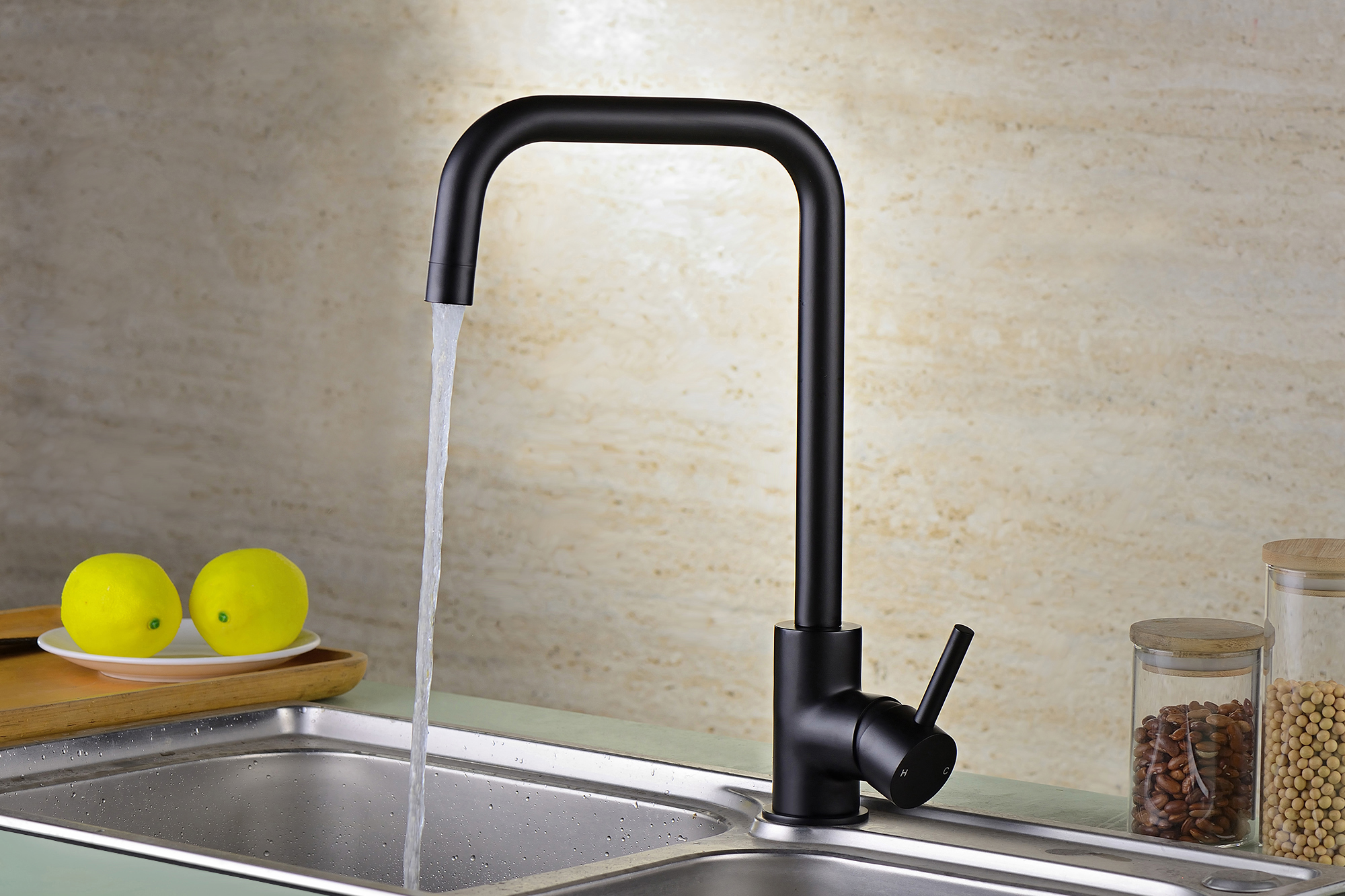
Kitchen faucets endure constant daily stress in residential and commercial environments, making regular maintenance essential to prevent costly leaks. A black tap, like many modern kitchen fixtures, requires proactive care strategies to maintain performance and longevity. Understanding the mechanics of your black tap system helps identify early warning signs before minor issues escalate into significant water waste and structural damage. Proper maintenance of your black tap not only preserves water resources but also reduces utility bills and extends equipment lifespan considerably.

High-frequency kitchen use demands that your black tap withstand hundreds of daily cycles of opening and closing, temperature fluctuations, and mineral-laden water exposure. A black tap that leaks even slightly can waste thousands of gallons annually, while addressing maintenance issues early prevents emergency repairs. The internal components of your black tap, including cartridges, seals, and aerators, deteriorate gradually through normal wear, requiring systematic inspection and replacement protocols.
Understanding Common Black Tap Failure Points
Cartridge Degradation in Black Tap Systems
The cartridge represents the heart of modern black tap functionality, controlling water flow and temperature regulation through precisely engineered internal passages. As your black tap experiences prolonged use, mineral deposits accumulate inside the cartridge, restricting smooth operation and causing drips. High-temperature water exposure accelerates cartridge degradation, making regular flushing and eventual replacement critical maintenance tasks. A deteriorating black tap cartridge produces inconsistent water temperature control and weak flow patterns before complete failure occurs. Identifying cartridge wear in your black tap early allows planned replacement rather than emergency intervention.
Seal and Gasket Wear in Black Tap Maintenance
Rubber seals and gaskets within your black tap create watertight connections between components, yet these materials degrade naturally over time. Water exposure, pressure fluctuations, and mineral contact cause seals in your black tap to harden, crack, and lose effectiveness. A black tap experiencing consistent dripping from the base usually indicates seal failure requiring immediate attention. Seasonal temperature changes in kitchens accelerate seal deterioration, particularly in regions with significant climate variation. Regular seal inspection in your black tap prevents secondary damage to countertops and cabinetry underneath the fixture.
Routine Maintenance Strategies for Black Tap Protection
Daily and Weekly Black Tap Care Practices
Establishing consistent daily habits significantly extends your black tap lifespan and prevents accumulation of damaging debris. After each use, wipe your black tap with a soft cloth to remove water spots, soap residue, and mineral deposits that accelerate corrosion. Weekly deep cleaning of your black tap using mild vinegar solution dissolves mineral buildup without scratching the finish or damaging internal components. Check water pressure regularly by observing flow consistency, as pressure spikes can damage seals within your black tap. Avoid using harsh abrasive cleaners on your black tap surface, as these products degrade protective coatings and create micro-scratches that trap bacteria.
Aerator Cleaning and Cartridge Inspection for Black Tap Systems
The aerator at the tip of your black tap filters debris and regulates water pressure, yet mineral accumulation blocks flow and creates unusual spray patterns. Monthly aerator removal and cleaning prevents water pressure loss and maintains consistent stream performance from your black tap. Unscrew the aerator from your black tap carefully, soak it in vinegar for several hours, then brush away deposits with a soft brush and rinse thoroughly. While the aerator sits in vinegar, inspect visible internal components of your black tap for corrosion, discoloration, or debris signs. Reassemble your black tap aerator carefully to avoid cross-threading, which damages the fixture and creates new leak pathways.
Emergency Response and Preventive Replacement Protocols
Identifying Leak Origins in Your Black Tap System
Distinguishing between drips originating from the black tap spout versus the base connection determines appropriate remedial action and urgency level. Spout drips in your black tap typically indicate cartridge failure or aerator blockage, both manageable without professional intervention. Base leaks from your black tap suggest seal failure or valve seat degradation, potentially requiring cartridge or entire fixture replacement. Placing paper towels under your black tap pinpoints exact leak locations before water damage spreads to surrounding structures. Recording leak patterns helps plumbers diagnose problems with your black tap more efficiently when professional service becomes necessary.
Planning Preventive Replacement and Professional Servicing
Most kitchen faucets, including quality black tap models, function optimally for seven to ten years before cartridge replacement becomes necessary. Scheduling preventive cartridge replacement in your black tap before failure occurs eliminates unexpected water damage and emergency repair costs. black tap systems benefit from professional inspection every two years in high-use commercial kitchens or five years in residential settings. Plumbers can evaluate internal wear in your black tap using specialized tools that customers cannot access, ensuring accurate diagnosis. Maintaining detailed maintenance records for your black tap creates a documented service history valuable for warranty claims and future resale value documentation.
FAQ
How often should I replace the cartridge in my black tap?
Cartridge replacement intervals depend on water hardness, usage frequency, and water temperature in your kitchen. In residential applications with normal mineral content, replace your black tap cartridge every seven to ten years, or sooner if you notice temperature control problems or weak flow. High-use commercial kitchens with water softeners may extend black tap cartridge lifespan to twelve years, while hard water areas might require replacement every five years for your black tap to function optimally.
Can mineral deposits inside my black tap be removed without replacing components?
Minor mineral accumulation in your black tap can often be addressed through vinegar soaking and flushing procedures that dissolve deposits without component replacement. Soak your black tap's removable aerator in white vinegar for four to eight hours monthly, then brush and rinse thoroughly to maintain flow rates. For internal mineral buildup in your black tap, run hot vinegar solution through the spout for several minutes, then flush with clean water repeatedly until your black tap operates smoothly again.
What warning signs indicate my black tap needs professional service?
Continuous dripping despite aerator cleaning signals that your black tap requires professional cartridge assessment or replacement. Temperature inconsistencies where your black tap produces hot water unexpectedly or lacks adequate temperature control suggest cartridge degradation needing expert diagnosis. Leaking from under the sink where your black tap connects to supply lines indicates seal failure requiring immediate professional attention to prevent water damage and mold growth in cabinet spaces.