 EN
EN

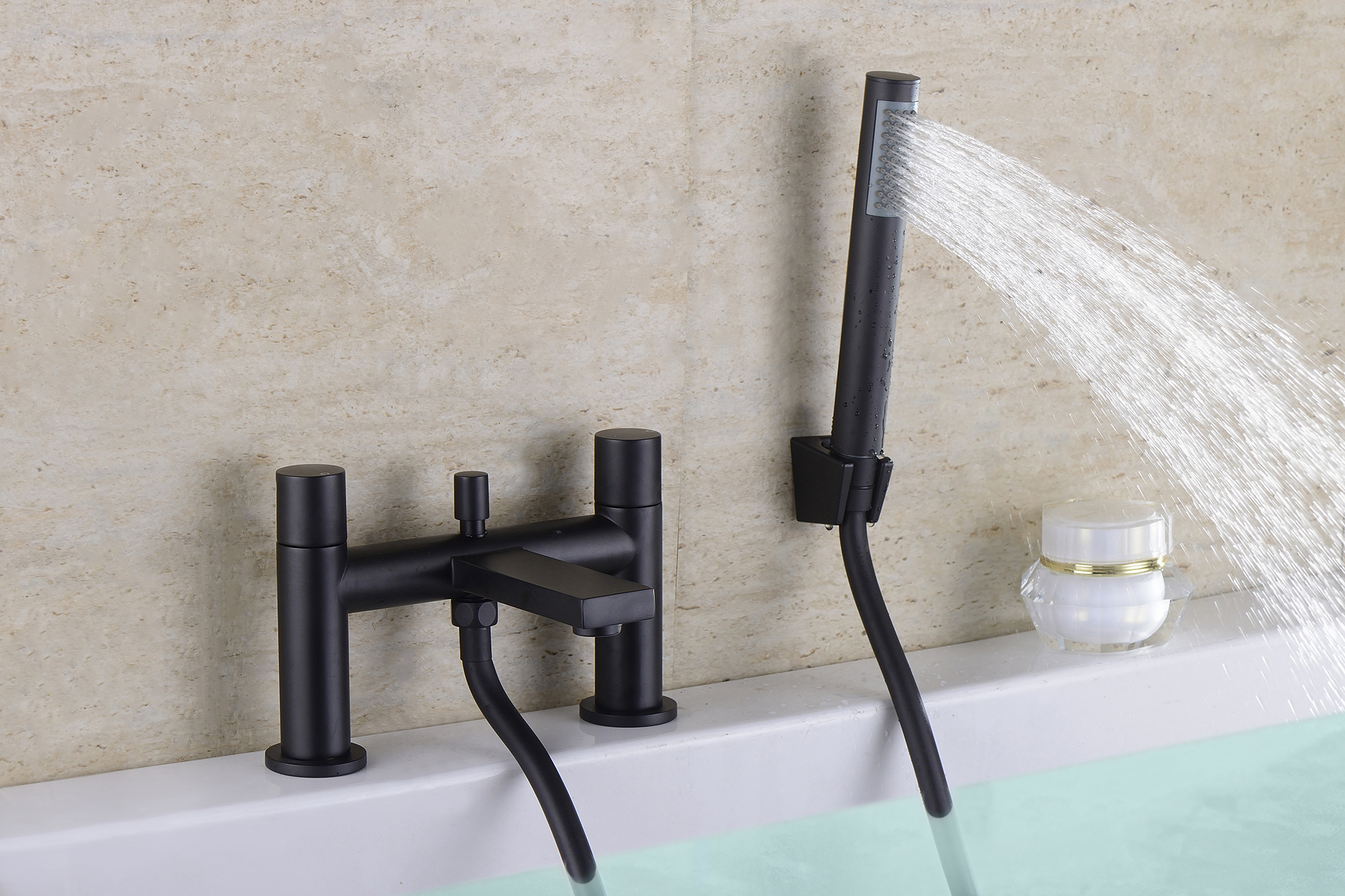
When selecting fixtures for high-pressure water systems, the structural design of your black tap plays a critical role in performance and longevity. A black tap engineered for high-pressure environments offers distinct advantages over standard installations, combining material integrity with precision engineering to handle demanding flow rates and temperature fluctuations. Understanding these structural benefits helps facility managers, engineers, and installers make informed decisions that protect infrastructure investment and ensure reliable water delivery.
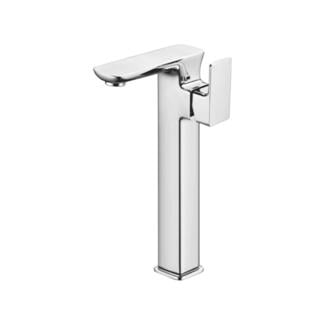
The structural design of a black tap incorporates multiple reinforcement features specifically engineered to withstand sustained pressure cycles. These taps utilize thicker internal passages, fortified valve bodies, and strategic material distribution that creates superior resistance to stress fractures and catastrophic failure. In high-pressure applications where water delivery demands exceed standard residential systems, the black tap design ensures consistent performance while minimizing maintenance downtime and replacement costs across your facility.
Material Composition and Structural Integrity
Internal Reinforcement Design
The internal structure of a black tap is fundamentally different from conventional fixtures. A professional-grade black tap features reinforced valve seats, hardened ceramic disc cartridges, and densely engineered internal channels that distribute pressure forces evenly throughout the fixture body. This strategic material placement prevents stress concentration points where cracks typically initiate under high-pressure cycling. The black tap design extends service life significantly because pressure loads are absorbed across a wider structural matrix rather than concentrated in vulnerable zones.
Pressure Rating Specifications
A properly engineered black tap for high-pressure areas typically maintains structural integrity at pressures ranging from 0.05 to 1.0 megapascals, depending on specific system design. This elevated pressure rating distinguishes the black tap from standard residential fixtures designed for 0.3 to 0.5 megapascals. The structural advantages of a black tap become evident in applications serving multi-story buildings, industrial facilities, or regions with variable municipal water pressure. Testing protocols for a black tap include dynamic pressure cycling, thermal stress simulation, and material fatigue analysis to verify long-term reliability.
Durability Benefits in Demanding Environments
Thermal Stability and Stress Resistance
High-pressure systems generate thermal stress as water velocity increases and turbulence creates localized heating within the fixture passages. A black tap designed for high-pressure areas incorporates materials with superior thermal conductivity and controlled expansion coefficients that minimize differential stress between internal components. The structural advantages of a black tap include stable performance across temperature ranges from near freezing to elevated hot water applications. This thermal stability prevents the micro-cracking and seal degradation that compromise ordinary taps when subjected to rapid temperature cycling.
Flow Control and Pressure Stability
The structural integrity of a black tap allows engineers to design restrictive flow channels that maintain consistent outlet pressure even when municipal supply pressure fluctuates dramatically. A black tap incorporates regulating mechanisms integrated into the body structure, eliminating the need for external pressure regulators that add complexity and failure points. The black tap's internal geometry includes pressure-balancing ports and anti-scald mechanisms built directly into the valve structure, creating a monolithic pressure management system. This integrated design means the black tap performs reliably in areas experiencing pressure swings from 0.2 to 0.8 megapascals without operational instability.
Maintenance Accessibility and Serviceability
Component Modulation and Replacement Strategy
A properly designed black tap includes accessible cartridge systems and modular valve components that allow field technicians to perform repairs without complete fixture removal. The structural advantages of a black tap extend beyond pressure resistance to include practical serviceability in operational environments. When a black tap develops leakage or flow issues, cartridge replacement typically requires minimal downtime compared to complete fixture substitution. This modular approach to the black tap structure means facility managers can maintain consistent water service while repairs proceed, critical in institutional settings, healthcare facilities, and industrial operations.
Wear Pattern Predictability
The uniform structural design of a black tap creates predictable wear patterns that allow preventive maintenance scheduling based on operational data rather than reactive crisis response. A black tap operating in high-pressure areas typically shows consistent cartridge wear profiles, allowing maintenance teams to schedule cartridge replacement during planned facility downtime. The black tap's robust construction means seal degradation occurs gradually rather than catastrophically, providing advance warning before complete function loss. This predictability transforms maintenance from emergency-driven intervention into systematic planning, reducing overall facility operating costs.
FAQ
Why does a black tap outperform standard taps in high-pressure systems?
A black tap incorporates reinforced internal passages, fortified valve bodies, and pressure-regulating mechanisms engineered specifically for demanding environments. Standard residential taps lack the structural reinforcement required for sustained high-pressure cycling, leading to premature seal failure and component cracking. The black tap design distributes pressure forces evenly throughout the fixture, preventing stress concentration failures that compromise ordinary installations within months of high-pressure operation.
What pressure range can a professional black tap safely handle?
A high-performance black tap typically maintains structural integrity at pressures between 0.05 and 1.0 megapascals, significantly exceeding standard residential tap ratings. Specific pressure ratings depend on the black tap model and manufacturing specifications, but professional-grade designs account for pressure spikes and dynamic cycling common in commercial and institutional settings. Always verify the black tap pressure rating against your system specifications before installation to ensure appropriate structural capacity.
How does the black tap design improve maintenance efficiency?
A modular black tap incorporates accessible cartridge systems and integrated pressure management components that enable field repairs without complete fixture removal. The black tap's robust structure creates predictable wear patterns, allowing preventive maintenance scheduling rather than emergency response. Cartridge replacement in a well-designed black tap typically requires minimal facility downtime, making the black tap ideal for institutions requiring continuous water service during maintenance cycles.