 EN
EN

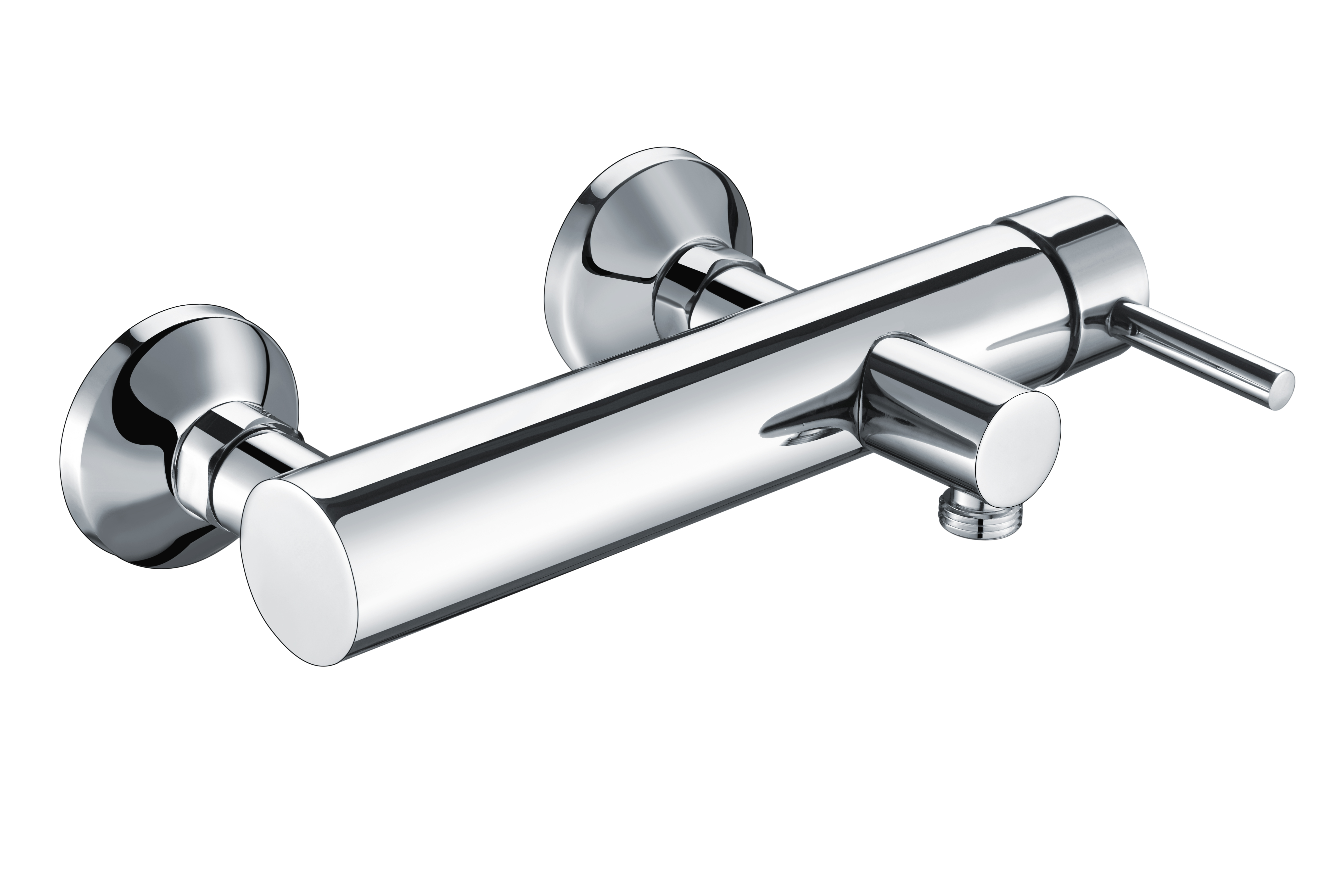
Essential Bathroom Faucet Characteristics for Commercial Applications
Selecting the right bathroom faucet for a business establishment requires careful consideration of multiple factors that go beyond mere aesthetics. Commercial spaces face unique challenges regarding durability, efficiency, and user experience that make the selection process particularly crucial. Whether equipping a hotel, restaurant, office building, or retail space, the chosen bathroom faucet must withstand frequent use while maintaining its functionality and appearance.
Modern bathroom faucet options have evolved significantly, incorporating advanced technologies and innovative designs that cater specifically to commercial needs. From touchless operation to water-saving features, today's market offers solutions that can significantly impact both operational costs and user satisfaction. Understanding these elements helps business owners make informed decisions that serve their specific requirements while ensuring long-term value.
Design and Aesthetic Considerations
Style and Brand Image Alignment
The bathroom faucet serves as more than just a functional element; it's an integral part of your business's visual identity. High-end hotels often select sophisticated bathroom faucet designs that complement their luxury positioning, while modern office spaces might opt for sleek, minimalist styles. The finish, whether chrome, brushed nickel, or matte black, should harmonize with the overall bathroom design and reflect your brand's aesthetic standards.
Contemporary businesses increasingly recognize that bathroom fixtures contribute to the overall customer experience. A well-chosen bathroom faucet can elevate the perceived value of your establishment and reinforce your brand's commitment to quality. Consider how the design elements align with your target market's expectations and your facility's architectural style.
Spout Design and Functionality
The spout's design directly impacts user convenience and maintenance requirements. Commercial spaces benefit from spouts that provide adequate clearance for handwashing while preventing water splash. Consider factors such as spout height, reach, and aerator design to ensure optimal performance in your specific setting.
Different business environments may require different spout configurations. Healthcare facilities often prefer gooseneck spouts for improved hygiene, while busy restaurants might benefit from shorter spouts that minimize water splashing. The key is selecting a design that balances practical functionality with your space constraints and user needs.
Durability and Construction Quality
Material Selection and Finish Durability
Commercial bathroom faucets must withstand constant use, making material quality paramount. Solid brass construction offers superior durability and resistance to corrosion, while ceramic disc valves ensure smooth operation and minimal maintenance. The finish should resist tarnishing, scratching, and daily cleaning chemicals.
Look for bathroom faucet options with commercial-grade finishes that maintain their appearance despite frequent use. PVD (Physical Vapor Deposition) finishes offer exceptional durability and are increasingly popular in high-traffic commercial settings. These advanced finishing techniques provide superior protection against wear and maintain their appearance significantly longer than traditional finishes.
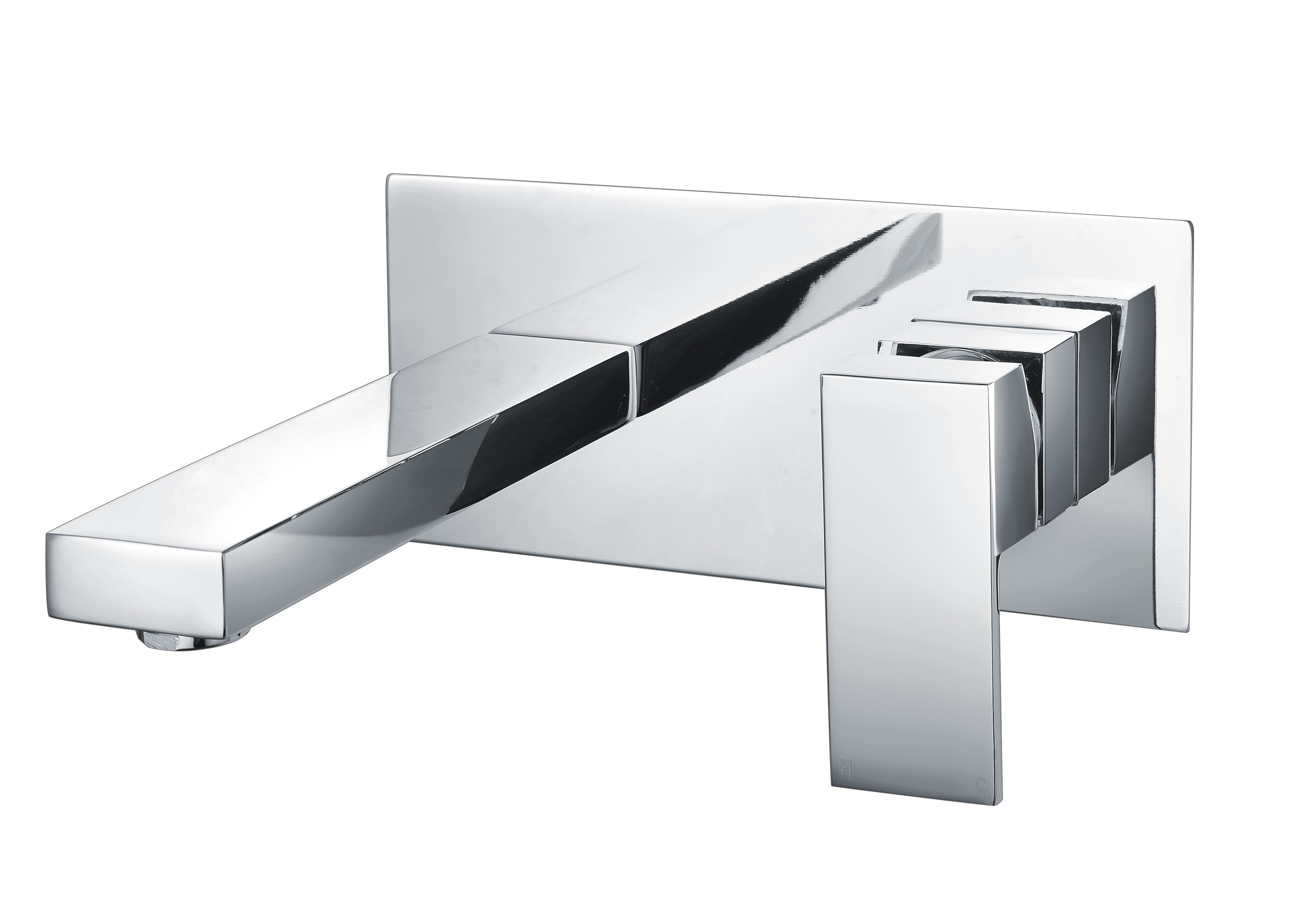
Internal Components and Warranty Coverage
The internal mechanisms of a bathroom faucet determine its longevity and maintenance requirements. Quality cartridges, valves, and seals are essential for preventing leaks and ensuring consistent performance. Commercial-grade faucets should feature easily replaceable parts and come with comprehensive warranty coverage.
Evaluate the manufacturer's warranty terms carefully, as they often reflect the product's expected lifespan and the company's confidence in their construction quality. Leading manufacturers typically offer extended warranties for commercial applications, providing peace of mind for business owners investing in quality fixtures.
Water Efficiency and Sustainability
Flow Rate Optimization
Modern bathroom faucet designs incorporate water-saving features without compromising user experience. Look for models that meet EPA WaterSense certification requirements, typically providing a flow rate of 1.5 gallons per minute or less. These efficient designs can significantly reduce water consumption while maintaining adequate pressure for comfortable use.
Advanced aerator designs help maintain perceived water flow while reducing actual consumption. Some models offer adjustable flow rates, allowing businesses to fine-tune their water usage based on specific needs and local regulations. This flexibility helps optimize operational costs while supporting environmental sustainability goals.
Energy Conservation Features
For facilities installing sensor-operated faucets, energy efficiency becomes an additional consideration. Modern electronic bathroom faucet models utilize long-lasting batteries or efficient hardwired systems. Some incorporate solar cells or turbine-powered mechanisms that harness water flow to generate power, reducing or eliminating battery replacement needs.
Smart features can further enhance energy efficiency by adjusting water temperature and flow based on usage patterns. These advanced systems can provide valuable usage data for facility management while minimizing waste and optimizing resource consumption.
Maintenance and Installation Considerations
Ease of Cleaning and Servicing
Commercial bathroom faucets should feature designs that facilitate regular cleaning and maintenance. Smooth surfaces without hard-to-reach crevices help prevent dirt accumulation and simplify daily cleaning routines. Consider models with easily accessible components for routine maintenance and quick repairs.
Look for bathroom faucet options that include clear maintenance guidelines and readily available replacement parts. Some manufacturers offer modular designs that allow for quick component replacement without removing the entire fixture, minimizing downtime and maintenance costs.
Installation Requirements and Flexibility
The installation process can significantly impact both initial costs and long-term maintenance. Consider the mounting requirements, connection types, and any special tools or expertise needed for installation. Some bathroom faucet models offer flexible installation options that can accommodate various counter thicknesses and configurations.
Verify compatibility with existing plumbing systems and ensure adequate access for future maintenance. Some modern faucets include integrated filtration systems or pre-plumbed features that may require additional consideration during installation planning.
Frequently Asked Questions
How long should a commercial bathroom faucet typically last?
A quality commercial bathroom faucet, when properly maintained, should last 5-10 years in high-traffic environments. Premium models with solid brass construction and high-quality finishes can extend this lifespan significantly, potentially serving 15 years or more with proper care and maintenance.
What are the most important water-saving features to look for?
Key water-saving features include WaterSense-certified aerators, adjustable flow restrictors, and automatic shut-off mechanisms. Look for faucets with flow rates between 0.5 and 1.5 gallons per minute, and consider sensor-operated models that eliminate the risk of faucets being left running.
How do touchless faucets compare to manual ones in terms of maintenance?
Touchless bathroom faucets typically require more initial maintenance knowledge but can offer lower long-term maintenance needs due to reduced wear on mechanical parts. However, they require periodic battery replacement or electrical maintenance and may need sensor cleaning or adjustment. The trade-off often favors touchless models in high-traffic environments where hygiene and water conservation are priorities.